Can I Use a Cat Flea Collar on My Dog? Vet-Verified Facts, Prevention Tips & FAQ


In this article
Fleas are a nightmare for both dogs and their owners, and in the fight against them, a flea collar can be helpful. If you are a pet parent to cats as well, we understand that they may have a resistance to collars, and because of that, you may have an unused flea collar stored away. Could you save a trip to the store and use the cat flea collar on your dog?
Flea products are designed specifically for either cats or dogs and shouldn’t be used interchangeably. While a cat flea collar may not necessarily harm your dog, flea prevention will be minimal.
It is always best to consult your vet when dealing with chemical products and pets.

Are Cat and Dog Flea Collars the Same?
No, cat and dog flea collars are not the same. Flea products for cats are typically smaller in size, have different strengths, and contain different types of medication, making them unsuitable for protecting dogs from fleas.
The ingredients in cat flea products can differ significantly from those in dog flea products and are not as effective in flea protection for dogs.
Typically, cats weigh much less than most dogs, and size is essential when choosing the proper flea treatment. It is always best to talk to your vet about the best methods for fighting fleas.

Are Cat Flea Collars Safe for Dogs?
As with any medication, there are always potential risks and benefits associated with their usage. For many of the flea collar products licensed for use in veterinary medicine, the pros are far greater than the cons, but there are certain side effects that may be noticed. Some of them may include hair loss around the neck area, skin irritation and redness, poor efficacy in some cases, and risk of ingestion.
Placing a dog flea collar on a cat is far more serious than doing it the other way around. Cats lack certain liver enzymes, making them particularly sensitive to some chemicals. Dog flea products contain pyrethrins, which are safe for dogs, but potentially deadly for cats. It’s crucial to NEVER apply a dog flea product or collar on a cat.
Now, if you applied a cat flea collar on a dog by mistake, in many cases there won’t be any serious side effects. However, there is a risk of allergy or sensitivity to certain chemicals. Cat and dog flea collars contain different chemicals, and if either animal wears a flea collar designed for the other, an allergic reaction may occur.
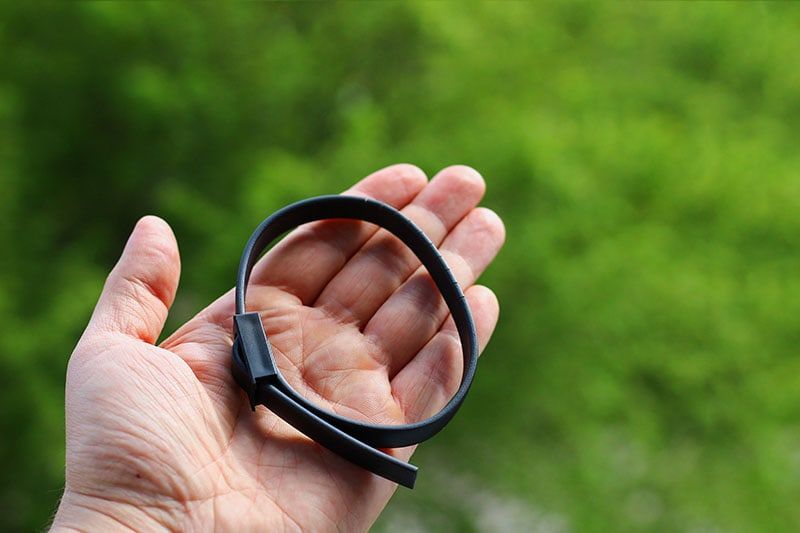
Naturally, cat flea collars are smaller and may be too small for your dog, presenting a choking hazard. They are also very unlikely to be effective against fleas.
If you accidentally apply a dog flea collar to your cat, remove it immediately and contact your vet for advice. If you have applied a dog spot-on treatment to your cat, wash the area thoroughly with water and phone your vet. Do not wait for signs to appear.
Signs of pyrethrin toxicity include drooling, ataxia (unsteady on feet), twitching, tremors, vomiting, and seizures.
Keeping Your Dog Safe When Using a Flea Collar

Flea collars work by creating a protective layer on the skin, as the product spreads over the skin and is absorbed into the lipid layer. This often acts as a repellent against fleas and ticks.
If you decide to use a flea collar to combat fleas on your dog, there are a few things to consider to keep them safe.
- Make sure the collar is snug, but not too tight or too loose.
- Only opt for veterinary licensed canine products recommended by your veterinarian, for your dog’s age and size.
- Make sure your dog does not chew or ingest the collar.
- Make sure to follow the manufacturer’s instructions on getting the dog wet before and after placing the collar, as well as avoiding large bodies of water, as some products are toxic for fish.
Alternatives to Flea Collars
There are alternatives to using a flea collar, but always consult your veterinarian to determine the best flea prevention method for your dog.
Oral Flea Treatments
Oral treatments can include pills that get rid of adult fleas, as well as prevent flea eggs from hatching. The ingredient of the pill is absorbed into the pet’s blood, which is then transmitted when a flea has a blood meal.
Spot-On Treatments
Spot-on treatments target adult fleas. The treatment is applied between the dog’s shoulder blades, from where it slowly spreads across the skin via natural skin oils and ends up in hair follicles and skin glands. They kill fleas on contact. Spot-on treatments can be effective for a month, and it's crucial that they are applied carefully so that the dogs cannot reach or lick them.
Shampoos, Powders, and Sprays
Flea shampoos can be effective for up to 24 hours and are used to control a heavy flea infestation, alongside other licensed products. Powders and sprays may sometimes last longer than shampoos and will fight off adult fleas but should also be combined with a more reliable flea treatment.

Tips for Flea Prevention
No matter which method you choose to use in order to battle fleas, consider these tips.
- Wash your linen regularly, vacuum, and bathe your pet regularly, using a flea comb to catch fleas and drown them.
- Use veterinary approved flea prevention methods year-round.
- If you have more than one dog, then treat them at the same time.
- Don’t use more than one product at a time; the toxicity levels will be too much for your dog.
- Always follow the product instructions. The product will work more effectively and safely.
- Keep your grass short. It is one of the favorite hiding places for fleas
- If you think your dog has had a reaction, contact your vet immediately.
- Never use canine flea products on cats and vice versa.
Conclusion
Whether they are formulated for a cat or a dog, flea collars contain powerful chemicals that are successful in killing fleas. It is recommended that cat and dog flea collars should not be used interchangeably. If you put a cat flea collar on your dog, it will most likely not be strong enough for flea prevention, and your dog could have a potential allergy or sensitivity to it.
Furthermore, it can be too small for your dog, resulting in a potential choking hazard. The fight against fleas is part of being a responsible dog owner, but you should always consult with your vet for the best advice.
And remember, NEVER use dog flea & tick products on cats.
Sources
Featured Image Credit: Gagarin Iurii, Shutterstock
Expert dog care, straight to your inbox
News, insights, expert advice, and everything dog.

No spam — unsubscribe anytime.
By signing up, you agree to our Terms & Conditions and Privacy & Cookies Policy.
How useful was this post?
Click a star to rate. You can leave written feedback afterwards. (We read all feedback.)
Nicole has loved animals of all sizes her whole life so it's no wonder she has dedicated her career to helping them through what she loves best: learning, writing, and sharing knowledge with others. She’s the proud mom of two dogs, a cat, and a human. With a degree in Education and 15+ years of writing experience, Nicole wants to help pet parents and pets around the planet to live happy, safe, and healthy lives.