Gastroenteritis in Dogs: Causes, Signs & Treatment (Vet Answer)

In this article
As a dog owner, you have probably dealt with your dog having some vomiting and diarrhea on at least one occasion. Gastroenteritis, or inflammation of the stomach and intestines, can be caused by a number of different things. In humans, we often think of the cause as food poisoning or the flu virus. Some people refer to the cause of vomiting and diarrhea as a “stomach bug” or “stomach virus”. But in dogs, the cause can vary greatly from humans. Referring to dogs as having a “stomach virus” may or may not be accurate.
In this article we will discuss common viruses that can cause gastroenteritis in dogs in addition to non-viral causes of vomiting and diarrhea.

What is Gastroenteritis?
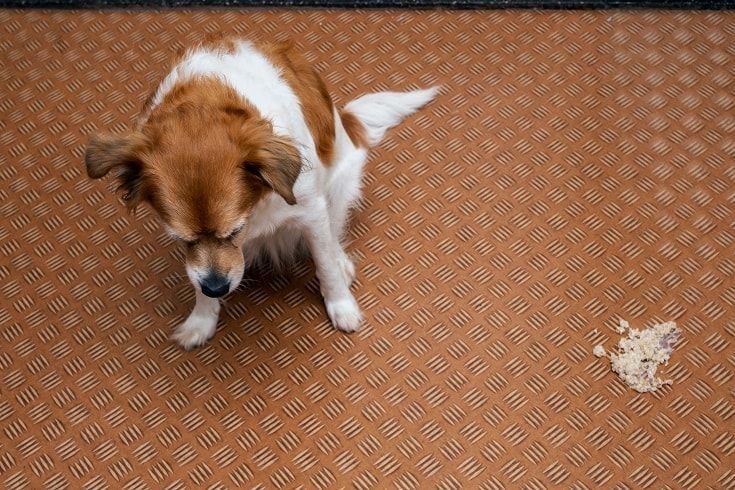
Gastroenteritis literally means inflammation of the stomach and intestines. Commonly this will be associated with vomiting and/or diarrhea, nausea, anorexia, abdominal discomfort. In dogs, viruses make up a small portion of the causes of vomiting and diarrhea. Just because your dog has developed these signs, it does not mean they are suffering from a virus.


Non-viral Causes of Gastroenteritis in Dogs
Two of the more common causes of vomiting and diarrhea in dogs are what we refer to as dietary indiscretion and parasites.
Dietary indiscretion
Dietary indiscretion is when a dog eats something it should not, something outside of its normal diet. This is the puppy who eats the stuffing from their toy, or swallows their owners’ socks and underwear. This occurs when you take your dog to the park and it finds a half-eaten muffin squished on the sidewalk and decides to eat it. Or the dog who gets into the trash and eats last night’s chicken bones.
The vomiting and diarrhea caused by ingesting something foreign could be from irritation to the GI tract as the dog passes it (think of how angry your intestinal tract would be if you ate and then pooped out a sock), an overabundance of bacteria, or a virus associated with the food. Sometimes the objects become stuck in the intestinal tract causing the vomiting and diarrhea. Still other times it is because the food was high in fat, grease, spices or oil and it upset your dog’s stomach. Your dog getting vomiting and diarrhea from eating something foreign does not necessarily mean it’s a virus.

Parasites
Parasites are another non-viral cause to vomiting and diarrhea in dogs. Most parasites are contracted by your dog ingesting feces infected with the parasite. Sometimes it occurs because your dog ingested fleas while grooming itself (this is how tapeworms infect dogs and cats). Depending on the type of parasite, the age of your dog and how much they were infected by will determine how sick your dog gets. Sometimes a parasite can cause gastroenteritis but the dog still wants to eat, drink and act normal. Other times parasites, especially severe hookworm infestations, can be fatal in young and small dogs.
Most veterinarians will recommend year-round prevention and yearly fecal checks to decrease the possibility your dog will get a parasite.

What About Raw Diets?
Raw diets are a topic of hot debate in the pet community. Even if the diet is organic and of the best quality, it can still be a common cause of gastroenteritis in your dog. This is because raw food, especially animal products, can contain bacteria and viruses that are detrimental to your dog’s health if consumed. These include (but are not limited to) Salmonella, E. coli, Campylobacter, Listeria and Toxoplasma gondii. The reasons raw diets can cause vomiting and diarrhea in your dog are the same reasons why you should wash your hands after handling eggs or raw meat, so that you do not accidentally consume those dangerous organisms.
Without getting into a debate on raw diets, please know that if your dog is on a raw diet and develops gastroenteritis, the diet may be the culprit. A veterinarian will likely recommend you switch your pet to a trusted kibble or cooked, balanced, homemade diet for safety.
Viral Causes of Gastroenteritis in Dogs
Parvo Virus Enteritis
Parvo virus is a serious and deadly disease that is often the cause of gastroenteritis in dogs. The full name is Parvo virus enteritis which refers to the inflammation of the intestines that occurs. Parvo virus is contracted by ingesting infected feces. Sounds gross to think of your dog eating another dog’s poop. But it happens. Sometimes it can be from your dog walking through an area such as the park or yard that an infected dog pooped on. Your dog will get microscopic particles of the virus on their paws and then may lick them, contracting the virus. While the virus can be killed on inside surfaces with multiple disinfectants, it can live for years in the environment.
The most common abnormal signs include vomiting and bloody diarrhea. Dogs become severely dehydrated and are often unable to eat or hold down any liquid for days to weeks. This can progress to a drop in blood sugar, severe internal infection and death. Dogs are typically very lethargic, nauseous, anorexic and weak.
Parvo virus is most common in unvaccinated puppies. This is because in veterinary medicine we have a very effective vaccine to protect dogs against parvo virus. Without the vaccine, dogs can become infected at any age. Though puppies with an immature immune system are the most susceptible.
Puppies can also contract this virus from their moms. This is another reason why it’s so important to have not only your puppies but adult dogs vaccinated as well.
It’s very important to know that there is absolutely no cure for parvo virus. As veterinarians we can treat the pet supportively by providing fluids, electrolytes, controlling vomiting, etc. However, there is no magic medicine that cures the virus. Prevention with a vaccine is a much better option than treating once sick.

Distemper Virus
Distemper is another often fatal virus most common in puppies. Most vaccines that help protect against parvo virus also protect against the distemper virus. Similar to parvo virus, unvaccinated dogs can be infected at any age, though puppies with immature immune systems or stray dogs with no vaccination history are the most affected. Puppies can also contract distemper from their mom.
Abnormal signs include severe nasal and eye discharge, coughing, pneumonia, gastroenteritis and eventually head and body tremors progressing to seizures.
As with parvo virus, there is absolutely no cure for distemper virus. We can only support the dogs with antibiotics, oxygen if needed, anti-convulsants, etc. Often times once a dog starts having seizures the disease has progressed beyond the point of providing support.
As above, we strongly recommend having not just your puppies but all your dog’s appropriately vaccinated against this disease. This is one cause of gastroenteritis you never want to experience.
Influenza Virus
The influenza, or flu virus, in dogs is much different than in people. In humans we commonly think of the flu causing vomiting, diarrhea, nausea and stomach cramping. In dogs, influenza causes abnormal respiratory signs. Dogs often present to the veterinarian with coughing, difficulty breathing, nose and eye discharge.
The influenza virus is highly contagious amongst dogs. That is because it is spread in the air and through droplets from sneezing, coughing, panting and barking.
There are vaccines to help protect against the influenza virus though they are not 100% effective. They were developed to help protect against the most common strains of the virus and are not all-inclusive. However, if your dog is commonly boarded, at the groomers, at daycare or around numerous other dogs, the vaccine may be a good choice for your pet.
Because the influenza virus causes respiratory abnormalities in dogs, it would not be appropriate to assume your dog with gastroenteritis may be suffering from “the flu”.

Conclusion
While there are viral causes to gastroenteritis in dogs, we can see just as many non-viral reasons your dog develops vomiting and diarrhea. Assuming your dog has “a stomach bug” may or may not be an accurate description. Whatever the cause may be, please make sure to contact your veterinarian and discuss your dogs’ abnormal signs and to determine if he/she needs to receive treatment.
See also:
Sources
Featured Image Credit: A photographyy, Shutterstock
Expert dog care, straight to your inbox
Vet-reviewed advice, training tips, and the best of Dogster. Free, and you can unsubscribe anytime.
By signing up, you agree to our Terms & Conditions and Privacy & Cookies Policy.
Dr. Kim Podlecki DVM (Veterinarian)
A graduate of The Ohio State University College of Veterinary Medicine, Dr. Podlecki has more than 12 years of experience working with small animals in the US. Dr. Podlecki worked almost exclusively in specialty medicine and emergency for more than a decade before transitioning to relief in both general practice and ER. Dr. Podlecki also owns her own consulting company (renewvetconsulting.com) with the focus of helping veterinary hospitals prioritize their staff to promote a healthier internal culture.
Join the conversation
Ask a question, share your story, or send private feedback.