Gastritis in Dogs: Signs, Causes, Treatment & Care Guide (Vet Answer)

In this article
You hear a rumble in your dog’s tummy. You notice their appetite is off. Oh no, is Fluffy experiencing a bout of gastritis? It is possible! Gastritis is often a sign of illness, with numerous causes. Continue reading below to learn more about this condition!

What Is Gastritis?
Gastritis is simply the inflammation of the stomach lining. Gastritis can be acute or chronic in nature. Acute gastritis is very common in dogs who are prone to dietary indiscretion. With acute gastritis, signs quickly resolve within just a few days.
Chronic gastritis can take longer to resolve and often requires the underlying cause to be identified before resolution is achieved. Chronic gastritis may be possible if clinical signs of vomiting last longer than 14 days and other causes have been eliminated. Dogs with chronic gastritis usually do not experience systemic signs of illness.
Most typically, the acute onset of vomiting is suggestive of gastritis. If inflammation extends from the stomach into the intestines, diarrhea may develop.

What Are the Signs of Gastritis?
The most common signs of gastritis include the following:
What Are the Causes of Gastritis?
Inflammation of the stomach lining can occur for a variety of reasons. One of the most common reasons gastrointestinal upsets occur is due to dietary indiscretion. Dietary indiscretion is a fancy way of saying your pet got into something outside of their normal diet. Gastritis because of dietary indiscretion is typically acute in nature and can be corrected quickly, sometimes without any intervention, or sometimes just supportive care. An exception to this is if gastritis is the result of a foreign body ingestion, as this often will require intervention.
Other processes like parasitism, endocrine disorders, pancreatitis, and inflammatory bowel disease can cause gastritis. Additionally, certain medications including antibiotics and chemotherapeutics may result in gastritis. As previously mentioned, gastritis can be a sign of other disorders.

How Is Gastritis Diagnosed?
Your veterinarian will diagnose your pet with gastritis based on their history and clinical signs. In some cases, diagnostic tests will be done to determine the underlying cause. Often in acute gastritis, signs may resolve before diagnostics are run.
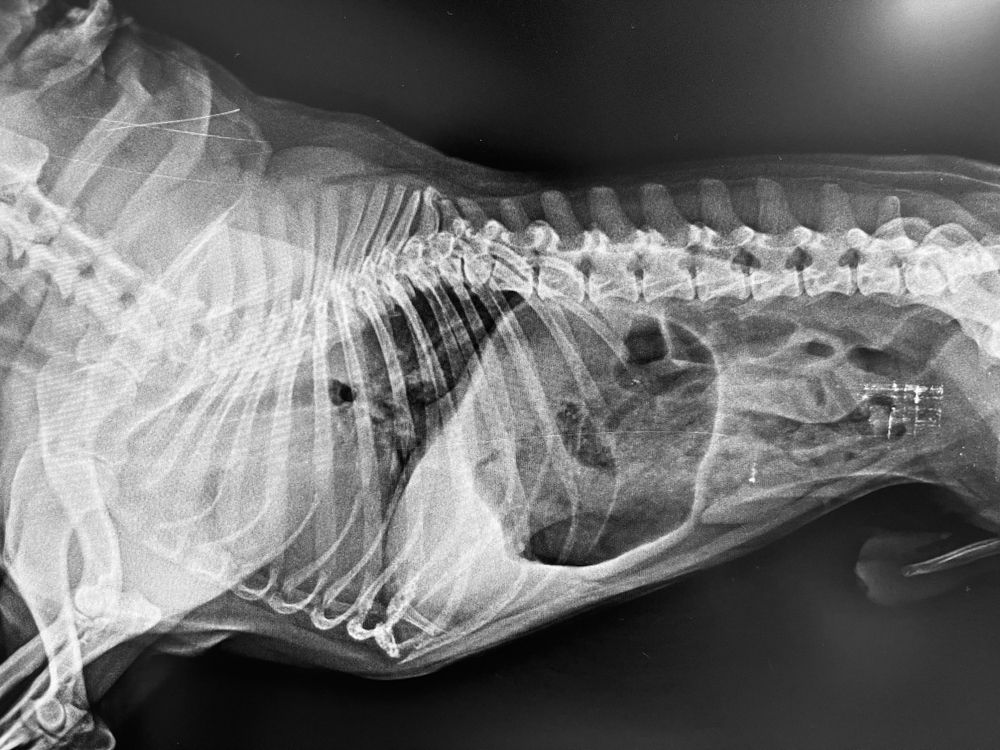
In some cases of acute gastritis, bloodwork, a fecal test, and imaging may be recommended. Typically, cases of chronic gastritis require more diagnostics. Chronic gastritis is definitively diagnosed through a biopsy of the stomach lining; however, other diagnostics may still be of value.
How Is Gastritis Treated?
Acute cases of gastritis may resolve without intervention. Other times, feeding a bland, low-fat diet can yield positive results. Examples of appropriate diets can include boiled chicken or lean beef, white rice, or cottage cheese. More preferable is a veterinary-formulated diet designed to be bland but meet dietary needs.
Some veterinarians may recommend withholding food for a short period of time to give the gastrointestinal tract time to heal. Furthermore, feeding less food than normal can be helpful. When it is time to feed your pet, consider feeding a smaller amount of food more frequently. This may mean your pet is getting fed four to six times daily when they are normally only fed twice. A slow transition back to their normal dog food can be initiated over 3 to 5 days once clinical signs have improved.
Dogs who have experienced diarrhea may benefit from probiotics. Medical intervention may be needed, especially in dogs who are vomiting. Anti-vomiting medication like Cerenia may be helpful. Proton pump inhibitors like Omeprazole and gastrointestinal protectants like Carafate may also be prescribed.

How Do I Care for a Pet With Gastritis?
It is critical that your pet remains well-hydrated while battling gastritis. If drinking water induces vomiting, medical care should be obtained. Offer your pet water frequently, but do not allow your pet to consume large amounts of water all at once, as this may also lead to vomiting.
Dietary indiscretion is very common in dogs. Setting your pet up for success is key. This can be achieved by ensuring your dog is safely secured when not under your direct observation and putting trash and medications safely out of reach. Furthermore, it is recommended that dogs do not receive table scraps, as this change in diet can certainly lead to gastrointestinal upset.
Frequently Asked Questions
My Dog Has Vomited Once but Otherwise Seems to Be Acting Okay. Should I Take Them to the Vet?
If you can ensure that your pet hasn’t gotten into any toxins or ingested a foreign body, it is likely okay to monitor them. If your pet is acting lethargic, painful, or weak, veterinary care should be pursued. Additionally, if vomiting persists or if your pet cannot hold down water, veterinary care should be pursued. If you are questioning if your pet should be evaluated, a quick call to your veterinary hospital may be helpful.
If My Dog Has Been Diagnosed With Chronic Gastritis, Will a Permanent Change in Diet Be Needed?
It depends on the underlying cause of gastritis. Certain causes of gastritis may be addressed by feeding a hypoallergenic diet. If your pet responds favorably to a diet change, it may be in your pet’s best interest to continue with that particular diet provided that it is well balanced and approved by your veterinarian. Veterinary prescription diets are often the gold standard.

In Summary
Gastritis is the inflammation of the stomach and can be either acute or chronic in nature. Acute cases of gastritis are incredibly common in dogs and can quickly resolve with little to no intervention in some cases. Gastritis most typically results in vomiting. However, if inflammation extends from the stomach to the intestines, diarrhea may also be observed. In some cases, diagnostics may be warranted to discover the underlying cause.
Often, animals with acute gastritis can benefit from being fed a bland, low-fat diet over the course of several days. Chronic gastritis cases will likely require more diagnostics and more interventions. Consultation with your veterinarian is recommended if vomiting persists or if your dog shows other signs of illness.
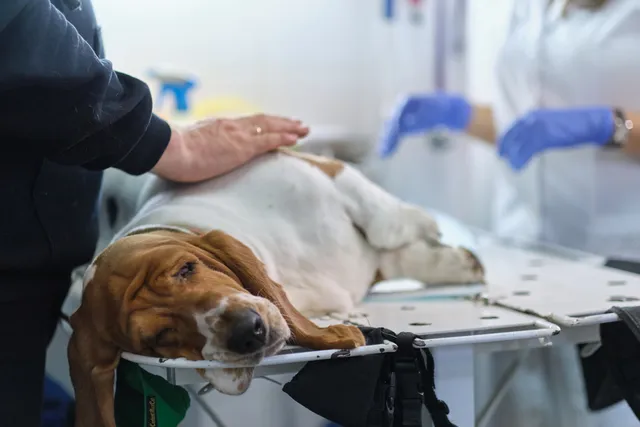
Featured Image Credit: bewitch_closet, Shutterstock
Expert dog care, straight to your inbox
Vet-reviewed advice, training tips, and the best of Dogster. Free, and you can unsubscribe anytime.
By signing up, you agree to our Terms & Conditions and Privacy & Cookies Policy.
Dr. Marti Dudley DVM (Veterinarian)
Dr. Marti Dudley is a small animal veterinarian with a strong interest in preventative medicine and pet parent education. She enjoys being a resource for pet owners as she believes that having a team approach leads to the best possible care of pets. Dr. Dudley enjoys writing and has been able to use this skill as another avenue to educate pet owners outside of the traditional office setting.
Dr. Dudley has been practicing veterinary medicine since 2014. She has an interest in preventative care and emphasizes the importance of pet owner education. Dr. Dudley’s experience in veterinary medicine is broad, as she has worked as a general practitioner, which has allowed her to see and treat many different types of conditions.
Dr. Dudley received her bachelor’s degree in biology from Longwood University in Virginia. She earned her Doctor of Veterinary Medicine (DVM) degree from Ross University.
Join the conversation
Ask a question, share your story, or send private feedback.