How to Make My Dog Vomit Without Hydrogen Peroxide: Our Vet Explains

In this article
Most of the time, your dog vomiting isn’t something that you want to see or deal with. Not only does it create a mess, but it can also mean they are sick or ate something that they shouldn’t have or any other number of bad things that you don’t want your pet to undergo. However, there are times when vomiting may be just what they need to do to relieve their stomach of something that could be dangerous if it is further ingested. That said, do not induce vomiting in your dog without first talking to a vet.

Why Vets May Induce Vomiting
Dogs like to put things into their mouths, some more than others. It’s one of the ways that they explore their world. If a dog happens to eat something that could be toxic, the first step is often trying to get that something back out before it has a chance to be further broken down and cause problems. One of the ways that veterinarians do this is by inducing vomiting, also called decontamination.
They have various ways of doing this, typically by giving medications. You may have heard that vomiting in dogs can be induced at home using hydrogen peroxide, syrup of ipecac, or even salt. While these substances may indeed cause your dog to vomit, they carry their fair share of risks.
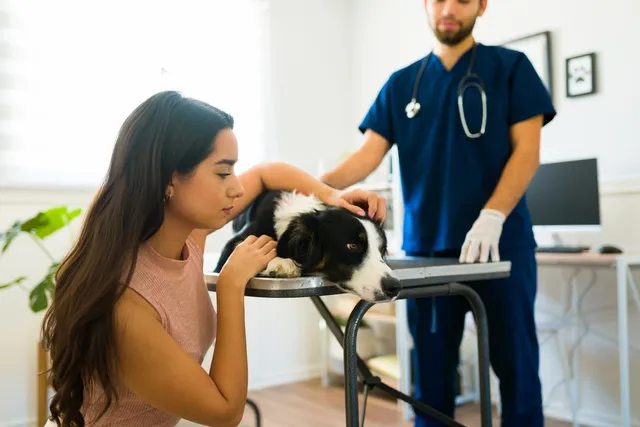
It’s best for a vegetarian to control the decontamination process, as there are all kinds of things that can go wrong when inducing a dog to vomit. Rather than doing the job at home, visit your vet. The short time that it takes you to get to the clinic typically won’t make a difference in your dog’s prognosis, and they will be in a safer environment when going through decontamination.

The Dangers of Inducing Vomiting at Home
While vomiting is a completely natural process that a dog’s body does in order to rid the stomach of potentially irritating substances, it’s not something that you want to encourage if it doesn’t need to happen. If your dog eats something out of the ordinary, there is a chance that further digestion could lead to more problems, but depending on what it is that they ate, it may be safer to allow it to move through the dog’s system, offering supportive care as it goes. Certain chemicals that a dog may ingest could cause more harm as they come back up, irritating or burning the throat and mouth further.
Also, the products typically used to make a dog vomit at home may not be the safest things for them. For example, syrup of ipecac, though widely used 40–50 years ago to induce vomiting, is not considered safe for canines because it is an irritant that can lead to further digestive issues, such as bloody diarrhea and not eating.
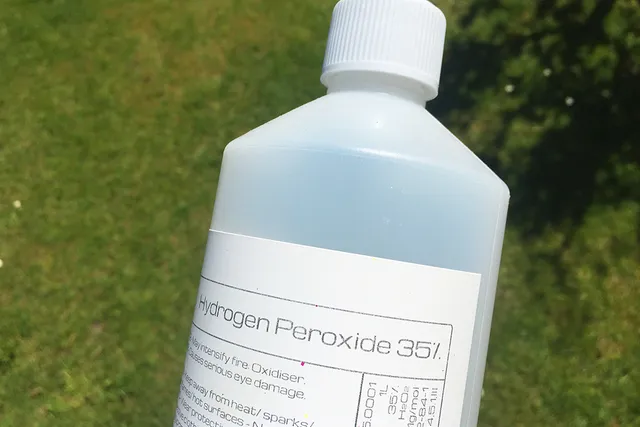
Hydrogen peroxide is also an irritant that can cause more harm than good if used incorrectly, especially if it’s more concentrated than the standard 3%. Besides irritation, it can increase the risk of aspiration, or sucking fluid and other things into the lungs. Hydrogen peroxide also foams when it contacts things like tissues, and those bubbles can get into the lungs as a dog goes through the process of vomiting. Aspiration can be extremely dangerous, leading to pneumonia and even death.
Besides the dangers to your dog, forcing them to swallow nasty-tasting chemicals may cause them to react negatively and even bite you.
Is There Ever a Time to Induce Vomiting at Home?
Dogs that are far from the nearest vet may need to vomit sooner than they can get to the clinic in order to decrease the amount of damage that the ingested substance causes. So, in certain cases, a veterinarian may recommend inducing vomiting at home due to the travel time.
Even in this situation, though, it’s always best to contact your vet first. They will be able to tell you whether inducing vomiting is the ideal course of action based on what and how much your dog ate and how far away you are from the clinic. Your vet will also be able to give a proper dosage for what you should use and the proper steps for inducing vomiting in order to keep your dog as safe as possible. Hydrogen peroxide may be recommended, but if you don’t have this or anything else that they suggest, you’ll likely be told to come into the clinic instead.
If you are far from a vet clinic and need urgent vet advice and guidance on the best course of action you can chat with a vet online.
After inducing vomiting at home, you should still take your dog to the vet to ensure that everything is okay from there on out.
How Do Vets Decontaminate Dogs at the Clinic?
You may be wondering what vets do to make inducing vomiting at the clinic safer than doing it at home. The most important aspect is the medication that they use. Instead of administering something that irritates the stomach to encourage it to expel the contents, vets use drugs that directly influence the vomit center in the brain. This center tells the stomach to empty, so there is less chance of creating more damage through irritation.
These drugs are typically administered via injection, which decreases the chances of upsetting the dog and possibly getting bit when trying to force something down their throat. Vets also have the tools to help with the potential complications of vomiting, such as aspiration, and they can provide supportive care that may be needed following decontamination.


Frequently Asked Questions
Will Salt Water Make My Dog Vomit?
You may have heard about giving salt water to a dog to make them vomit. High amounts of salt can be irritating to the stomach, which can indeed lead to vomiting. However, giving your dog a large amount of salt can lead to dehydration and even salt toxicosis if it’s in high enough amounts and vomiting doesn’t occur. Salt water is not a reliable or safe way to induce vomiting in dogs. Instead, contact your vet.
Can Mustard Water Make a Dog Throw Up?
Another home remedy that you may have come across to induce vomiting in dogs is mustard or mustard water. This is another unreliable way to go about inducing vomiting, though it is less likely to harm a dog than something like salt. Before trying anything at home, though, contact a vet and follow their directions.
Conclusion
Even though you may have heard you can induce vomiting in dogs without peroxide, it doesn’t mean you should try any of them. Instead, first contact your vet to let them know what your dog ate, how much, and how long ago. They will tell you how you should proceed, as certain substances shouldn’t be vomited back up. Most of the time, treatment can wait the necessary minutes that it takes for you to get your dog to the clinic. If your vet does decide that decontamination needs to happen right away, they will advise you on how to proceed to make it as safe for you and your dog as possible.
See also:
Why Is My Dog Throwing Up Bile? Vet-Reviewed Causes & Treatments
Why is My Dog Throwing Up Black or Dark Red Vomit? Important Health Facts
Sources
Featured Image Credit: Dragon Images, Shutterstock
Expert dog care, straight to your inbox
Vet-reviewed advice, training tips, and the best of Dogster. Free, and you can unsubscribe anytime.
By signing up, you agree to our Terms & Conditions and Privacy & Cookies Policy.
Dr. Chyrle Bonk DVM (Veterinarian)
On top of caring for animals and writing for veterinary publications, Dr. Chyrle Bonk owns a small cattle herd! When she’s not busy with those things, she can be found somewhere enjoying the Idaho outdoors with her husband and two kids. Dr. Chyrle Bonk received her Doctor of Veterinary Medicine (DVM) from Oregon State University in 2010.
Chyrle has practiced in a mixed animal clinic for over a decade. She also writes for various veterinary websites and magazines, like Dogster!
Join the conversation
Ask a question, share your story, or send private feedback.