Dogster is reader-supported. When you buy via links on our site, we may earn a commission at no cost to you. Learn more.

Dog Health & Care

Can Dogs Take Human Vitamins? Vet-Approved Facts & FAQs

Misty Layne
By Misty Layne · Reviewed & fact-checked by Dr. Amanda CharlesVet Approved
Dr. Amanda Charles
Reviewed & Fact-Checked byDr. Amanda CharlesBVSc MRCVS (Veterinarian)
Dr. Amanda Charles, a 2002 graduate from Liverpool University, has built a prolific career in small animal medicine. She is passionate about providing pet owners with reliable and current information, enjoying the varied aspects of veterinary work. Outside the clinic, Amanda's life is filled with the energy of her two young sons, her spirited Cocker Spaniel, along with a spunky Ragdoll cat.View authorThe information is current and up-to-date in accordance with the latest veterinarian research. Learn more
Updated on June 17, 2026
Share
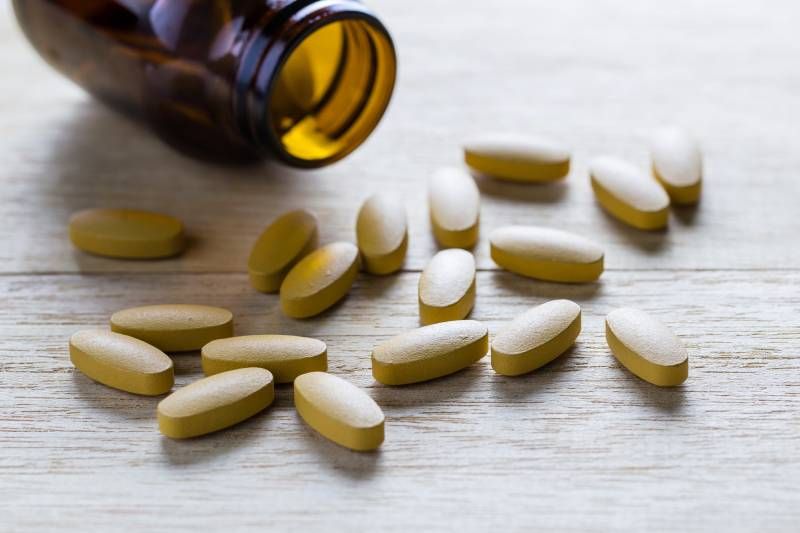
pills of vitamin C spilled out open container on wood background

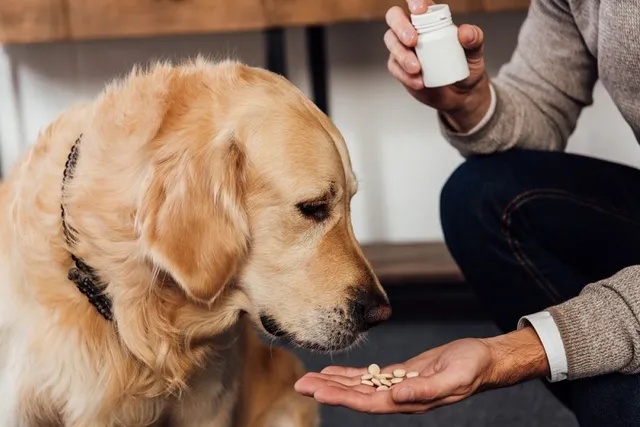
As a dog parent, you’re aware that many pups will eat almost anything they find lying out and about. So, you do your best to keep items they shouldn’t eat safely away. But accidents happen, and sometimes your dog will get into something they shouldn’t, like your vitamins.

If your canine companion has consumed some of your vitamins, don’t panic. However, you should be aware that dogs shouldn’t take human vitamins,1 and depending on their age, size, health, type of vitamin, and how much they've consumed will determine how severe the complications may be. So, the immediate step after finding out your pup has taken your vitamins is to call your vet.

divider single dog paw oct 2024

What to Do If Your Pup Eats Your Vitamins

As we said, your first step should be to call your vet immediately. Chances are high that your dog will be absolutely fine after eating the vitamin, but if they consumed a whole handful of vitamins or certain kinds of vitamins, you could run into issues since vitamin toxicity is possible. Talking to your vet and letting them know just what your pup has taken and how much will make a positive outcome much likelier.

Which Vitamins Are Most Toxic to Canines?

Two vitamins, in particular, can put your pup at risk of vitamin toxicity. Which vitamins are those?

Vitamin D

Many of us take vitamin D supplements because we are deficient in this vitamin due to not spending enough time in the sun. Vitamin D is great for us, but in our dogs, it can be a different story (at least if they consume too much at a time). If your dog eats some of your vitamin D, they can experience a lack of appetite, vomiting, and diarrhea. In very high amounts, it could cause the calcium levels in your pet’s body to elevate enough to result in kidney damage.


Vitamin A

Vitamin A is essential for everyone, regardless of species, as it helps with growth, reproduction, and more. However, it can also cause toxicity in dogs if they consume too much. Most often, this doesn’t come from a dog eating an entire bottle of vitamin A; instead, vitamin A poisoning usually occurs when canines are given cod liver oil, raw liver, or other foods high in vitamin A consumed consistently over weeks to months.

Vitamin A poisoning can cause sleepiness, irritability, and vomiting. If it happens due to long-term vitamin A consumption, your pet’s coat and skin will look dry and rough, and there could be weight loss, constipation, weakness, limited body movement, or pain.

Image Credit: Pressmaster, Shutterstock
divider dog faces oct 2024

Two Other Things to Watch Out For

The next two items aren’t vitamins but are often included in supplements.

Iron

Iron can be taken as a supplement, but it’s also in multivitamins (particularly prenatal vitamins), and it can be very dangerous for our dogs. The signs that dogs can show with iron poisoning range in severity from vomiting, diarrhea, abdominal pain, and lethargy to tremors, seizures, signs of shock, and severe effects on the heart and liver. So, you must keep any vitamin with iron away from your pet! If they have accidentally ingested iron, contact a vet straight away so they can work out if the amount ingested was toxic or not.


Xylitol

Finally, there’s xylitol, an artificial sweetener. In the case of vitamins, you’ll often find it in the chewable kind. Xylitol is toxic for our canine friends, even in small amounts. It can cause sudden hypoglycemia in dogs, resulting in lethargy, muscle weakness, and seizures. It may also cause liver damage.
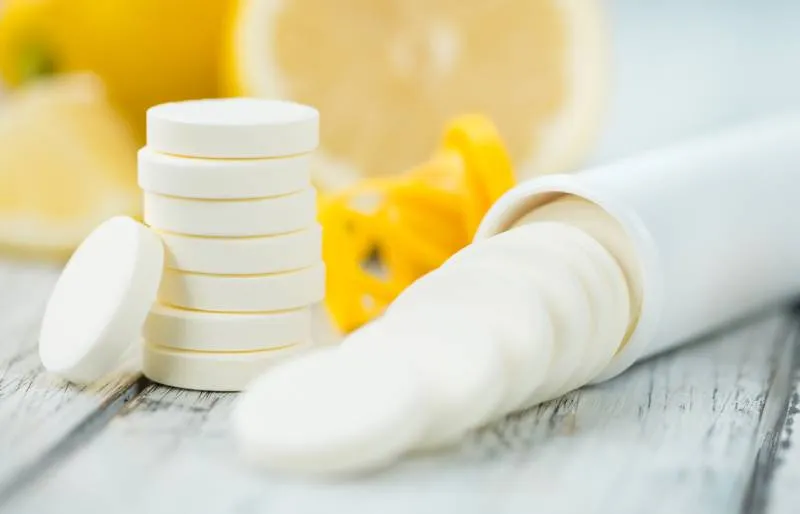
Image By: Handmade Pictures, Shutterstock
divider dog paws 3 oct 2024

Summing Up

Your dog shouldn’t take your vitamins, but accidents happen, and your pup may get their paws on some. If your dog has eaten your vitamins, call your vet immediately with a list of the vitamin's ingredients, and they will be able to advise you if any urgent action is needed. In many cases, your pup will be fine, but vitamin supplements containing vitamins A, D, iron, or xylitol can cause serious problems. The sooner you contact your vet, the higher the chances of a positive outcome.

See also:


Featured Image Credit: NT_Studio, Shutterstock

The Dogster Newsletter

Expert dog care, straight to your inbox

News, insights, expert advice, and everything dog.

No spam — unsubscribe anytime.

By signing up, you agree to our Terms & Conditions and Privacy & Cookies Policy.

Click a star to rate. You can leave written feedback afterwards. (We read all feedback.)

Misty Layne
Authored by

Misty Layne

Leave a Reply

You're very welcome to leave a comment or question. Please know that all comments must meet our community guidelines, and your email address will NOT be published. Let's have a positive and constructive conversation.

My Dog Ate a Prenatal Vitamin! Vet-Verified Risks, Signs & Treatment

My Dog Ate a Prenatal Vitamin! Vet-Verified Risks, Signs & Treatment

If you’re trying to fall pregnant, are breastfeeding, or are an expectant mother, you know that your prenatal vitamin is packed with all the vitamins and miner…

Keri-Beth Clur
By Keri-Beth Clur · 4 weeks ago
Should I Give My Dog Supplements? Our Vet Answers

Should I Give My Dog Supplements? Our Vet Answers

A good quality complete and balanced diet, regular vet visits, a strong bond, and physical activity are essential aspects to keep your dog happy and healthy. B…

Dr. Iulia Mihai, DVM MSc
By Dr. Iulia Mihai, DVM MSc · 4 weeks ago
My Dog Ate Human Medication: Our Vet's Advice on What to Do

My Dog Ate Human Medication: Our Vet's Advice on What to Do

Okay, your dog just grabbed a pill that fell on the floor. Do we panic, or do we wait and see what happens? The seriousness of the issue depends on the medicat…

Dr. Samantha Devine
By Dr. Samantha Devine · 1 month ago
9 Vitamins Your Dog Needs for a Healthy & Happy Life

9 Vitamins Your Dog Needs for a Healthy & Happy Life

Dogs can’t make vitamins from food the way that humans can. But vitamins are essential for dogs because they help prevent disease and promote overall health. T…

Nicole Cosgrove
By Nicole Cosgrove · 1 month ago

My Dog Ate Tylenol (Acetaminophen): What Should I Do? Vet-Approved Advice

Tylenol, or acetaminophen (paracetamol), is toxic to dogs and can lead to various health issues. If your dog eats Tylenol, it's best to immediately speak with…

Visnja Radosavljevic
By Visnja Radosavljevic · June 29, 2026
My Dog Ate Tylenol (Acetaminophen): What Should I Do? Vet-Approved Advice

20 Common Household Items That Are Poisonous to Dogs (Vet Reviewed)

There are some items in your home you know your dog shouldn’t get into because they are toxic. However, you may not know how many everyday items are hazardous…

Misty Layne
By Misty Layne · July 4, 2026
20 Common Household Items That Are Poisonous to Dogs (Vet Reviewed)

What Vitamin Deficiency Causes Hair Loss in Dogs? Vet-Verified Facts

A dog’s skin is supported by the food they eat. If they don’t eat the right diet, it can cause hair loss and other skin issues. Without essential vitamins, you…

Kristin Hitchcock
By Kristin Hitchcock · June 17, 2026
What Vitamin Deficiency Causes Hair Loss in Dogs? Vet-Verified Facts

Calcium Carbonate for Dogs: Vet-Reviewed Benefits, Uses & Side Effects

Making sure your dog gets all the necessary nutrients in their diet is vital for them to live a long, healthy, and happy life. Commercial complete dog food con…

Nicole Cosgrove
By Nicole Cosgrove · June 29, 2026
Calcium Carbonate for Dogs: Vet-Reviewed Benefits, Uses & Side Effects

Can Dogs Have Aspirin? Our Vet Discusses Safety Facts

Since people can pick up over-the-counter pain relief medication for themselves, you might be tempted to think the same is true for our pets. The truth is that…

Dr. Ashley Darby
By Dr. Ashley Darby · June 17, 2026
Can Dogs Have Aspirin? Our Vet Discusses Safety Facts

Shampoo Poisoning in Dogs: Vet-Reviewed Health Concerns

Shampoos can contain many ingredients, and certain ones can be dangerous and even lead to poisoning if consumed. If you have seen or suspect that your dog has…

Ed Malaker
By Ed Malaker · June 29, 2026
Shampoo Poisoning in Dogs: Vet-Reviewed Health Concerns

Can You Give Dogs Ibuprofen? Vet-Reviewed Facts & FAQ

As pet owners, it's natural to be concerned about our furry friends' health and well-being. When they're in pain or feeling unwell, we want to do everything we…

Nicole Cosgrove
By Nicole Cosgrove · June 17, 2026
Can You Give Dogs Ibuprofen? Vet-Reviewed Facts & FAQ

Can My Dog Overdose on Glucosamine? Vet-Reviewed Safety Facts

Glucosamine is an amino sugar that's commonly taken by humans and their canine companions to promote joint health. Evidence suggests it may decrease joint pain…

Lorre Luther
By Lorre Luther · July 9, 2026
Can My Dog Overdose on Glucosamine? Vet-Reviewed Safety Facts

Love Dogs? So Do We! Join the Dogster Community

Stay informed with expert pet care insights delivered straight to your inbox! Discover professional guidance on animal behavior, feeding tips, trusted product picks, and much more.

You may opt-out at any time. View our Privacy Policy for more information.

The Dogster app on a phone