My Dog Ate Tylenol (Acetaminophen): What Should I Do? Vet-Approved Advice


In this article
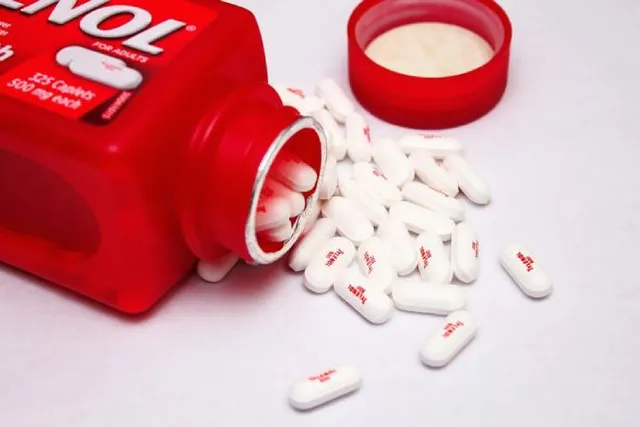
Tylenol, or acetaminophen (paracetamol), is toxic to dogs and can lead to various health issues. If your dog eats Tylenol, it's best to immediately speak with your veterinarian after the incident occurs. Acetaminophen is used for pain relief and fever reduction, so many people have it in their medicine cabinets. It's also a common ingredient in many over-the-counter and prescription medications that treat headaches, menstrual discomfort, flu, and colds. In this article, we'll discuss what you should do if your dog eats Tylenol, the signs of acetaminophen poisoning in dogs, and how to prevent it.

What Should You Do If Your Dog Ate Tylenol (Acetaminophen)?
Tylenol can cause various health problems in your dog, so you should immediately react if your dog eats it. Contact your veterinarian or the Pet Poison Helpline; time is of the essence, so ensure that you react promptly but calmly. If your canine is already showing toxicity signs, it's best to go straight to your veterinarian. Try to remember as many details as possible about the incident, including the time, the number of pills your dog consumed, and when the signs occurred. Also, remember to bring the Tylenol bottle with you for the vet to examine. Although this situation may be stressful, try to remain calm. Your vet will probably ask you several questions, so be prepared to provide necessary information, such as the following:
- Your dog's breed, age, and weight
- Time of Tylenol ingestion
- The number of pills ingested
- The strength of the medication
- If any other ingredients are present inside the medicine
- Your dog's medical history
- Signs that your canine has exhibited
If your dog exhibits signs like vomiting on your way to the vet, try to save a sample for examination.

Tylenol - The Dose Makes the Poison
Tylenol is a medication specifically formulated for humans, and that is where the risk lies for dogs. Although acetaminophen is actually a drug used in canine medicine, the doses needed for humans and dogs differ, and the ingestion of a human dose can be fatal for smaller creatures. Dogs can metabolize acetaminophen, which is why it may sometimes be prescribed by your vet.
Small breeds and young puppies are at greater risk of acetaminophen toxicity, which is another thing to keep in mind.
What Are the Signs of Tylenol (Acetaminophen) Poisoning in Dogs?
Due to the acetaminophen inside of Tylenol, your dog could experience anemia, keratoconjunctivitis, or extreme liver damage. The signs may vary depending on how your dog's body reacts to this medicine. While some dogs may experience just one of these health problems, others may experience all of them at once. If the acetaminophen affects your dog's liver, they may not exhibit signs for several days. The signs of dog anemia are typically exhibited 4–12 hours after the incident. The general signs of these health problems in dogs typically include:
- Lethargy
- Depression
- Decreased appetite
- Rapid breathing
- High heart rate
- Panting
- Abdominal pain and enlarged abdomen
- Vomiting
- Drooling
- The gums, mucus membrane, and area around the eyes turn blue/chocolate brown
- Swelling in the face, paws, and forelimbs
- Dark urine
- Excessive thirst
- Hypothermia
- Excessive drooling
- Skin, face, and eyes discoloration
- Death
Acetaminophen poisoning can also lead to keratoconjunctivitis in your dog, which you can recognize by the following signs:
- Red, painful eyes
- Squinting
- Eye discharge
- Pawing at the face/eyes
Since some of these health problems caused by acetaminophen poisoning can develop rapidly, remember to stay calm but react promptly to help your dog have the highest chances of survival.

What Is the Toxic Level of Acetaminophen for Dogs?
Some veterinarians prescribe acetaminophen to dogs, and they can tolerate acetaminophen at a low dose of 10 mg/kg of body weight. However, a dosage of 100 mg/kg could lead to toxicity and liver damage, and a dosage of 200 mg/kg may be fatal.
How Will Your Vet Diagnose Tylenol (Acetaminophen) Poisoning in Your Dog?
Typically, noticing missing pills, seeing your dog consume them, or noticing any signs of acetaminophen poisoning is enough to diagnose it. Laboratory testing may be able to evaluate the acetaminophen levels inside your dog's blood, but the testing usually takes too long, as this type of poisoning requires prompt treatment.
So, if you suspect acetaminophen poisoning in your dog, the veterinarian will prescribe the medication and start treatment without performing numerous tests.

How Is Tylenol (Acetaminophen) Poisoning in Dogs Treated?
The treatment for Tylenol (acetaminophen) poisoning typically includes your veterinarian making your dog vomit. The vomiting should flush out your dog's stomach and eliminate any leftover Tylenol from the body. Afterward, most veterinarians will give canines activated charcoal to reduce the acetaminophen absorption inside their gastrointestinal tract. All of these procedures must be performed by a licensed professional—never try to do them yourself! Some dogs may need hospitalization due to Tylenol poisoning; they typically need to receive IV fluids and get medications for their liver. If your dog consumes large amounts of Tylenol or their body reacts to acetaminophen faster, more intensive treatments may be needed, as there's a higher risk of long-term health issues and death. Dogs that develop anemia may receive blood transfusions or oxygen supplementation. Dogs that experience severe liver damage may need plasma transfusions, dextrose, or vitamin K supplementation.
Is There a Way to Prevent Tylenol (Acetaminophen) Poisoning in Dogs?
A dog who eats Tylenol (acetaminophen) can suffer from long-term health damage and may need various treatments, including hospitalization. Due to the damage that occurs if your dog ingests this medicine, it's best to try to prevent such an occurrence in the first place. There are a few things that you can do to prevent your dog from eating Tylenol, including:
- Never give Tylenol (or any acetaminophen) to your dog without your vet's approval.
- Never leave Tylenol and other medications unattended in areas where your dog can reach them (counters, purses, suitcases, nightstands, etc.).
- Do not assume your dog won't eat the medication if you leave it within reach.
- If you accidentally drop any medicine, confine your dog until you pick everything up and store it safely.

Conclusion
If your dog consumed Tylenol (acetaminophen), try to get an accurate idea of how many tablets were eaten and contact your veterinarian. For some dogs, the amount may not present a risk, but it is vital to find out from your vet. If your dog is showing signs of acetaminophen poisoning, immediately take your dog to the vet.
Eating Tylenol can be extremely dangerous for canines, particularly small dogs and puppies, which is why the best way to prevent acetaminophen poisoning is to ensure that this medication is kept out of your dog's reach. It is important to note that cats should never be given acetaminophen since they cannot metabolize it at all, and even very low doses can cause irreversible, often fatal, liver damage. If you even suspect your cat has eaten Tylenol, immediately contact your vet for emergency treatment.
Expert dog care, straight to your inbox
News, insights, expert advice, and everything dog.

No spam — unsubscribe anytime.
By signing up, you agree to our Terms & Conditions and Privacy & Cookies Policy.
How useful was this post?
Click a star to rate. You can leave written feedback afterwards. (We read all feedback.)
I'm a creative, adaptable content writer that covers various topics such as DIY, pets, home improvement, travel, gardening, and more.
As a young mom and a college student, I didn’t have enough time to balance my personal and work life, so after multiple years of working a regular 9 to 5 job, I decided to pursue my passion and make a living out of it. I have been writing for a couple of years now, helping people to find valuable and interesting information online.
I believe that writing is a great way to share your knowledge with the community and express yourself. There's nothing that words cannot accomplish, so I always try to use them in the best possible way.