Dogster is reader-supported. When you buy via links on our site, we may earn a commission at no cost to you. Learn more.

Dog Health & Care

Can You Give Dogs Ibuprofen? Vet-Reviewed Facts & FAQ

Nicole Cosgrove
By Nicole Cosgrove · Reviewed & fact-checked by Dr. Paola CuevasVet Approved
Dr. Paola Cuevas
Reviewed & Fact-Checked byDr. Paola CuevasVeterinarian
Dr. Paola Cuevas is our Senior In-House Veterinarian at Dogster and Pangolia. She has over 19 years of experience working with an array of species and loves sharing her knowledge and experience with our readers and aims to provide assistance with any issue presented by your non-human family members. She received her degree from the University of Guadalajara, Mexico.View authorThe information is current and up-to-date in accordance with the latest veterinarian research. Learn more
Updated on June 17, 2026
Share
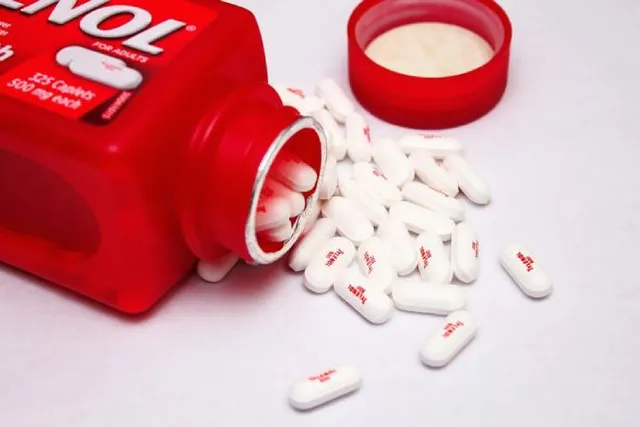
ibuprofen medication

As pet owners, it's natural to be concerned about our furry friends' health and well-being. When they're in pain or feeling unwell, we want to do everything we can to help them. One common question that arises is can you give dogs ibuprofen? Ibuprofen is not safe for dogs and can in fact be very harmful as it is toxic for them. In this article, we'll explore the safety and risks of administering ibuprofen to dogs, discuss alternative pain relief options, and provide additional information to keep your pet safe.

Dogster_Website dividers_v1_Jan 18 2024-03

Is It Safe to Give Ibuprofen to Dogs?

Ibuprofen is a nonsteroidal anti-inflammatory drug (NSAID) commonly used in humans to relieve pain, reduce inflammation, and lower fever. It's available over the counter and is often used to treat headaches, muscle aches, and minor injuries in humans.

Ibuprofen is not safe for dogs and can be extremely toxic, even in small doses. Dogs metabolize ibuprofen differently than humans, which can result in serious side effects such as gastrointestinal bleeding, ulcers, kidney damage, and liver failure. In severe cases, ibuprofen toxicity can be life-threatening.

Signs of Ibuprofen Toxicity in Dogs

If your dog has ingested ibuprofen, it's essential to be aware of the signs of toxicity.

These may include:

  • Vomiting, sometimes with blood
  • Diarrhea
  • Bloody stools
  • Dark, tarry stools
  • Loss of appetite
  • Decreased or increased thirst
  • Decreased or increased urination
  • Abdominal pain
  • Lethargy
  • Weakness
  • Incoordination
  • Seizures
  • Pale gums
  • Yellow discoloration of the skin
  • Coma

Toxicity levels can vary depending on the size and health of your dog and how much ibuprofen was ingested. However, even small doses can be dangerous, so it's best to avoid giving ibuprofen to dogs altogether.

When to Seek Veterinary Help

If you suspect your dog has ingested ibuprofen or is showing signs of toxicity, contact a veterinarian or an emergency animal clinic immediately. Prompt treatment is crucial to minimize the risk of long-term damage or death.

If you need urgent veterinary advice, consult a vet online.

Safe Alternatives for Pain Relief in Dogs

Although it’s not safe to give ibuprofen to dogs, there are other forms of pain relief you can give to dogs. However, you should not give your dog anything that isn’t vet-approved, so make sure to reach out to a veterinarian and have your dog examined if you think they are experiencing pain.

Veterinary-Approved NSAIDs

Several veterinary-approved NSAIDs, such as carprofen, meloxicam, and deracoxib, are specifically formulated for dogs. These medications are safer for dogs and can be prescribed by a veterinarian to manage pain and inflammation.

Other Pain Management Options

A veterinarian may also recommend other pain management options depending on your dog's specific needs.

These may include:

  • Cold or heat therapy
  • Physical therapy
  • Acupuncture
  • Infrared light therapy
  • Laser therapy
  • Massage
  • Prescription medications for more severe pain

Some natural remedies, such as glucosamine and chondroitin sulfate, can help support joint health and reduce inflammation and pain. However, always consult a veterinarian before introducing any new supplements or remedies to your dog's regimen.

Image By: Rasulov, Shutterstock
Dogster_Website dividers_v1_Jan 18 2026-03

Preventing Accidental Ibuprofen Ingestion

Even if you’re not intentionally giving your dog ibuprofen, it’s possible for your dog to accidentally ingest some if it is left out. To prevent this from happening, here are some things you can do.

Storing Medications Safely

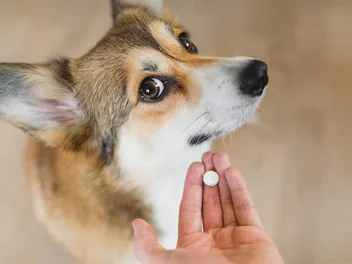
To prevent accidental ingestion of ibuprofen by your dog, always store medications in a secure location that is out of reach of pets. Keep purses and bags containing medication off the floor and away from curious noses.

Educating Family Members and Guests

Ensure that all family members and guests are aware of the dangers of ibuprofen for dogs and the importance of keeping medications out of reach. Remind them not to give any human medications to your dog without consulting a veterinarian first.

Image Credit: 4 PM production, Shutterstock

Other Human Medications to Avoid

In addition to ibuprofen, several other human medications are dangerous for dogs, including acetaminophen (Tylenol), naproxen (Aleve), and aspirin. Always consult a veterinarian before giving any over-the-counter medication to your pet.

Potential Drug Interactions

Even veterinary-approved medications can have potential drug interactions with other medications your dog may be taking. Always inform a veterinarian about your dog's current medications and supplements to avoid adverse reactions.

Image Credit; SeventyFour, Shutterstock
Dogster_Website dividers_v1_Jan 18 2024-03

Conclusion

In summary, you should never give dogs ibuprofen, as it can be highly toxic and potentially life-threatening. If your dog is in pain or experiencing inflammation, consult a veterinarian for safe and effective treatment options. By taking these precautions and seeking professional advice, you can help ensure your furry friend stays healthy and pain-free.

See Also: 

Sources

Featured Image Credit: speedshutter Photography, Shutterstock

The Dogster Newsletter

Expert dog care, straight to your inbox

News, insights, expert advice, and everything dog.

No spam — unsubscribe anytime.

By signing up, you agree to our Terms & Conditions and Privacy & Cookies Policy.

Click a star to rate. You can leave written feedback afterwards. (We read all feedback.)

Nicole Cosgrove
Authored by

Nicole Cosgrove

Leave a Reply

You're very welcome to leave a comment or question. Please know that all comments must meet our community guidelines, and your email address will NOT be published. Let's have a positive and constructive conversation.

My Dog Ate Ibuprofen: Signs of Toxicity & What to Do (Vet Answer)

My Dog Ate Ibuprofen: Signs of Toxicity & What to Do (Vet Answer)

Dogs have a reputation for getting into anything and everything. While you wouldn’t think that your pain relief medication would be a tempting target, it’s ver…

Dr. Ashley Darby
By Dr. Ashley Darby · 1 month ago
Can You Give a Dog Tylenol? Vet-Approved Facts & Risks

Can You Give a Dog Tylenol? Vet-Approved Facts & Risks

It can be tempting to run to your first aid kit when you realize that your companion is in pain and grab what you rely on the most. One of the most common pain…

Nicole Cosgrove
By Nicole Cosgrove · 1 month ago
Can Dogs Have Aspirin? Our Vet Discusses Safety Facts

Can Dogs Have Aspirin? Our Vet Discusses Safety Facts

Since people can pick up over-the-counter pain relief medication for themselves, you might be tempted to think the same is true for our pets. The truth is that…

Dr. Ashley Darby
By Dr. Ashley Darby · 1 month ago
Carprofen for Dogs: Uses, Dosage, and Safety (Vet Answer)

Carprofen for Dogs: Uses, Dosage, and Safety (Vet Answer)

Carprofen is an anti-inflammatory drug for veterinary use and is administered to dogs to reduce the inflammation and pain associated with musculoskeletal disor…

Dr. Iulia Mihai, DVM MSc
By Dr. Iulia Mihai, DVM MSc · 1 month ago

My Dog Ate Tylenol (Acetaminophen): What Should I Do? Vet-Approved Advice

Tylenol, or acetaminophen (paracetamol), is toxic to dogs and can lead to various health issues. If your dog eats Tylenol, it's best to immediately speak with…

Visnja Radosavljevic
By Visnja Radosavljevic · June 29, 2026
My Dog Ate Tylenol (Acetaminophen): What Should I Do? Vet-Approved Advice

Can I Give My Dog Aspirin for Arthritis? Vet-Reviewed Safety Guide

If you’ve recently found out your dog has arthritis or you suspect this condition in your dog, you may be wondering how you can help your furry friend cope wit…

Visnja Radosavljevic
By Visnja Radosavljevic · June 29, 2026
Can I Give My Dog Aspirin for Arthritis? Vet-Reviewed Safety Guide

20 Common Household Items That Are Poisonous to Dogs (Vet Reviewed)

There are some items in your home you know your dog shouldn’t get into because they are toxic. However, you may not know how many everyday items are hazardous…

Misty Layne
By Misty Layne · July 4, 2026
20 Common Household Items That Are Poisonous to Dogs (Vet Reviewed)

Do Dogs Get Headaches? Vet-Approved Signs & FAQ

Headaches are a common ailment for humans, and with no external signs, one that is difficult to measure or quantify. Headaches can happen for a variety of reas…

Jessica Kim
By Jessica Kim · June 17, 2026
Do Dogs Get Headaches? Vet-Approved Signs & FAQ

How to Comfort a Dog With a Fever: 3 Vet-Approved Tips

Having a sick dog is awful for both you and your pupper. If your pet has a fever, though, there are a couple of ways you can comfort and support them when they…

Misty Layne
By Misty Layne · June 17, 2026
How to Comfort a Dog With a Fever: 3 Vet-Approved Tips

Is Peppermint Essential Oil Safe for Dogs? Vet-Reviewed Facts

Whether to treat fleas or manage a skin problem, it’s natural to wonder if peppermint essential oil can help your canine companion. It’s commonly mentioned by…

Rachael Gerkensmeyer
By Rachael Gerkensmeyer · June 29, 2026
Is Peppermint Essential Oil Safe for Dogs? Vet-Reviewed Facts

Worst Things for Dogs to Eat: Vet-Reviewed Safety & Toxicity

Due to their tendency to investigate everything with their mouths, dogs can sometimes get into trouble. Not all edible things are good for canines, and in fact…

Genevieve Dugal
By Genevieve Dugal · June 29, 2026
Worst Things for Dogs to Eat: Vet-Reviewed Safety & Toxicity

How Do Dogs Feel Pain? Differences With Humans & Signs to Look For

Whether your dog’s suffering from a bee sting or healing from surgery, injuries will be a part of their life. If you’re lucky, those aches and pains will be mi…

Chelsea Mortensen
By Chelsea Mortensen · June 16, 2026
How Do Dogs Feel Pain? Differences With Humans & Signs to Look For

Love Dogs? So Do We! Join the Dogster Community

Stay informed with expert pet care insights delivered straight to your inbox! Discover professional guidance on animal behavior, feeding tips, trusted product picks, and much more.

You may opt-out at any time. View our Privacy Policy for more information.

The Dogster app on a phone