Can Dogs Have Melatonin? Info & Side Effects


In this article
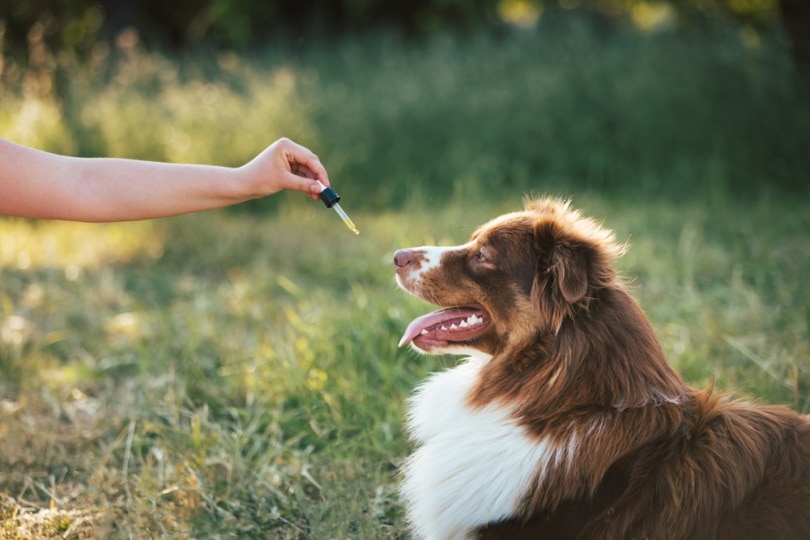
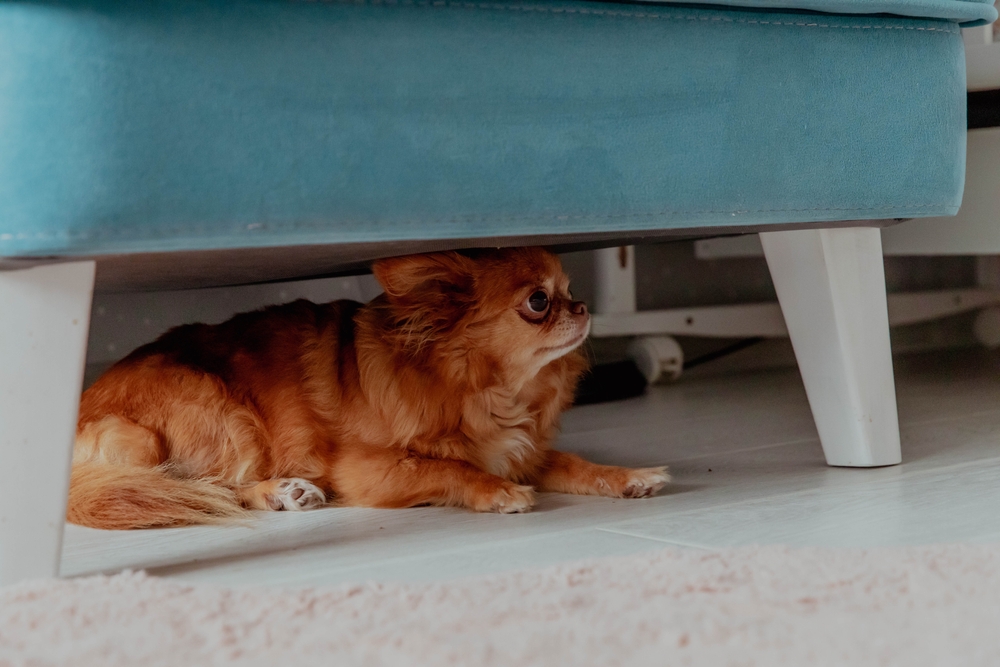
Melatonin is a hormone that naturally occurs in the body and is thought to help regulate sleep patterns. Melatonin supplements can help humans get a better night’s sleep, and they have also been shown to treat issues like separation anxiety and stress in dogs. Melatonin has sedative properties, so it can help your dog get a good night’s sleep, too. So, yes, melatonin can be a safe supplement to administer to dogs. Here is what you should know about the supplement and how to use it when giving it to your canine companion.

Reasons to Give Melatonin to Your Dog
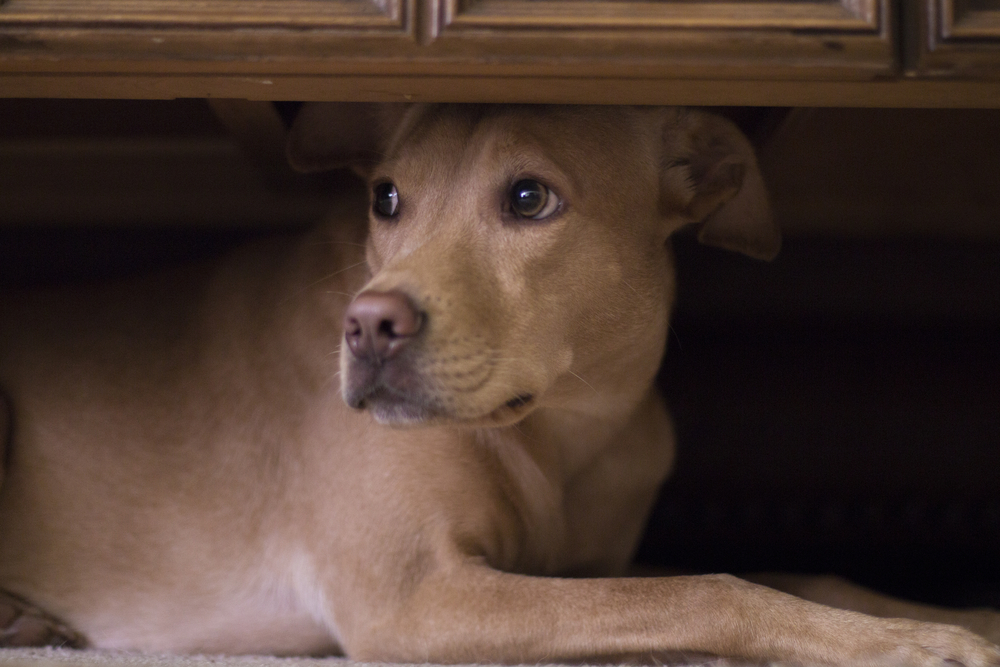
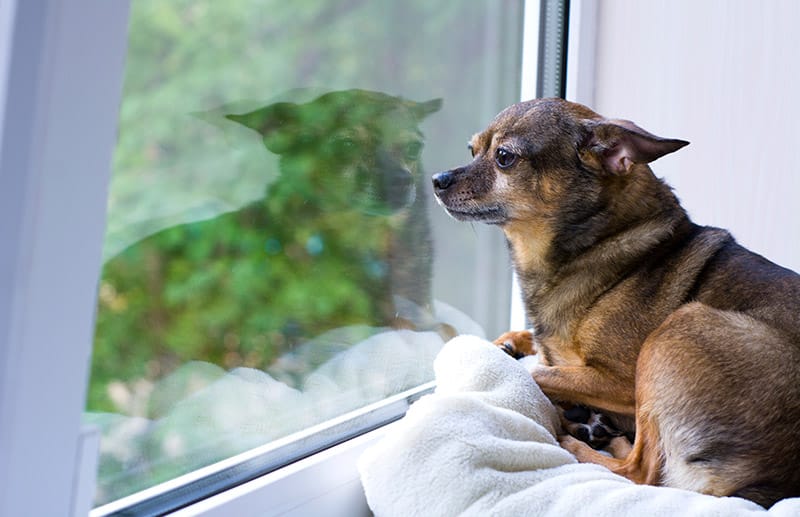
Separation and noise anxiety are two extremely common reasons that veterinarians recommend melatonin supplements for dogs. According to the American Kennel Club,1 melatonin supplementation can also be utilized for problems such as cognitive dysfunctions, blindness, and even seasonal alopecia. Some dogs benefit from occasional use, like during a holiday when fireworks are set off. Other dogs benefit from daily use to help with cognitive problems or sleep disruptions.
Side Effects of Melatonin Supplementation in Dogs
Fortunately, there are no serious side effects to worry about when administering melatonin supplements to your dog. Any that do occur are rare and typically short-lived. The most common side effect is drowsiness, which should be expected. Melatonin might interact with other medications your dog is taking, so always check with your vet before giving it to your dog.
Some dogs may also develop an upset stomach, a bit of confusion, or an increased heart rate after taking melatonin—all of which are temporary. However, it is important to note that melatonin supplements have not been approved by the FDA for use in animals, and research is limited when it comes to the effects of melatonin in dogs. Still, most veterinarians consider the supplement to be a safe treatment option for most canines.

Melatonin Dosage for Dogs
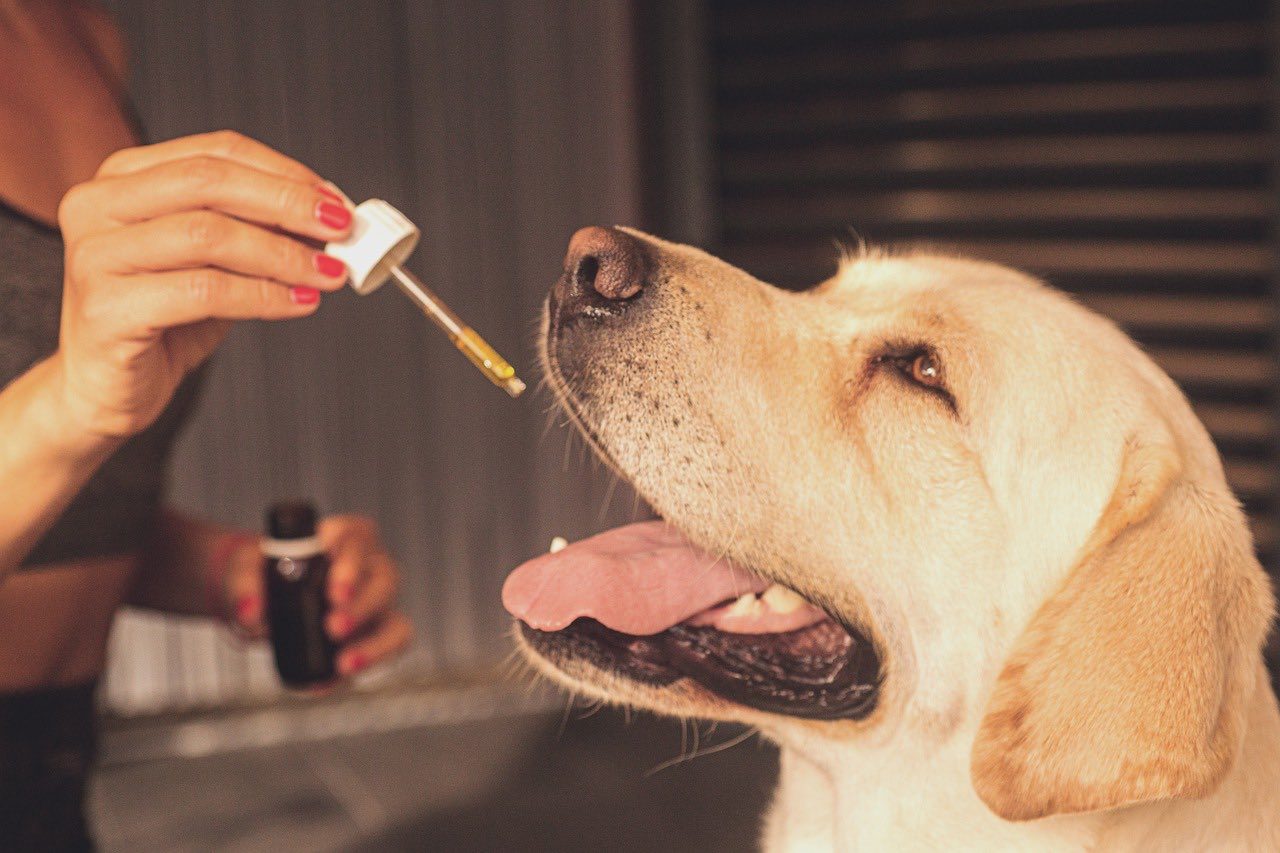
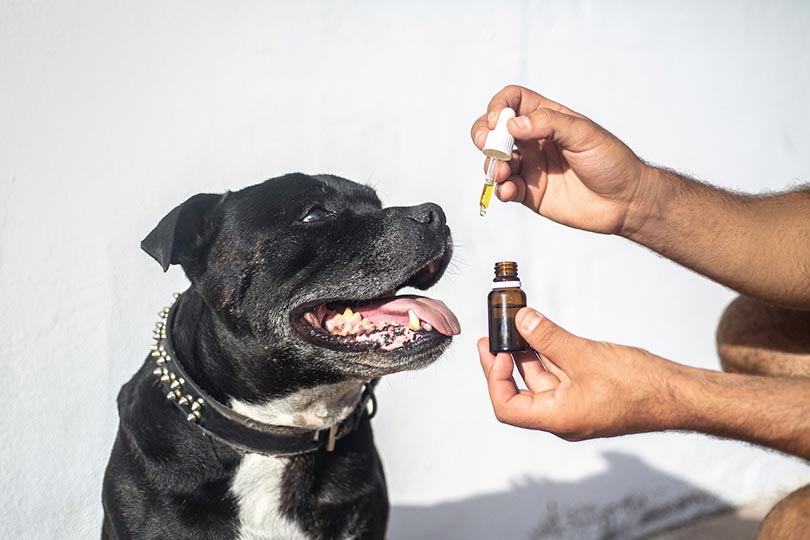
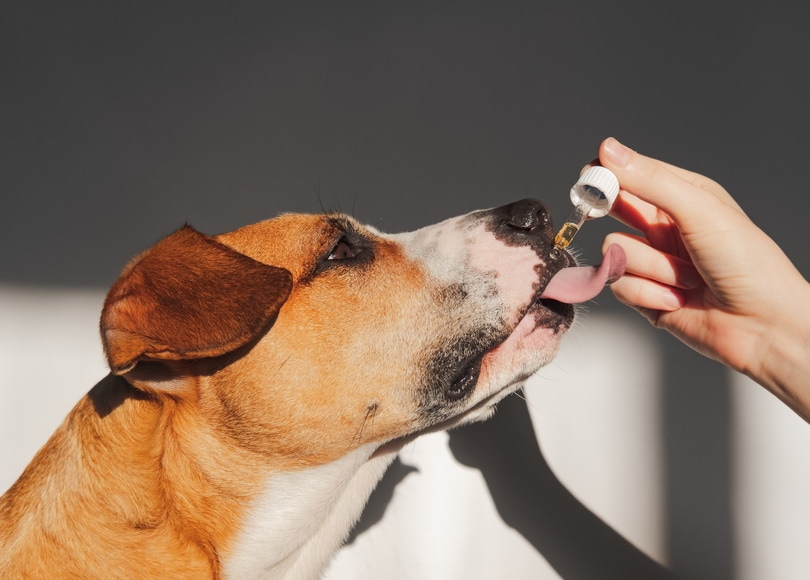
Melatonin comes in various forms and dosages. There are pills, gummies, and liquid supplements available that are designed just for dogs. You’ll need to figure out what form your dog likes and then determine their dosage based on the reason for the treatment.
Most dogs do well with between 1 and 6 milligrams of melatonin every 24 hours, but it's best not to guess. Your veterinarian can recommend a dosage based on your dog's history, health, and the reasons for treatment in the first place. They can also recommend a schedule to follow at home.
Too much melatonin can lead to problems like itchiness, diarrhea, high blood pressure, and even seizures. Therefore, follow your vet’s recommended dosage and administration schedule. Melatonin supplements come in over-the-counter and prescription versions. Your vet may prescribe a product or allow you to choose a commercial one.
Before giving any new medication to your dog, we recommend you consult a veterinarian for the best advice on which would be the best treatment for your pup.
Final Thoughts
Dogs can benefit from melatonin supplementation in various ways. The type and amount of melatonin that any dog receives should be based on their actual need, not a “guesstimate,” so it’s important to work with your veterinarian before you administer any supplements to your dog.
Featured Image Credit: LightField Studios, Shutterstock
Expert dog care, straight to your inbox
Vet-reviewed advice, training tips, and the best of Dogster. Free, and you can unsubscribe anytime.
By signing up, you agree to our Terms & Conditions and Privacy & Cookies Policy.
Rachael has been a freelance writer since 2000. In this time she has had an opportunity to research and write about many different topics while working to master the art of fusing high-quality content with effective content marketing strategies. She is an artist at heart and loves to read, paint, and make jewelry. As a vegan, Rachael is obsessed with helping animals in need, both in her community and anywhere in the world where she feels she can make a difference. Animals also happen to be her favorite topic to write about! She lives off the grid in Hawaii with her husband, her garden, and her rescue animals including 5 dogs, a cat, a goat, and flock of chickens.
Join the conversation
Ask a question, share your story, or send private feedback.