Valerian Root for Dogs: Info, Usage & FAQ (Vet Answer)

In this article
Valerian root is often used by humans as a supplement and although there is little to no evidence in the scientific literature to confirm its effects, it is supposed to help with insomnia, anxiety, depression, headaches, and many other things.
In dogs, it also has no scientific evidence or medical studies confirming its effects. Anecdotally, though, it may help dogs with anxiety and can help calm them in stressful situations. Read on below to find out more about Valerian root, and if it can work for your dog.

What Is Valerian Root?
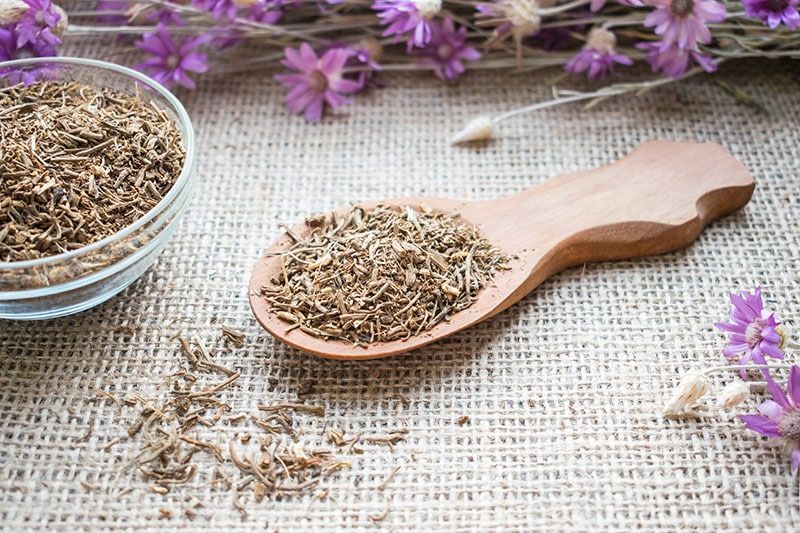
Valerian root is not a drug or medication. It is a botanical supplement—a herb that might help dogs with their anxiety or stress. It can also be referred to as a nutraceutical; a consumable food item that might have medical benefits.
Medications are thoroughly tested to determine their exact effects. And the FDA—or another country’s drug agency—tightly regulates the contents of each drop of medicine. Every pill must contain the exact same amount of ingredients and must have the same effect. The FDA, therefore, does not monitor nutraceuticals.
As a result, there is no way to guarantee the effectiveness of Valerian root formulas, and there is no way to guarantee the concentrations, which is vital for dosing and knowing how much of the nutraceutical your dog is getting.

How Is Valerian Root Given?
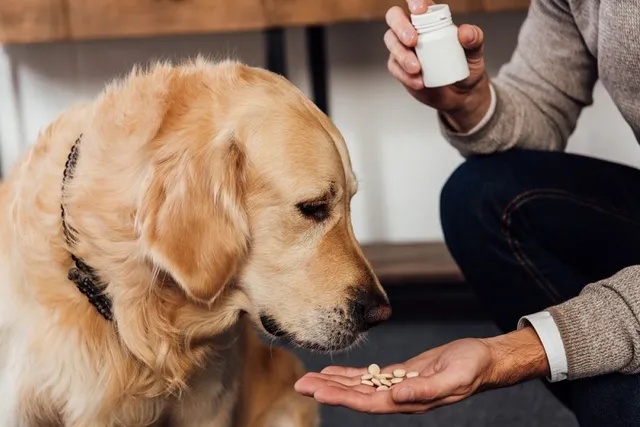
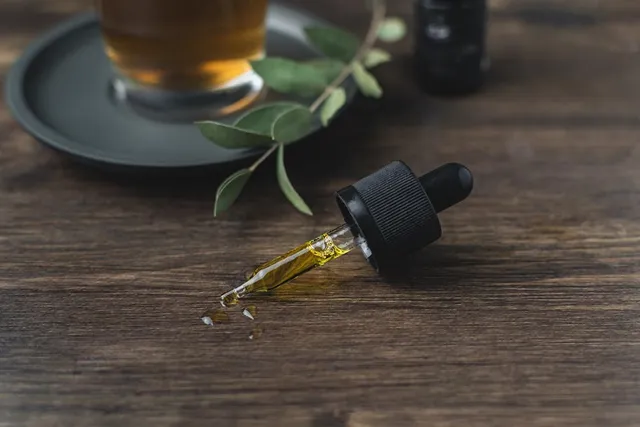
There are many formulations of Valerian root for dogs and humans. These products can contain just Valerian root or can be combined with other herbs and supplements. Dosing therefore depends on the particular supplement you’re giving your dog. No matter the formulation, it’s important to start slow and small and monitor carefully how it's affecting your dogs before moving forward.
Be extra cautious with the human formulations of this supplement. There can be ingredients in human nutraceuticals and medications that can be toxic to dogs. Without knowing the ingredients of a human formula, I cannot recommend administering it. You will be safer giving a product specifically designed for dogs. If you ever need an advice on which products are safe for your dog, don't hesitate to contact a vet.

What Happens If You Miss a Dose?
As with almost all medication—if you miss a dose do not double up on the next dose. Just skip that dose and give the next one at the scheduled time.
No one knows how long Valerian root stays in the system. Medications are measured so that the exact amount of time they are in the body is calculated. Nutraceuticals do not usually have this information. Valerian root could stay in the body for 24 hours or 2—no one really knows. It’s best to not risk giving your dog too much by adding doses when you forget one.
Potential Side Effects of Valerian Root
Valerian root does not seem to have any major side effects. However, if your dog accidentally eats Valerian root designed for human consumption, remember to check the toxicity of the other ingredients in the bottle.
I have also seen dogs that have sensitive tummies that do not tolerate certain nutraceuticals and get sick from the supplements they were given. So, be extra careful if your dog has food sensitivities. Also, be extra cautious if your dog is on medications that affect the central nervous system, such as seizure or other anxiety medications.

Frequently Asked Questions
How Does Valerian Root Reduce Anxiety?
In humans, Valerian Root is supposed to impact the brain by increasing a biochemical called GABA. However, it is not known if it impacts dogs in the same way.
Medications can impact dogs and humans in the same way but also very differently, depending. There are many medications that affect humans and dogs differently, for example, Acetaminophen/Tylenol is helpful in humans but toxic to dogs. However, some affect both dogs and humans similarly, i.e. methadone.
Without evidence, be cautious about extrapolating the results of human supplements to dogs.
How Much Valerian Root Should I Give—What's the Dose?
Valerian Root might be able to help your dog with their anxiety but without knowing the concentration of a formula it is impossible to give dosing information. Plus, there are no dosing studies, so the amount that has an effect is not known.
Human supplements and even human medications are dosed for humans, who come in relatively the same size. Dosing is not as vital in human medicine because there is not such a wide range of weights. But in dog medicine, even the safest drugs can have catastrophic consequences if the wrong dose is given. Dogs come in all sizes, ranging from 2 pounds to 170 pounds. So, be extra cautious extrapolating dosing to dogs.
An effective medical dose needs to do two main things:
Start with the lowest dose recommended by the canine manufacturer and work your way up if necessary. Do not start with the highest dose and work your way down.

What If My Dog Ate My Valerian Root?
If your dog ingests too much Valerian root and you are worried about your pooch overdosing, the good news is there are probably very few major side effects to be concerned about.
Some possible side effects may include:
In Conclusion
As a vet, I have found that when something has a long list of potential problem-solving abilities, that often means it is unclear what good it actually does.
Being skeptical of medication and drugs is a good thing—it is how science remains effective. However, being skeptical does not mean being dismissive. Dismissing the evidence of medications because of biases and incentive-driven studies is a confirmation bias itself.
The problem with Valerian root comes from trying to apply traditional herbal medicine to modern-day evidence-based standards. Remember; natural does not always mean better—or safer. If you are concerned about your dog's anxiety, I recommend discussing it with a vet first. I also recommend finding a dog trainer or behaviorist who can help your dog with its behavior.
Valerian root might have an effect, or it might not. In any case, a formula made specifically for dogs will be safer than human formulas. But the concentration of the ingredients and their effectiveness unfortunately cannot be guaranteed.
Featured Image Credit: Iryna Imago, Shutterstock
Expert dog care, straight to your inbox
News, insights, expert advice, and everything dog.

No spam — unsubscribe anytime.
By signing up, you agree to our Terms & Conditions and Privacy & Cookies Policy.
How useful was this post?
Click a star to rate. You can leave written feedback afterwards. (We read all feedback.)
Dr. Chantal Villeneuve MS BVetMed (Veterinarian)
Dr. Chantal is passionate about the human-dog bond and improving animals' lives through their connections with their human companions. She has worked with almost every species, dogs, cats, rabbits, guinea pigs, birds, reptiles, amphibians, and even horses and mice - all are welcome. She is excited to use her writing to spread the things she has learned to help people connect with their dogs.