Can Dogs Get Styes? Vet-Reviewed Signs, Causes & Treatment

In this article
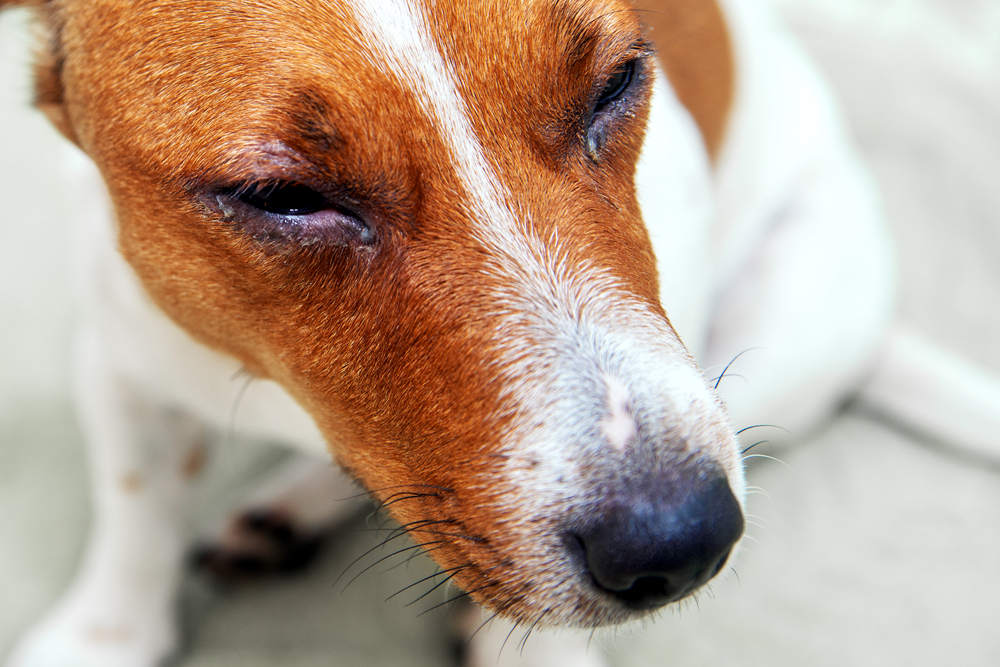
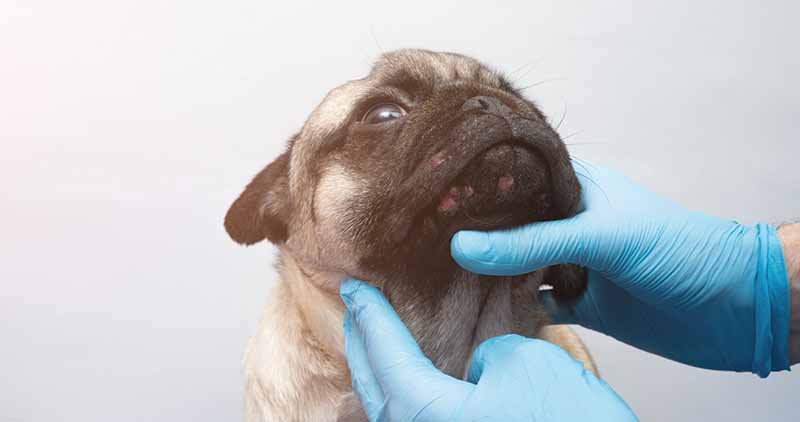
If you have ever had a stye, you know just how painful it can be. If your dog is showing eye irritation with an all-too-familiar appearance, you might wonder—can dogs get styes?
In short, yes, dogs can get styes just like humans can. In this article, we are going to explore what a stye is and how you can help your dog heal.

What Is a Stye?

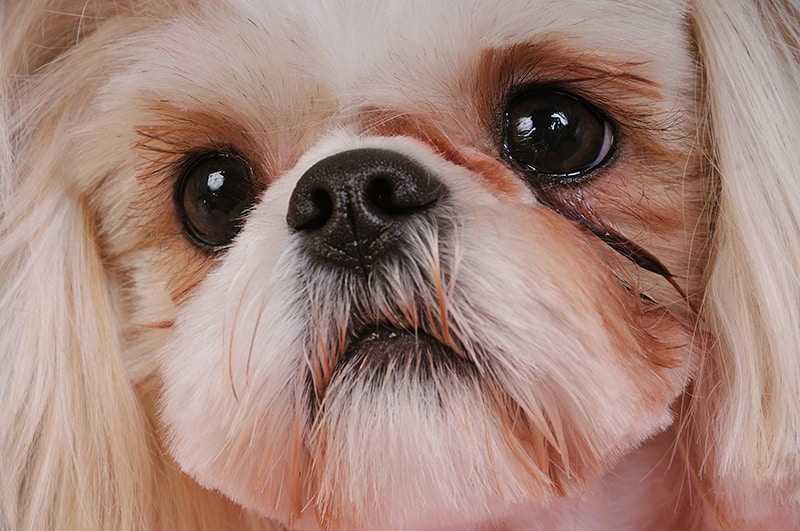
A stye, also known as a hordeolum, is a tender, swollen bump that develops on the edge of the eyelid. If you have ever had one, you certainly know, as these bumps are very painful. It occurs when a gland or follicle in the eyelid becomes clogged and infected with bacteria.
Dogs Can Get Styes
Dogs, just like humans, can get styes—and yes, they probably hurt just as bad! So, if you have noticed a spot on your dog’s eyelid that looks a little familiar and you think it might be a stye—you might be right, but there are some other diagnoses to consider.

Causes of Styes
If your dog has a stye, it was likely caused by a clogged gland, which developed into bacterial overgrowth and then developed an infection.
Signs of Styes in Dogs

Signs of styes in the eyes are non-specific and can be caused by other problems.
They include:
Seek veterinary advice if you’re concerned about your pet’s well-being.
Treatment for Styes
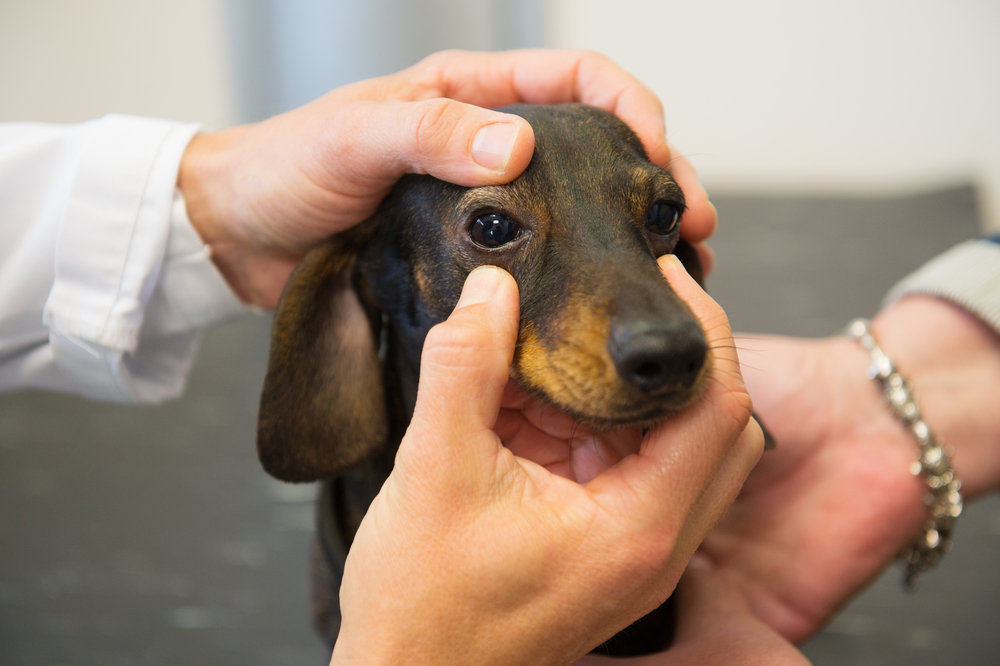
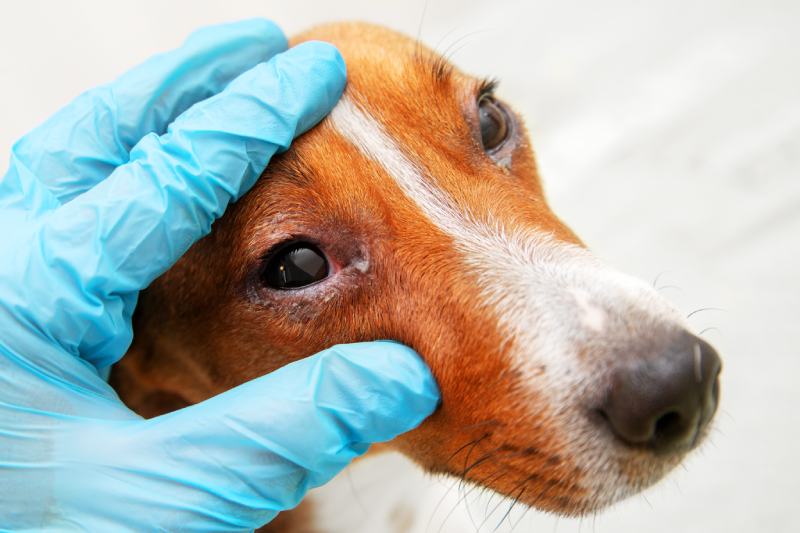
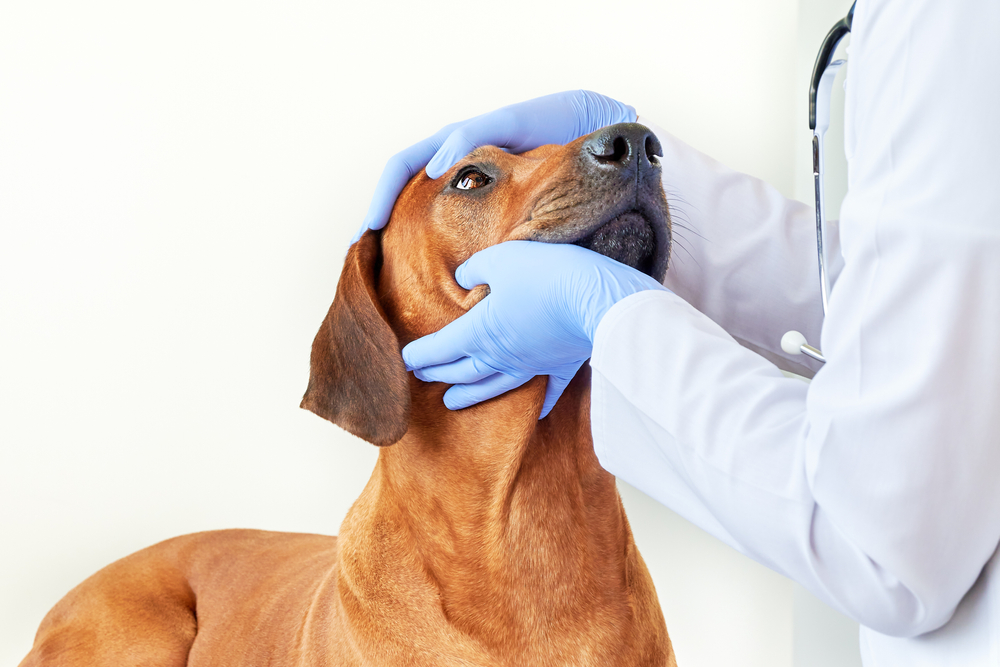
If you think your dog has a stye, you should visit a vet to confirm the diagnosis. Your vet might prescribe an antibiotic or other ophthalmic medication to resolve the infection. Surgery could be needed in a few cases if the issue doesn't respond to medication or is more severe.
Can You Prevent Future Styes?
Proper hygiene and frequent eye wipe-downs can help prevent styes. If you have a dog that gets frequent styes, start making it a point to keep their eyes clean and clear. Sometimes allergies or other eye problems can predispose your dog to developing styes so talk to your vet about any underlying issues and make a plan to keep these under control.

When to Seek Vet Care
If you think your dog has a stye, you should plan to visit a vet within a few days. If your dog is in pain, rubbing their face, or can’t see properly this warrants an urgent vet visit. Sometimes, it isn’t a stye at all but rather a similar eye issue that is easy to mistake. Below are some of the most easily confusable issues that might mimic a stye.
Eyelid Tumors
Eyelid tumors are fairly common in dogs and are usually benign. However, they can lead to clogged eyelid glands or eye irritation as they become larger. They can be surgically removed by your vet to prevent any further issues. Some people think their dog has a stye when in fact they have an eyelid tumor causing the issue.
Cherry Eye

Cherry eye occurs with the prolapse of the gland of the third eyelid, making the tissues inflame and look like a red lump in the inner corner of the eye. It can vary in size and might even require surgery to treat. Cherry eye is a very common issue, especially among certain breeds such as Neapolitan Mastiffs, English Bulldogs, and American Cocker Spaniels. While it might look stye-ish in appearance, cherry eye can get much larger.
Conjunctivitis
Conjunctivitis is the inflammation of the mucosa around the eye, a fancy way of saying pink eye. If you have ever had pink eye, you know how itchy, painful, and frustrating it can be. Like a stye, it can create a red, swollen appearance of parts of the eyelid, usually secondary to scratching.
Usually, it also causes ocular discharge. You might also notice that a dog with conjunctivitis blinks more than usual due to the uncomfortable, gritty feeling.
It can be caused by a variety of factors, including allergies, irritants, and viral or bacterial infections.
Entropion
Entropion is a painful eye condition that occurs when the eyelid turns inward. Upon first glance, it might seem like your dog has an inflammatory issue like a stye or pink eye, but upon closer examination, your vet will be able to tell the difference.
Entropion happens when the eyelid causes the eyelashes to rub on the surface of the eye, causing major irritation and sensitivity. Other signs of entropion can include squinting, eye discharge, light sensitivity, and facial rubbing.
This particular issue has been tied to certain breeds, such as Boxers, Bulldogs, Shar Peis, or Pugs—but any dog can be affected.
If untreated, entropion can lead to permanent eye damage. Typically, it will require surgery, where the vet removes a small section of skin from the affected eyelid to correct the eyelid position.

Conclusion
If your dog has a stye, you will need a veterinary opinion for diagnosis and treatment. To be on the safe side, have your vet look over your dog’s eye within a few days, or sooner if your dog appears to be uncomfortable. Once resolved, remember to keep the area clean and look for signs of recurrence. While it is a manageable issue, it might be triggered by underlying eye problems or allergies.
Sources
Featured Image Credit: Zontica, Shutterstock
Expert dog care, straight to your inbox
Vet-reviewed advice, training tips, and the best of Dogster. Free, and you can unsubscribe anytime.
By signing up, you agree to our Terms & Conditions and Privacy & Cookies Policy.
Ashley Bates is a freelance dog writer and pet enthusiast who is currently studying the art of animal therapy. A mother to four human children— and 23 furry and feathery kids, too – Ashley volunteers at local shelters, advocates for animal well-being, and rescues every creature in need. Her mission is to create awareness, education, and entertainment about pets to prevent homelessness. Her specialties are dogs and cats.
Join the conversation
Ask a question, share your story, or send private feedback.