Can Dogs Get the Flu Like Humans? Vet-Approved Facts & FAQ



In this article
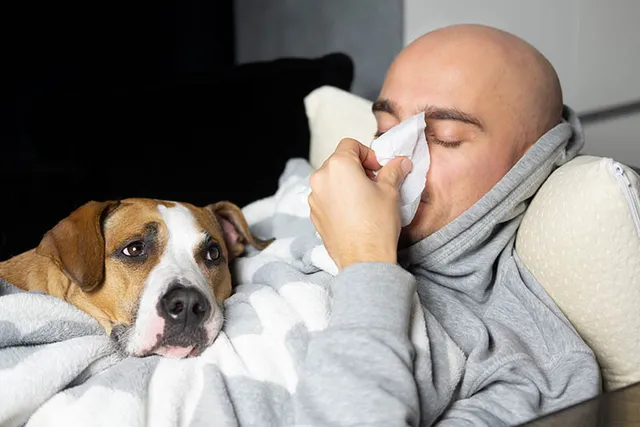
As flu season approaches, most of us are familiar with the unpleasant symptoms that come with it – fever, cough, sore throat, and body aches, to name a few. But have you ever wondered if your furry friend can catch the flu like you do? In this article, we'll dive deep into the world of canine influenza to answer whether dogs can get the flu like humans. Dogs cannot catch the flu from humans; however, they can contract their own version of the flu, canine influenza.

Can Dogs Contract Human Flu?
First, let's understand the difference between human and canine influenza viruses. While both humans and dogs can suffer from the flu, they are caused by different types of viruses. Human flu is caused mainly by the influenza A and B viruses, whereas canine influenza is caused by specific strains of the influenza A virus, such as H3N8 and H3N2.
According to research and veterinary experts, dogs are not susceptible to contracting human flu. The Centers for Disease Control and Prevention (CDC) states that there is no evidence to suggest that dogs can become infected with human influenza viruses. However, it's essential to note that dogs have their own version of the flu, known as canine influenza.
An investigation conducted in 2004 found that racing greyhounds in Florida were affected by a new strain influenza virus, H3N8. This virus was initially an equine flu virus, which jumped species from horses to dogs. Another strain, H3N2, originated in birds and was found to spread to dogs in 2007 in Asia. In 2015, canine H3N2 virus was first detected in the United States.

Signs of Influenza in Dogs
Canine influenza can present signs and symptoms similar to those experienced by humans, but there are some key differences.
Common signs of canine influenza include:
Severity and Potential Complications
The severity of the signs can vary. Canine influenza can lead to more severe complications such as pneumonia, particularly in older dogs or those with pre-existing health conditions.
Transmission and Risk Factors
Canine influenza is highly contagious and can be transmitted through direct contact, contaminated objects (toys, food bowls, etc.), and especially through respiratory droplets produced by infected dogs during coughing and sneezing.
To minimize the risk of infection, pet owners should:

Treatment Options and Veterinary Consultation
If you suspect your dog may have contracted canine influenza, it's crucial to consult your veterinarian for proper diagnosis and treatment. Treatment may include supportive care to ensure your dog stays hydrated and comfortable, medications to manage symptoms, and antibiotics for secondary bacterial infections if necessary.
Vaccination and Prevention
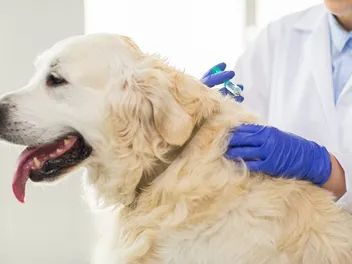
There are available vaccines for H3N8 and H3N2 strains of canine influenza. These vaccines, similar to what occurs in humans, can help reduce the severity of the illness and the duration of clinical signs, but they may not completely prevent infection. Talk to your veterinarian about whether vaccination is appropriate for your dog, considering your dog’s lifestyle and risk factors.
Regular veterinary checkups are essential to monitor your dog's overall health and ensure they are up to date with vaccinations and other preventative measures. A healthy lifestyle that includes proper nutrition and exercise can also help strengthen your dog's immune system and lower the risk of illness.

Dealing with Canine Influenza Outbreaks
If you notice an increase in dogs showing flu-like symptoms in your community, it could be a sign of a canine influenza outbreak. It's essential to report this to local authorities and veterinarians so they can take appropriate measures to contain the spread of the virus.
During an outbreak, take extra precautions to protect your dog from infection. Limit their exposure to other dogs, avoid high-risk areas like dog parks, and consider alternative activities for socialization and exercise, such as leashed walks or indoor playtime.

Frequently Asked Questions
Can cats get canine influenza?
It is not a common scenario, but yes, cats have occasionally been diagnosed with H3N2 influenza virus infection.
How long is the incubation period for canine influenza?
The incubation period for canine influenza is typically 1–8 days, but it can be up to 10 days in some cases.
Can a dog be contagious without showing clinical signs?
Yes, dogs can be contagious during the incubation period before they start displaying signs, which makes it challenging to control the spread of the virus.

How long does canine influenza last in a dog's system?
Most dogs recover from canine influenza within 2–3 weeks. However, some dogs may continue to shed the virus for up to 4 weeks.
Is there a specific season for canine influenza outbreaks?
Canine influenza outbreaks can occur at any time of the year, unlike the human flu, which typically peaks during colder months.
Can humans catch canine influenza?
Currently, there have been no reported cases of humans contracting canine influenza. The virus is considered to be species-specific, primarily affecting dogs.
How is canine influenza diagnosed?
Canine influenza is diagnosed by vets through clinical signs, history, and laboratory tests. These include blood tests to detect antibodies (serology testing) and PCR testing or virus isolation using samples collected from the dog's respiratory tract.
Can my dog get canine influenza more than once?
Yes, a dog can potentially be infected with canine influenza multiple times, especially if exposed to different strains of the virus.

Are certain dog breeds more susceptible to canine influenza?
Canine influenza can affect all dog breeds; however, brachycephalic breeds (short-nosed dogs) like Pugs and Bulldogs may be more prone to complications due to their respiratory anatomy.
How can I boost my dog's immune system to help prevent infections?
The most effective way to protect your dog is to vaccinate them. Providing a high-quality complete and balanced diet, regular exercise, and frequent heath vet visits can help improve your dog's overall health and contribute to strengthening their immune system.
Is there a test to determine if my dog has been exposed to canine influenza in the past?
Yes, a serological test can be performed to detect antibodies against canine influenza in your dog's blood, indicating a previous or a recent exposure.
Can canine influenza cause long-term health issues in dogs?
Most dogs recover fully from canine influenza. However, severe cases or complications like pneumonia can lead to long-term health problems, particularly in dogs with pre-existing conditions.

What should I do if my dog has been in contact with a dog infected with canine influenza?
Monitor your dog closely for signs and contact your veterinarian if you notice any signs of illness. It's also essential to isolate your dog from other dogs to prevent the potential spread of the virus.
How can I disinfect my home after my dog has had canine influenza?
Use a pet-safe disinfectant to clean surfaces, toys, bedding, and food bowls. Wash your hands frequently and launder any fabrics that may have come into contact with your dog.

Conclusion
In summary, dogs cannot get the human flu, as they are not susceptible to human influenza viruses. However, they can contract their own version of the flu, canine influenza, which presents its own set of clinical signs and risks. As a responsible pet owner, it's essential to be aware of these risks and take necessary precautions to protect your furry friend's health. With vaccinations, proper care, and attention, you can help your dog stay happy and healthy throughout flu season and beyond.
Featured Image Credit: Alexander Hagseth, Shutterstock
Expert dog care, straight to your inbox
News, insights, expert advice, and everything dog.

No spam — unsubscribe anytime.
By signing up, you agree to our Terms & Conditions and Privacy & Cookies Policy.
How useful was this post?
Click a star to rate. You can leave written feedback afterwards. (We read all feedback.)
Nicole has loved animals of all sizes her whole life so it's no wonder she has dedicated her career to helping them through what she loves best: learning, writing, and sharing knowledge with others. She’s the proud mom of two dogs, a cat, and a human. With a degree in Education and 15+ years of writing experience, Nicole wants to help pet parents and pets around the planet to live happy, safe, and healthy lives.