Can a Dog Smell Snakes? Canine Facts & FAQ


In this article
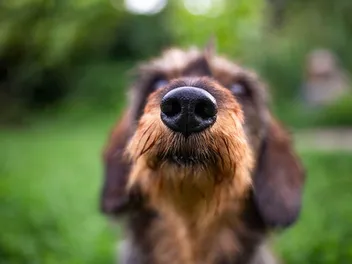
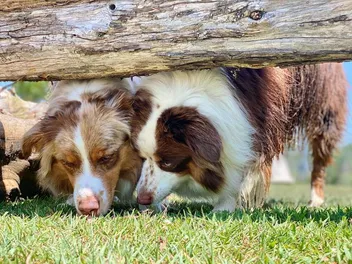
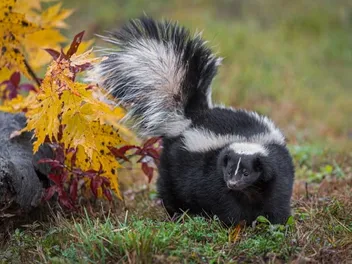
Dogs can smell snakes and other reptiles. They may even be able to distinguish between different reptile species based on scent. Their amazing nose allows them to pick up on places snakes used to be, too. For instance, they can smell snake skins and musk (a defensive mechanism snakes produce to deter predators).
However, that doesn’t mean dogs won’t get bitten. Some dogs may be able to smell a snake, but may have no idea what a snake is. If your dog has never encountered a snake, it’s very possible that they may not know what produces the smell.
Dogs can be curious, too. They may smell the snake and then try to investigate, leading to them being bitten. Therefore, you shouldn’t trust your dog’s nose to keep them away from a snake.

How to Keep Dogs Away From Snakes
There are several ways to keep your dog away from snakes. The most straightforward option is to avoid snakes in the first place. Don’t go places with your dog where snakes may be, such as tall grass, rocks, and ledges. Water snakes often hang out in marshy areas, too. Keep your dog leashed and supervised outside.
Some dogs can be trained to avoid snakes using aversion training. However, this is a specialized process that typically requires professional guidance and the use of species-specific scent cues from snake skins and musk or controlled exposure. Many people do not have access to appropriate training materials or safe conditions to do this correctly. Plus, training is most effective when it uses scent or exposure to the particular species present in your area.
Therefore, many people decide to take an easier path by simply keeping their dogs away from where snakes may be. However, if you’re especially worried about your dog getting bitten, professional snake aversion training may be considered as an additional preventive measure where available.

Signs of Snake Bites in Dogs
In the worst-case scenario, your dog may wander up on a snake despite being able to smell them. They may get bitten. The exact signs of a snake bite will vary depending on the dog and the snake. Some species are venomous and will cause completely different signs than a species that isn’t venomous. Even different venomous snakes cause differing signs.
Here are some signs that are common to many different snakes bites:
If you see any sign of a snake bite, you should see a vet right away. Venomous snake bites can be life-threatening, especially if venom is injected. Therefore, it’s vital to get the proper treatment.
Signs don’t always show up right away. Some clinical signs may be delayed and can develop over several hours, and in some cases up to 24 hours, depending on the species and amount of venom. Sometimes, this delay often confuses dog owners. However, don’t let it keep you from seeing a vet.
Do Snakes Smell Bad to Dogs?
Dogs are not innately programmed to avoid snakes based on scent alone. Therefore, no, snakes do not typically produce an odor that dogs naturally find unpleasant or avoid. Dogs can learn to identify the particular smell of a snake, especially the skin and musk of the snake. However, dogs aren’t born knowing what this smell is and may not reliably avoid it without specific training or prior experience.
In fact, some dogs smell a snake and go after it. They are curious and may wonder what the snake is, only to get bitten. Dogs may not reliably detect or avoid snakes without prior exposure or training. Most dogs rely on movement, curiosity, or prey drive rather than scent-based avoidance when encountering snakes.
Do Snakes Stay Away From Dogs?

It depends on the snake, the dog, and the situation. There is no promise that all snakes will stay away from all dogs all the time. It simply depends.
However, snakes generally try to avoid dogs and other large animals because they may perceive them as potential predators or threats. Snakes are more likely to move away from dogs that are loud, large, or active.
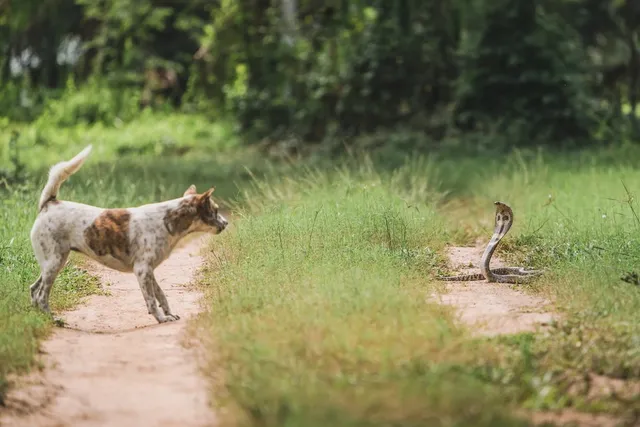
Dogs may be able to detect snakes by their smell or sound and may try to investigate or chase them out of curiosity or hunting instinct. This can put them at risk of being bitten by a venomous snake, especially if they approach the snake head-on or try to grab it with their mouth. Therefore, even if the snake tries to avoid the dog, the dog may go after the snake.
While the loud, predator-like behaviors of a dog can be perceived as threatening to snakes, this scariness may make some snakes feel cornered and threatened. These snakes may bite, even if the dog didn’t know it was there. There are few things more dangerous than a hidden snake, and don’t assume snakes won’t bother you just because you have a dog with you.
What Do Dogs Do When They See a Snake?
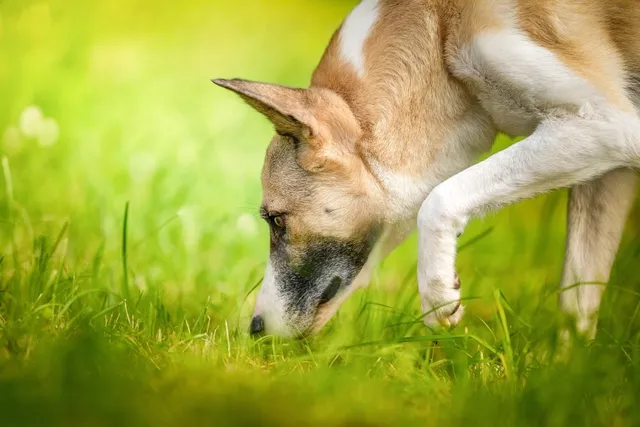
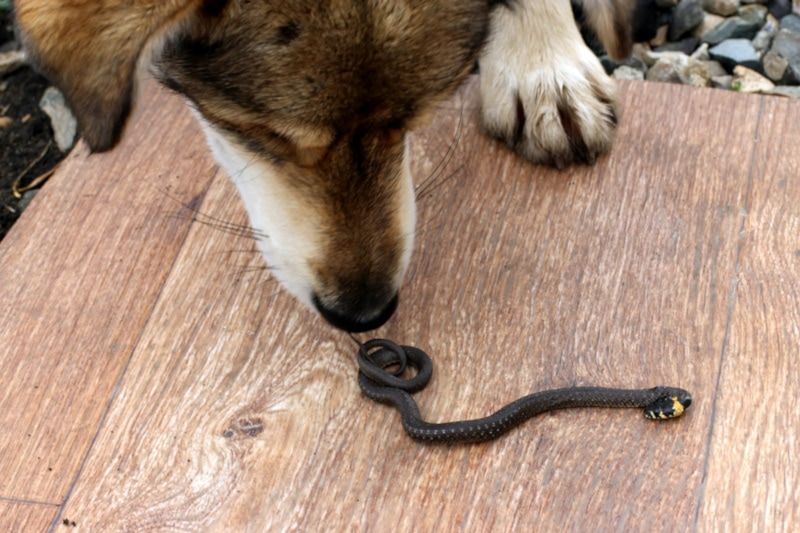
It depends on the dog. If the dog has prior experience or training related to snakes, they may react very differently from a dog that doesn’t. Most curious dogs will sniff the snake, which may lead to the snake biting. They may twitch their snout, point their nose in the air, or sniff the ground intensely.
Most of the time, a sudden change in behavior may indicate that the dog has detected something unusual, including a snake.
Many dogs will bark, which may scare the snake away. They may also bounce or jump to make themselves seem more predatory, which can also be scary for the snake. If the snake turns and leaves, some dogs may chase and attack the snake, which will prompt it to bite. Although this investigative or chase behavior is normal canine behavior, it can increase the risk of envenomation or injury.

Final Thoughts
Dogs can often smell snakes, though it depends on the situation and species. However, even if the dog smells the snake, it doesn’t mean that the dog recognizes it as a danger. In many situations, the dog may be curious and try to sniff the snake, which can result in bites. Therefore, it isn’t a good idea to rely on a dog’s sense of smell to keep them safe from snakes.
It also isn’t a good idea to rely on a dog to keep you safe from snakes. Snakes will not go out of their way to avoid dogs any more than they would a person, and dogs do not always detect or avoid snakes.
See also:
Sources
Featured Image Credit: Inna photographer, Shutterstock
Expert dog care, straight to your inbox
Vet-reviewed advice, training tips, and the best of Dogster. Free, and you can unsubscribe anytime.
By signing up, you agree to our Terms & Conditions and Privacy & Cookies Policy.
Kristin loves to help pet parents create a fulfilling life for their pets by informing them on the latest scientific discoveries and helping them choose the best products for their pets. She currently resides in Tennessee with three cats, four dogs, two fish, and a lizard, though she has dreams of owning chickens one day!
Join the conversation
Ask a question, share your story, or send private feedback.