How Long Do Bullmastiffs Live? Vet Reviewed Average Lifespan, Data & Care Guide


In this article
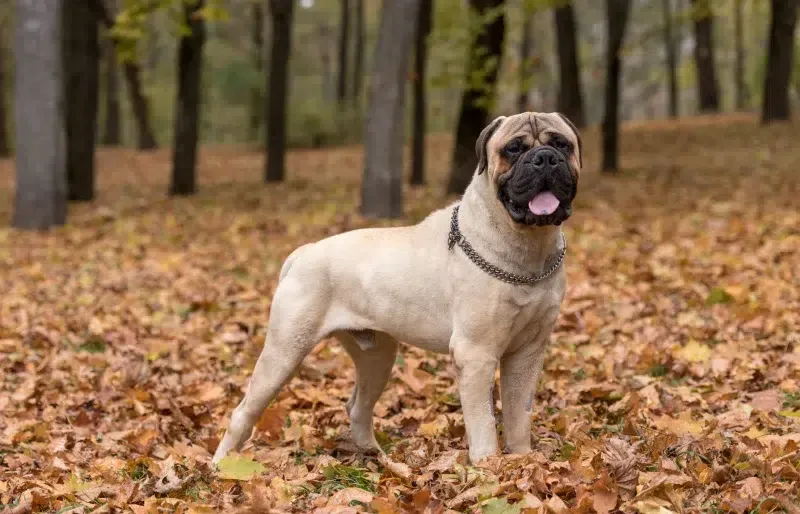
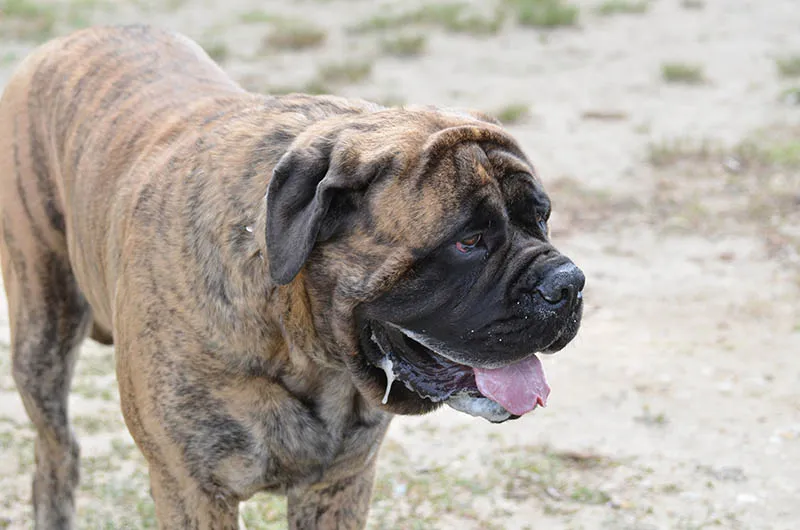
Even though the Bullmastiff is not an unusually large breed compared to its close cousin the Mastiff, the fact that it often weighs between 100 to 130 pounds, while standing at 27 inches high, makes it a large dog.
This breed has been recognized by the American Kennel Club since 1924, but they were originally developed in the 19th century to serve as guard dogs. The English Bulldog and the English Mastiff are the parent breeds, and they get their agility from the Bulldog side of the family, as the Mastiff side is pretty laid back. You can expect a Bullmastiff to live approximately 7-9 years.

What’s the Average Lifespan of a Bullmastiff?
In general, the larger the breed, the shorter the lifespan, and vice versa. According to experts, that massive size is detrimental to their overall health in the long run, as it puts a strain on their physiological processes. That’s why it may not be surprising to learn that the Bullmastiff has an average lifespan of 7 to 9 years.

Why Do Some Bullmastiffs Live Longer Than Others?
Nutrition
Dogs are not so different from humans in the sense that their overall health status is impacted a lot by their diet. They have specific nutritional needs, and those needs can only be met if the food that you’re serving has all the essential nutrients.
However, we’re not implying that you have to fork out thousands of dollars for dog food. “Expensive” doesn’t always translate to “nutritious”. If this is your first time getting a dog, reach out to a reputable breeder or vet for nutritional advice. Like all breeds, a Bullmastiff needs the correct balance of protein, fats, carbohydrates, vitamins, and minerals, plus, importantly, fresh, clean water.
Environment & Conditions
For your Bullmastiff to live a long, happy life, it needs to feel safe and comfortable in your home. Their living quarters also have to be dry at all times, and draught-free. They were not bred to live in any cold or damp conditions, and that’s why they are often adversely affected by harsh weather conditions.
Like most dogs, the Bullmastiff is particularly prone to heat stress. If the heat is too much for their bodies to handle, their heart rates will go up, triggering other health issues.

Housing
To guarantee comfort, you have to ensure their living quarters have more than adequate space. Then again, that doesn’t mean that people who live in small apartments can’t get a Bullmastiff or that their lifespan will drastically reduce if they don’t live in a large enough home. As long as your Bullmastiff gets out often (every day) for exercise, you have nothing to worry about.
All in all, however, Bullmastiffs that live in large homes tend to be happier than those living in small quarters as they will feel less confined.
Sex
There have been studies that have confirmed that female animals generally live longer than their male counterparts1.
However, the same observation is not necessarily true when it comes to the Bullmastiff. Of course, they are still affected by sex-specific illnesses as expected, but nothing out of the ordinary. And, if you neuter or spay your dog early on, you’ll successfully manage to mitigate many of those risks.

Genetics
There’s no denying that genetics will play a vital role in determining a dog’s overall health in the future. If one or both parents were grappling with hereditary conditions at some point in their lives, there’s a chance that the pups will develop the same conditions down the road.
Healthcare
Taking your Bullmastiff to the vet regularly for checkups is important, as this will help you catch any non-deadly disease that has the potential of snowballing into something terminal. During their physical exam, the vet will examine their eyes, ears, mouth, chest, abdomen, and even neck.
They’ll be looking for signs of fungal infection, heart abnormalities, swollen lymph nodes, cancer, undiagnosed diabetes, or glaucoma.

The 4 Life Stages of Bullmastiffs
- Puppies: These months are often defined by rapid growth and development. You’ll love them at this stage because they’ll do everything within their power to please you. Fortunately, they also love sleeping a lot!
- Adolescents: This period usually starts in the 6th month for most dogs, but in the case of the Bullmastiff, it’s more around the 12th month after birth when they’ll be going through some crucial hormonal changes. They’ll stay here until they turn 18 to 24 months old.
- Adult: Any Bullmastiff older than 2 years is considered an adult. It’s at this stage that you get to know their true personalities, preferred diet, and everything else that sets them apart from other dogs.
- Senior: In the 6th year, they’ll start showing signs of aging. The signs might be delayed, seeing as several factors are normally at play, but by the 8th year, you’ll for sure know your dog has finally gotten to its sunset years. There will be a rapid drop in their energy levels, and they might develop some health conditions.
How to Tell Your Bullmastiff’s Age
One of the ways to know how old a Bullmastiff is is by examining their teeth, which tend to show some yellowing and wear as they get older. You can also look for signs of graying in their coat, as they are known to start graying in the 4th or 5th year, especially around their muzzle. Older dogs may also have cloudy eyes. This is caused by lenticular sclerosis, a common process that occurs with the aging of the lenses in your dog’s eyes.
That said, the best and most accurate way of telling your dog’s age is with a DNA test. This is pricey, but if you want to know your dog’s age with a high level of accuracy, this is the best method.

Summing Up
The Bullmastiff has an average lifespan of 7 to 9 years, but there are cases where some have lived to celebrate their 12th birthday. Notable factors that influence their life expectancy include nutrition, environmental conditions, housing, genetics, breeding history, and healthcare.
See Also:
Sources
Featured Image Credit: photosounds, Shutterstock
Expert dog care, straight to your inbox
News, insights, expert advice, and everything dog.

No spam — unsubscribe anytime.
By signing up, you agree to our Terms & Conditions and Privacy & Cookies Policy.
How useful was this post?
Click a star to rate. You can leave written feedback afterwards. (We read all feedback.)
Nicole has loved animals of all sizes her whole life so it's no wonder she has dedicated her career to helping them through what she loves best: learning, writing, and sharing knowledge with others. She’s the proud mom of two dogs, a cat, and a human. With a degree in Education and 15+ years of writing experience, Nicole wants to help pet parents and pets around the planet to live happy, safe, and healthy lives.