How Much Does a Bullmastiff Shed? Vet-Verified Facts & FAQ


In this article
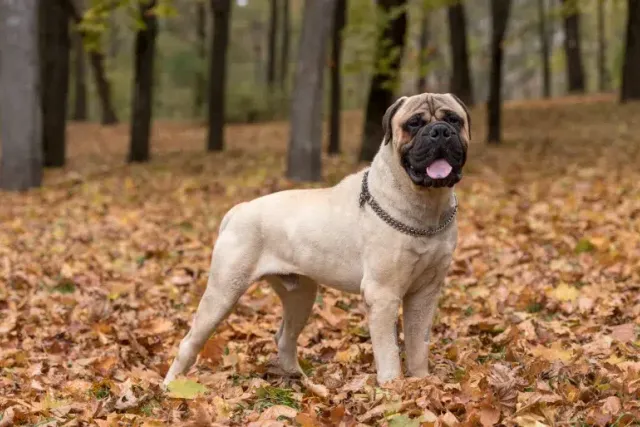
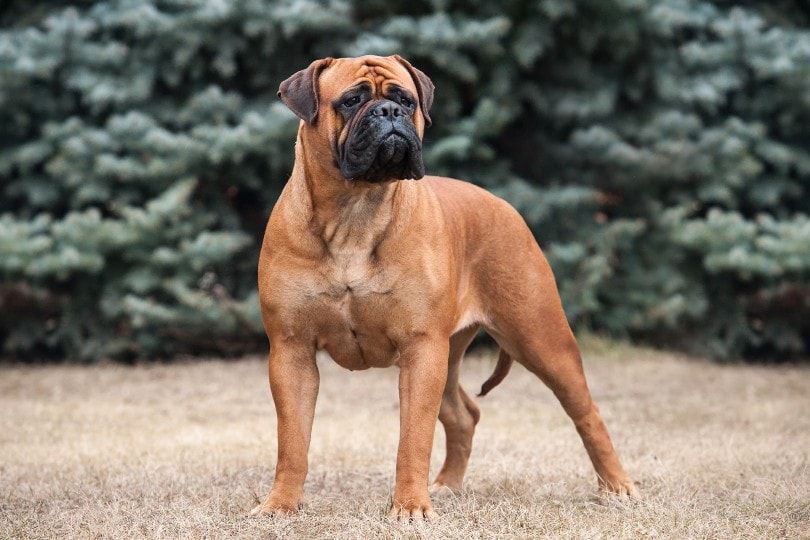
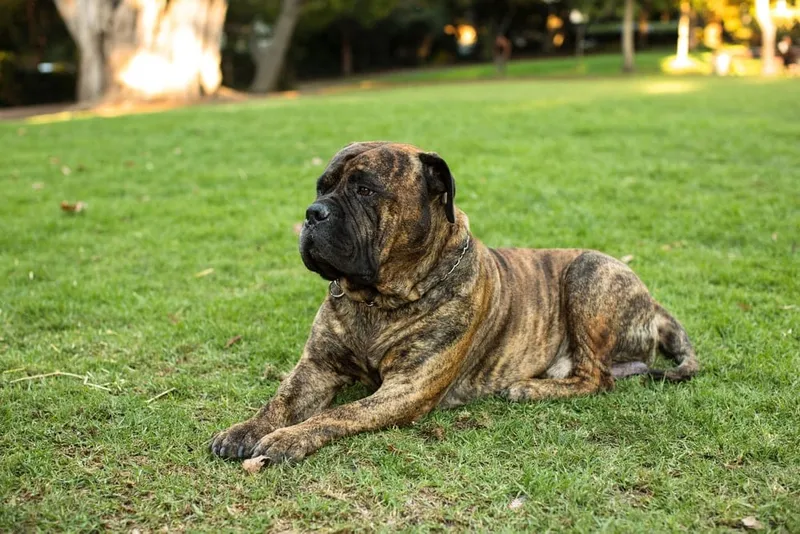
Do you plan to bring a Bullmastiff home? If yes, you’re probably making the right choice! A Bullmastiff is an independent and courageous breed that’s affectionate and protective at the same time.
One great quality of Bullmastiffs is that they have relatively low grooming requirements. Bullmastiffs don’t shed too much and are considered moderate shedders. Shedding occurs year-round, although it may be less noticeable at certain times, and in autumn and spring, you may have more hair floating around the house.
A Bullmastiff has more hair than a small dog. However, the coat is convenient to maintain with simple brushing. If you are worried about your pet’s shedding levels, keep reading!

Does a Bullmastiff Shed?
A Bullmastiff results from mating between two dogs, a Bulldog and a Mastiff. This dog has all the qualities you look for in a pet. They are great protectors, have strong, muscular bodies, and have relatively low grooming requirements.
Like other dogs, a Bullmastiff also sheds, but it isn’t nearly as much as some breeds. Although they have a lot of hair, you won’t find your pet's fur in every corner of your house. In fact, a simple vacuuming session once or twice a week can generally help you get rid of all the fur.
You will always find a Bullmastiff as a loyal friend with relatively simple grooming needs!
How Much Does a Bullmastiff Shed?
A Bullmastiff sheds moderately. You may see more fur in your house in spring and autumn than in other months. But that is still less than the mess most other dogs create.
Seasonal shedding is quite normal with dogs. It is influenced by changes in daylight and temperature, which affect the hair growth cycle, allowing dogs to replace older hair with new growth.
A Bullmastiff doesn’t shed a lot. So, if you find yours shedding excessively, consult a specialist or vet without wasting much time. Excessive shedding can sometimes indicate underlying issues such as skin disease, parasites, stress, or nutritional imbalances, and should be evaluated.
When Does a Bullmastiff Start Shedding Excessively?
Excessive shedding is a nuisance and must be managed quickly before it worsens. For some breeds, excessive shedding is a normal seasonal pattern or breed characteristic. But, in the case of a Bullmastiff, this situation may be concerning depending on the severity and duration.
That’s because this behavior often indicates environmental or health issues. Your Bullmastiff may shed excessively due to fungal and bacterial infections, parasites, hormonal disorders such as hypothyroidism, food allergies, nutritional imbalances, stress, or sunburn.
Can Brushing Help Reduce Shedding?
It can, but only when shedding isn’t uncontrollable, and your Bullmastiff has no underlying health problem. Your pet’s dense and short coat is easy to maintain when the shedding is slightly above average.
Consistent brushing helps to decrease shedding by removing loose hair and helping to distribute natural skin oils along the coat. As a result, the patches with dry hair and skin may improve, reducing hair fall to some extent.
In addition, when you brush your dog’s coat, you remove the accumulated loose hair on the body. Before these hairs fall on your floors, sofas, and couches, you catch them in your brush, saving the time spent on vacuuming and cleaning.
Ensure to equip yourself with the best tool before brushing your furry friend. A bristle brush works wonders for a Bullmastiff’s hair. You can also get a rubber hand glove if your Bullmastiff has a short coat.
Alternatively, you can also use a shedding blade with caution to avoid skin irritation for your desired results. It is wise to brush your dog several times per week.

Other Ways to Reduce Shedding in Your Bullmastiff
Besides brushing, there are other ways or tips to keep your Bullmastiff from shedding aggressively.
Monthly Baths
If you want to reduce shedding, bathe your dog about every 4–6 weeks, or as needed based on coat condition and lifestyle. It’s recommended to use lukewarm water to help loosen hair. For your pup’s safety, invest in a high-quality dog shampoo and conditioner.
Never use harsh or inappropriate products (such as human shampoos), as they can disrupt your pet’s skin barrier and coat health. Also, always brush your dog’s coat after removing them from the tub.
Our Favorite Pet Products
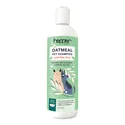
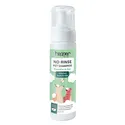
If you're looking for an effective yet gentle set of products, here are a few of our favorites. Hepper aims to eliminate odors at the source and get your pup smelling fresh the first time. Their versatile line is all-natural, lightly scented, and geared towards both cats and dogs, perfect for multi-pet homes. Hepper's range will help manage smells on your pet, in your home, and while you're on the go.
| Rating | Image | Product | Details | |
|---|---|---|---|---|
For Deep Cleans
 |
|
Hepper Oatmeal Pet Shampoo |
|
Check Price |
For Quick Cleans
 |
|
Hepper Waterless No Rinse Pet Shampoo |
|
Check Price |
For On-the-Go
 |

|
Hepper Wash Wipes |
|
Check Price |
At Dogster, we’ve admired Hepper for many years, and decided to take a controlling ownership interest so that we could benefit from the outstanding products of this cool pet company!
Feed a Nutritious Diet
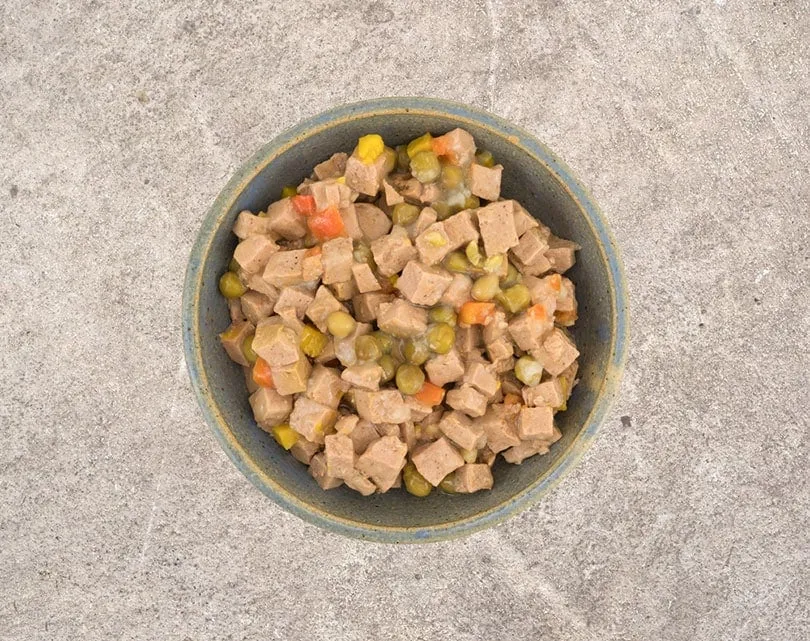
Shedding can be influenced by skin and coat health, which depends in part on adequate intake of omega-3 and omega-6 fatty acids. To support this, always choose a complete and balanced dog food that includes these essential nutrients.
Omega-3 fatty acids (such as those from fish oil) help support skin health and may reduce inflammation, while omega-6 fatty acids contribute to maintaining a healthy coat. Lastly, ensure that your Bullmastiff always has access to fresh, clean water to stay hydrated and support normal skin function.
Consult a Vet
If nothing above works, consult a vet as soon as possible. Your Bullmastiff may be experiencing an allergic reaction or another underlying condition.
In Conclusion
One of the best things about bringing a Bullmastiff home is that this dog sheds moderately. This means that they are less likely to need frequent cleaning compared to heavy-shedding breeds.
However, excessive shedding can occur due to multiple factors, including skin disease, parasites, allergies, stress, or nutritional imbalances. In that case, consult a vet while practicing the tips mentioned above.
Related Reads:
Sources
Featured Image Credit: BORINA OLGA, Shutterstock
Expert dog care, straight to your inbox
News, insights, expert advice, and everything dog.

No spam — unsubscribe anytime.
By signing up, you agree to our Terms & Conditions and Privacy & Cookies Policy.
How useful was this post?
Click a star to rate. You can leave written feedback afterwards. (We read all feedback.)
Jeff is a data privacy tech professional who spends his evenings writing and practicing photography. He's been a software team lead at various Fortune 100 startups for 20 years and loves to relax after work with his pets.