What Were Pomeranians Bred For? Info, Pictures, History & Temperament

In this article
It's hard to imagine the tiny Pomeranian pulling a dog sled while surrounded by a snowy landscape, but believe it or not, these dogs have an athletic and fierce history. Of course, the modern-day version of these dogs is not the same as it once was, but it surprises many people after learning more about the history of these now lap dogs.
Pomeranians have been a longtime favorite among royalty and commoners alike. Their foxy faces, glorious coats, and tiny bodies make them adorable lapdogs. Despite their small size, they also have commanding demeanors comparable to the temperaments associated with larger dog breeds.
How did Pomeranians acquire these unique and contradicting characteristics? It all makes sense once you dive a little deeper into their history.

Pomeranian Breed History
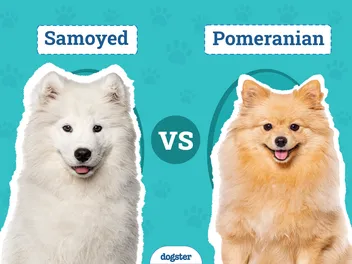
Today's Pomeranians are miniature dogs that descend from the German Spitz breed. They are closely related to other Spitz breeds, like the Keeshond or Samoyed. These were working Arctic dogs and were much larger hundreds of years ago. Because they have a thick double coat, it makes them perfectly equipped for working in the harsh conditions of the Arctic.
Spitz dogs were originally employed as load-carrying and sled dogs. Most of their genetic heritage is linked to Iceland and Lapland. Another significant job they had was herding sheep— a characteristic still sometimes seen in today's modern breeds.

Origins of the Pomeranian Name
The official name of "Pomeranian" was not yet given to these dogs while they were still working in the Arctic. Over time, they started to be utilized across Europe in countries like Italy, France, Germany, Norway, and Sweden. They didn't receive their name until the 18th century, when they were named after the Pomerania region, despite this not being their place of origin. Pomerania was a historical region once located near the far northern borders of Poland and Germany.
Pomeranian Popularization
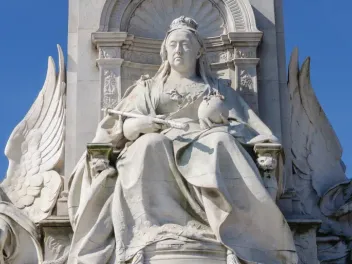
Pomeranians began to grow in popularity once they were imported into England. The English monarchy, specifically Queen Charlotte, became interested in these dogs and were associated with royalty. However, the biggest spike in popularity happened once Queen Victoria came into power and established a large kennel known for the selective breeding of these dogs. It was during this time that Pomeranians became much smaller in size with more colorful coats.

Recognition of the Pomeranian
Pomeranians had their first breeding club organized in 1891 in England. The American Kennel Club in the United States then introduced and recognized them in 1888. Since then, these dogs have steadily remained in the top 30 for most popular dog breeds.
Characteristics of the Modern Pomeranian
Pomeranians are the same working, 30-pound dogs that they once were. Today, the Pomeranian is a toy breed typically weighing between 3 and 9 pounds. Litters consist of one to five puppies, although smaller litters are more common. One purebred Pomeranian puppy can cost you between $500 and $1,500, depending on the breeder and your location. The lifespan for these dogs ranges between 12 and 16 years. Let's take a bit of a deeper dive into these adorable and beloved pups.

Appearance
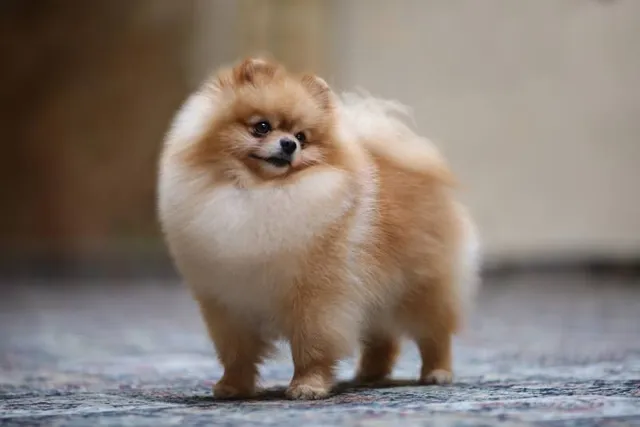
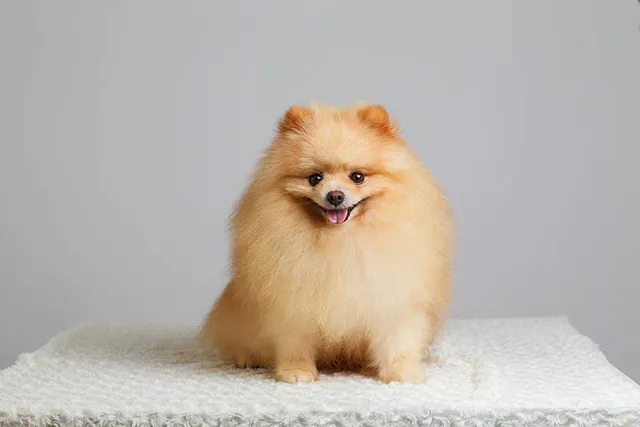
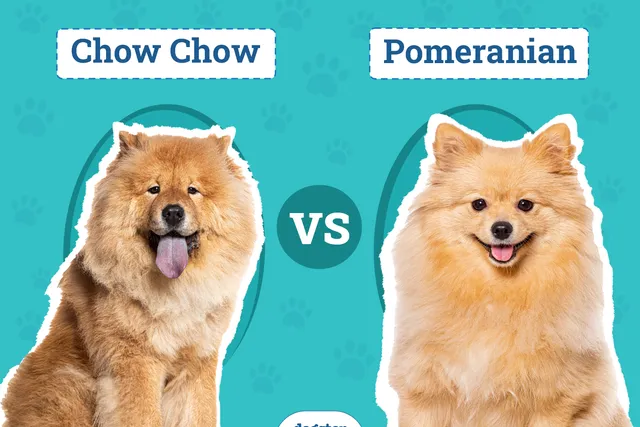
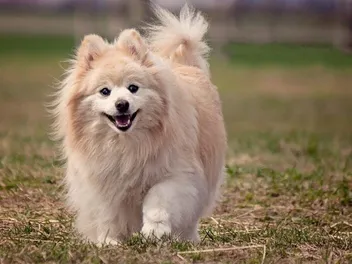
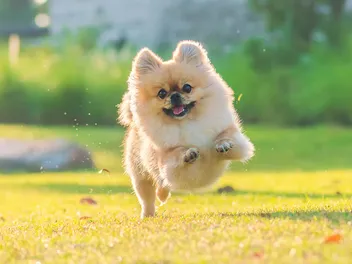
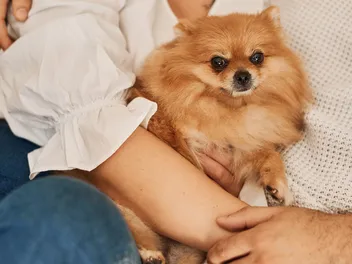
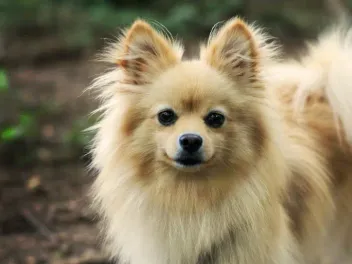
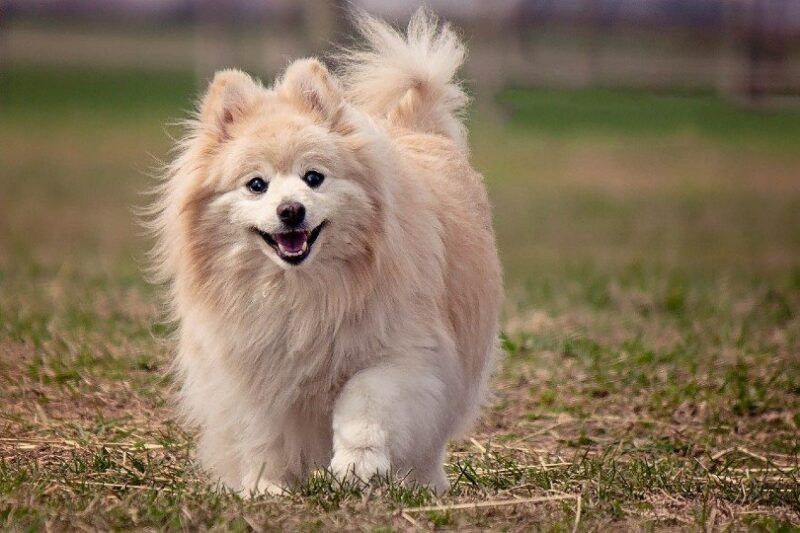
Pomeranians are highly recognizable by their foxlike features. They have dark eyes and small but erect ears. Despite their small size, they have a sturdy build with lots of fur, especially around their neck, which makes them look a bit like a lion. They generally weigh between 3 and 9 pounds and stand 6 to 7 inches tall, although their thick fur can make them look bigger than they really are.
Coat and Color
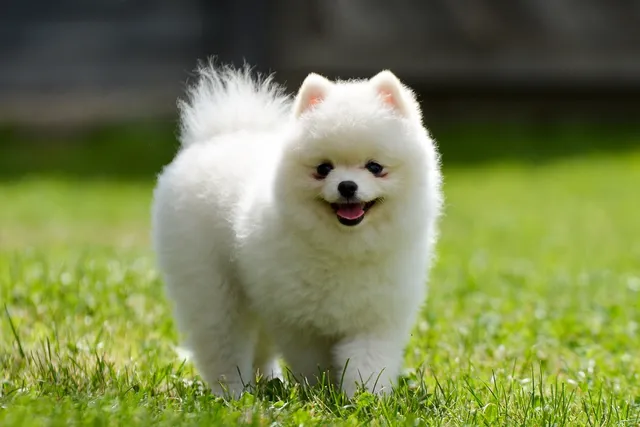
One of this breed's most identifiable characteristics is the thick, straight coat that makes them look fluffy. The double coat doesn't shed too much but can still be messy around the house. Pomeranians can have 12 different coat colors and many different markings. The most common color is a light or deep orange, although black, white, sable, tan, blue, red, and brown are also very common.

Temperament
You might notice that some Pomeranians tend to mimic the temperaments of their owners, although each individual seems to have a few things in common with one another. Pomeranians are generally outgoing dogs that are happy to meet new people. They do sometimes act like they're bigger than they are and can get into trouble because of it! At the end of the day, each dog is individualistic. Some are bossier and like to assert their dominance, and others are more laid back.
One thing you can count on as a Pomeranian owner is that these little dogs feel they must protect you. They are extremely loyal and protective of their owners. This could cause behavioral issues and aggression if you don't socialize them properly.
Family Compatibility
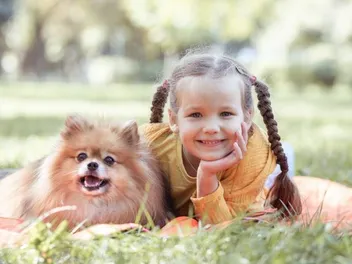
Even though they can sometimes be a bit yappy, Pomeranians make excellent family pets or even pets for couples, individuals, or older adults. Their small size doesn't demand a lot of land, but they are fairly active and enjoy going outside for a daily walk to get rid of some of their energy. Most Pomeranians tolerate children and other household pets. Of course, how they act towards other animals and humans depends largely on their training and socialization.
Conclusion
You wouldn't ever think that today's tiny little Pomeranians were once dogs that were hauling sleds and herding sheep! They might have been bred to a smaller size over the years, but they are still incredibly intelligent and hard-working animals that aim to please. Don't underestimate these dogs for their small size because their history proves that they could once keep up with even the biggest dog breeds.
See also:
Featured Image Credit: Purplehorse, Pixabay
Expert dog care, straight to your inbox
Vet-reviewed advice, training tips, and the best of Dogster. Free, and you can unsubscribe anytime.
By signing up, you agree to our Terms & Conditions and Privacy & Cookies Policy.
Hallie has been a proud nature and animal enthusiast for as long as she can remember. She enjoys spending most of her time in Michigan playing with her two rescue cats, Chewbacca and Lena, and her dog, Clayton. When Hallie isn’t using her degree in English writing articles to spread informative knowledge on pet care, you can find her snuggled up on the couch reading books or watching nature documentaries.
Join the conversation
Ask a question, share your story, or send private feedback.