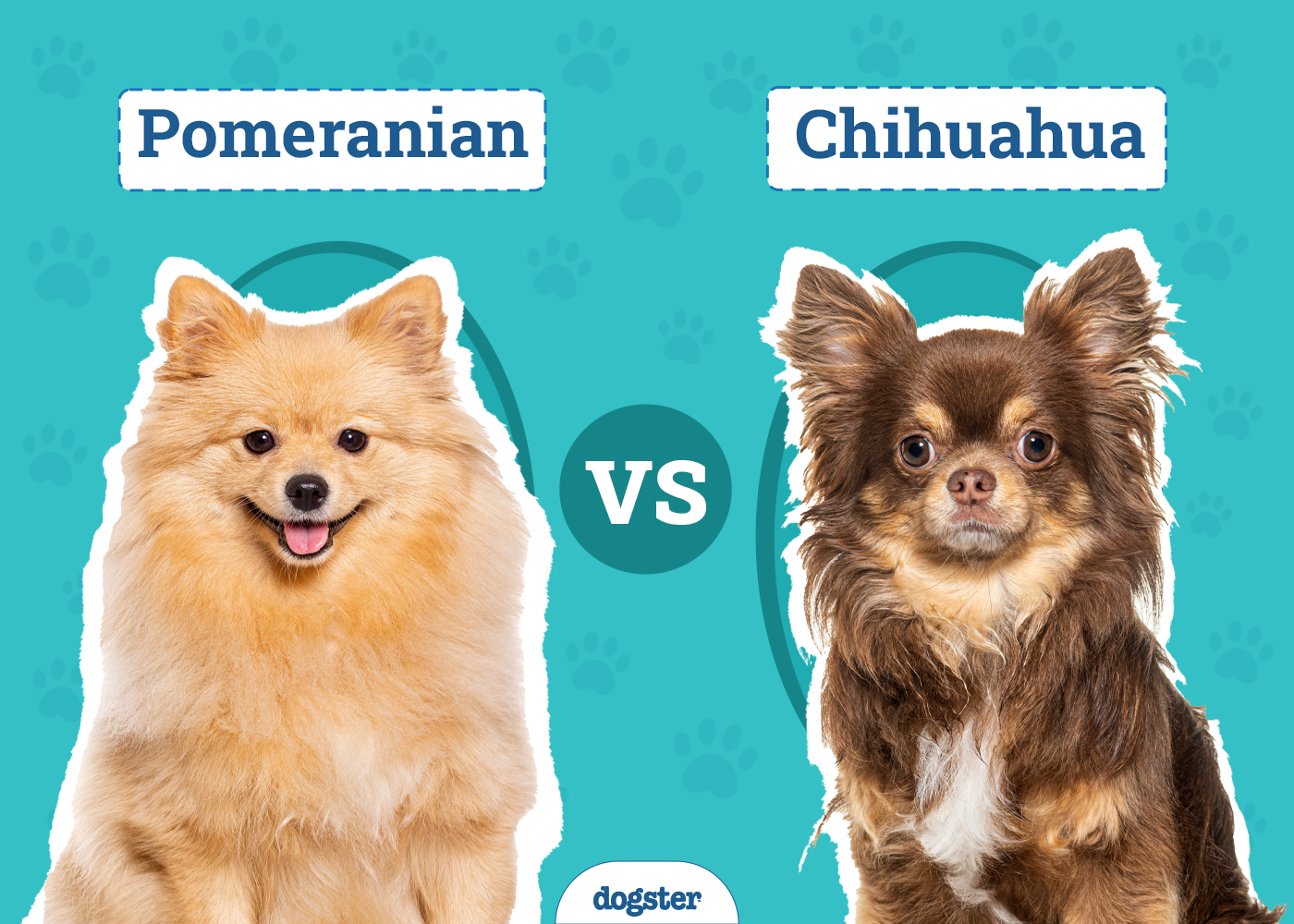
Chow Chow vs. Pomeranian: The Differences (With Pictures)

In this article
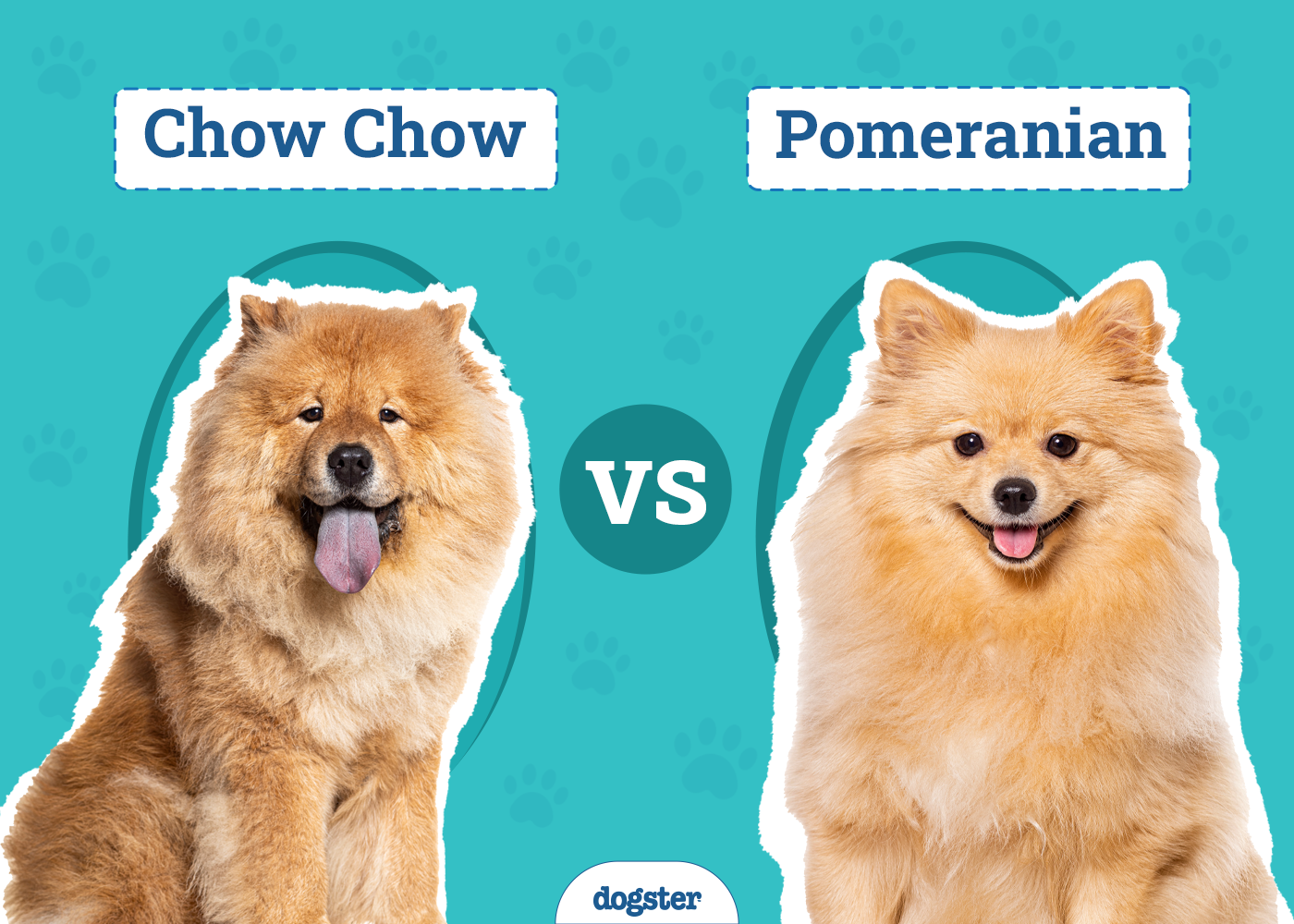
Chow Chows and Pomeranians are stunning, fluffy dogs that look alike while they are puppies. Many people think that they also look similar as adults, and some even believe that they have similar personalities, which is not always the case.
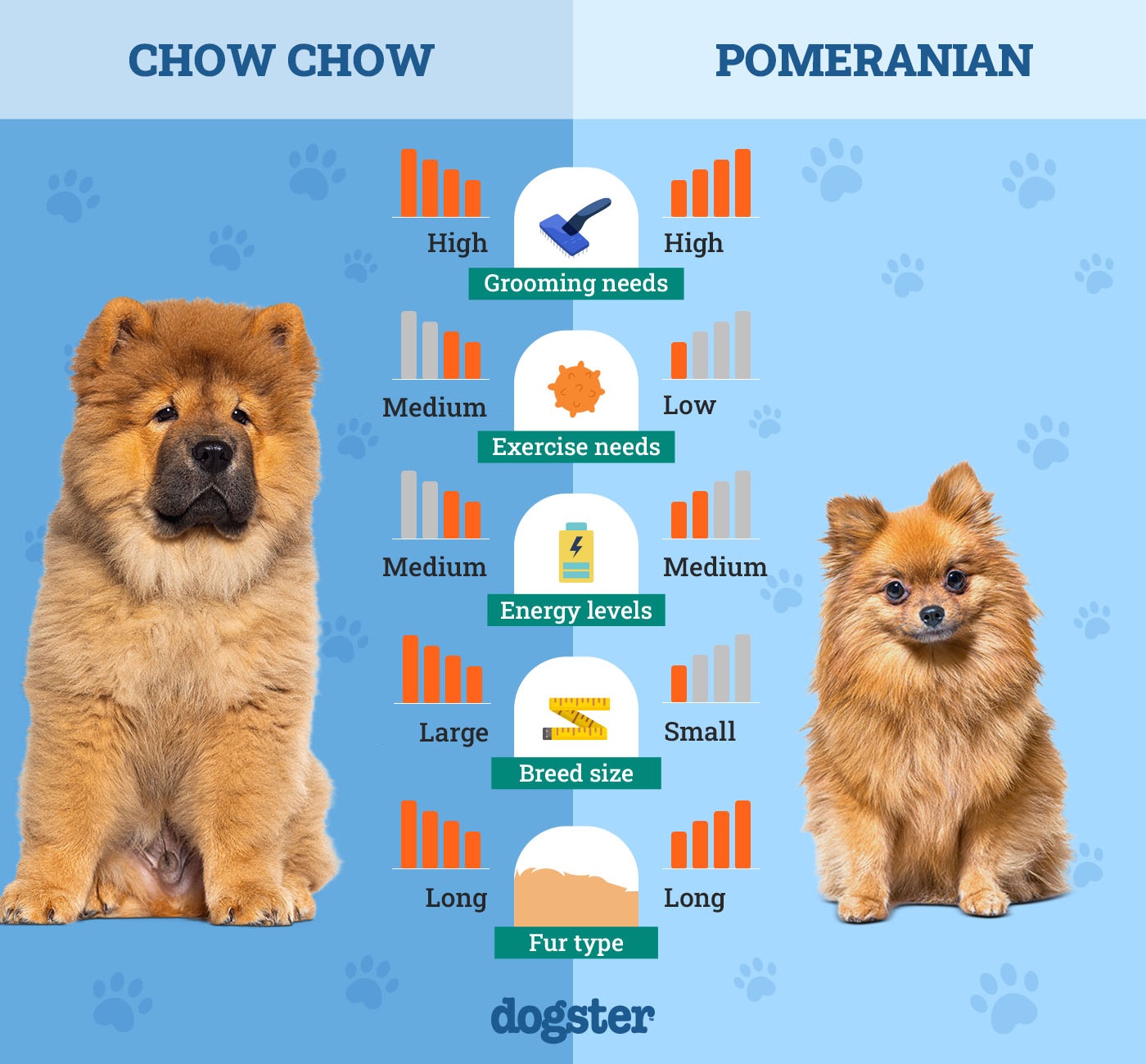
One of the biggest differences between these two breeds is their size. Adult Pomeranians are significantly smaller than adult Chow Chows. Their temperaments are also quite different. Read on to learn more about their appearance, personality, temperament, health, and grooming needs, and determine which one might suit you and your family better.

Visual Differences
At a Glance

Chow Chow Overview

The Chow Chow is native to ancient China and is on the AKC’s list of the 14 most ancient recognized dog breeds1. They have been popular throughout history. They came to England around the 1700s and started spreading worldwide during the 1800s2. By the 1900s, Chow Chows were so popular that the AKC recognized them in 1903.
Nowadays, many people keep Chow Chows because they are often loyal and protective, though typically reserved and independent. They can be great companions for the right owners, but you should know more about them before determining if they fit you and your lifestyle.
Appearance
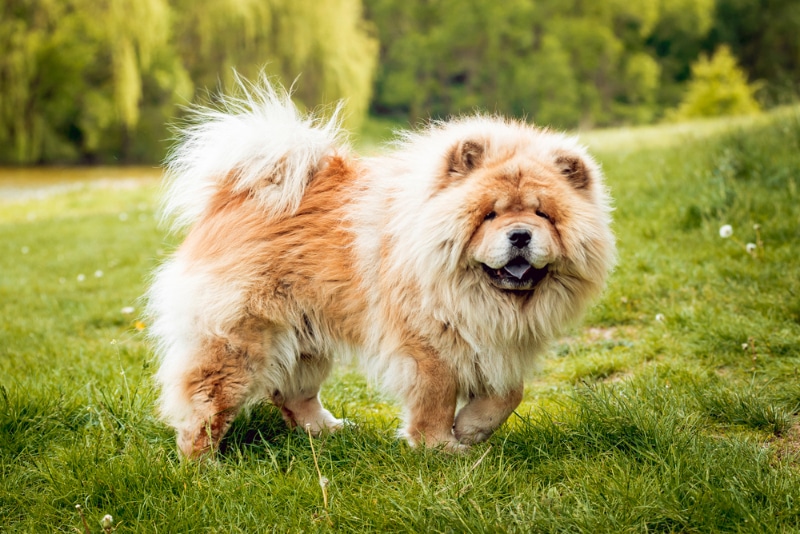
Chow Chows are large dogs, typically between 18 and 22 inches high, and weigh between 44 and 71 pounds during adulthood. They have a dense double coat that may be rough (longer) or smooth (shorter) and resemble little lions due to their facial features and the fur around their heads.
There are various color combinations of Chow Chows, and the most common are cream, cinnamon, black, red, and blue.

Personality & Temperament
Chow Chows are incredibly loyal to their owners and were primarily guard dogs throughout history. Due to their protective nature, they can be particularly wary of strangers, which is why they need socialization from a young age. Chow Chows are not usually very playful but need daily exercise and activity to stay in good shape.
They often show off their stubborn, independent nature and may be less responsive to inconsistent or timid handling. If you familiarize Chow Chows with other animals from a young age, they can tolerate smaller pets. However, Chow Chows are typically more independent than many breeds, and while some individuals may develop separation-related distress, this is not a defining trait. They generally tolerate time alone better than highly social breeds, though early training and consistent routines remain important for emotional well-being.
Health
Chow Chows are generally considered a moderately healthy breed with a typical lifespan between 8 and 12 years.However, like most purebred dogs, Chow Chows are prone to several health conditions common for their breed3:
- Gastric dilatation volvulus
- Cruciate ligament disease
- Elbow dysplasia
- Hip dysplasia
- Entropion
- Hypothyroidism
Before getting a Chow Chow, familiarize yourself with these conditions.

Exercise 🐕
Chow Chows aren’t overly energetic but still require regular daily exercise and environmental enrichment to support their physical and mental health. To ensure that your Chow Chow grows healthy and strong, it’s best to provide them with about 30 to 60 minutes of exercise daily, adjusted based on age, health status, and individual tolerance. You can divide the time into one or two walks and include play time to bond with your canine.
Since Chow Chows are large dogs, they need a significant amount of space, which is why homes with fenced-in backyards are ideal for them to train and explore. They can get bored without sufficient mental stimulation, so provide them with various enrichment activities, such as interactive toys or training exercises, to keep them active and entertained.
Training 🎾
Chow Chows have a guarding nature, so they’re wary of strangers, which is why they need socialization from a young age to learn how to behave around people, kids, and other pets. They require owners who can provide consistent, confident guidance, as Chow Chows tend to be independent and may be less responsive to inconsistent training approaches.
It’s best to start training Chow Chows when they’re around 8 weeks old and practice positive reinforcement during training sessions. They also need behavioral and obedience training. People unfamiliar with dog training should consider hiring a professional. Early training and socialization play a significant role in shaping adult behavior, although ongoing reinforcement throughout life is also important.

Grooming Needs
Chow Chows have high grooming needs because they have a dense double coat that can be either rough (long) or smooth (short) and typically requires brushing several times per week, with more frequent grooming during heavy shedding periods. They shed throughout the year, and their shedding peak is during fall and spring, so they’re not the best option for people looking for a breed that doesn’t shed much.
Another thing to remember about Chow Chow grooming is regularly inspecting and cleaning skin folds, particularly around the face, as moisture and debris can accumulate and increase the risk of skin infections.
Suitable for:
Chow Chows are loving, caring, and protective. They develop a strong connection with their owners and can be wary of strangers, which is something to keep in mind before getting one as a pet. Chow Chows are usually somewhat active but not very playful, so they may not be the best choice for families with kids.
However, Chow Chows are generally more independent than many breeds; they do not typically require constant human presence. They are often well-suited to calm households that can provide consistent interaction, structure, and enrichment. Regardless of their size, they can live in apartments if their exercise, mental stimulation, and environmental needs are adequately met, and they can also do well in homes with yards where they have additional space to explore.
Pros
- Protective and loving nature
- Calm and alert
- Typically well-behaved
- Loyal
- Can tolerate smaller pets with appropriate early socialization and training
- Great for people with homes that have outside space
Cons
- Above-average shedding
- High maintenance
- Not that playful
- Stubborn and overly independent
- Prone to certain health problems

Pomeranian Overview

The Pomeranian is a purebred toy breed from Pomerania, a historical region in Central Europe located between modern-day Poland and Germany. They come from ancient Spitz-type dogs and are the smallest out of all Spitz breeds. Pomeranian puppies became extremely popular during Queen Victoria's rule. She fell in love with this breed during her trip to Italy.
After that, they spread across the world and became a recognized breed by the Kennel Club in England in the 1870s. The AKC recognized the breed in 1888. By the 1930s, Pomeranians were among the most popular dogs in the U.S.A.
Nowadays, many people pick Pomeranians as their pets because of their small size and affectionate personality. They make great companions for people looking for an active dog that can adjust to living in an apartment.
Appearance
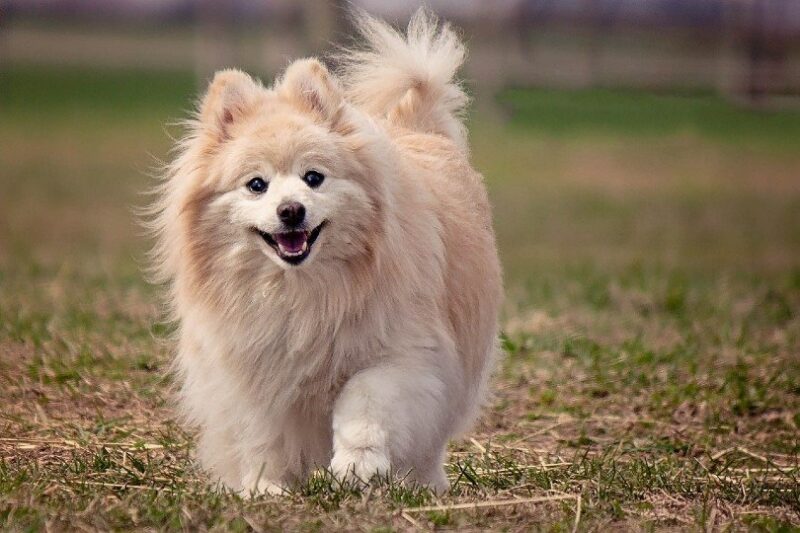
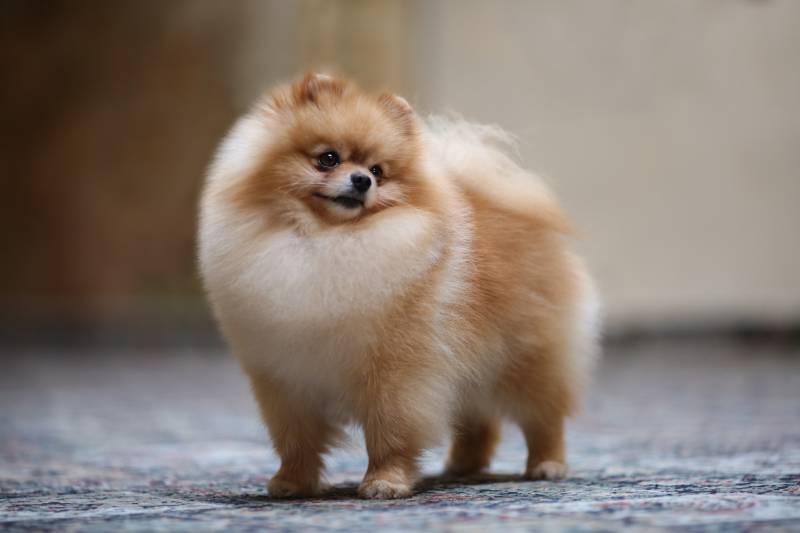
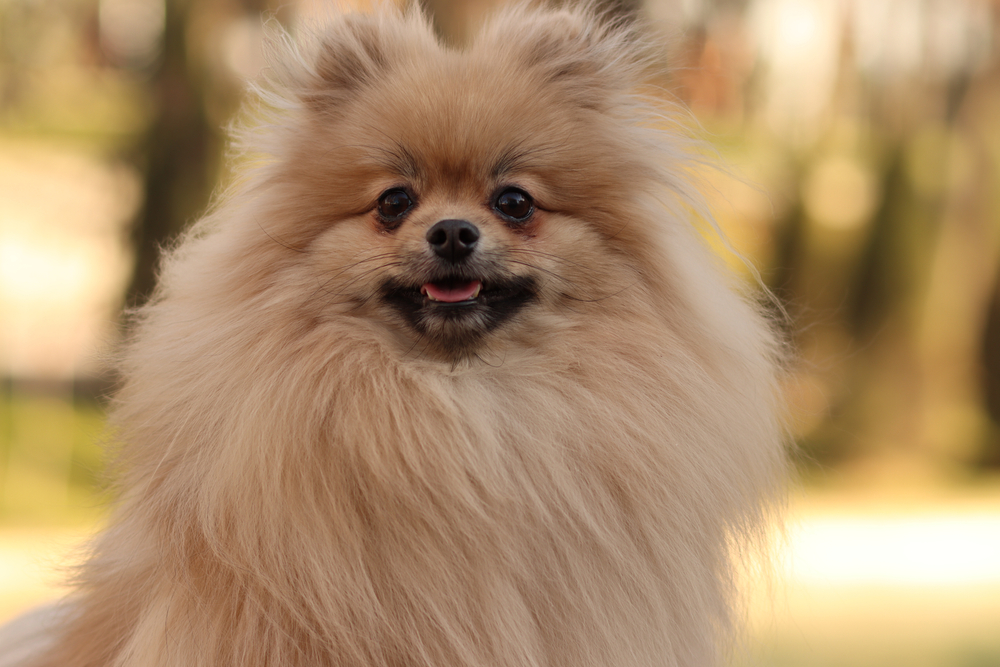
Pomeranians are small, which is why they’re considered a toy breed. Adult Pomeranians typically weigh around 3–7 pounds and are between 8 and 11 inches tall. They have fluffy, long double coats, slightly foxy faces, and pricked-up ears. They look adorable due to their fluffy fur, which can come in various color combinations and have distinctive markings, such as:
- Blue
- Black
- Black and tan
- Blue merle
- Red
- Chocolate
- Chocolate and tan
- Orange
- Brindle
- White
- Tri-colored

Personality & Temperament
Pomeranians are fun-loving, energetic dogs that bring a bubbly spirit into your home. They are generally friendly and affectionate and love being around people. They are also slightly stubborn and intelligent, learn quickly, and may be motivated to please their owner, though individual responsiveness to training can vary. However, they may display reactivity toward other dogs and unfamiliar people, often related to factors such as insufficient socialization, fear, or learned behaviors.
Although Pomeranians can develop these behaviors, with proper training and a loving and caring owner, they can learn how to be social and behave well.
Poms have a protective nature and may bark frequently unless they get adequate training. With appropriate socialization, environmental enrichment, and positive reinforcement training, excessive barking can often be reduced. Due to their nature, they are great for families with older kids who can help care for the dog.
Health
Pomeranians are relatively hardy dogs with a lifespan of 12–16 years. Although generally healthy, they are more prone to certain breed-associated health conditions.
Common health conditions that can occur in Pomeranians are:
- Hypothyroidism
- Hip dysplasia
- Hydrocephalus
- Luxating patella
- Tracheal collapse
- Cataracts
- Entropion
- Cushing syndrome
Since Pomeranians may develop some of these conditions, you should familiarize yourself with them before deciding to get a Pomeranian puppy.

Exercise 🐕
Although Pomeranians are small dogs, they need daily exercise, usually less than 1 hour a day (preferably 30 minutes), though the precise time will depend on your dog’s energy levels. It’s best to incorporate exercise into your Pomeranian's schedule through regular walks and playtime. Two daily walks and a few play sessions will keep them fit and happy.
Training 🎾
Pomeranians are extremely intelligent and quick learners, but they can show their stubborn, sassy side during training. Therefore, you should approach Pomeranian training through positive reinforcement and consistent, reward-based guidance. The main goal of training is to help your Pomeranian learn how to behave while being confident, which will help reduce the likelihood of fear-based reactivity toward other people and unfamiliar animals.
Pomeranians typically need socialization, potty training, obedience, and barking training from a young age to learn how to behave in adulthood.

Grooming Needs
Pomeranians have moderate grooming needs. Although their coat is long and fluffy, it typically requires brushing several times per week to prevent matting and maintain coat health, which makes Pomeranians easier to care for than Chow Chows. Their coats shed more during spring and fall, which is when their maintenance needs may slightly increase to daily brushings.
Besides that, Poms need their nails regularly trimmed, and you should clean their ears as needed. Regular dental care, including tooth brushing, is also important due to the breed’s predisposition to periodontal disease. You’ll also need to check the hair around their butt to ensure that there are no hygiene problems.
Suitable for:
Pomeranians are bubbly and fun-loving, making them great for many types of people and households looking for a companion, though their grooming and training needs should not be considered low-maintenance. They fit in well with adults and may coexist with other pets when properly socialized, and can be a good choice for families with older kids.
Due to their size and nature, they are perfect for people living in apartments and small homes.
Pros
- Affectionate and loving
- Protective
- Moderately shedding
- Intelligent
- Great for apartments
Cons
- May develop reactive or excessive barking behaviors without proper training and socialization
- Prone to small dog syndrome
- Sassy and stubborn
- Prone to certain health problems
Which Breed Is Right for You?

If you’re considering getting a Chow Chow or a Pomeranian, you’re probably wondering which breed is ideal. Generally, both are great for people who want dogs that don’t require much exercise and are moderately active. Due to their size, Chow Chows are more suitable for people living in homes with plenty of outdoor space, while small Pomeranians fit better into apartment lifestyles.
As for their personalities, Pomeranians are slightly more playful and affectionate, which is why they’re an excellent choice for families with older kids. Conversely, Chow Chows are affectionate but are often more reserved and independent, which may make them better suited to quieter households or experienced dog owners.
Remember that both breeds are loving and caring, and either could become your future best friend. Before choosing between a Chow Chow and a Pomeranian, consider all their traits, compare them with your family's wants and needs, and determine which breed is most suitable!
Related Read:
Papillon vs Pomeranian: What’s the Difference? (With Pictures)
American Eskimo vs Pomeranian: Main Differences & Similarities
Sources
Featured Image Credit: Top - Chow Chow (Luke Thornton, Unsplash) | Bottom - Pomeranian (Anna Gorina, Shutterstock)
Expert dog care, straight to your inbox
Vet-reviewed advice, training tips, and the best of Dogster. Free, and you can unsubscribe anytime.
By signing up, you agree to our Terms & Conditions and Privacy & Cookies Policy.
I'm a creative, adaptable content writer that covers various topics such as DIY, pets, home improvement, travel, gardening, and more.
As a young mom and a college student, I didn’t have enough time to balance my personal and work life, so after multiple years of working a regular 9 to 5 job, I decided to pursue my passion and make a living out of it. I have been writing for a couple of years now, helping people to find valuable and interesting information online.
I believe that writing is a great way to share your knowledge with the community and express yourself. There's nothing that words cannot accomplish, so I always try to use them in the best possible way.
Join the conversation
Ask a question, share your story, or send private feedback.