Orange Pomeranian: Info, Pictures, Origin & History

In this article
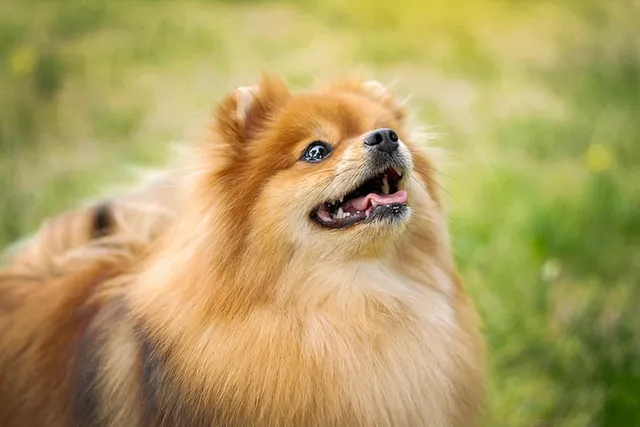
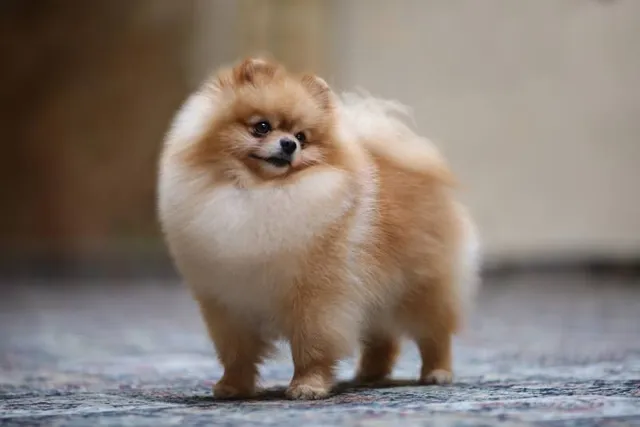
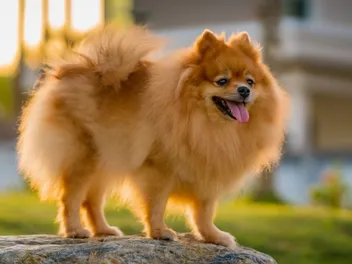
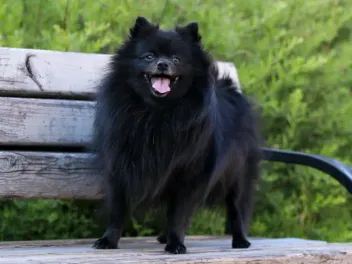
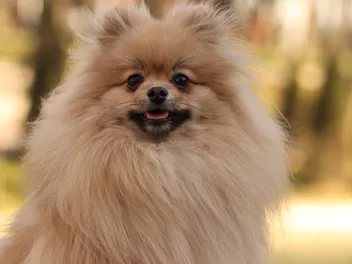
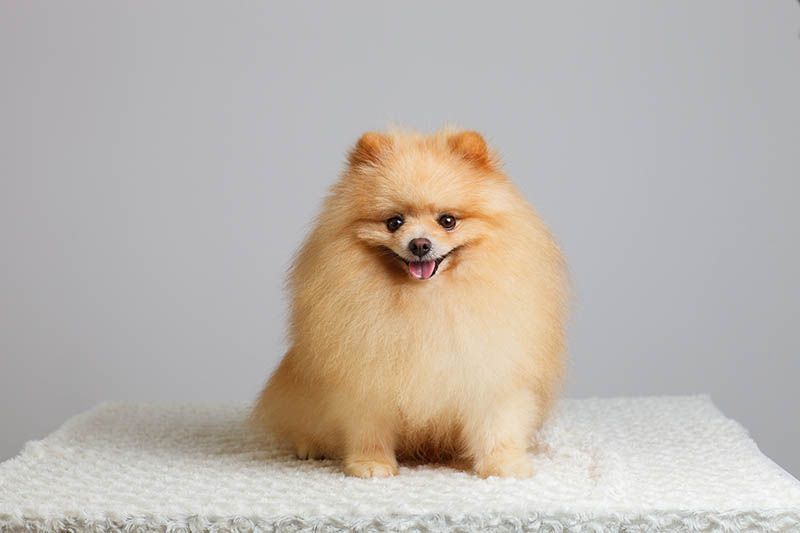
Pomeranians mostly come in orange. It’s considered the classic coloration and is mostly utilized by breeders who produce dogs for the show ring. If you go to a dog show, odds are very high that all of the Pomeranians are orange. However, Pomeranians do come in a few other colors, like black and brown. Some are even tri-colored.
Breed Overview
Height:
Weight:
Lifespan:
Colors:
Suitable for:
However, if you’re looking for a classical Pomeranian, you probably want an orange one.
The orange coloration was around since the beginning of this breed’s history. Therefore, it isn’t surprising that so many of these orange dogs exist today.
Orange Pomeranian Breed Characteristics

The Earliest Records of Orange Pomeranians in History

As we’ve stated, Pomeranians have probably been orange since the beginning of their establishment. We don’t know exactly how this breed got its start. They probably came from the region of Pomerania, and area consisting of part of present-day Poland and Germany, where they got their name from.
They originate from Spitz-type dogs from Iceland and Scandinavia, though they are much smaller than most of these canines. Their ancestors may have been utilized for herding and guarding livestock. However, their small size means that they were probably companion dogs, instead.
We don’t have many records of them until the 16th century. At this time, they were loved by European royalty. Queen Victoria of England popularized this canine in the 19th century. She kept several of them due to their smaller size and luxurious coats. Thanks to her attention, the dog became a status symbol.
How the Pomeranian Gained Popularity
After Queen Victoria kept Pomeranians, more and more working-class people began to keep them, too. Advances in breeding and transportation made it easier for these smaller dogs to be distributed and produced, spreading them easier throughout Europe.
These dogs very likely became popular thanks to their smaller size. They’re well-suited to apartment living and smaller homes. Plus, they can thrive in a range of different environments.
Formal Recognition of the Pomeranian
This breed was formally recognized in the 19th century. The first breed standard was written in 1891 by the Kennel Club in England. This standard helped set the breed in stone.
Over the years, many kennel clubs from around the world recognized this breed. For instance, the Pomeranian was recognized by the American Kennel Club in 1900. Most kennel clubs around the world recognize this breed today, largely thanks to its popularity.
Because this breed is very well-established, Pomeranians don’t tend to differ much from one area to another.

Top 8 Unique Facts About Pomeranians
1. They used to be much larger.
Pomeranians weren’t always as small as they are today. In the past, they were probably utilized as herding dogs and grew to be much larger. It took many decades of careful breeding to make them smaller. Today, many breeds of dogs are getting smaller, so this isn’t exactly odd.
2. They’re named after their region of origin.
Pomeranians are named after the region of Pomerania, which is now part of Germany and Poland.
3. Pomeranians were extremely popular among nobility.
In the past, Pomeranians were mostly kept by nobility. For the first few centuries of their existence, the common person didn’t have enough money to pay for the upkeep of a dog solely for companion purposes. Therefore, it was this nobility that largely led to this breed being so popular.
4. They come in many colors.
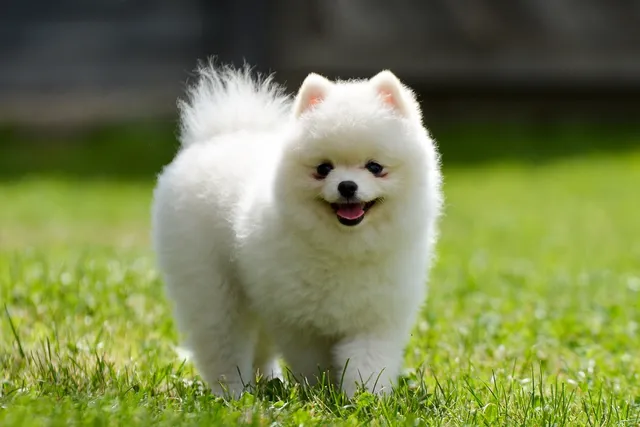
When you mention Pomeranians, most people imagine the orange variety. That’s mostly the color they come in. However, you can also find black, white, brown, sable, and particolored. These are rarer and not nearly as common in the show ring. If you want something besides an orange Pomeranian, you often have to find a specialty breeder.

5. They’re rather loud.
Pomeranians can be rather loud, despite their smaller size. Their distinctive bark makes them a great watchdog. However, it can also be hard to tolerate, as they tend to bark at everything.
6. Pomeranians are prone to dental problems.
These canines are prone to dental problems. Most small dogs are, so this isn’t unusual. It’s because their face is small, crowding their teeth. It’s important to provide them with extra dental cleanings and keep their teeth brushed. You may want to budget for more vet expenses as your dog gets older, as this is when dental problems often occur.
7. They’re quite intelligent.
These dogs aren’t known as the most intelligent dogs out there. However, they do have quite a bit of intelligence. They can be trained fairly easily, though they aren’t as obedient as most other dogs out there.
8. They live pretty long for a small dog.
Their lifespan is between 12 to 16 years, which is quite long for a smaller dog. Therefore, you should ensure you have years to dedicate to these dogs before adopting one. (Of course, this assumes that they are well taken care of, including preventative vet care.)

Do Orange Pomeranians Make Good Pets?
Orange Pomeranians have been bred as companion animals for a long time. Therefore, they have many of the traits commonly associated with companion animals. For instance, they’re loyal and outgoing dogs. They love to be with their families and can bond with just about everyone. They do well in smaller spaces thanks to their smaller size.
They’re quite intelligent, which can make them easy to train. However, they aren’t necessarily as obedient, so they won’t always listen to commands in a real-world setting. They’re not necessarily as stubborn as other dogs, either. Because they’re so small, Pomeranians are very suitable for smaller spaces, like apartments. They do need a bit of exercise, though.
Of course, a lot depends on how a Pomeranian is raised. Socialization, upbringing, and training all affect how a Pomeranian may act in the end. Therefore, it’s important to ensure that your canine is raised well from a young age.
Final Thoughts
Most Pomeranians come in orange. However, there are several other colorations, too. The orange color likely existed since these dogs’ beginnings.
For much of their history, Pomeranians were kept by nobility and monarchs, like Queen Victoria. These monarchs kept them as companion animals, as they were the only people with enough disposable income to keep dogs solely as companions.
Today, they’re known as adorable, companion animals. Their smaller size works well in smaller spaces, making them perfect for apartments and similar areas. Furthermore, they also work well for those who want a lap dog, as they’ve been bred mostly to be companion animals.
Sources
Featured Image Credit: KUNANEK SUPAKOSOL, Shutterstock
Expert dog care, straight to your inbox
Vet-reviewed advice, training tips, and the best of Dogster. Free, and you can unsubscribe anytime.
By signing up, you agree to our Terms & Conditions and Privacy & Cookies Policy.
Kristin loves to help pet parents create a fulfilling life for their pets by informing them on the latest scientific discoveries and helping them choose the best products for their pets. She currently resides in Tennessee with three cats, four dogs, two fish, and a lizard, though she has dreams of owning chickens one day!
Join the conversation
Ask a question, share your story, or send private feedback.