Merle Pomeranian: Info, Pictures, Origin & History

In this article
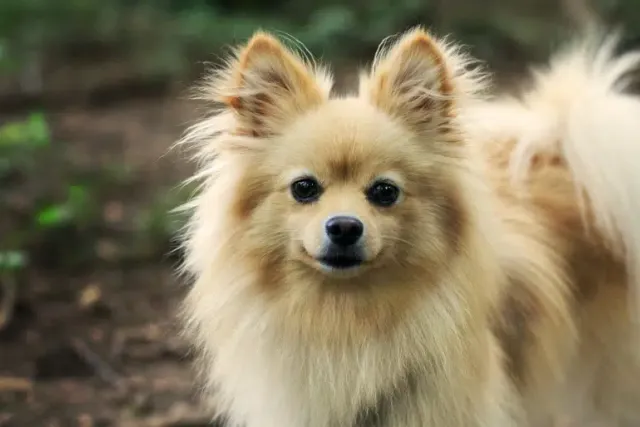
Pomeranians can come in a handful of colors, though most people are only familiar with the red coat. As time goes on, more Pomeranians are starting to pop up in more than just solid colors.
Breed Overview
Height:
Weight:
Lifespan:
Colors:
Suitable for:
Temperament:
Merle Pomeranians have begun to rise in popularity within the last few years. These are beautiful dogs, but there are many things that you should know before you seek out a Merle Pomeranian.
Merle Pomeranian Characteristics

The Earliest Records of the Merle Pomeranian in History
Although it’s unclear when exactly Merle Pomeranians started showing up, it has only been within the last decade or so. Merle is not a naturally occurring pattern in the Pomeranian breed, so at some point, another breed was bred into the Pomeranian line to produce merle offspring.
Color breeding is when breeders breed specifically for certain color outcomes instead of breeding for health and bettering the breed. Merle Pomeranians are currently considered a form of color breeding due to the lack of breed standards. In most cases, responsible breeders don’t breed for merle offspring.

How the Merle Pomeranian Gained Popularity
Sometime in the last couple of decades, people in the United States seemed to become enamored with merle dogs. It has become so common that there are social media groups dedicated entirely to merle dogs or teasing the overabundance of breeding for merle. Merle has begun to show up in many breeds that it isn’t natural to, including Pomeranians.
Merle Pomeranians are cute dogs, but they may be prone to health problems if they come from parents that weren’t health tested or selected to produce healthy offspring. When it comes to breeding, two merle dogs should never be bred together. Essentially, the gene that causes merle coloration shouldn’t be provided by both parents. Double-merle dogs tend to have serious congenital problems, including blindness and deafness, even in breeds where merle naturally occurs.
Formal Recognition of the Merle Pomeranian
Currently, merle is not an accepted color pattern within the Pomeranian breed standard in essentially all large breed clubs. The American Pomeranian Club added merle to its breed standard in 2010, but many people were upset over this decision because the addition was passed even though most members who voted did so against it.

Top 4 Unique Facts About the Merle Pomeranian
1. A gene causes merle coats.
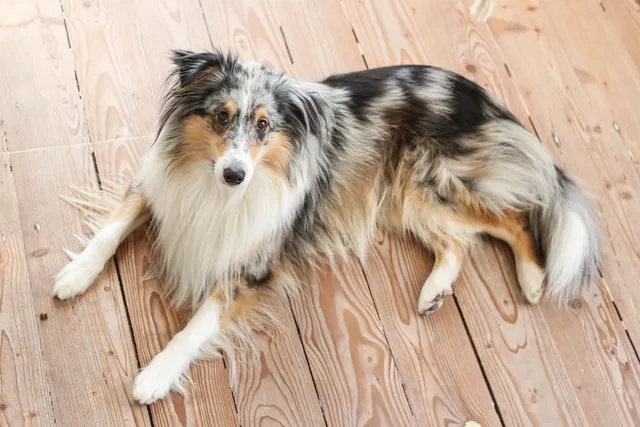
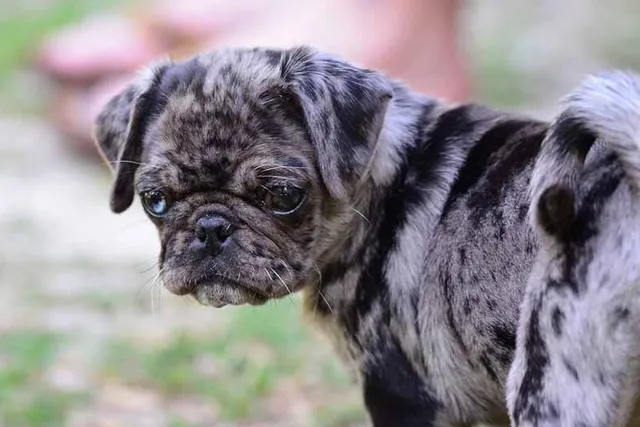
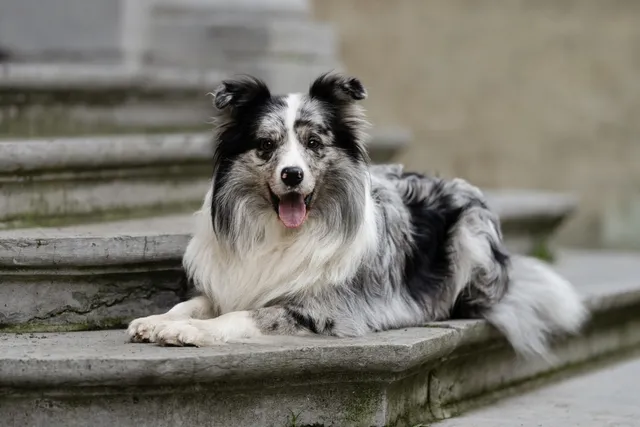
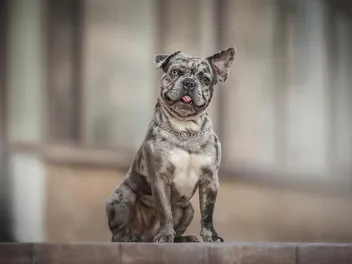
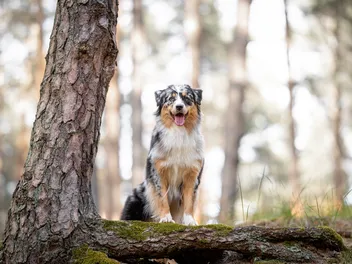
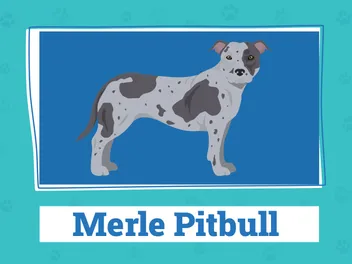
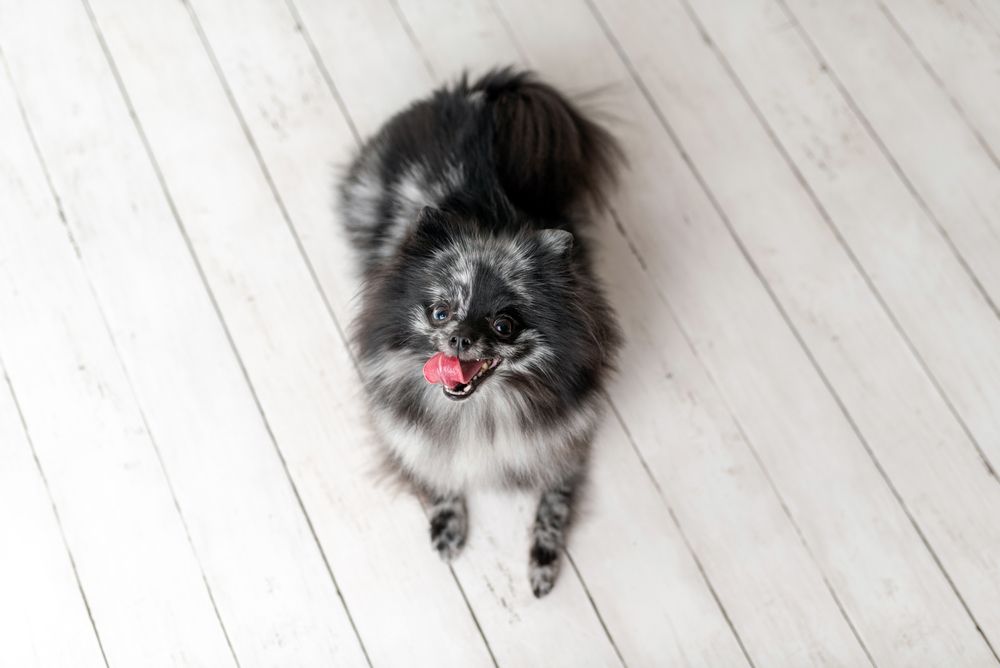
What creates a merle coat in dogs is a dominant gene that causes splotches and multiple colors across the coat and skin. Any primary coat color can be merle, but most people are familiar with blue merle, which is a combination of blue, black, tan, and white.
2. The merle gene affects more than just coat color.
Merle dogs also have their eyes, eyelids, nose, and paw pad colors impacted.
3. To produce a puppy with a merle coat, one parent must be merle.
To produce a puppy that has a merle coat, at least one parent must also be merle. If two merle dogs are bred together, though, the result may be a dilute merle or white or albino dog. These dogs are extremely likely to have serious congenital problems.
4. Merle Pomeranians often cost more.
Merle Pomeranians often cost more due to a high level of demand for the unique pups. Although they may cost more, that doesn’t indicate that these dogs are of a higher quality than other colors. In fact, backyard breeders and puppy mills are known to upcharge merle and other unique colors in order to scam people out of more money.

Does a Merle Pomeranian Make a Good Pet?
Merle Pomeranians with one merle parent are likely to have a temperament within the standard of the Pomeranian breed. Pomeranians with two merle parents are likely to have notable problems, which can make their care complex. Double-merle dogs are often not a good option for the average owner due to their complicated care and training needs.
Conclusion
Merle Pomeranians have become popular due to their cute and unique appearance, and some breed clubs have begun to move toward accepting this color pattern in the breed standard. At this time, though, most do not accept Merle Pomeranians.
Responsible breeding practices can be used to create Merle Pomeranians, but it’s not uncommon for these pups to come from color breeders who don’t practice appropriate health testing and breeding pair matching. Always thoroughly research your breeder before bringing home a Merle Pomeranian, and ensure that your pup is not a double merle.
See Also: Parti Pomeranian
Featured Image Credit: Tanya Consaul Photography, Shutterstock
Expert dog care, straight to your inbox
Vet-reviewed advice, training tips, and the best of Dogster. Free, and you can unsubscribe anytime.
By signing up, you agree to our Terms & Conditions and Privacy & Cookies Policy.
Brooke Billingsley spent 9 years as a veterinary assistant before becoming a nurse in 2013. She lives in Arkansas with her boyfriend, and loves all animals; currently sharing a home with three dogs, two cats, five fish, and two snails. She has a soft spot for special needs animals and has a three-legged senior dog and an internet famous cat with acromegaly and cerebellar hypoplasia. Fish keeping has become a hobby of Brooke’s and she is continually learning how to give her aquarium pets the best life possible. Brooke enjoys gardening and keeps a vegetable garden during the summer months. She stays active with yoga and obtained her 200-hour yoga teacher certification in 2020. She hosts a podcast focusing on folklore and myth and loves spending her free time researching and writing. Brooke believes that every day is an opportunity for learning and growth and she spends time daily working toward new skills and knowledge.
Join the conversation
Ask a question, share your story, or send private feedback.