Shetland Sheepdog vs Australian Shepherd: The Differences (With Pictures)

In this article
The Shetland Sheepdog is nicknamed the Sheltie and is a herder from the Shetland Islands of Scotland. They used to stand guard for the farmers and prevent birds and sheep from launching into the farmers’ gardens. The dogs, although small, are high energy and fast but highly obedient. They are champions in canine sports and are easy to train. Their over−protective and affectionate nature makes them lovable family pets, and they have the excellent qualities of a watchdog.
The Australian Shepherd, also known as an Aussie, is the herding dog of choice for cowboys. They have a strong work drive and are intelligent and loyal. They are medium-sized, muscular dogs with agile builds. With their herding instincts and eagerness to work, they enjoy playing frisbee and chasing moving objects. With early socialization, they are great family dogs that love being companions to children and other pets.

Visual Differences

At a Glance
Shetland Sheepdog Overview

Physical Characteristics
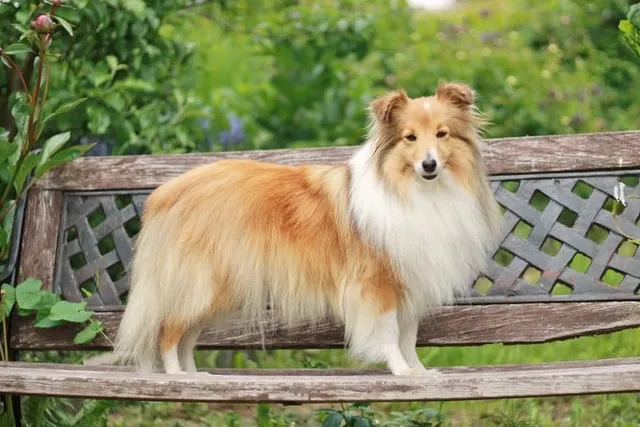
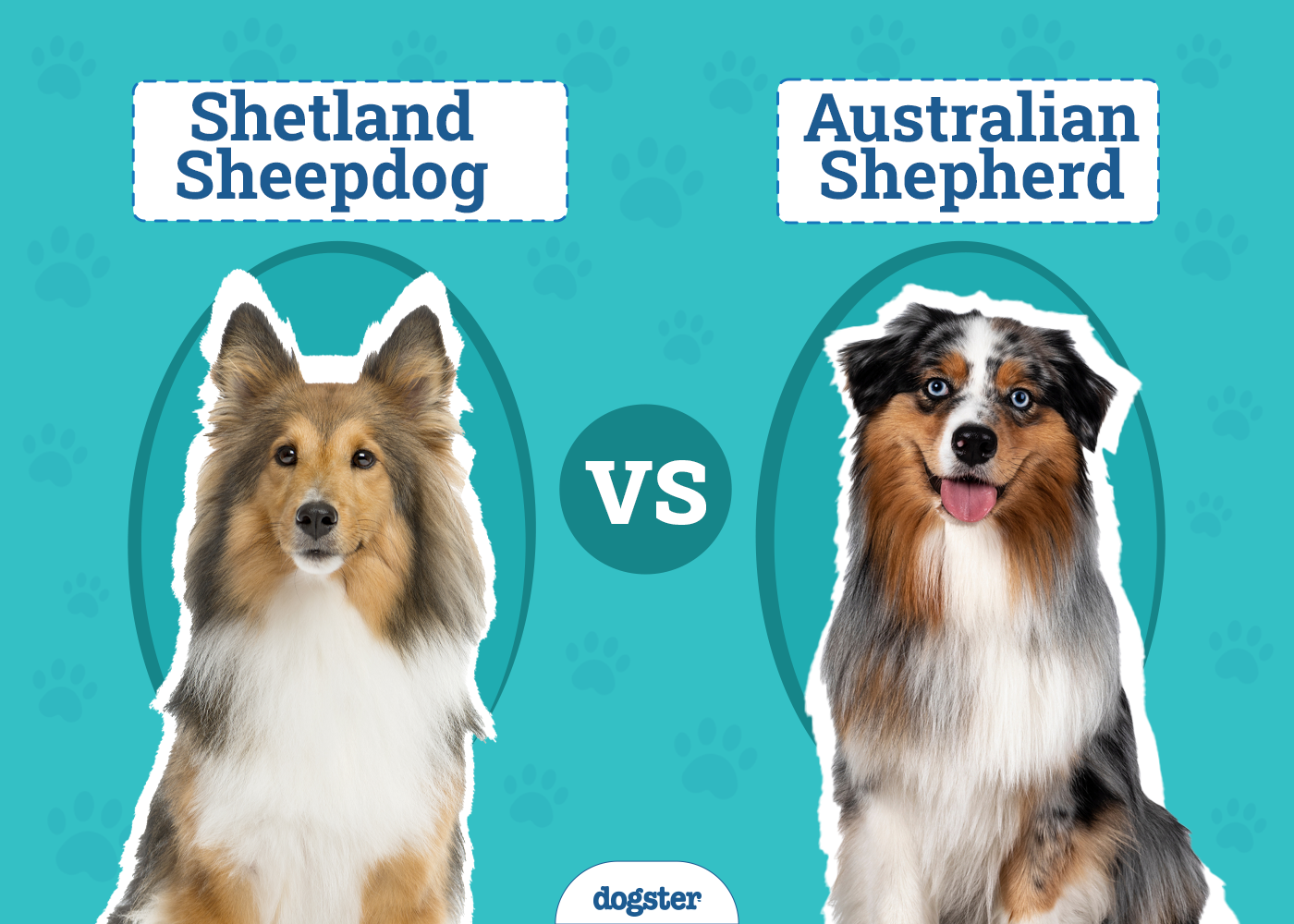
Shelties look like a smaller version of a Collie. They are small yet strong and agile, with a shoulder height of 13 to 16 inches. Their outer coat is long and straight with a dense and wooly undercoat. The Sheltie has a lush mane, frills and feathering on the legs and tail, and small, high-set ears with tips that hang forward slightly. Shelties are available in black, blue merle, and sable with white markings.
Personality / Character
A sheltie's personality can vary from outgoing and energetic to shy and calm. They can be overprotective but are loving and loyal to their owners and families. They may be timid and reserved with strangers, but strangers can become friends once they become accustomed to them. Shelties are sensitive dogs that are highly in tune with their owners' moods. With their vocal skills, reservations toward strangers, and the need to protect their families, they make excellent watchdogs.
Training 🎾
Shelties need early socialization, and puppy classes are recommended to assist your pet in growing into a well-rounded dog. They have high energy, are intelligent, and are eager to please, making them highly trainable. They have a reputation for being stars in the field of agility.
Because Shelties are herding dogs, they enjoy herding smaller animals and children. While this may seem cute, it should not be encouraged because it can lead to biting.

Health & Care
Shelties are typically healthy dogs with a life expectancy of up to 15 years but are prone to a few health concerns. This does not mean they will inherit the disease, but you should know what is possible. Health concerns in a Sheltie include patella luxation, hypothyroidism, Von Willebrand’s disease, canine hip dysplasia, Collie eye anomaly, allergies, and dermatomyositis. One merle dog should not be bred with another merle because a homozygous merle trait is dangerous and can be fatal.
A high-quality protein source should be near the top of the ingredients list on your dog's food. For brand recommendations and portioning advice, contact your veterinarian. They can help you develop a healthy diet for your pup.
Grooming ✂️
Shelties have a thick, double coat that sheds a great deal. The outer fur is long and thick, and the undercoat is dense and fluffy. The coat needs to be brushed every other day, and during shedding, it requires more regular brushing to remove the loose hair. A Sheltie also needs to be checked regularly for matting, especially behind the ears, the elbows, and under the tail.
Your Sheltie's nails should be trimmed regularly; you can usually tell they need clipping when you hear them tapping on the floor. It’s not recommended to shave their coat, as it protects them from sunburn, heat, and cold.

Suitable for:
Shelties are happy to stay at home alone if they get their dose of attention when their owners return from work. Apartment living is also suitable for a Sheltie since they are typically calmer indoors as long as they get a daily walk.
They are very active dogs that will need a routine of mental and physical exercise; if they are not exercised regularly, they can become anxious and nervous. Shelties thrive in a home where they are given lots of attention, playtime, training, and love, which will be returned unconditionally.
Pros
- Great family dog
- Great watchdog
- Lovable
- Intelligent and loyal
- Easy to train
- Generally healthy dogs
- Suitable for city or urban living
Cons
- Prone to “herd” children and other animals
- Vocal
- Wary of strangers
- Need consistent grooming
Australian Shepherd Overview

Physical Characteristics
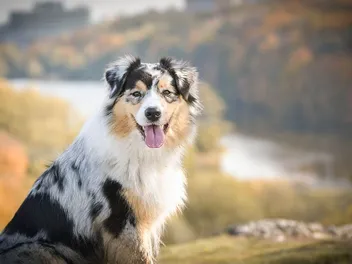
Aussies are medium-sized dogs with muscular, agile builds and penetrating eyes. They reach a shoulder height of 18−23 inches, and the males are typically taller and heavier than the females. Their coat is medium-length and beautifully lush.
They have feathers on the backs of their legs, a thick mane around their neck, and a naturally short tail, but tails that are longer than 4 inches are sometimes docked. Their coat color ranges from blue or red merle to red or black tricolor with white or tan markings.
Personality / Character
Aussies are highly active yet easygoing and love to play with kids and other pets. They have a strong work drive and are highly intelligent and eager to please, making them easy to train.
They can be very well-mannered dogs and are loyal and attentive to their owners. As family dogs, they are very protective and will be sure to let you know if a stranger is approaching. They are excellent family dogs if they have been socialized early.
Training 🎾
Aussies are energetic, athletic dogs that need to exercise regularly. The breed requires regular exercise and mental stimulation and may develop destructive behaviors if they do not have an outlet for their energy. Their attachment to their favorite humans can sometimes lead to separation anxiety.
Australian Shepherds require early socialization and obedience training, and because they are smart, they are typically easy to train. They can be well-behaved dogs with proper training, socialization, and regular exercise. They thrive on a farm or big yard where they can run around and love joining on family hikes and walks.

Health & Care
Australian Shepherds have a life expectancy of 12−15 years and are generally healthy dogs. They are, however, predisposed to a few health issues that are more common in the breed. Hip and elbow dysplasia, progressive retinal atrophy, ocular conditions, epilepsy, deafness, and various cancers are all common health conditions.
Australian Shepherds should be fed a high-quality diet and always have access to fresh water. Active Aussies may require a higher protein/ fat diet to meet their nutritional requirements.
Grooming ✂️
Because Australian Shepherds shed moderately, regular brushing can reduce shedding during their shedding season. Daily brushing will keep their coat in good condition and prevent the development of matted fur, which can cause inflammation and infection of the underlying skin. Shaving is not usually advised because their double coat protects them from heat and cold.
An Aussie's ears should be checked to remove foreign matter and wax buildup, and their teeth should be brushed regularly. Because Australian Shepherds are predisposed to eye issues, it is a good habit to monitor for excessive discharge or changes in appearance.

Suitable for:
Aussies need to be kept busy and are best suited to country living. Alternatively, a large fenced-in yard will suffice as long as the owner spends enough amount of time with them. They require a family devoted to regular exercise and playtime because if they are left alone, they become destructive.
Training and socialization will also be essential to the Australian Shepherd's mental and physical development. They thrive on advanced training exercises and fun dog sports, which can be a big investment in time and money.
Pros
- Intelligent and easy to train
- Affectionate and loyal
- Attentive
- Great family dog
- Love to exercise
Cons
- High energy
- High grooming needs
- Tend to “herd” animals
- Require regular physical and mental stimulation
- Not suitable for city living
Which Breed Is Right for You?

Shelties and Aussies make great family pets if they are socialized early and given the physical and mental stimulation they need. Both breeds require regular grooming and high-quality, well-balanced diets to suit their active lifestyles. They are loveable and affectionate dogs that are protective of their owners and make excellent watchdogs. They have herding instincts and are prone to nipping and herding moving objects like children and animals.
The most notable difference we can make to help decide which breed is best for you is that an Australian Shepherd needs more intense exercise and mental stimulation. They are also better suited to country living where they can freely run around, whereas a Sheltie can happily live in the city if they get a daily walk or run.
If you live in the country, are home often, enjoy the outdoor lifestyle, have extra time, and are looking for an active companion, an Australian Shepherd is the right breed for you. If you are a working person looking for a companion who can enjoy a daily walk but is happy to be home alone, a Shetland Sheepdog is the ideal match.
Related Reads:
Featured Image Credit: Top – Shetland Sheepdog (Lisjatina, Shutterstock) Bottom – Australian Shepherd (EileenKumpf, shutterstock)
Expert dog care, straight to your inbox
News, insights, expert advice, and everything dog.

No spam — unsubscribe anytime.
By signing up, you agree to our Terms & Conditions and Privacy & Cookies Policy.
How useful was this post?
Click a star to rate. You can leave written feedback afterwards. (We read all feedback.)
Nicole has loved animals of all sizes her whole life so it's no wonder she has dedicated her career to helping them through what she loves best: learning, writing, and sharing knowledge with others. She’s the proud mom of two dogs, a cat, and a human. With a degree in Education and 15+ years of writing experience, Nicole wants to help pet parents and pets around the planet to live happy, safe, and healthy lives.