Sheltie vs Border Collie: Key Differences (With Pictures)

In this article
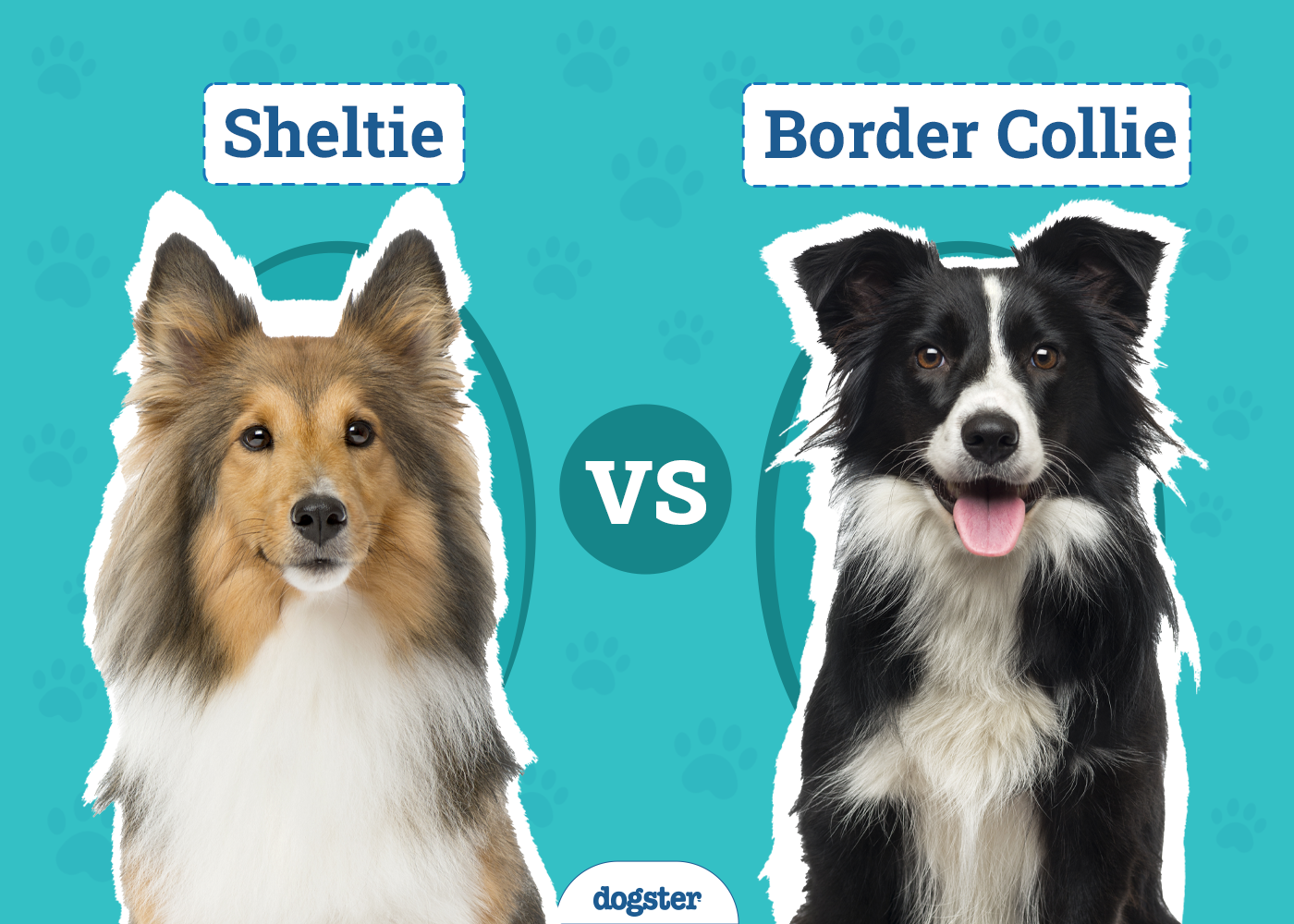
Shelties (officially known as Shetland Sheepdogs) and Border Collies have much in common, not just their herding heritage. It’s incredibly easy to confuse these two breeds, and apart from their size, the most popular variants look similar. Shelties are smaller than Border Collies, but both dogs have medium-length feathered coats, white underbellies, and dark snouts and backs.
The two dogs also have vastly different physical activity needs and personalities.
Shelties require far less exercise than Border Collies and are often easier to train. Both have relatively high grooming needs, although Shelties often require more consistent brushing.
Shelties are generally friendly, playful, and energetic, making them great family pets. Border Collies are incredibly athletic and intelligent but need more exercise than Shelties and are often happiest when “working.” Shelties are great for first-time dog owners, while Border Collies often do best in more experienced hands.

Visual Differences

At a Glance

Shetland Sheepdog Overview

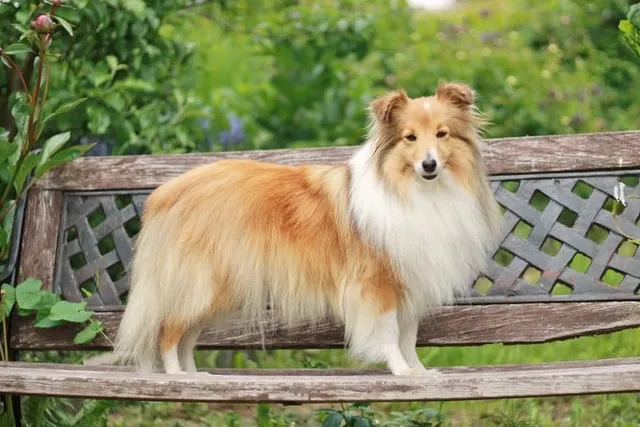
Shetland Sheepdogs are gorgeous small dogs with coarse medium-length fur and distinctive markings. They’re energetic and smart and always up for a bit of romping about. They strongly resemble Collies and have a few genetic traits in common.
Shelties have serious herding dog chops, which shows up in the breed’s tendency to bark too much. With sufficient training and socialization, Shelties often do fine around cats and other small animals. They’re usually relatively easy to train, thanks to their intelligence and desire to please their favorite people.
Personality / Character
Shetland Sheepdogs fit right in with active families. They have the playfulness and energy of herders but are reasonably well-controlled around cats and children, as most have relatively low prey drives. Some can be standoffish around new people, and dogs that aren’t accustomed to having children around may show less tolerance regarding rambunctious (but normal) behavior.
Because the Sheltie has a working dog heritage, good training and early socialization are essential to ensure Shelties learn how to control their instincts to herd, nip, and chase. Those getting lots of love and attention are usually incredibly loyal, loving, and eager to please their human companions.

Training 🎾
Shetland Sheepdogs are very intelligent. While Border Collies often top canine intelligence lists, Shetland Sheepdogs aren’t far behind. Shelties’ intelligence makes the dogs relatively easy to train. Because they don’t have extremely high energy levels, Shelties can focus on learning during training sessions.
Most can master new tricks with just a few repetitions. Since they often love to learn, most excel with positive reward-based training techniques that include lots of treats and love. They do exceptionally well in agility competitions and herding trials.
Exercise 🐕
Shelties generally require around 1 hour of exercise every day. Most are okay with a run, a long walk, and a bit of active playtime. Games such as frisbee and fetch are excellent games to bond with dogs while providing them with much-needed physical activity. Shelties who don’t receive enough exercise can become anxious and destructive.

Health & Care
Shelties’ average lifespan ranges from 12 to 14 years. The breed doesn’t have any specific dietary requirements, but they are at greater risk for certain conditions, including allergies, hip dysplasia, progressive retinal atrophy, hypothyroidism, patellar luxation, and gall bladder mucocele (GBM).
Shetland Sheepdogs need a fair amount of regular grooming. Their gorgeous fur requires brushing at least a few times a week. Daily grooming is generally needed during high-shedding periods. Plan to spend at least one day a week removing mats, which can be a time-consuming process. They also need to have the hair between their toes trimmed to prevent dirt and bacteria from accumulating. Many pet parents have their Shelties groomed every 6 weeks to 2 months.
Suitable For:
Shelties are fantastic all-around companions. They’re playful, energetic, and devoted, making them great options if you’re looking for a family dog who thrives on long walks and outings with the crew. Homes with nice fenced-in outdoor spaces are ideal for Shelties, as most are quite energetic, and some tend to be barkers.
With basic obedience training and socialization, Shelties are generally great with children and other animals. Because they’re incredibly smart, motivated, and easy to train, they make great pets for first-time dog owners. They’re excellent for individuals and families looking for an all-around, fun-loving companion.

Border Collie Overview

Border Collies are beautiful medium-sized dogs with gorgeous, flowing feathered hair. These dogs have it all; they’re incredibly smart, outstanding athletes, and absolutely gorgeous. They’re so athletic that some competitions have instituted All But Collie divisions to keep things fair for the rest of the canine world.
They consistently rank near the top of most measures of canine intelligence, and watching a Border Collie in motion can take your breath away. While they often make lovely companions, Border Collies usually do best in homes where their physical activity and mental stimulation needs can regularly be met.
Personality / Character
Border Collies are loving, devoted, and energetic companions. They’re full of spark and are often happiest when on the go with their favorite people. While they’re often quite loving around family members, they can be somewhat suspicious when first meeting new people.
And they’re sometimes inclined to boss other dogs around due to their strong herding instincts. Regular exercise and mental stimulation are critical and allow Border Collies to relax enough for their sweet qualities to shine through.

Training 🎾
Consistent training and socialization are essential with Border Collies, as they tend to nip, chase, and herd. Border Collies are super smart but have high energy levels, which can lead to difficult training sessions. As herding dogs, they often enjoy working to complete tasks, particularly those that allow them to use both their smarts and athleticism. Most absolutely love agility drills! Border Collies that don’t get enough mental stimulation can become creative and devise ways to entertain themselves that often involve destructive behavior.
Exercise 🐕
Border Collies require at least 90 minutes of exercise per day. Most require far more exercise than just a few leisurely daily walks! Border Collies often do well in rural areas and other environments with plenty of space to run and explore. In addition to regular walks and jogs, many enjoy swimming, hiking, and active games such as fetch and frisbee. They’re bred for endurance and are great running and biking partners. Border Collies whose physical activity needs aren’t being met sometimes become anxious and have difficulty settling down.

Health & Care
Border Collies generally live for 12 to 15 years, which is average for medium-sized dogs. Breed-specific conditions to look for include Collie eye anomaly, epilepsy, and hip dysplasia. Some Border Collies inherit a genetic mutation that makes them extremely sensitive to certain medications, including tick and flea prevention products.
Veterinarians can diagnose the condition with a blood test. Border Collies have relatively moderate grooming requirements for dogs with such beautiful coats. They generally require brushing a few times per week most of the year and more frequent attention during high-shedding periods. They only need to hit the tub every two or three months unless they get dirty playing outside.
Suitable For:
Border Collies usually do best with active individuals or families. They’re loving and become devoted to human companions, particularly when their social and physical needs are being met. Border Collies are a high-energy breed and become destructive when not getting enough exercise or mental stimulation. They’re also intelligent, which, along with their high energy levels, can make them challenging to train. The Border Collie does best with experienced dog owners.

Which Breed Is Right for You?

While Shelties and Border Collies resemble each other quite a bit, they have very different personalities and needs. Shelties and Border Collies have long feathered fur, light undercoats, and dark markings on their faces and backs. But Shelties are generally much smaller than Border Collies.
Shelties tend to be loving, enthusiastic, and energetic. Although they have a herding heritage, they don’t have strong prey drives, making them slightly less inclined to chase cats and other small animals than Border Collies. Border Collies are champion herders, but well-trained and socialized pups manage to control their instincts to chase cats, while others never master the skill. Border Collies are often better suited for homes without cats. The Sheltie is an ideal choice for first-time owners, but those with experience training dogs are more suitable for caring for Border Collies.
See also:
Double Doodle vs. Labradoodle: Key Differences (With Pictures)
Golden Retriever vs Labradoodle: Surprising Differences (With Pictures)
Sources
Featured Image Credit: Top - JACLOU-DL, Pixabay | Bottom - BIGANDT.COM, Shutterstock
Expert dog care, straight to your inbox
Vet-reviewed advice, training tips, and the best of Dogster. Free, and you can unsubscribe anytime.
By signing up, you agree to our Terms & Conditions and Privacy & Cookies Policy.
Lorre Luther is a writer from Rotterdam. A former lawyer from the United States, she moved to the Netherlands to follow her dreams and become a writer. Lorre enjoys traveling and reveling in the astonishing beauty of our world. She has a soft spot for animals and is firmly convinced that cats are smarter than humans.
Join the conversation
Ask a question, share your story, or send private feedback.