Male vs Female Mastiff: The Differences (With Pictures)

In this article
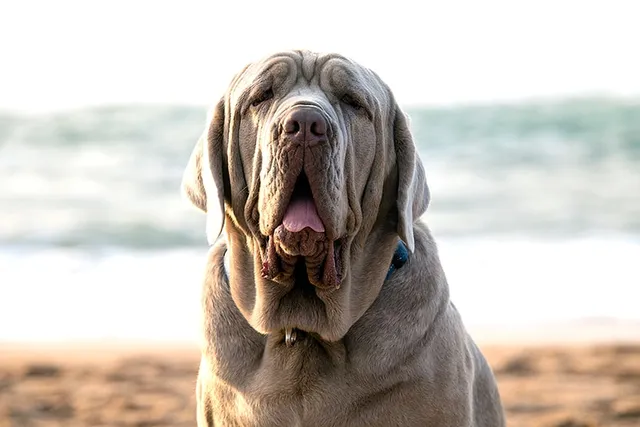
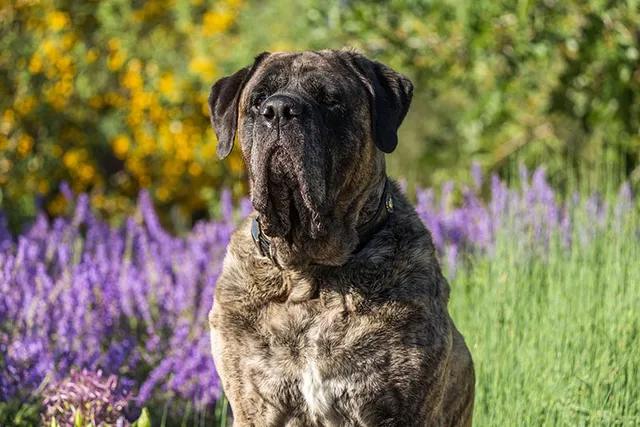
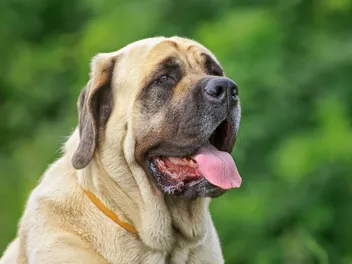
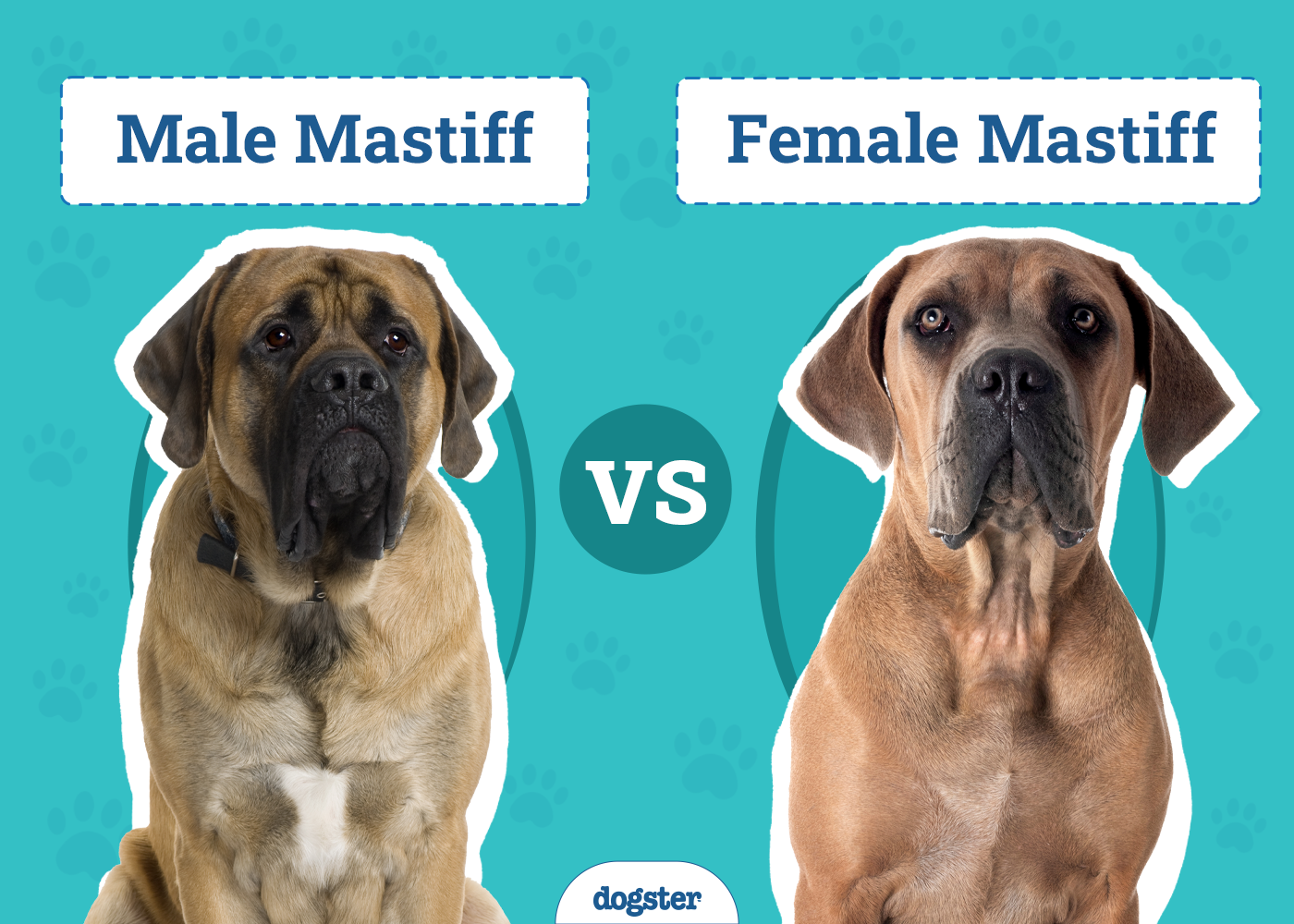
Mastiffs are the heavy hitters of the dog world, quite literally. These dignified, massive creatures make quite the addition to any pet lover’s household. Unless you have the space for more than one of these laid-back giants, you’ll need to decide whether a male or female Mastiff is the best pick for you. The differences between the two sexes include size, behavior, and activity level. In this article, we will cover some details about the differences between male and female Mastiffs to help you decide which sex fits best into your family.

Visual Differences

At a Glance

Mastiffs 101
One of the oldest known dog breeds, Mastiffs may have come to the British Isles as early as the 6th century B.C. and to America on the Mayflower in 1620. Generally laid back with their families, these massive creatures were originally bred to serve as guard dogs. Their size alone is enough to make anyone think twice before tangling with them!

Mastiffs are notorious couch potatoes with minimal exercise requirements. Because of their size and protective nature, Mastiffs need early socialization to make sure they keep their watchfulness at an appropriate level. Surprisingly sensitive, Mastiffs require gentle, patient training as they won’t tolerate rough words or handling.
A slow-growing breed, Mastiffs can take up to 2 years to reach their full size. Giant dogs come with giant appetites and Mastiffs need the right diet as they grow to maintain the appropriate growth rate.
Mastiffs are not the cleanest or quietest of housemates, known for their drooling and shedding. Snoring is also a common Mastiff tendency. Despite these less charming attributes, Mastiffs are loyal, docile, and dignified pets, gentle and patient with those they love.
Male Mastiff Overview

Personality
Male Mastiffs tend to be more affectionate and needy than females, constantly seeking attention from their owners. They can also show more dominant tendencies with both people and other dogs, especially if they aren’t neutered. Male Mastiffs are usually more playful and active than their female counterparts. While Mastiffs aren’t naturally aggressive dogs, males may show aggression towards other dogs, especially other males.
Training 🎾
Because they mature more slowly than females, male Mastiffs can be a little more work to train. They can be stubborn and have a short attention span, easily growing bored with long training sessions. Problems can also arise if a male Mastiff decides to try to express dominance during training.
Power struggles are a bad idea with a dog who may very well weigh more than his human trainer! For the best results, start training and socializing a male Mastiff early and keep training sessions short and sweet.
Health & Care
While both male and female Mastiffs can suffer similar genetic health conditions, some may impact males more heavily. In particular, joint problems can be more significant and painful in males because of their larger size. Here are some of the medical concerns to watch out for in male Mastiffs.

Breeding
As we’ve already discussed, Mastiffs mature very slowly, especially male Mastiffs. Because of this, it may be best for a male Mastiff to wait to breed until he reaches full maturity and development. A veterinarian will be able to help decide the best time for breeding.
If a male Mastiff won’t be used for breeding, the healthiest choice is to have him neutered. Neutering helps prevent health issues like testicular cancer and can also make a male Mastiff calmer and less prone to dominant behaviors.
Pros
- Imposing size
- Affectionate
- Playful
Cons
- Can be needy
- Can have dominance issues
Female Mastiff Overview
Personality
Female Mastiffs tend to be gentler overall than males, especially with children. While they are affectionate dogs, they are also more independent than males. Female Mastiffs will soak up attention when it’s given but don’t constantly seek it out as many males do.
Males may be more dominant but females can be more territorial and protective of their families. Female Mastiffs are often less active than males as well. Unspayed female Mastiffs can be moody and unpredictable, especially when they are in heat or pregnant.
Training 🎾
Female Mastiffs often take to training more easily than males because they mature more quickly and are gentler and calmer. Getting an early start on socializing and training is just as important for females as males, however. Female Mastiffs sometimes get along better with other dogs than do males. Positive, patient training will bring about the best results for the laid-back Mastiff.

Health & Care
Female Mastiffs are prone to the same major and minor health concerns as are males. Specific health issues that impact females are generally reproductive. Older, unspayed female Mastiffs are at risk of developing pyometra, an infection of the uterus. Mammary (breast) cancer is also a concern for female Mastiffs. Breeding female Mastiffs presents its own set of problems which we’ll look at next.
Breeding
The physical confirmation of female Mastiffs can lead to problems with pregnancy and giving birth. Mastiffs have giant heads and very narrow hips, a situation that can lead to birthing difficulties. Many female Mastiffs must have a Caesarean section rather than a natural birth.
Because pregnancy and birth can be difficult for a female Mastiff, it is important to consult a veterinarian for advice before breeding. If breeding isn’t an option, spaying a female Mastiff can lower the risks of certain health problems as well as even out her temperament.
Pros
- Smaller size
- More independent
- Calmer
Cons
- Can be moody
- More territorial
Are Male or Female Mastiffs Better Guard Dogs?
Since Mastiffs were bred as guard dogs, both males and females will be protective. However, males tend to be more generally protective of their territory, in a belligerent, “don’t touch my stuff” sort of way. Females are more likely to apply their guardian instincts towards specific people rather than just territory, especially children.
Male Mastiffs are bigger and more intimidating looking than females although no 120-pound dog could be considered small! If you’re looking for a property guard, male Mastiffs might have the edge while females are the choice when it comes to personal bodyguards.
Which Sex Is Right for You?
Deciding to adopt or buy a giant breed dog like a Mastiff is a huge commitment no matter which sex you choose. However, that only makes it doubly important to be sure you pick the sex that best suits your particular family and living situation. If you’re looking for a heavier, more imposing, active, and playful pet, the male Mastiff is your best bet, as long as you’re also prepared for him to be a little needy. For those who prefer a more independent but protective and loyal dog, a female Mastiff may be the better choice.
Whichever you choose, make sure you’re fully prepared to meet all the physical, mental, and companionship needs of these sensitive dogs. Owning a Mastiff can be a true experience but only if one also recognizes the responsibility involved.
See Also:
Bullmastiff vs French Mastiff: Visual Differences & Overview (With Pictures)
English Mastiff vs. American Mastiff: The Key Differences (With Pictures)
Featured Image Credit: Up - Michal Ninger, Shutterstock; Down - Mikanah, Shutterstock
Expert dog care, straight to your inbox
Vet-reviewed advice, training tips, and the best of Dogster. Free, and you can unsubscribe anytime.
By signing up, you agree to our Terms & Conditions and Privacy & Cookies Policy.
Elizabeth Gray is a lifelong lover of all animals great and small. She got her first cat at 5 years old and at 14, she started working for her local veterinarian. Elizabeth spent more than 20 years working as a veterinary nurse before stepping away to become a stay-at-home parent to her daughter. Now, she is excited to share her hard-earned knowledge (literally--she has scars) with the readers. Elizabeth lives in Iowa with her family, including her two furry kids, Linnard, a husky mix and Algernon, the worldʻs most patient cat. When not writing, she enjoys reading, watching all sports but especially soccer, and spending time outdoors with her family.
Join the conversation
Ask a question, share your story, or send private feedback.