9 Common Havanese Health Issues to Watch Out For (Vet Approved)

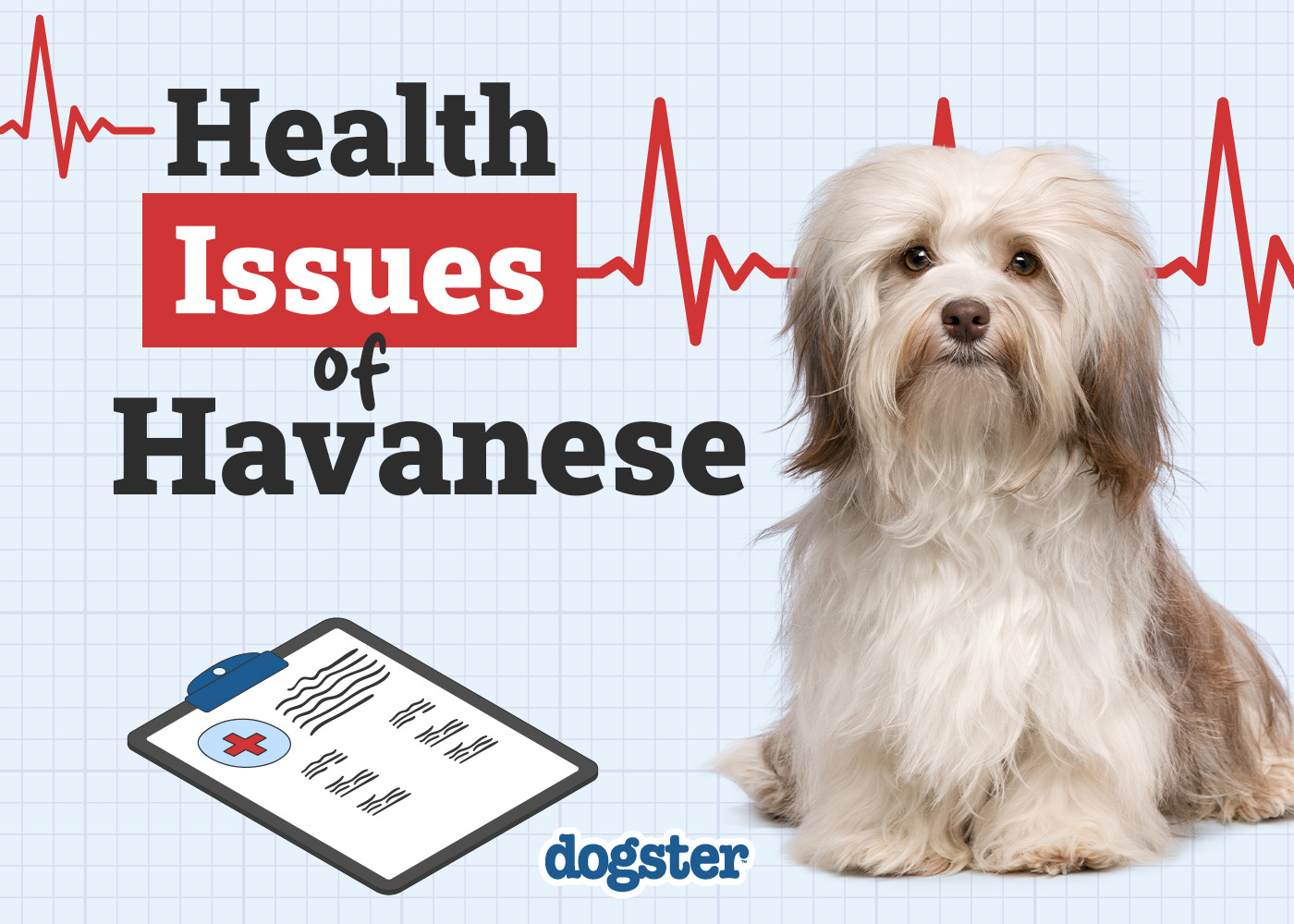
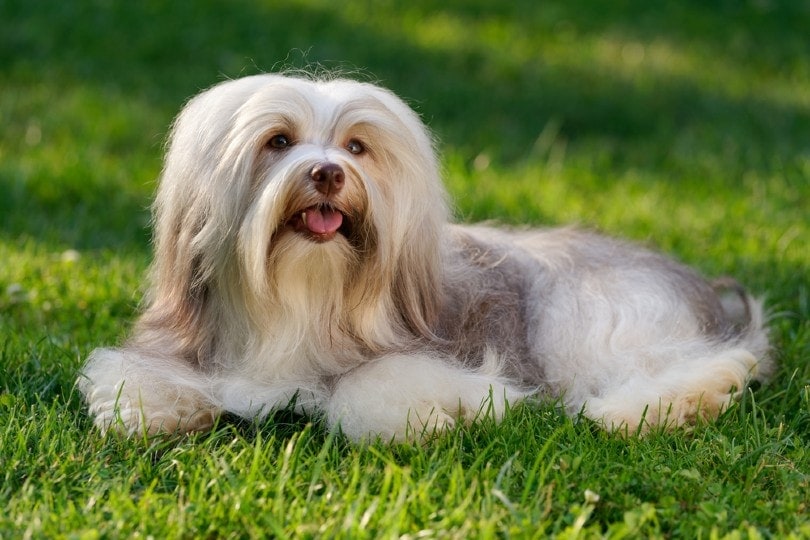
Havanese dogs are an intelligent, playful breed that is native to Cuba, but their beloved personalities have resulted in them becoming popular in the United States as well. They are ideal companions for city living, as they rarely bark and have only moderate exercise needs. They are known to have long life spans and to be generally healthy; however, they are prone to certain health conditions.
Eye issues and bone and joint problems are common among the Havanese breed, but there are other conditions that are prevalent as well. To learn more about which health complications the Havanese are prone to, keep reading below.

The 9 Common Havanese Health Issues
1. Cataracts

Cataracts are a common eye condition in Havanese dogs. When the lens of your Havanese’s eye becomes cloudy and dense, that is a cataract.1 Most often, dogs will develop cataracts due to their genetics. However, cataracts may also develop due to eye injury, a diabetes-related condition, or increased age.
Cataracts can eventually lead to vision loss if the cataract progresses to cover the entire eye lens. In order to restore your dog’s vision, surgery will be necessary.
In the instance of hereditary cataracts, prevention methods are better than attempts to cure. Responsible breeders will strive to produce puppies with little to no risk of developing cataracts. If you are considering purchasing a Havanese puppy, you will want to find a reputable and responsible breeder.
2. Cherry Eye

Dogs have an extra eyelid inside of their lower eyelid. Its purpose is to provide additional protection to the eye. However, when the gland of this third eyelid prolapses, this is called cherry eye. You will notice that your dog is suffering from cherry eye if you spot a swollen mass sticking out from behind the third eyelid at the inner edge of the eye.
No matter how large or small the swelling appears, you should take your Havanese to the vet for treatment. Prompt treatment is essential to ensuring that limited damage is done to the gland and that your dog is made comfortable. A surgical replacement of the third eyelid gland will be necessary for treatment in most cases.
Consulting a veterinarian is recommended for the best course of action.
3. Chondrodysplasia
Chondrodysplasia results in abnormal growth of the cartilage in your dog’s body.2 This can impact the growth of your dog’s bones, cause long bones to develop irregularly, and lead to disproportionate dwarfism. This condition is typically rooted in genetics.
If your Havanese has chondrodysplasia, you may notice that some of its bone structures appear different when compared to the breed standard. They may have a slightly larger head, crooked teeth, spinal deviation, and bowed forelegs.
4. Hip Dysplasia

Hip dysplasia often occurs in large-breed dogs but can manifest in any dog.3 The Havanese is no exception. During a Havanese’s growing stages, the hip joint may develop improperly. This can lead to the loosening of the joint, causing dysfunction and pain. This can also wear down the cartilage in the hip socket, leading to muscle atrophy, arthritis, and limited mobility.
Signs of hip dysplasia include lameness, limping, and cracking or popping sensations when joints are moved. Your dog may also struggle to stand, run, or climb on and off of furniture. If your dog sits in abnormal positions, that could also be a sign. However, there is a chance that your dog will display no signs at all. Since this condition can cause painful joint changes, it is important to watch carefully for any signs so you can provide treatment for your dog.
5. Legg-Calve-Perthes Disease
Avascular necrosis or aseptic necrosis of the femoral head is also known as Legg-Calve-Perthes disease.4 This occurs when the head of your Havanese’s femur unexpectedly deteriorates. Eventually, this deterioration causes the hip to collapse.
The cause of this disease is currently unknown, although some think that the disruption of blood flow to the hips could be a cause. It is also suspected that there is a genetic component behind this condition.
This condition is most commonly seen in small-breed dogs. Mild cases may be managed with regular physical therapy, but more serious cases will require surgery.
6. Liver Shunts
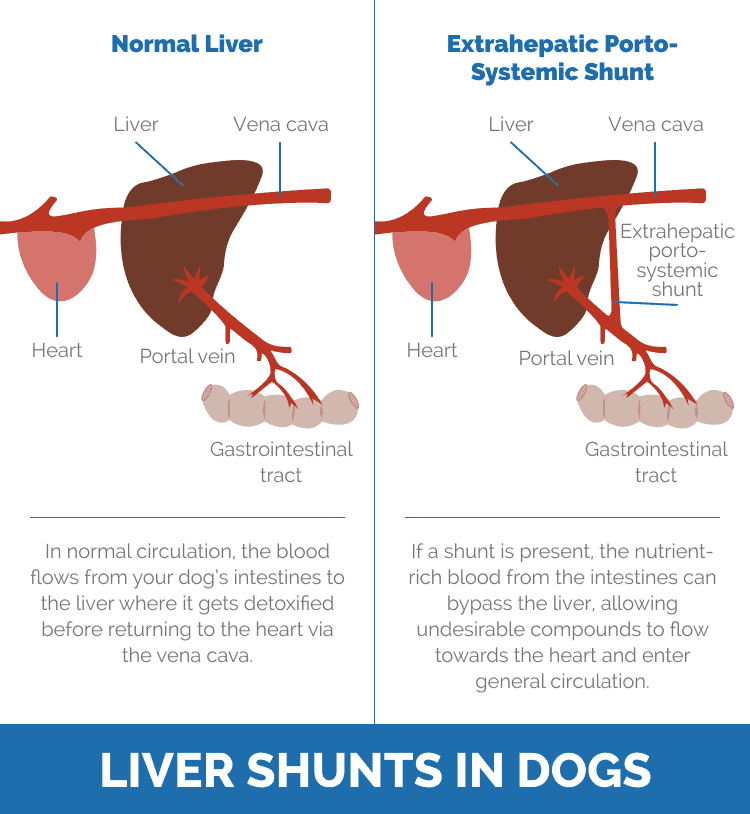
Portosystemic shunts, commonly known as liver shunts, are not especially common in dogs. However, some breeds (like the Havanese) are more predisposed to it than others. Liver shunts can either be present at birth or developed later in life.
A liver shunt is an abnormal blood vessel that connects the digestive system to the circulatory system, bypassing the liver.
Signs of liver shunts include vomiting and diarrhea, both of which may include blood in them. Your dog may also have a poor appetite, significant weight loss, and a desire to eat strange things. Behaviorally, your dog may become less active, vacant, and otherwise out of sorts or showing strange behavior.
7. Patellar Luxation

A luxating patella is essentially a dislocated kneecap. When your dog struggles with patellar luxation, you may notice that it will run awkwardly for a moment before returning to a normal gait. This is because the kneecap popped out and then back into place.
In some instances, your dog’s knee cap will pop in and out of place. In other cases, your dog’s kneecap will pop out and then cannot be placed back where it belongs. This can cause long-term issues, such as arthritis, limited mobility, and joint pain. Some dogs require surgical correction of the knee problem.
8. Heart Murmurs

Heart murmurs are abnormal heart sounds caused by irregular blood flow. Some heart murmurs will not impact a dog’s health, whereas others may indicate cardiac disease or another issue within the body.
Heart murmurs often indicate another underlying issue, such as heart disease, anemia, or hypoproteinemia. Likely, you will be unable to hear your dog’s heart murmur without veterinary tools, but if you feel odd vibrations in your dog’s chest, that could be a sign of a heart murmur.
9. Deafness

Deafness refers to the complete or partial loss of hearing. Dogs may be born deaf, or they may develop it over time. Some hearing loss is not uncommon in older dogs, although certain breeds have a higher predisposition.
If your dog is developing hearing loss, you will notice that your dog has stopped responding to its name and other sounds. If it is asleep, you may discover that loud noises will not wake it.
In Conclusion
Havanese dogs tend to be healthy, but that does not mean that they do not have their own fair share of health conditions to watch out for. Typically, these conditions come with some obvious signs, such as the signs for cherry eye and deafness; however, there may be instances where symptoms are difficult to spot. For this reason, it is always important to keep a close eye on your dog and note any behavioral or physical changes and have regular check ups at the vet.
Sources
https://www.havanese.org/education/new-owners/78-havanese-health-issues
https://cgejournal.biomedcentral.com/articles/10.1186/s40575-020-00097-5
https://vcahospitals.com/know-your-pet/heart-murmurs-in-dogs
https://vcahospitals.com/know-your-pet/luxating-patella-in-dogs
https://www.petmd.com/dog/general-health/liver-shunts-dogs-what-you-need-know
Featured Image Credit: Dorottya Mathe, Shutterstock
Expert dog care, straight to your inbox
Vet-reviewed advice, training tips, and the best of Dogster. Free, and you can unsubscribe anytime.
By signing up, you agree to our Terms & Conditions and Privacy & Cookies Policy.
Pets are Jordyn’s passion, especially cats. Whenever she has the opportunity, she loves to learn about animals and share her knowledge with everyone. She is devoted to her mischievous tabby cat named Jack and works hard to buy him his favorite toys and treats. Discovering new ways to better care for her pet is always on the top of her to-do list, and she is eager to help pet parents everywhere who have similar pursuits. In her free time, she loves to write, read, and take long walks. She has a creative spirit, which often helps her to come up with funny cat names.
Join the conversation
Ask a question, share your story, or send private feedback.