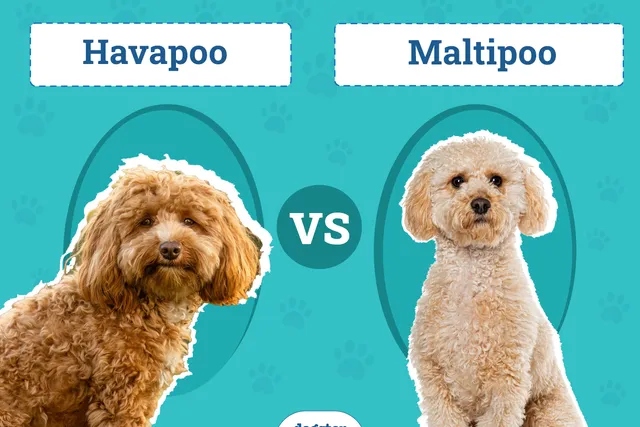
Havanese vs. Maltipoo: What’s the Difference? (With Pictures)

In this article
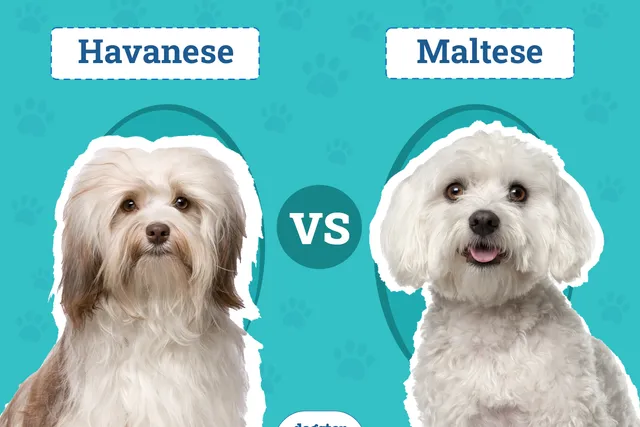
Havanese and Maltipoos are adorable dogs that make great companions for most families or owners. The Havanese is the only dog native to Cuba. It is quickly becoming a popular pet in America, especially among those living in villas or top-floor apartments, thanks to their small, sturdy builds and sociable nature.
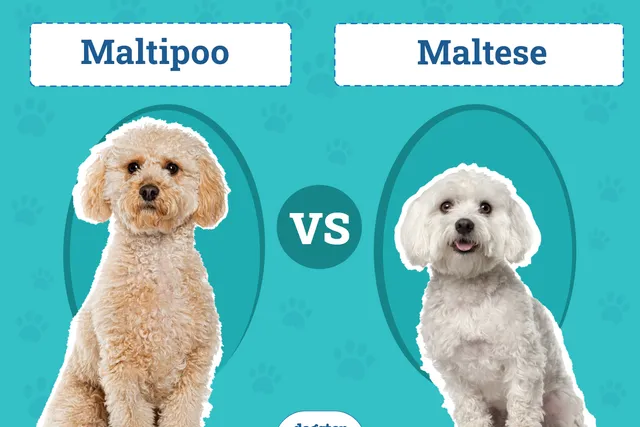
A Maltipoo is a cross between a Maltese and a Toy or Miniature Poodle, and they maintain their adorable puppy-like features and characteristics well into adolescence. Crossbreeds, such as the Maltipoo, are often regarded as designer dogs rather than mixed breeds because they are intentionally bred from two breeds.
If you are thinking about adding one of these cute breeds to your family but are still determining which one is right for you, we have provided you with all the information you need to make the best choice.

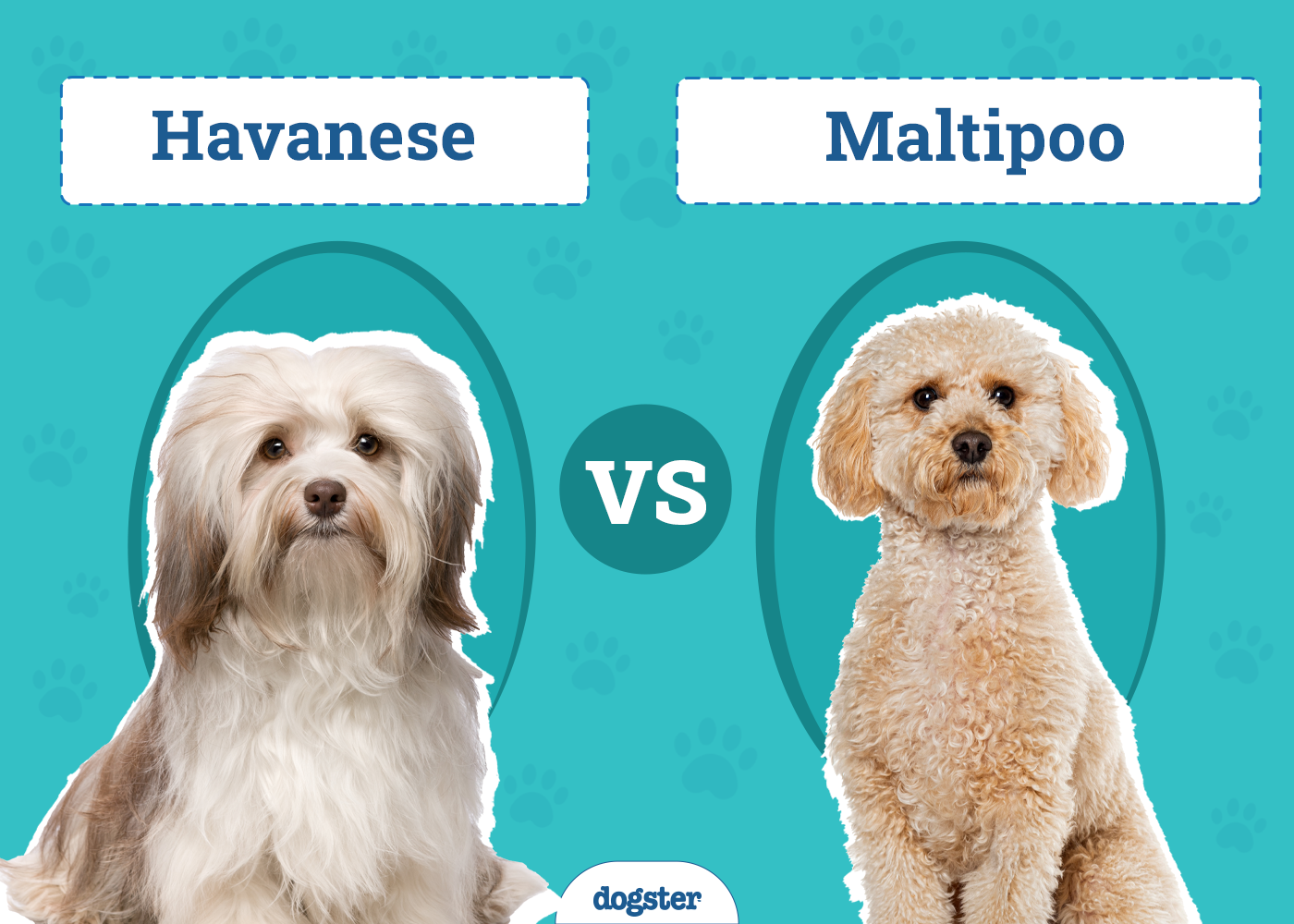
Visual Differences

At a Glance
Havanese Overview

Personality
Havanese are social companions that are full of life. They are generally happy and cheerful little dogs who enjoy affection from their owners and are affectionate toward anyone who pays them attention. They are inquisitive, enjoy playing, and are usually quite vocal about it. They learn quickly, and this, combined with their playful nature, makes them eager to learn new tricks.
Training & Exercise

Havanese don’t have high exercise needs, so a brisk walk around the park or a game of fetch will provide enough activity to keep them well-exercised. If you don’t have access to the outdoors regularly or it’s a rainy day, some playtime in the house will also suffice.
When training them, care and patience need to be taken, as they are sensitive and don’t respond well to being scolded. They get along well with other pets and people, but early socialization is vital, especially if you live in the city and are regularly changing environments and meeting new people.
Health & Care
Havanese have a lifespan of 12–14 years and are generally healthy dogs. Like most breeds, however, they are prone to a few health issues, such as:
- Patella Luxation: A common condition in dogs where the kneecap shifts away from its usual position.
- Elbow Dysplasia: A condition characterized by abnormal bone growth or development that disrupts the function of the elbow.
- Chondrodysplasia: This disorder causes abnormal cartilage growth, resulting in the disproportionate growth of a dog's limbs.
- Legg-Calve-Perthes: Legg-Calve-Perthes disease usually affects small dog breeds and occurs when the ball at the top of the femur loses blood circulation and deteriorates inside the hip joint.
Regular knee, eye, hip, hearing, and cardiac tests for a Havanese may be recommended by your veterinarian to detect some of these health issues early on.
Some Havanese are prone to obesity, so their calorie intake and weight will need to be monitored. A Havanese should be fed high-quality dog food that is age-appropriate, and treats should be given sparingly.
Grooming ✂️

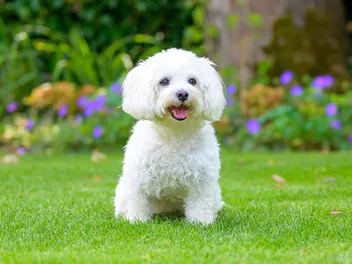
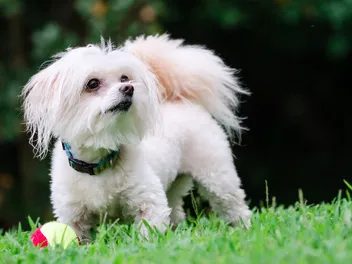
Havanese have a soft and silky coat that needs daily combing to prevent it from getting tangled and matted. Grooming time can be saved by trimming the fur short. They will need to be bathed occasionally or as needed. A gentle cleaning of the corner of their eyes can be done daily to prevent tear stains.
Suitable For:
Havanese make a great pet for anyone looking for a small companion, but they are particularly suitable for seniors and people living in the city. They enjoy moderate playtime and exercise, so a large yard is unnecessary, and playing around inside an apartment can be enough. They are great with children and other pets as long as they are socialized early. They don’t require much grooming.
If you are looking for a cheerful, small dog that enjoys playing but doesn’t require much exercise, loves affection, gets along with other pets and children, and has minimal grooming needs, then a Havanese may be a great choice. They don’t enjoy being alone for too long, so they are best suited to owners who are home often.
Pros
- Perfect companion for city living
- Happy, sociable, and affectionate
- Playful and easily trained
- Moderate grooming needs
Cons
- Doesn’t enjoy being alone for too long
- Prone to minor health issues
- Can be vocal
Maltipoo Overview

Personality
Maltipoos are cheerful and affectionate and usually get along with anyone they may meet. They enjoy playing and spending time with their owner just as much as they like a cuddle. Their long-lasting, adorable puppy-like qualities have made them one of the most popular mixed breeds. They are friendly dogs but are fond of mischief, which can be handled with correct socialization and training.
Training & Exercise

Like most small breed dogs, Maltipoos enjoy a short walk or a run around the garden. They are active little dogs requiring at least 15 minutes of exercise daily to stay happy and out of mischief. Exercise can include a walk around the garden or park, playing ball, or playing with other toys that can also be enjoyed indoors.
Maltipoos should be trained from between 8–12 weeks old. It typically takes them 3–6 months to be completely house-trained. Use positive reinforcement and reward it with treats and praise.
Health & Care
If you are considering adopting a dog, it’s important and helpful to understand the health issues that may arise. Maltipoos have a lifespan of 10–13 years and are prone to a few health conditions.
- White Shaker Syndrome: This syndrome is a condition in which a dog's entire body shakes due to inflammation of the cerebellum for unknown reasons.
- Epilepsy: This is a neurological condition that causes dogs to have uncontrollable, recurring seizures.
- Progressive Retinal Atrophy: The function of the retinal cells begins to decline, resulting in impaired vision or even blindness.
Grooming ✂️

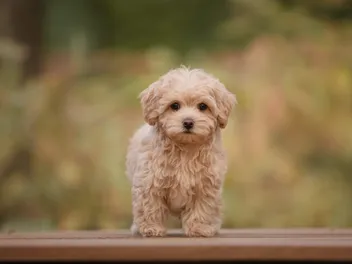
Your Maltipoo’s coat will determine how much grooming is needed, but they generally require regular brushing that can be done daily to avoid matting. Their heads should be trimmed monthly, and their tails should be groomed at least once or twice a year. Their nails can be clipped monthly to keep them neat and healthy.
Because these small dogs are prone to periodontal disease, you should brush their teeth regularly with vet-approved pet toothpaste. Keep their ears clean and check them regularly since they can collect a buildup of dirt and moisture.
Suitable For:
Maltipoos are great companions for owners looking for affection-loving lap dogs. They enjoy love and cuddles and are sensitive to their owner’s needs and wants, which makes them excellent therapy dogs. They are a good choice for first-time dog owners, seniors, empty nesters, and families with older kids. Children should be over the age of 6 and should know how to handle these small dogs, as they can be easily injured.
Maltipoos can adapt to any home, whether an apartment or a big house, and they enjoy being indoors. They don’t like being left alone for long periods and may bark when strangers approach, so they may not be ideal for buildings with noise restrictions.
Pros
- Stay puppy-like for years
- Cheerful and affectionate
- Good therapy dogs
- Easily trained
- Moderate grooming needs
Cons
- Mischievous
- Doesn’t enjoy being alone
- Prone to minor health conditions
Which Breed Is Right for You?

Both breeds are cheerful dogs that love affection and being near their owners. They are suitable for families with kids and other dogs, the elderly, and empty nesters looking for companionship. Maltipoos are more sensitive to the needs and wants of their owners, and they are a better choice if you are looking for a therapy dog. Maltipoos are also a better option for a first-time dog owner who may be nervous.
The Havanese and Maltipoo will need around 15 minutes a day of exercise which can be a walk around the garden or playing with a ball in the apartment. On that note, both breeds are suitable for apartment living, as they don’t require much exercise and generally prefer being indoors.
Both breeds have coats that require regular brushing to prevent matting, but if compared, Maltipoos generally need a bit more grooming. They are both prone to health conditions and have relatively long lifespans.
Maltipoos can be a little mischievous, especially if they are bored, but Havanese can be a little more vocal. The Havanese and Maltipoo will make great companions and enjoy being a part of a home where they are not left alone for too long.
Related reads:
Sources
Feature Image Credit: Top - Dennis Bautista, Pexels | Bottom - OlgaOvcharenko, Shutterstock
Expert dog care, straight to your inbox
News, insights, expert advice, and everything dog.

No spam — unsubscribe anytime.
By signing up, you agree to our Terms & Conditions and Privacy & Cookies Policy.
How useful was this post?
Click a star to rate. You can leave written feedback afterwards. (We read all feedback.)
Nicole has loved animals of all sizes her whole life so it's no wonder she has dedicated her career to helping them through what she loves best: learning, writing, and sharing knowledge with others. She’s the proud mom of two dogs, a cat, and a human. With a degree in Education and 15+ years of writing experience, Nicole wants to help pet parents and pets around the planet to live happy, safe, and healthy lives.