Fawn Great Dane: Info, Pictures, Origin & History

In this article
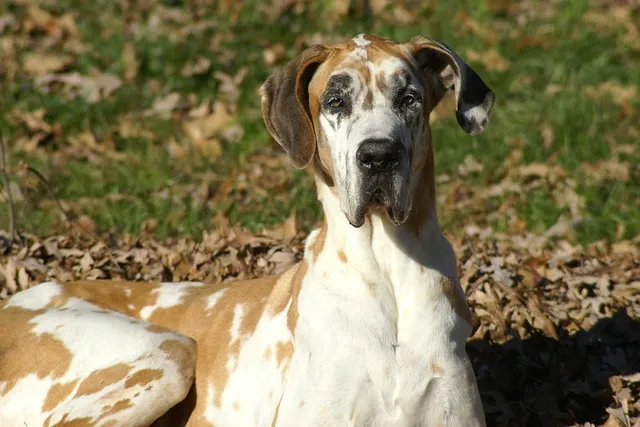
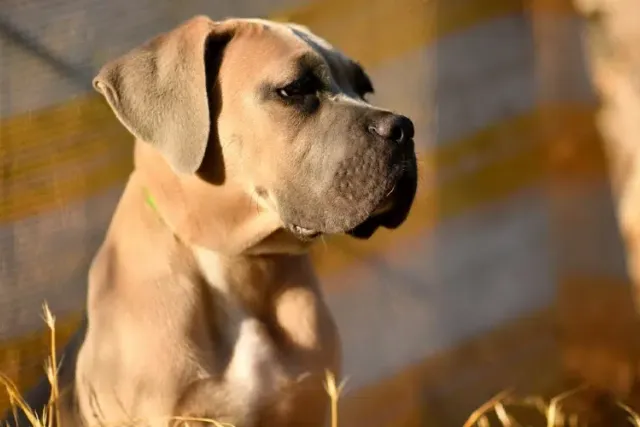
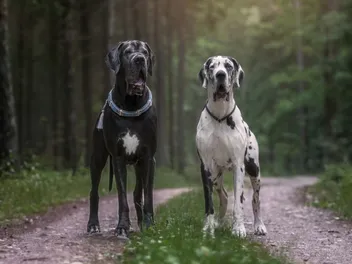
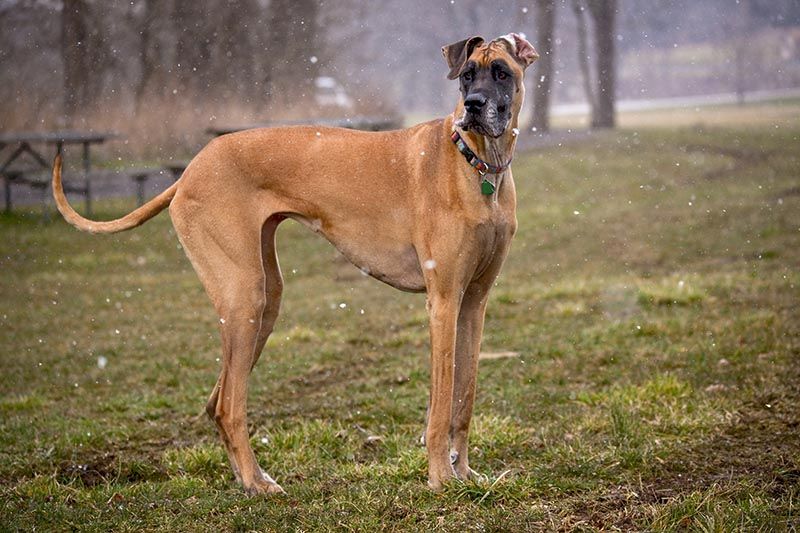
Fawn is one of the most common Great Dane colors. It was likely one of the first colors seen when the breed developed into the Great Dane we know today. These Great Danes have golden brown fur that covers much of their body. However, they do have some darker markings around their eyes and snout.
Breed Overview
Height:
Weight:
Lifespan:
Colors:
Suitable for:
Temperament:
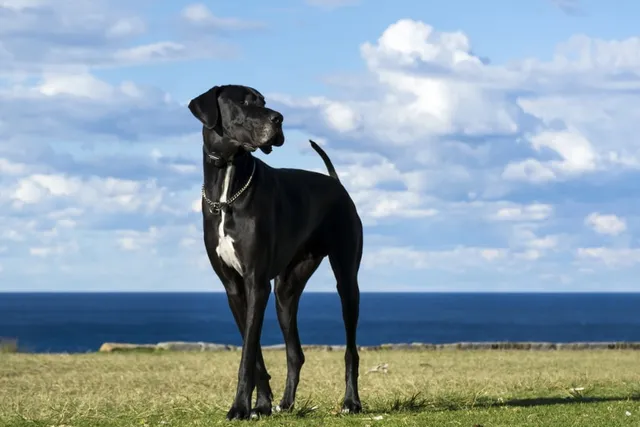
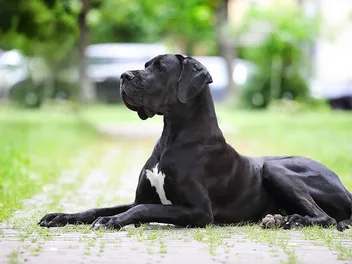
This coloration is easily considered the quintessential Great Dane color. However, there are plenty of other common colors, too. For instance, black is a surprisingly common color that isn’t recognized nearly as much.
The fawn Great Dane shares the same history as the rest of the breed.
Fawn Great Dane Characteristics

The Earliest Records of Fawn Great Danes in History

The Great Dane took a while to come about in the form we recognize today. However, we do have a pretty well-documented history of how this breed formed since it was a rather late development.
In the 16th century, noblemen had a small obsession with larger, long-legged dogs. Usually, these came from England. To meet the demands of the nobility, English Mastiffs were crossed with Irish Wolfhounds, which lead to a dog that resembled the Great Dane.
However, at this point, the breed was not standardized. They came in many shapes and sizes. Often, they were simply called “English Dogs.” While this breed did resemble the Great Dane, it would take a couple of hundred years for the breed to standardize. In the meantime, the English Dog would branch out into several other species—not just the Great Dane.
Originally, these dogs were utilized to hunt boar and deer. At the time, the dog would need to hold the prey animal still while the hunter killed the animal. However, as guns became more widespread, this was no longer necessary. Therefore, using large dogs like Great Danes for hunting eventually fell out of practice.
How Fawn Great Danes Gained Popularity
These dogs were quickly used for other purposes. The same noblemen that were using them to hunt started using them as “chamber dogs.” Simply put, this was a dog that slept in the lord’s chamber at night. Sometimes, this was so that the dog could guard the sleeping master. However, at other times, it was just because the nobleman liked the dog.
Usually, these dogs were outfitted with ornate collars and treated like companion animals (instead of the solely purpose-driven relationship usually seen earlier). These dogs were no longer kept in kennels until hunting time but enjoyed leisure inside the lord’s home.
During this time, the breed was still being developed. Other hounds and dogs were imported to increase the size of the Great Dane. Eventually, this led to the breed as we know it today. Likely, the fawn coloration was already well-established at this time.
Formal Recognition of the Fawn Great Dane

The fawn Great Dane was recognized very early in the history of kennel clubs. The AKC recognized the breed as early as 1887, and many European kennel clubs recognized the breed even before then.
This makes sense. At the time, many of those involved in breeding dogs were nobility. After all, you needed plenty of extra resources to feed and house a bunch of dogs. These individuals were often those that were involved in the early kennel clubs and in charge of choosing what was a dog breed and what wasn’t.
Similarly, the Great Dane was largely a dog for nobility. Not only did this breed start as a noble hunting dog, but it was also developed as a nobleman’s dog. It cost a lot of money to raise and keep these dogs due to their larger size.
Therefore, it makes sense that a breed mostly utilized by noblemen was also one of the first ones recognized by noblemen.
Top 3 Unique Facts About the Fawn Great Dane
1. Great Danes aren’t actually Danish.

Despite their name, Great Danes aren’t actually Danish. In fact, they were developed in Germany for the most part, though mostly English dogs were utilized. Originally, these dogs were called “English Dogs” or “German Mastiffs.” They were even called “German boarhounds” by some individuals. Often, they were marketed under the name “German Dogge” by individuals selling them largely for luxury purposes.
However, eventually, the German adjective died off due to increasing tensions between Germany and other countries. The term "Great Dane" wasn’t presented until 1755 when the name was used in a natural history book.
2. Great Danes are very old, despite having a very detailed history.
While we do know a lot more about this dog’s development than other breeds, it is old compared to some more modern breeds. The Great Dane’s development began around 400 years ago. However, the breed varied a lot at this time, and it wasn’t nearly as large as it was today. Instead, the breed largely fits the description of a “mixed breed.”
The English Mastiff and Irish Wolfhound were used to make this breed. However, it was vastly more popular in Germany than in England and this breed’s development largely occurred in Germany.
3. Great Danes were originally hunting dogs.
Originally, this breed was a hunting dog. It was utilized to hunt boar and other large animals in Germany. In those days, a dog was needed to hold the animal in place while the hunter killed it. Therefore, hunters needed these very large, stocky dogs for this job.
However, when guns developed, hunting became much more efficient and Great Danes stopped being used for their original purpose. Instead, they were utilized as luxury dogs—not hunting animals. For this reason, they aren’t as hunting-oriented as other hunting breeds today. They have been kept as companion animals for a very long time.


Do Fawn Great Danes Make a Good Pet?
These dogs can make very good companion animals—no matter their coloration. These dogs were largely utilized as companion animals over the last couple of hundred years. Therefore, they have been bred to exhibit the traits owners often want in a companion dog. They are agreeable, human-oriented, and mannered.
The only major downfall is their large size. While they aren’t terribly active, they do need quite a bit of room to just be. Therefore, they aren’t necessarily good for apartments unless you have quite a bit of room in your apartment.
Furthermore, these dogs also cost more to upkeep. As you might imagine, they eat a lot, so it’s vital that you have the money to pay for their food. However, they also tend to have more expensive vet bills, as they need higher doses of medication and more hands during surgery.
Final Thoughts
Great Danes have likely had the fawn coloration for much of their history. As a common color, fawn is recognized by most kennel clubs. While it isn’t necessarily the most common color, many people do imagine Great Danes in this coloration, especially if they don’t work with them closely.
Fawn Great Danes are just like any other Great Dane. This breed is bred primarily to be a companion animal. Therefore, they are a great option for those looking for a laidback dog that will do plenty of cuddling. However, their larger size can complicate the matter a bit. Therefore, we highly recommend these dogs for larger homes where they have plenty of room to stretch out.
Featured Image Credit: Dmussman, Shutterstock
Expert dog care, straight to your inbox
News, insights, expert advice, and everything dog.

No spam — unsubscribe anytime.
By signing up, you agree to our Terms & Conditions and Privacy & Cookies Policy.
How useful was this post?
Click a star to rate. You can leave written feedback afterwards. (We read all feedback.)
Kristin loves to help pet parents create a fulfilling life for their pets by informing them on the latest scientific discoveries and helping them choose the best products for their pets. She currently resides in Tennessee with three cats, four dogs, two fish, and a lizard, though she has dreams of owning chickens one day!