Fawn Pug: Info, Pictures, History & Origin


In this article
Companion dog breeds have a long history of loyalty to their human family members. The Pug can be traced back almost 2,000 years to ancient China, and they have always been one of the most adored companions in the world for their affectionate nature and their adorable faces.
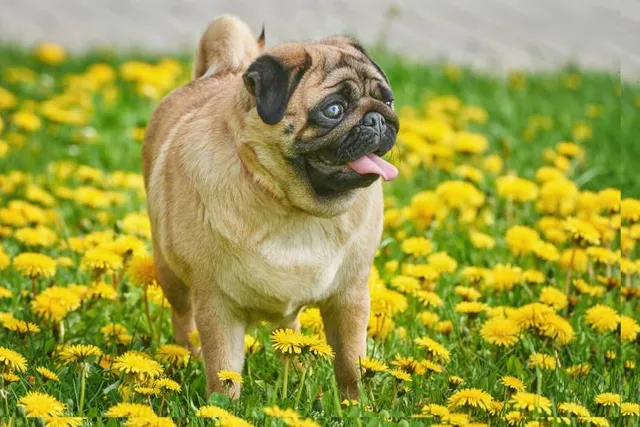
Along with their easily recognizable squashed face and wrinkles, their fawn coloring is a beloved part of their appearance. This guide will explain more about this color variation.
Breed Overview
Height:
Weight:
Lifespan:
Colors:
Suitable for:
Temperament:
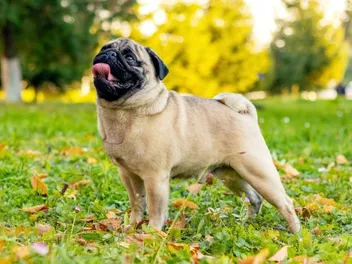
When you think of Pugs, the first thing you think of might be the squashed nose and big eyes, but the second is likely to be their color. Fawn Pugs are recognized by their dark faces—almost like they’re wearing a mask—and the off-white coloring of their fur.
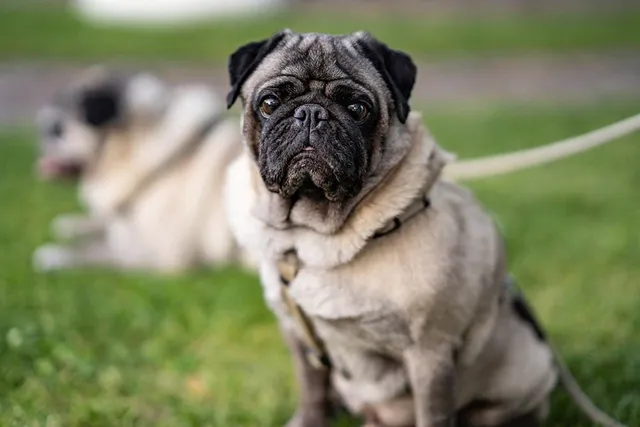
Although black is a common color, fawn is the most popular variation when it comes to Pugs. There are also silver-fawn and apricot-fawn variations recognized by kennel clubs outside of the USA as part of the breed standard.
Fawn Pug Breed Characteristics

The Earliest Records of the Fawn Pug in History
Although their appearance might make it look otherwise, the Pug is one of the oldest dog breeds in the world. They were first recorded by Confucius in 551 B.C. Pugs were developed by Tibetan Buddhist monks and, like the Shih Tzu and the Pekingese, were beloved companion dogs for the Chinese imperial court. They were perfect companions for the emperor and his family.
The Pug was adored for their willingness to accompany their owners everywhere and their cuddly nature. They are quintessential lap dogs and, despite how much of a closely guarded secret the breed was originally, they quickly gained popularity in Japan, Russia, and then Europe in the 1500s.
The original dogs were mostly black due to the fawn color resulting from recessive genes, but selective breeding allowed for the development of the fawn coloring. These days, fawn Pugs are the most common.

How the Fawn Pug Gained Popularity
Part of the original fascination with many Chinese breeds like the Pug is the fact that they were a closely guarded secret of the imperial court. It was a rare case when a Pug would be given to an outsider, and it took a long time before anyone managed to introduce the breed to the world.
However, their isolated past didn’t affect how quickly these dogs grew in popularity. Once Pugs were introduced to Holland by Dutch traders, their size and loving natures won the hearts of Europeans. As they gained a foothold in Europe and the UK, the Pug was also introduced to other places in the world.
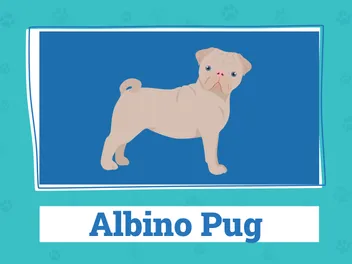
In the USA, in particular, the Pug is one of the most beloved companion breeds. Although there are rare white and albino Pugs, and black is a common favorite, fawn Pugs remain the most common.
Formal Recognition of the Fawn Pug
The Pug as a breed was recognized by the AKC in 1885, and the breed standard has two varieties: black and fawn. The AKC also accepts silver-fawn and apricot-fawn, but they are considered variations of the fawn coloring rather than separate colors. If you plan on entering an AKC show with your Pug, anything other than fawn or black will lead to disqualification.
Outside of the USA, Pugs were recognized by the UK’s Kennel Club in 1873. The UK’s breed standard accepts silver and apricot as different colors rather than a variation of the fawn coloring.

Top 3 Unique Facts About the Fawn Pug
1. They Used to Have Longer Noses
When Pugs were first developed, the Chinese imperial court favored a shorter nose and deep wrinkles. However, despite the squashed nose being intentional, the Pug's early ancestors had slightly longer noses than they do today.
It was modern breeding practices that developed the much shorter, squashed faces as an attempt to make the Pug—and other short-nosed breeds—even cuter. With the number of health issues facing Pugs due to their short nose, many modern breeders are finally taking steps to breed Pugs with slightly longer snouts.
2. A Pug Rescued a Prince
Pugs were initially introduced to Europe through the efforts of Dutch traders in the 1500s. Once there, they immediately gained favor as companions for the members of the royal House of Orange. While this might not have been a big change from their past as companions for the Chinese emperor and his court, it gave Pugs a chance to prove themselves worthy of being royal companions.
During an invasion by Spanish troops, a Pug named Pompey alerted Prince William of Orange to the presence of Spanish soldiers at the camp. As a result, Prince William prevailed and later took the throne in England in the late 1600s.

3. The Fawn Coloring Is Recessive
The fawn color might be the most well-known today, but it was only because of selective breeding practices that it came about. Since black is the dominant gene, it took careful breeding to introduce the fawn color as a standard. Nowadays, it’s hard to believe that the fawn color wasn’t always as commonplace as it is now.

Does the Fawn Pug Make a Good Pet?
No matter what color your Pug is, they are one of the best companion breeds in the world. They’re loyal, affectionate, and quite happy to follow you everywhere. While they can’t be left alone for too long, if you work from home, your Pug will be more than happy to sit with you all day.
Fawn Pugs get along with children, other pets, and strangers they meet on walks. Their size also makes them great apartment dogs. They can, however, be stubborn and need firm but positive guidance during their training.
You also need to consider their health issues. Most of all, they suffer from respiratory and eye issues due to their squashed faces, but their laziness and fondness for food give them a much greater risk of obesity. They also have issues with heat and humidity.
Final Thoughts
Fawn is one of the standard color variations of the Pug. Although the breed started by being isolated by the Chinese imperial court, they quickly took the world by storm in the 1500s. The fawn coloring has since become one of the Pug's most recognized and beloved varieties.
If you decide to own a fawn Pug, you will have a loving companion for years. What these dogs lack in size, they more than make up for with their giant hearts.
Featured Image Credit: Tanya Dol, Shutterstock
Expert dog care, straight to your inbox
News, insights, expert advice, and everything dog.

No spam — unsubscribe anytime.
By signing up, you agree to our Terms & Conditions and Privacy & Cookies Policy.
How useful was this post?
Click a star to rate. You can leave written feedback afterwards. (We read all feedback.)
Nicole has loved animals of all sizes her whole life so it's no wonder she has dedicated her career to helping them through what she loves best: learning, writing, and sharing knowledge with others. She’s the proud mom of two dogs, a cat, and a human. With a degree in Education and 15+ years of writing experience, Nicole wants to help pet parents and pets around the planet to live happy, safe, and healthy lives.