Are Great Danes Hunting Dogs Traditionally? History & Temperament

In this article
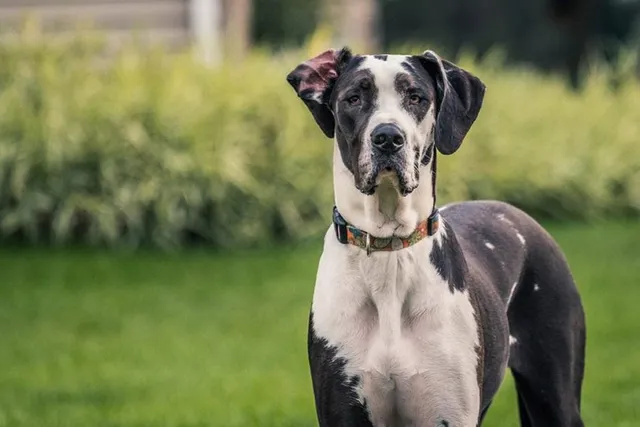
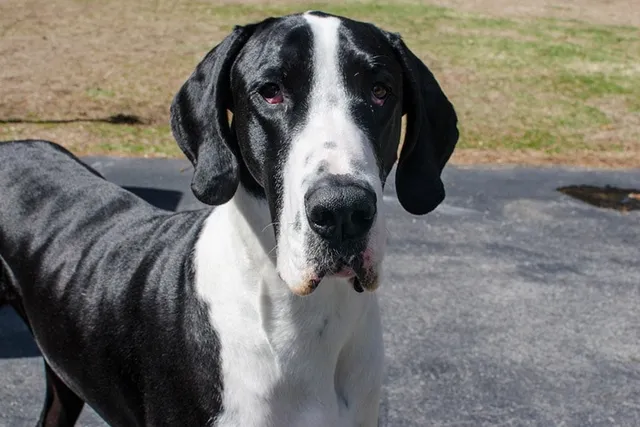
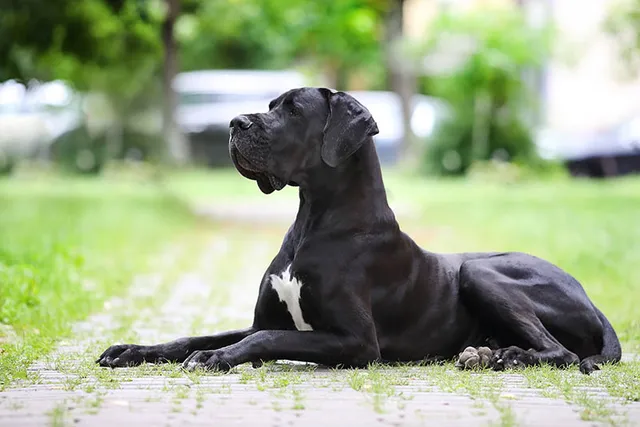
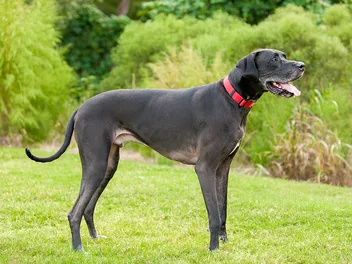
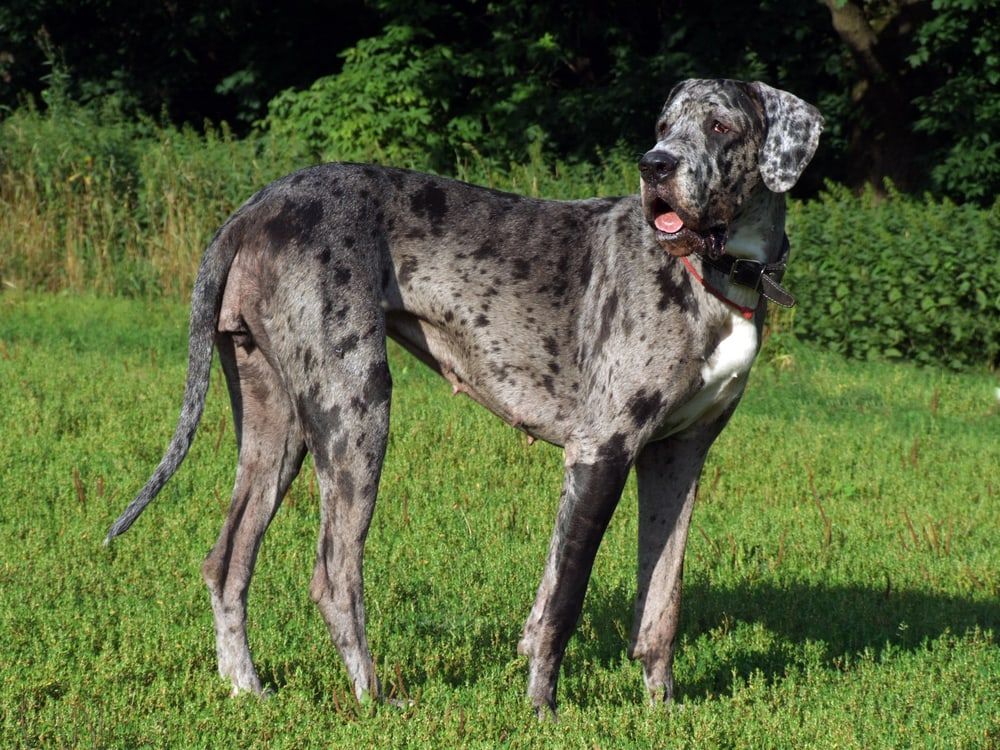
Great Danes were traditionally considered hunting dogs—originally developed in Germany for use as companion and hunting dogs. This large, powerful breed can be traced back to the 16th century when German nobles kept dogs that were used as personal guardians and hunters of wild boar. Great Danes have always been loyal friends and protectors. Still, despite their size and strength, as a modern breed, they no longer possess the athleticism, instinct, or motivation needed for successful hunting.
This isn’t to say that individual Great Danes might not be capable of learning how to hunt if properly trained; however, today’s Great Danes seem to lack an innate prey drive. Today, it would take much more effort to teach them tracking and fieldwork than with other breeds that were bred specifically for those tasks. When hunters invest in field dogs today, Great Danes rarely make the cut.
So, what happened? Let’s take a look at the history of Great Danes to see how this once mighty hunter became a cozy family pet.

Hunting Dogs
Great Danes have a rich and complex history. Throughout centuries, the breed we know today has evolved through crossbreeding and evolution. Mastiff-type dogs were likely the earliest ancestors of the Great Dane, possibly introduced to Europe by Alexander the Great during the 4th century BC.1 A Mastiff-type dog was developed when these dogs were crossbred with other local breeds. As these canines evolved, they were likely crossed with greyhounds or wolfhounds.
By the Middle Ages, Great Danes had become boar-hunting dogs for the nobility in Germany. The breed’s name is believed to have come into existence during the 16th century when it was referred to as “English Dogge” by German writers. Although they have since been improved and crossed with other breeds, their original purpose was to hunt.
They were bred and managed so successfully that they eventually became an all-purpose dog in Germany that could be used for tracking, chasing, guarding, and companionship purposes. It wasn’t until the late 1800s that the name “Great Dane” was adopted after a famous French writer wrote about its courage and size. In Germany, the dog is known as the “Deutsche Dog,” which seems to be the most appropriate name considering their origin.
The breed slowly gained popularity across Europe before becoming widely known throughout the world today. In modern times, Great Danes have been bred for traits that have taken them far from their robust boar-hunting physiques and temperaments.

Boars as Prey
Boars are challenging creatures to hunt. People and animals alike have been wounded, killed, and eaten by these animals because of their strength and ferocity. For centuries, boars have been hunted in many countries as a sport—a practice that continues today. Boar hunts provide an adrenaline rush like no other; they are wild beasts with an unpredictable level of danger that make them both exciting yet frightening adversaries.
Boar hunting requires a great deal of skill and patience; the hunter must possess excellent tracking skills to locate the boar before it is too late. Furthermore, hunters must stay aware of their surroundings at all times to avoid any unexpected encounters with these powerful creatures.
Suitability for Boar Hunting
It’s easy to see why canines that run down and catch boars need to be as tough as the boars themselves. Due to their size and temperament, most dogs simply don't have what it takes to tussle with a wild boar in the hunt. Boars are large and powerful, often weighing up to 500 pounds and possessing razor-sharp tusks that they are quick to use—both offensively and defensively. Even experienced hunters will tell you that facing off against a wild boar is no easy task. It requires size, instinct, skill, strength, speed, and agility—all characteristics that were found in the original Great Danes.
With their tall stature and muscular build, the Great Danes of bygone centuries were an excellent choice for brave hunters to use when confronting these ferocious wild animals. These large dogs had an intimidating presence: their deep bark, pursuit instincts, and impressive size meant they were well-suited to their original purpose of taking on large game and could be trusted to help chase down some of nature's most powerful creatures.

Ear Cropping: Evidence of a Hunting Past
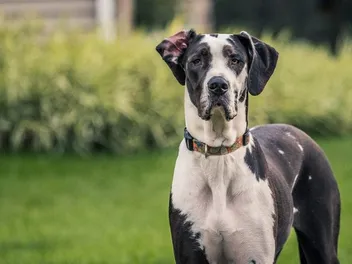
When fighting with a wild boar, there was a real chance that the cornered prey could damage or tear off a dog’s ears. Ear cropping was aimed at minimizing that risk by removing some or all of the pinnae or the ear's exterior flap. In historical accounts and images of Great Danes, cropped ears are often depicted. For example, a cropped-ear Great Dane is captured in an early 18th-century portrait by Jacopo Amigoni. Boar hunting is no longer conducted by Great Danes in the modern era, and most owners consider ear cropping a cruel and unnecessary—though sometimes still fashionable—practice.
Today, ear cropping remains common among Great Dane owners who believe that it gives the breed an aesthetically pleasing look. Despite this, many animal welfare groups oppose ear cropping due to potential health risks associated with the procedure such as infection and excessive bleeding.
Conclusion
In conclusion, the Great Dane has a long and complicated history as a hunting dog. Originally, they were bred to hunt wild boar in Germany, but over time, they have become more of a companion animal. Today, the vast majority of Great Danes remain as loyal family pets, with a far reduced prey drive and a reputation as a gentle giant. For many of their owners, the greatest joy that comes from owning a Great Dane is their friendship and their willingness to please.
Featured Image Credit: velora, Shutterstock
Expert dog care, straight to your inbox
News, insights, expert advice, and everything dog.

No spam — unsubscribe anytime.
By signing up, you agree to our Terms & Conditions and Privacy & Cookies Policy.
How useful was this post?
Click a star to rate. You can leave written feedback afterwards. (We read all feedback.)
Nicole has loved animals of all sizes her whole life so it's no wonder she has dedicated her career to helping them through what she loves best: learning, writing, and sharing knowledge with others. She’s the proud mom of two dogs, a cat, and a human. With a degree in Education and 15+ years of writing experience, Nicole wants to help pet parents and pets around the planet to live happy, safe, and healthy lives.