Bernese Mountain Dog vs Great Pyrenees: Key Differences (With Pictures)


In this article
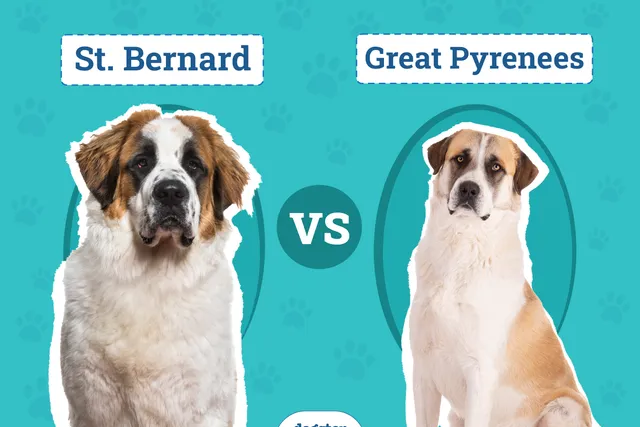
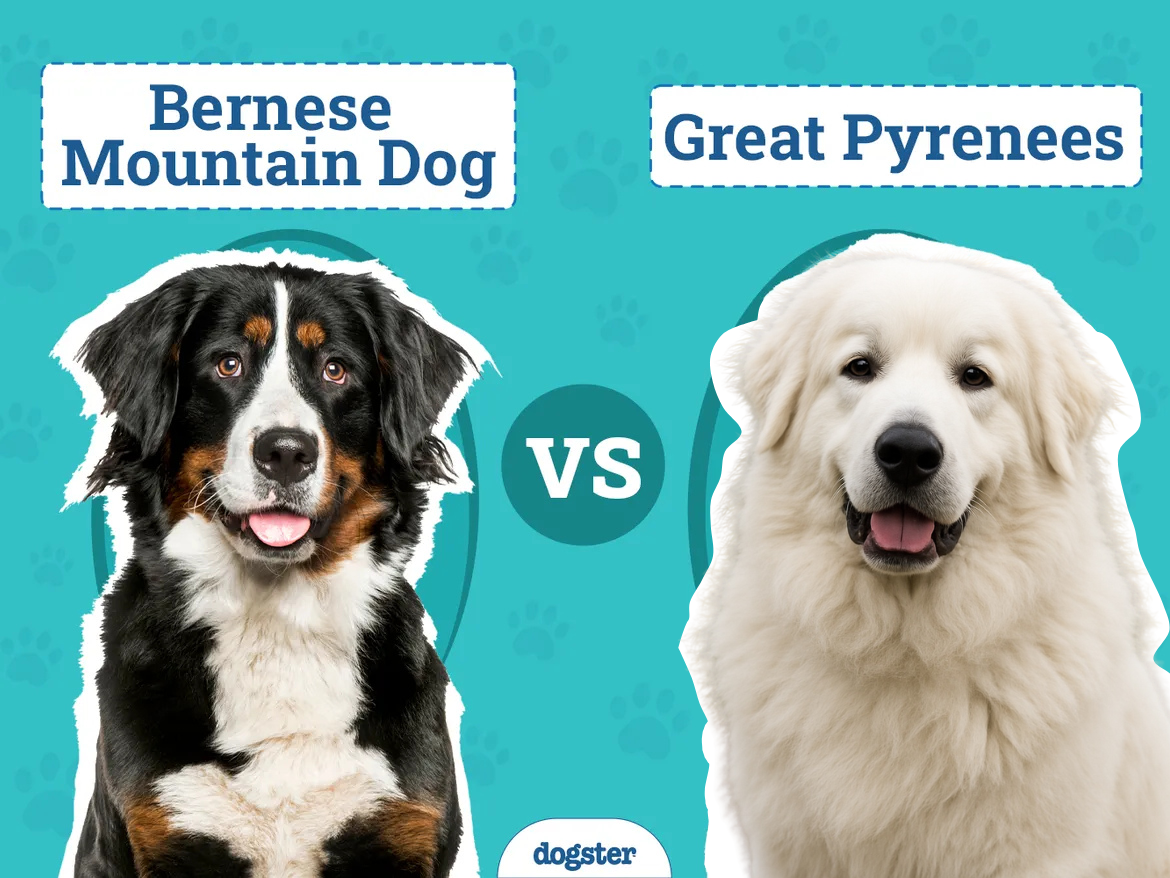
If you’re looking for a strong, family-friendly, and loyal dog, you’ve probably got your eye on these two beautiful breeds: the Great Pyrenees and the Bernese Mountain Dog. Both breeds are intelligent, brave, and ready to go that extra mile for their owners. They have similar physical traits, too, and are roughly the same size and height. That said, the Bernese Mountain Dog is more playful and eager to please. In contrast, the Great Pyrenees mountain dog aren’t quick to follow commands.
So, which dog will be the perfect pet for your family? Should you pick the Bernese over the Pyr, or maybe the snow-white pooch will be a better choice? Let’s find the answers together!

Visual Differences

At a Glance

Bernese Mountain Dog Overview
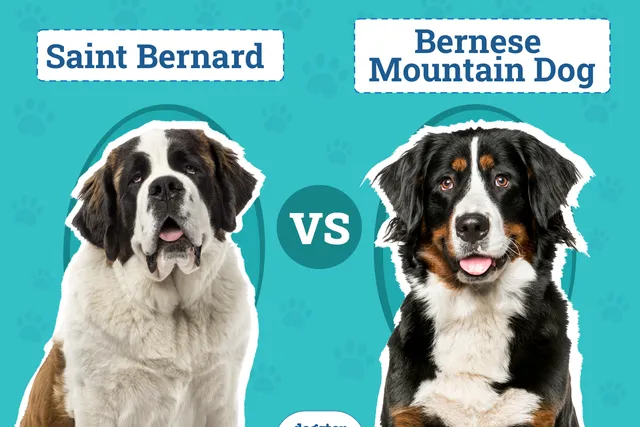
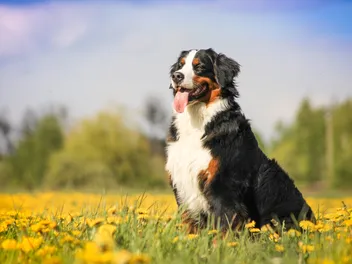
Smart, easy-going, and with a strong desire to make their family happy, the Bernese Mountain Dog is one of the cutest and most lovable dog breeds on the planet. Bred to serve as a draft and farm dog, the Bernese Mountain Dog can pull heavy stuff and protect livestock. If you have little kids, this breed has historically been used to pull carts, though this should only be done safely and under appropriate conditions. Sometimes called a Berner, the Bernese Mountain Dog is big, heavy, and ready to take on a challenge. It is a highly social pet.
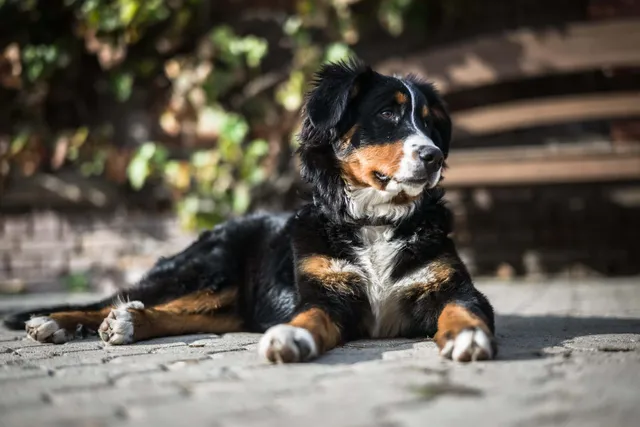
Brought to Bern, Switzerland, more than 2,000 years ago by the Roman Empire, the Bernese Mountain Dog was recognized as a distinct breed in the early 20th century, with breed standards established around 1912. It is one of the four Swiss dog breeds from Bern, and originally, it was used on farms as a draft, droving, and guard dog. A hardworking breed, it follows commands willingly and has enough stamina to keep up with a physically active family. The tri-colored coat, rust-colored spots above the eyes, and triangular ears make this dog stand out in the crowd.

Personality/Character
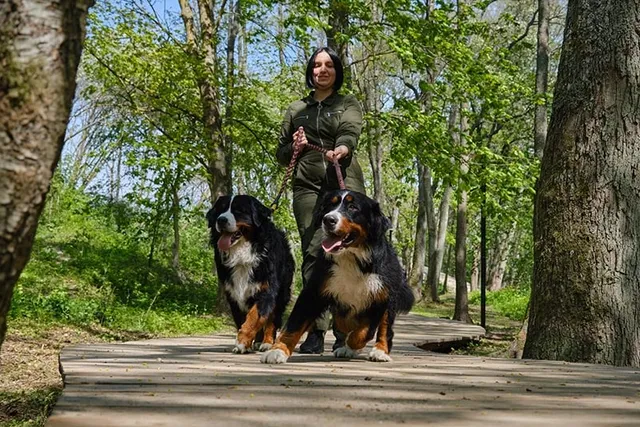
Berners have a lovely personality. They quickly get attached to every member of the family, yet only create a strong bond with one person. If that someone happens to be you, that makes you special! Caring by nature, they are generally gentle and are not typically a threat when properly socialized and supervised, including around little kids, despite their imposing size. Playing games, going out for a run, or just chilling in front of the TV: these dogs often enjoy spending time with their family indoors in addition to outdoor activity.
More good news— Bernese Mountain Dogs are generally friendly toward other dogs and accepting of strangers. So, if you already have a pet dog at home, it shouldn’t be hard to introduce it to your Berner as a new member of the family. Of course, you’ll have to be there and supervise the dogs. We’re also happy to point out that Berners have an above-average adaptability level. They might be a bit shy initially, but they adjust quickly.
Training 🎾
Bernese Mountain Dogs are social and generally responsive to training, which makes them perfect for training. And the sooner you start, the better the results will be. Berners are capable learners and often motivated by positive reinforcement. For a pup, two or three short, structured training sessions of 5-15 minutes of training per day will be just right. This is important: since these dogs have very social and sensitive temperaments, harsh training is NOT what you should go for. Aversive methods may lead to fear, stress, or reduced learning.
So, instead of being overly strict, try to turn the process into a game. Berners are big fans of the outdoors. Do your best to spend regular, consistent time each day engaging in exercise and social interaction with the Bernese Mountain Dog. While it may tolerate moderate periods of alone time once appropriately trained and accustomed, if you neglect it for too long, that will make the Berner lonely, leading to unwanted consequences and behaviors. Crate training can be beneficial when introduced gradually and used appropriately as a safe resting space.
Health & Care
Berners are strong, sturdy dogs, but unfortunately, they only live for 7–10 years. Generally, they are healthy, yet you should still look for signs of dysplasia (hip or elbow), retinal atrophy1, and cancer. Gastric dilatation-volvulus (bloat) is a serious risk in this deep-chested breed.2 It’s a life-threatening condition seen in large and giant breeds and may have catastrophic consequences for your pet when left untreated. Watch out for the signs: is the Berner drooling and retching a lot?
Then you need to take it to a vet ASAP! You can help reduce the risk of bloat by feeding appropriately portioned meals, avoiding rapid eating, and limiting vigorous activity around mealtimes. Large-breed puppy food is also recommended. These dogs prefer cold weather, by the way, and are highly sensitive to overheating. As for the coat, to keep it in proper shape, groom it at least once every 2 weeks and brush it daily. Yes, Berners are heavy shedders! The nails, in turn, require special care: trim them regularly to help the dog move more easily.
Frequent veterinary checks, vaccinations (as recommended by your veterinarian based on regional guidelines and individual risk factors), and bathing (as needed, often every 4–8 weeks depending on coat condition) should also be a part of the routine. But what about nutrition, you might ask? These dogs are prone to obesity. To keep them healthy, feed them measured, appropriately balanced meals based on life stage and activity level, and find the right balance between giving treats for good behavior and sticking to a low-calorie diet. And don’t forget about some fresh water!

Suitable For:
Tender, gracious, and easy to bond with, Berner is typically a big fan of spending time with his family in an active home. If you’re a first-time dog owner looking for a loyal, trainable dog to play with, the Berner will be exactly what the doctor ordered. It’s a great watchdog, too, and will often alert to unfamiliar activity while remaining generally friendly toward known people. Folks with little kids will also appreciate this doggo’s loving, caring heart and generally patient nature.
Pros
- Affectionate, very easy to train
- Friendly, happy to meet new people
- Patient, generally good with children
- Beautiful tri-color coat
Cons
- Has a social and sensitive temperament
- Tends to shed a lot
- Short lifespan
Great Pyrenees Overview
Just like the Bernese Mountain Dog, the Pyrenean Mountain Dog is a guardian. Originating centuries ago in the Pyrenees Mountains, the breed was formally recognized in the early 20th century (around 1923). They were developed to serve as a protector of livestock. The French call this dog a “Patou”. So, why are they called that, exactly? The name is derived from the Pyrenees Mountains that “sit” right between France and Spain—that’s where these majestic dogs were first bred. Bigger than most dogs, the Pyr has a thick coat that protects it from harsh weather conditions.
More than that, it’s incredibly powerful and can easily scare bloodthirsty predators like wolves away. Initially, the French-bred Pyrs were bred to survive the snowy mountains and to keep their sheep safe. That’s why they’re so protective and not afraid to take on burglars who are twice their size. On average, the Great Pyrenean mountain dog's size is impressive, weighing 85–160+ pounds and up to 32 inches in height.
If you love strong, loyal, majestic dogs, it will take one look at the snowy-white coat and intelligent, noble eyes to fall in love with a Pyr. Mostly calm and friendly, they are generally calm but can be alert and protective when needed. Training them will take effort, though. Plus, the Pyrs have a slightly different character compared to Berners. Here’s a more detailed breakdown.

Personality/Character
Pyrs are vigilant, courageous, and just as affectionate as Bernese Mountain Dogs. However, you shouldn’t leave them alone with children (young children should not be left unsupervised with any dog, and supervision is especially important with large, powerful breeds), as their tolerance level is variable and depends on socialization and individual temperament. Relationships with other dogs won’t always be easy to establish, either. Again, to make sure everything goes smoothly, you’ll need to act as a supervisor. The Great Pyrenees is typically more independent and protective by nature, though, and does a strong job as a livestock guardian and alert watchdog.
Now, it might react to squirrels or raccoons running around due to natural guarding and territorial instincts. Plus, strangers won’t always get a warm welcome. But their response can improve with proper socialization and positive experiences. A quick note: Pyrs aren’t the most playful dog breed—far from that. While they do like tug-of-war and other games, resting on the couch is often a better “activity” for them. They also need some alone time now and then.
Training 🎾
Since the Pyrenees was mostly bred to be a self-sufficient, independent dog that leads and protects livestock, it’s not nearly as consistently responsive to commands as the Bernese Mountain Dog. The standard training techniques that are used to make four-legged guardians sit, stay, run, and perform other tricks won’t “impress” this guy. Independence and selective responsiveness are common traits when training a Pyr. There will be certain responses from it, of course.
But the dog will be slower to respond and may appear less motivated in traditional training settings. On the bright side, it’s still possible to make it more adjusted to society through positive reinforcement. Just like Berners, Pyrs are best to be trained while they’re still pups. In any case, please remember that this breed is less active than most dogs. Its #1 job is to protect. The big size and natural guarding posture are part of its deterrent behavior. To keep it happy, you’ll need to provide daily physical activity and mental stimulation to the Pyrenees for 30–60 minutes a day.
Health & Care
Like most dogs, Pyrs often suffer from hip and elbow dysplasia, along with patellar luxation3. Common health issues also include neurological conditions (such as degenerative disorders) and eye disorders. In addition, you need to always watch out for signs of gastric dilatation-volvulus (bloating), a life-threatening condition in deep-chested breeds that involves stomach distension and possible twisting. Make a habit of feeding appropriately portioned meals and using slow-feeding strategies, and never letting the dog consume food in large portions.
Pyrs are the proud owners of thick, dirt-resistant double coats. That’s why their grooming needs aren’t as low as you might expect. They shed seasonally (often heavily in spring and sometimes fall), and a thorough brushing at least weekly, often more frequently during shedding periods, will keep them in shape. Use a slicker or a pin brush for that. To eliminate discomfort and help the dog stay on their feet, don’t forget to trim the nails. Lastly, brush your pet’s teeth using dog-only toothpaste. Follow this health and care routine, and the Pyr will live around 10–12 years.
The Great Pyrenees mountain dog doesn’t eat quite as much as a dog of similar size might be expected to, due to a relatively lower metabolic rate compared to some active breeds. So, a balanced, high-quality diet appropriate for large breeds is recommended.

Suitable For:
The Great Pyrenees is not to be messed with! This strong, agile, and highly protective breed is a livestock guardian dog. It has a loud bark and a muscular body and will easily keep critters and burglars alike at bay. If you have a big farm to protect from intruders, the Pyr will get the job done without breaking a sweat.
It’s also an affectionate dog that bonds with their owners. You will have to put in long hours in training, though.
Pros
- Highly protective by nature
- Well-suited for guarding livestock and acting as an alert watchdog
- High grooming needs
- Above-average lifespan
Cons
- Independent and may be more challenging to train due to lower biddability
- Barks a lot, can be wary of strangers
Which Breed Is Right for You?

If this is your first dog, you’ll probably be better off with the Bernese Mountain Dog. It’s easier to train and more consistently responsive to commands. On top of that, it’s friendlier compared to the Great Pyrenees: it typically barks less frequently. The Bernese Mountain Dog is more predictable around children, too. You won’t have to always be on your toes to keep the kids from harm’s way. That said, the Pyr is more independent, headstrong, and a more specialized livestock guardian and alert watchdog.
With this breed, you can sleep better at night knowing that your family is safe. Pyrs instantly recognize potential threats; the same can’t be said about Berners. Another big pro: Pyrenees may be more comfortable spending time independently compared to some companion-oriented breeds.
So, it all comes down to what you’re looking for at the moment. If a loyal guard dog is what you need, go with the Pyr. But if your heart desires an adorable, playful, and easy-to-train doggo, the Bernese Mountain Dog is your best bet!
See also:
Featured Image Credit: Top - Shayna Douglas, Unsplash | Bottom - Tychon Krug, Pexels
Expert dog care, straight to your inbox
News, insights, expert advice, and everything dog.

No spam — unsubscribe anytime.
By signing up, you agree to our Terms & Conditions and Privacy & Cookies Policy.
How useful was this post?
Click a star to rate. You can leave written feedback afterwards. (We read all feedback.)
Nicole has loved animals of all sizes her whole life so it's no wonder she has dedicated her career to helping them through what she loves best: learning, writing, and sharing knowledge with others. She’s the proud mom of two dogs, a cat, and a human. With a degree in Education and 15+ years of writing experience, Nicole wants to help pet parents and pets around the planet to live happy, safe, and healthy lives.