Belgian Malinois vs Rottweiler: Differences Explained (With Pictures)

In this article
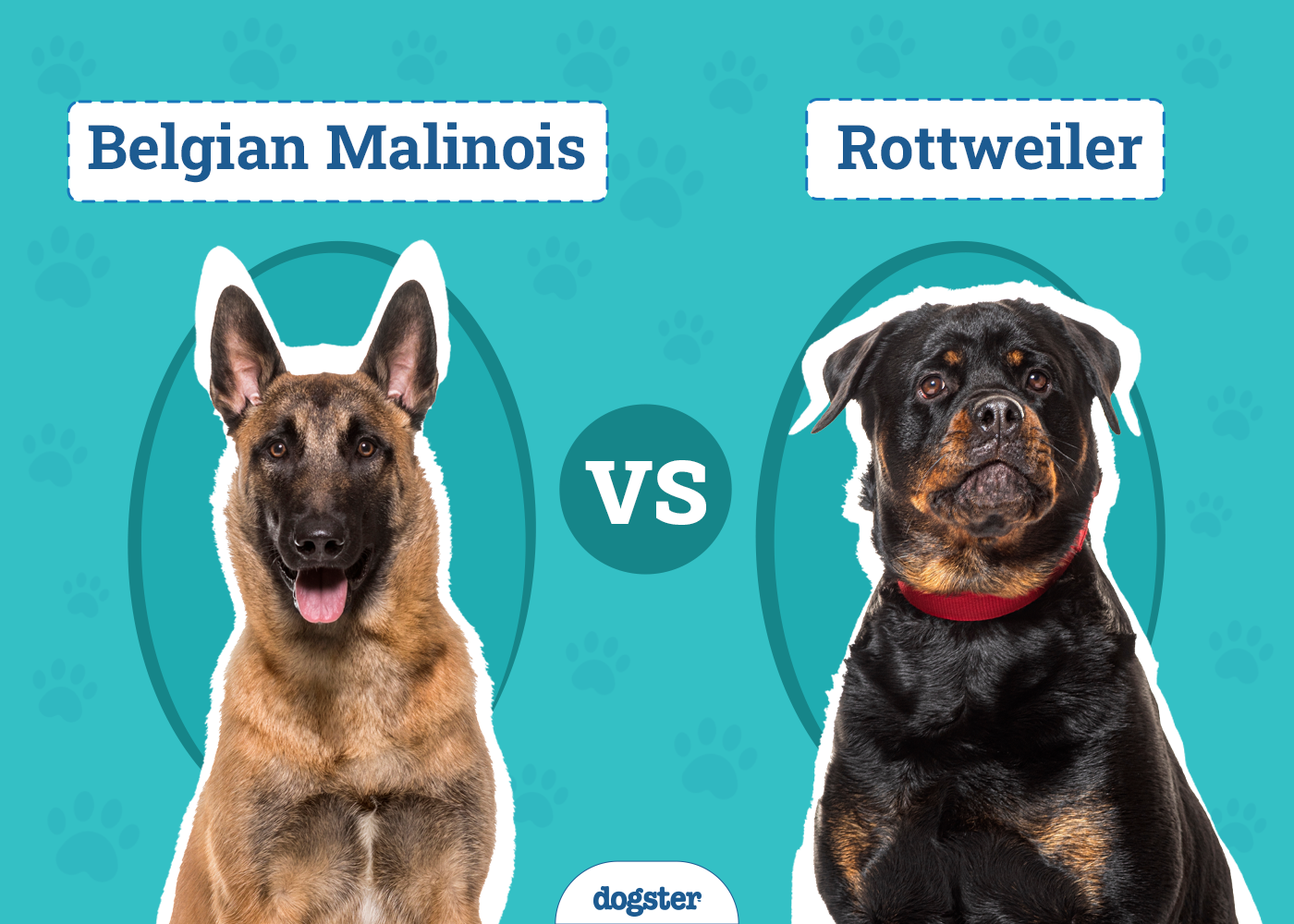
If you’re looking for a protective and loyal dog to guard your home and family, you’ve probably encountered the Belgian Malinois and Rottweiler in your research. These two working-class breeds are known for their intelligence, loyalty, and vigilant temperaments. Both are affectionate and can make great family dogs, but neither is suitable for all homes.
These two large dogs can inflict severe damage if left untrained, unsocialized, and unfulfilled, so they do best with experienced owners. Read on to learn the differences between the Belgian Malinois and Rottweiler to decide which will work best with your current living situation and lifestyle.

Visual Differences

At a Glance

Belgian Malinois Overview

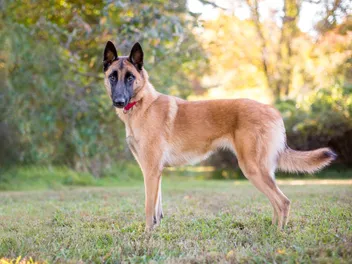
The Belgian Malinois was developed near Malines, Belgium. They were bred to be herders, but their high trainability and drive would go on to serve them well in other career paths, such as search and rescue and drug detection. However, don’t let this working breed’s inclination to work fool you. They can make great family dogs in the right household.
Personality
The Belgian Malinois is a working dog, through and through. They're confident and loyal and will stop at nothing to protect their beloved family members. They're highly affectionate toward their owners but tend to be suspicious around strangers. This assertive watchdog will protect your property and family members and may be prone to aggressiveness if not trained or socialized from a young age.
Due to their high prey drive and territorial tendencies, the Belgian Malinois may not be suitable for families with small children or other small pets. They can live with other animals if they’re brought up together or introduced slowly and methodically, but don’t count on it.
Training 🎾
The Belgian Malinois is an intelligent and obedient dog. They are strong and muscular and require an experienced and assertive owner. They're also strong-willed and determined. Once they decide to do something, they will do it. They can become aggressive without thorough training, which can be dangerous in such a powerful breed designed for chasing and biting.
All Belgian Malinois owners must begin training and socializing their dogs as early as possible. Thankfully, they're quick learners, and their eagerness to please humans makes them easier to train.

Health
The Belgian Malinois has a relatively long lifespan and few health concerns. However, as with all dogs, they may be predisposed to some health conditions. Elbow and hip dysplasia are hereditary structural joint conditions that can cause pain and arthritis. Breeders can screen their dogs for these conditions to ensure they only breed pups with hip joints rated normal or better.
Belgian Malinois may also be at risk of developing eye conditions like cataracts or progressive retinal atrophy (PRA).
Suitable For:
The ideal Belgian Malinois owner is experienced, active, and willing to train their dog every dog. The Belgian Malinois is unsuitable for households with small children or other small pets. They need intense training and socialization, so all owners must be committed and willing to do the work necessary to make their dogs well-behaved household members. They typically thrive in households where they are the sole animal, though they may be able to live alongside other pets if they grow up together.

Rottweiler Overview

The Rottweiler may very well be one of the oldest breeds, originating in Roman times. They worked as herding or driving dogs, marching over the Alps with Romans. They protected their humans and drove their cattle. In the years leading up to World War I, the demand for police dogs skyrocketed, leading to a revival of the Rottweiler. They played varied roles during the two world wars, including working as messengers and guard dogs.
Personality
Rottweilers have been unfairly demonized in the media as dangerous, unpredictable dogs that will bite at any moment. The truth is that a well-trained and socialized Rottweiler will be calm and confident and can make a great family pet. They're never shy, though their aloofness means getting used to new people or situations can take time. They're affectionate and curious with their family and often follow their humans around the home. They don't realize they're large dogs, so it’s not unusual to have yours plop into your lap for a snuggle session despite their large size and heavy weight.
Rottweilers have an innate desire to protect their territory and family members but should never display aggressive tendencies without cause. These intelligent and adaptable dogs have a strong work ethic but need guidance to live harmoniously alongside their humans.
Training 🎾
Despite their reputation, Rottweilers are very gentle dogs, but they can be stubborn. Their eagerness to please their humans and high intelligence makes them easy to train, though their stubbornness can sometimes be challenging. As with most other breeds, the earlier you can begin training and socializing your Rottweiler, the better. Positive interactions with strangers can prevent anxiety, fear, and aggression.
The Rottweiler needs a firm, consistent, and confident trainer. Non-assertive, passive owners or those with too little time to devote to training will not see much success. You must earn your dog’s respect by setting boundaries and teaching them the consequences of bad behavior. However, positive reinforcement is always the best training method, and physical punishment should never be used.

Health
Though Rottweilers are generally healthy dogs, they're vulnerable to a few health conditions. They're prone to obesity, so their owners must be diligent about their pup’s diet, portion sizes, and exercise regimen. They’re also predisposed to elbow and hip dysplasia, which can lead to arthritis if it is not managed and treated properly.
Due to their sheer size and high energy level, Rottweilers may be at risk of rupturing their cranial cruciate ligament. This injury typically requires surgery and joint supplementation for the rest of the dog’s life. Rottweilers can also develop gastric dilation volvulus (GDV). This severe case of bloat is fatal if it isn’t treated immediately. Some owners have their dogs undergo a preventative surgery called gastropexy.
Suitable For:
The ideal Rottweiler owner is consistent, confident, and assertive in training their dog correctly. Though they’re highly intelligent and easy to train, considering their size, they aren't the best pets for a first-time dog owner. Thanks to their gentle demeanor, Rotties do better than other large breeds in families with children. Though incredibly affectionate and loyal to their family members, Rotties are big, mighty pups that aren’t suitable for every home.
Which Breed Is Right for You?

So, which breed do you choose? The Belgian Malinois or Rottweiler? Though Belgian Malinois and Rottweilers are born and bred working dogs, they have distinct traits that set them apart. Belgian Malinois have a longer lifespan than Rotties and are generally considered healthier. They have a possessive and loyal nature, making them excellent guard dogs. However, they will bite if provoked, making them unsuitable in households with children. If you have kids, you must ensure you train your Belgian Malinois thoroughly and ensure they're exposed to new people frequently. This territorial dog is always on high alert, so sudden, unexpected movements and high prey drive may spell disaster. Rottweilers are much larger than the Belgian Malinois and require more daily exercise. They are gentle, fearless, and eager to please their humans. They’re better suited for families with children than the Belgian Malinois as they tend to be more tolerant and patient. Like the Belgian Malinois, Rotties have a strong protective instinct, making them good guard dogs. They are different when alone with their families than when presented with strangers. To their family, they’re always ready to play and won’t hesitate to jump into your lap for cuddles. Around strangers, they’ll hang back to assess the situation and get a feel for the new people. The Belgian Malinois and Rottweiler will need a confident, assertive, and experienced owner. Neither is recommended for a first-time dog owner. Related Reads:
Dutch Shepherd vs. Belgian Malinois: Differences Explained (With Pictures)
Belgian Malinois vs. German Shepherd: Differences Explained (With Pictures)
Sources
Featured Image Credit: (L) Best dog photo, Shutterstock | (R) Serova Ekaterina, Shutterstock
Expert dog care, straight to your inbox
News, insights, expert advice, and everything dog.

No spam — unsubscribe anytime.
By signing up, you agree to our Terms & Conditions and Privacy & Cookies Policy.
How useful was this post?
Click a star to rate. You can leave written feedback afterwards. (We read all feedback.)
Chantelle is passionate about two things in her life – writing and animals. She grew up on the prairies of Canada surrounded by animals and as an adult, she choose to share her home with five cats, two guinea pigs, and a bearded dragon. Chantelle, her husband, and their child take great pride in being great animal parents- the ones who spend a thousand dollars on wall-mounted cat shelves so that their cats can have an indoor jungle gym all year round. When Chantelle isn’t snuggling her cats on the couch or taking pictures of them being funny, she’s outside exploring in the Rocky Mountains, binging the same shows on Netflix over and over, and reading about whatever random topic pops into her brain.