Albino & White Dobermans: Info, Pictures, Origin & History

In this article
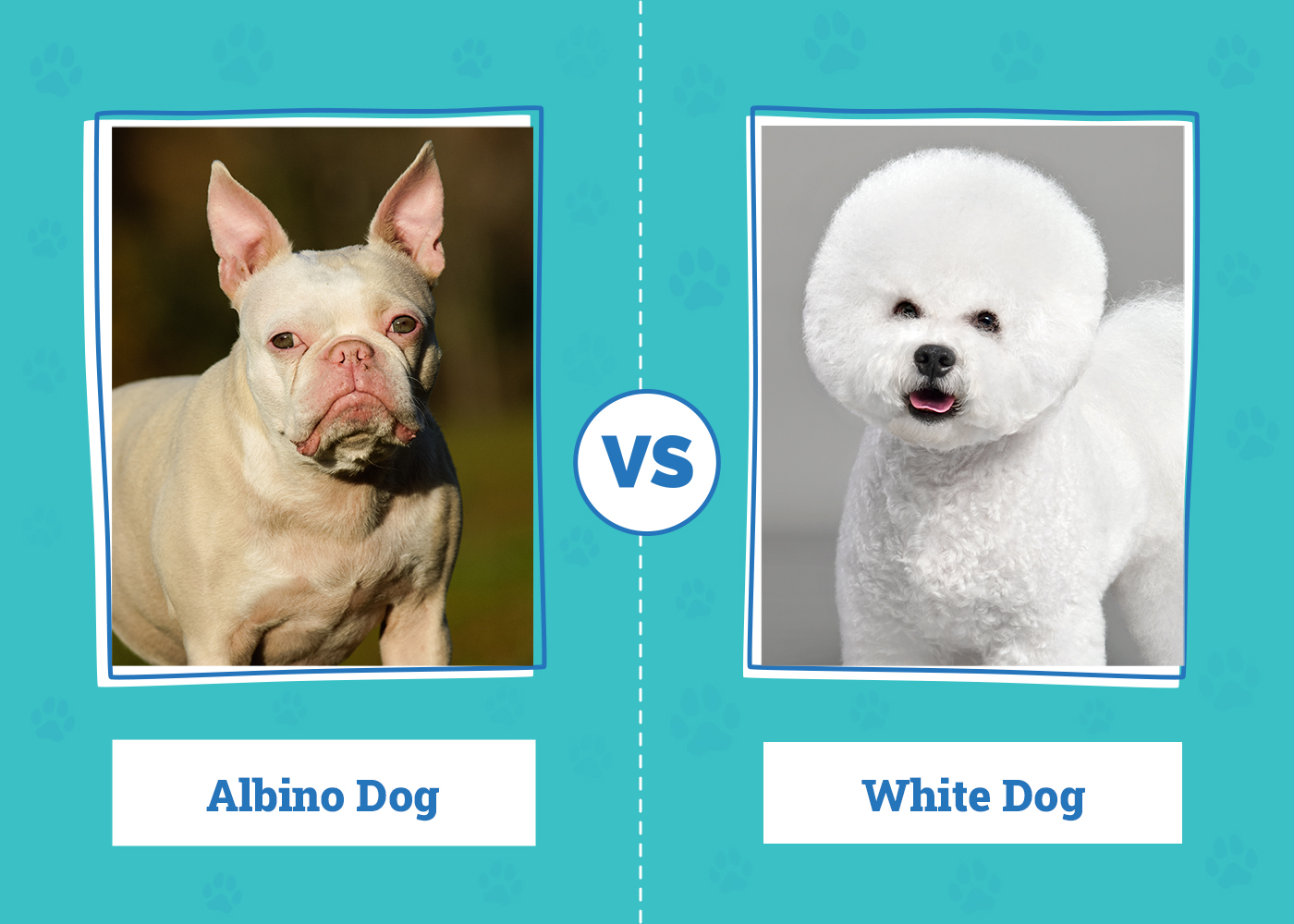
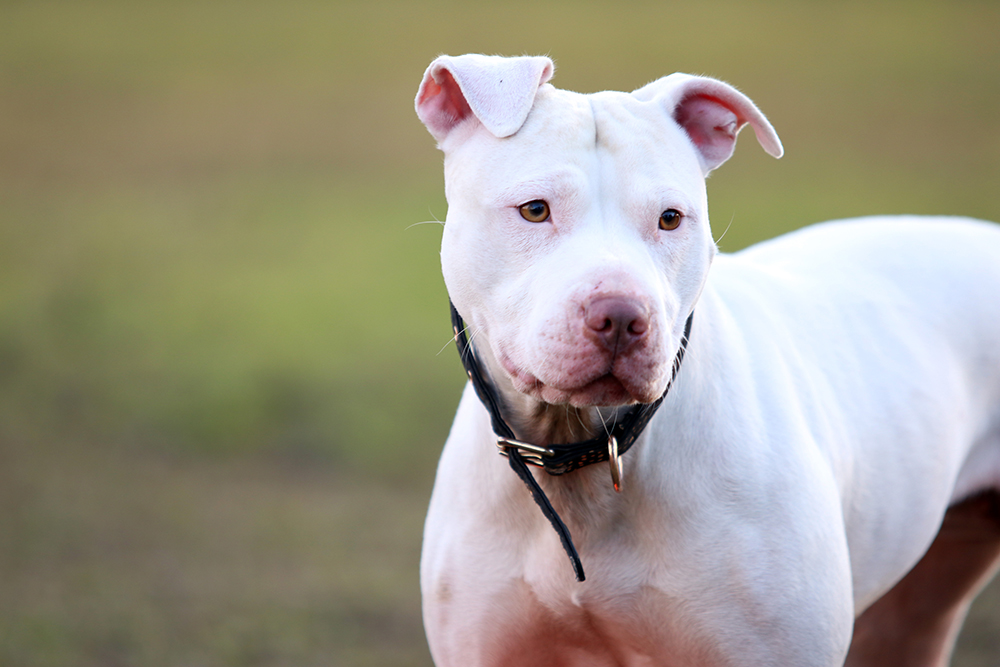
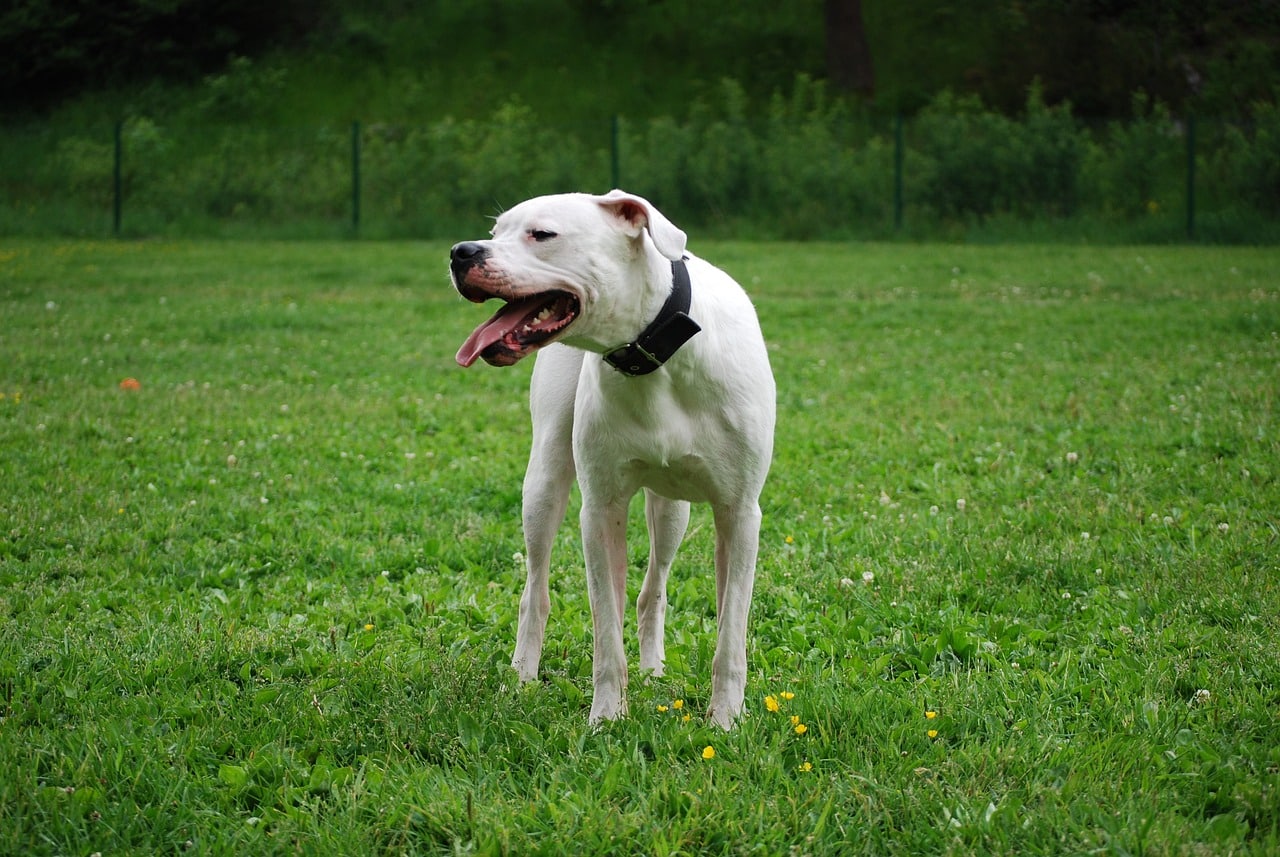
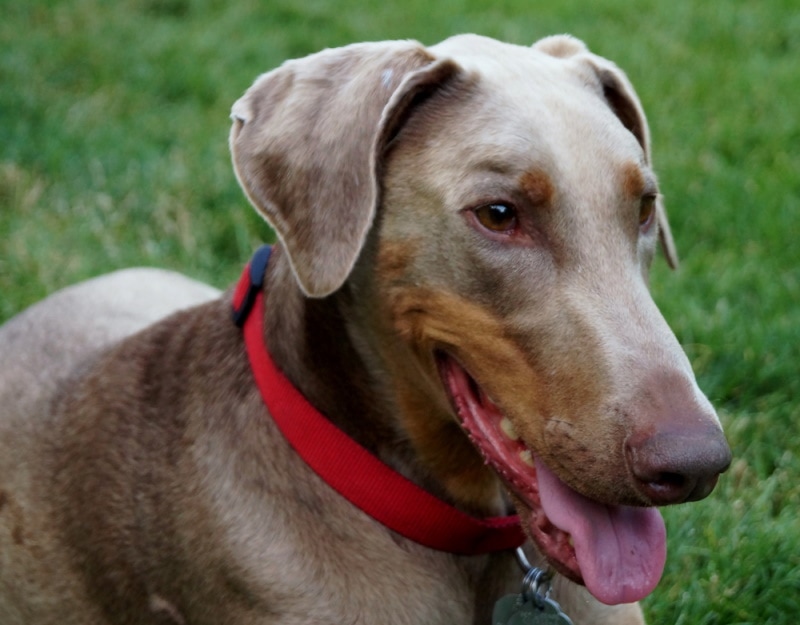
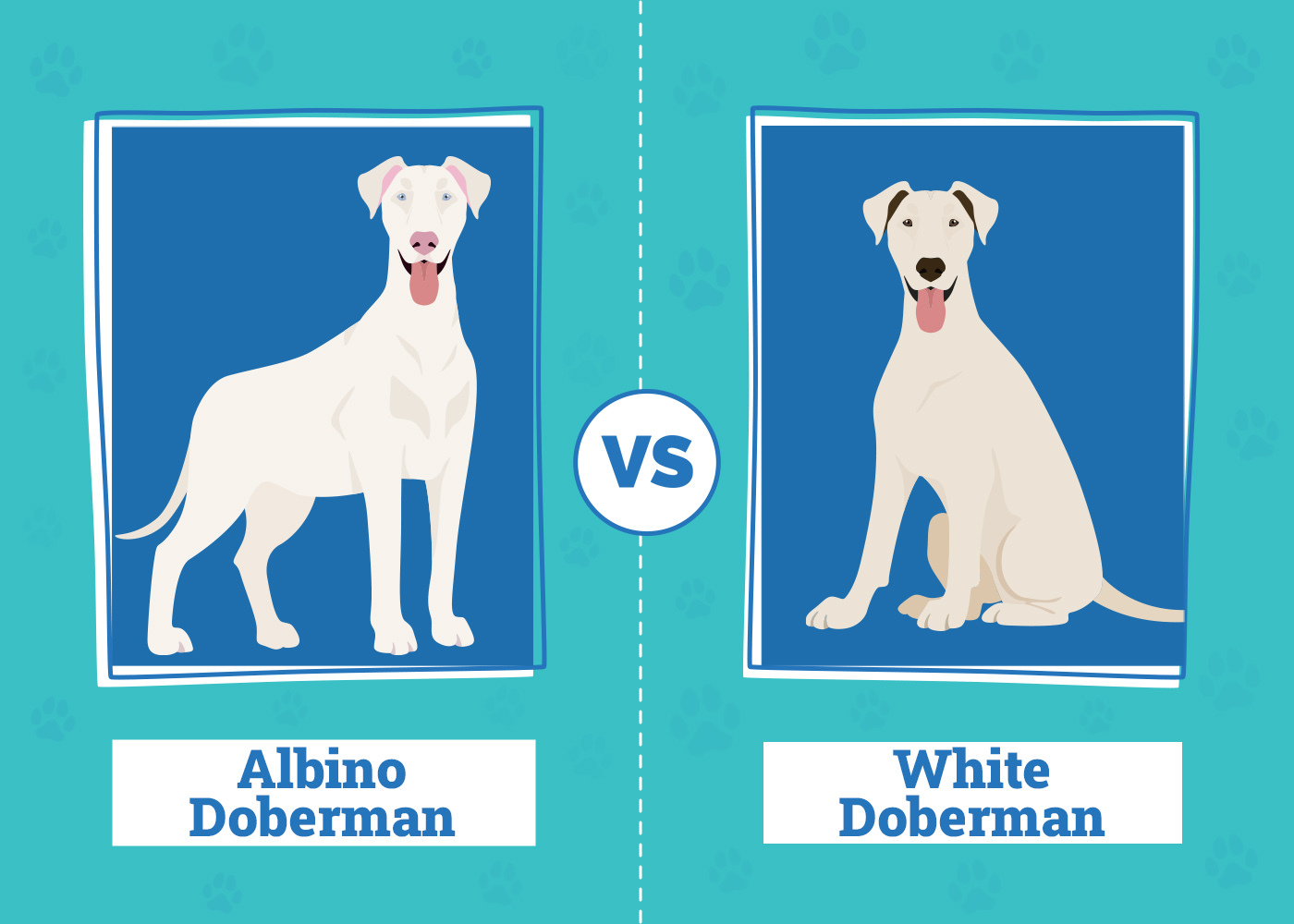
Strictly speaking, full albino and white Dobermans are not the same, though white Dobermans are tyrosinase-positive albinoids or on the albino spectrum. They lack color pigments in their skin and coat, which means that they appear white or cream. They have pink lips and eyelids, but they also have blue eyes, which means that they cannot be full albinos.
Breed Overview
Height:
Weight:
Lifespan:
Colors:
Suitable for:
Temperament:
There is a bit of controversy surrounding white Dobermans because many groups, including the Doberman Pinscher Club of America, exclude this coloration from their registry on the grounds that they believe it unethical to breed albinism because of inherited genetic health conditions.1
Doberman Characteristics

The Earliest Records of Albino and White Dobermans in History
The Doberman breed was first introduced by a German tax collector named Louis Dobermann in the late 19th century. He needed a guard dog that would protect him while out on his tax collecting rounds. Although there are no records of exactly which dogs Dobermann used, it is believed that the breed originated from the Rottweiler, German Pinscher, Great Dane, and German Shepherd breeds. The resulting dog made an effective guard dog that looked aggressive and was loyal and intelligent, so they could easily be trained.
Very few records of white and albino Dobermans exist, especially since the color was excluded from breed registration in the 1980s. The Doberman Pinscher Club of America states that white Dobermans are prone to the same medical conditions as any albino dog and that it is unethical to breed them.
How Albino and White Dobermans Gained Popularity
The Doberman was initially bred as a guard dog, and they were effective in their role. They look aggressive and have a guard dog bark, and they're loyal to their handler or owner. The breed’s intelligence also means that they can be trained for a variety of different roles. Besides still being used as a guard dog, the breed has been utilized by the police, armed forces, and in a host of other roles.
White albinos are extremely rare and have never really gained popularity, though some underground breeding did continue in the 1980s even after the white color was effectively prohibited from kennel club registration. Today, there are DNA tests that can test for the albinism gene, therefore effectively preventing white Dobermans from being bred.
Formal Recognition of Albino and White Dobermans
Although some may have been born and unrecorded beforehand, the first recognized instance of a naturally occurring white or albino Dobermann was born in 1976. Padula’s Queen Sheba was initially accepted by the American Kennel Club, but following an investigation by them and the Doberman Pinscher Club of America, the dog was classified as albino. From 1982, white Dobermans were excluded from the breed registry because they were not an accepted color.

Top 3 Unique Facts About Albino and White Dobermans
1. Albino Dobermans Have Blue Eyes
Typically, albinism in any animal means a total lack of pigmentation. The resulting albino animal has a white coat with pink skin on the nose, lips, and eyelids. The white Doberman’s eyes are usually blue, indicating that they are not full albinos. Despite this, they have been shown to suffer many of the same genetic problems and inherited illnesses as albino dogs.
2. They Are Highly Intelligent Dogs
One of the reasons for the Doberman’s popularity as a police dog, guard dog, and even a search-and-rescue dog is that they're highly trainable. This trainable nature stems from the fact that the breed is loyal to their handler, enjoys having a job to do, and is also intelligent. According to experts, the Doberman is the fifth most intelligent dog bred after the Border Collie, Poodle, German Shepherd, and Golden Retriever, respectively.
3. Dobermans Were Used in Both World Wars
The breed’s reputation for being intelligent, loyal, and hardworking has seen them undertake a lot of different roles and jobs. They were deployed and used in World War I and World War II. Along with German Shepherds, they have been one of the most popular breeds with the Marine Corps, in particular.

Do Albino and White Dobermans Make Good Pets?
In general, Dobermans make good pets. They are attentive and intelligent, and despite having a reputation for being aggressive, they are loving and gentle dogs, though they will protect and defend their family if called upon.
They do require plenty of exercise, need mental stimulation to prevent them from becoming bored, and are strong, so like all breeds, they are not the ideal choice for all families and owners.
Specifically, albino and white Dobermans are believed to suffer from several conditions and illnesses that arise as a result of their albinism. They are believed to be sensitive to the sun, and there are reports that their hearing is also affected. They may also have some problems with depth perception in their vision. These health problems mean that white Dobermans require more care and may be more likely to require veterinary treatment as a result.

Conclusion
Albino and white Dobermans are affected by albinism, though they are not necessarily full albino. They have white coats and pink skin, as well as some of the hearing and sight problems commonly associated with albino animals. Their white color also means that they are not generally accepted by kennel clubs as being of the breed standard, but Dobermans are intelligent and can make great family pets.
Expert dog care, straight to your inbox
Vet-reviewed advice, training tips, and the best of Dogster. Free, and you can unsubscribe anytime.
By signing up, you agree to our Terms & Conditions and Privacy & Cookies Policy.
Nicole has loved animals of all sizes her whole life so it's no wonder she has dedicated her career to helping them through what she loves best: learning, writing, and sharing knowledge with others. She’s the proud mom of two dogs, a cat, and a human. With a degree in Education and 15+ years of writing experience, Nicole wants to help pet parents and pets around the planet to live happy, safe, and healthy lives.
Join the conversation
Ask a question, share your story, or send private feedback.