Why Do Dogs Chase? Understanding Their Drive (Plus How to Control It, Vet-Reviewed)


In this article
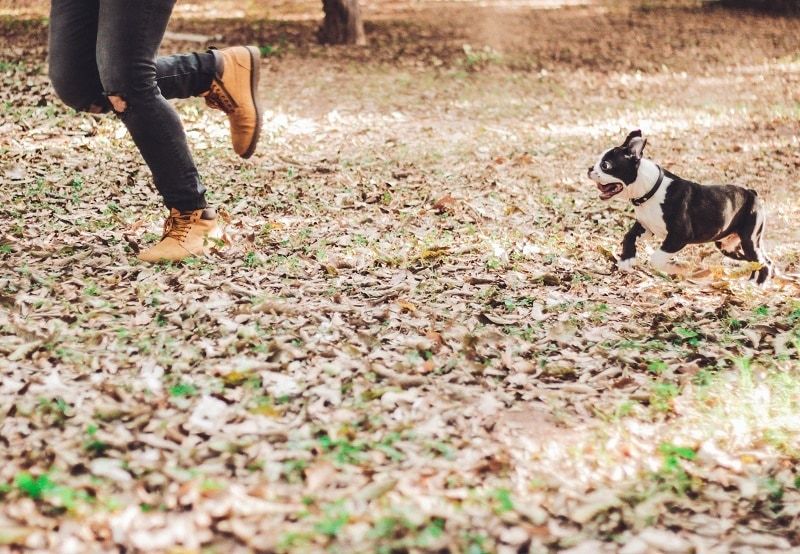
Some dogs run full speed after a rabbit or car the moment they see them and leave you in a huge cloud of dust and devastation. It's stressful when your dog won't stop chasing things. It leaves you running down the street looking like a maniac and worried that they'll get lost, injured or won't make their way back.
You might have been told that chasing is an obedience problem. This is true in some cases. But in others, the problem is rooted in their genetics. So, how do you find a solution to the problem? The key is understanding what the dog's motivation is.

Why Do Dogs Chase?

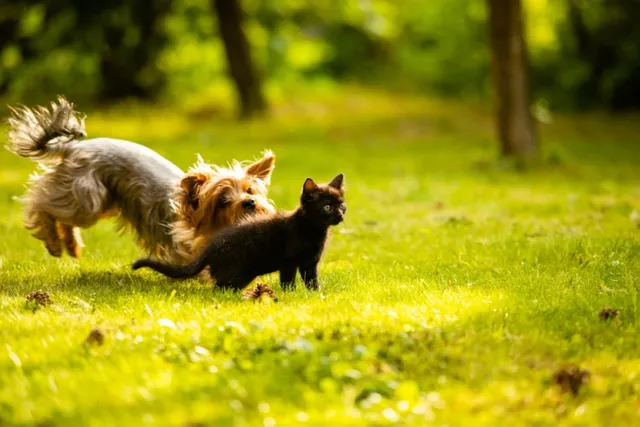
Dogs have different motivations when they go chasing after something or someone. These influences could be because of instinct, prey drive, fear, territorial behavior, excitement, or social purposes, like a desire to play. Because each motivation is so different, you have to identify and address each one individually.
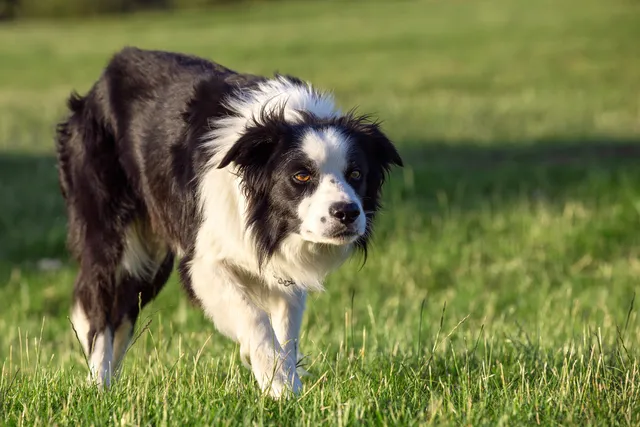
More often than not, dogs that refuse to stop chasing are engaging in predatory chasing. Predatory chasing is typically exhibited towards a single target, like cars, cats, rabbits, sheep, or skateboards. They actively search for opportunities to run after these objects and become overly excited the second they catch a glimpse or scent of their prey.
Breeds with a history of herding or hunting are more likely to partake in this behavior. They aren't usually scared or anxious about what's in front of them. They're addicted to the thrill of the chase and are reinforced by the chase itself, responding to their strong instinctive drive.
The Drive of Dogs
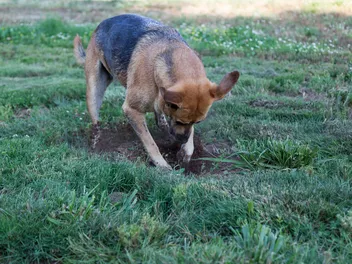
You don't have to teach a dog how to dig; their ancestors have been doing it for centuries, and it's become an instinctual behavior for them. These instinctual acts are called motor patterns, and chasing is something that many dogs, depending on breed, are hardwired to do. Searching for, catching, and stalking prey were instinctive behaviors that helped the dogs survive, and the pleasure they get from these acts serves as a reinforcement for them.
Some breeds and individual dogs have a higher inherited drive than others. Chasing after something gives them a high, and the more they do it, the harder it becomes to break the habit. This does not mean behavior cannot be managed or trained, but it does mean that motivation matters. Dogs with lower chase drive may still show interest in chasing at times, while others may require more structured training and management. Simply restricting a dog to a combined indoor and fenced-off outdoor life is not a long-term solution on its own.
Understanding why your dog is chasing is essential for addressing it effectively. They are not deliberately disobeying just to be a nuisance.
How to Deal with a Chasing Problem

Isolation can be a temporary management tool, but it does not address the underlying motivation behind behavior. When we are dealing with internal states such as arousal, frustration, or anxiety, simply restricting opportunities may reduce the behavior in the short term without changing it long term. A more effective first step is to reduce known triggers and replace them with appropriate alternatives. This might include removing or minimizing stressors and providing enrichment such as chew toys, structured walks, training exercises, and, in some cases, calming aids like pheromone products.
Manipulating your surrounding environment isn't always easy. These stressors could be loud noises, social interactions, or separation issues. These probably seem unrelated to chasing, but reducing overall stress and improving emotional balance can help lower reactivity in some dogs and support training efforts.
Controlling the Chasing Itself
Once you reduce stressors in your dog’s life, you can begin focusing on behavior modification. Rather than assuming you have no influence over chasing, the goal is to manage triggers and gradually teach alternative responses. You cannot always control other animals, such as cats or rabbits, but you can control your dog’s environment and training plan.
Chasing behavior can often be changed using reward-based training and structured management. Punishment or scolding is generally not effective and may increase stress and anxiety in some dogs. Instead, focus on adjusting routines and environments. This may include securing your yard, changing walking routes, or providing alternative activities such as swimming or structured play. The goal is to reduce opportunities for chasing while teaching your dog calmer, more appropriate behaviors over time.
Changing Your Dog's Target

Your dog already has a connection in its brain between the prey and the action of running. It is possible to redirect this drive onto a new prey object, like a ball or stick.
Start by playing with your dog and their new target indoors, where they don't have a lot of room to run. This helps establish a consistent alternative behavior in a low-distraction setting. If possible, buy a toy that doesn't resemble what their initial target was. If it were a rabbit, don't buy a stuffed rabbit. The goal is not to break instinctive behavior, but to replace and redirect it toward more appropriate activities.
Start by throwing the toy short distances for extended periods to build a new connection and weaken the old one. After a couple of weeks, move them to a larger room indoors or a small fenced-in area. Then work on teaching them to retrieve the toy and bring it back to you. Use positive reinforcement to encourage them to come back to your side when you call.
This training method takes a lot of patience and dedication, but may minimize chasing in many dogs after a few months. The results will vary depending on individual drive and consistency.

Conclusion
Even with consistent training, it’s important to understand that chasing behavior is rooted in the dog’s natural instincts and inherited drives. While behavior can be significantly modified through training and management, it cannot always be completely eliminated. As long as you notice an improvement, be patient, keep up the hard work, and try to remain positive during the process. If you’re struggling or not sure how to proceed, consult a professional behaviorist for advice.
Related Reads:
Featured Image Credit: Kareli Lizcano, Unsplash
Expert dog care, straight to your inbox
News, insights, expert advice, and everything dog.

No spam — unsubscribe anytime.
By signing up, you agree to our Terms & Conditions and Privacy & Cookies Policy.
How useful was this post?
Click a star to rate. You can leave written feedback afterwards. (We read all feedback.)
Nicole has loved animals of all sizes her whole life so it's no wonder she has dedicated her career to helping them through what she loves best: learning, writing, and sharing knowledge with others. She’s the proud mom of two dogs, a cat, and a human. With a degree in Education and 15+ years of writing experience, Nicole wants to help pet parents and pets around the planet to live happy, safe, and healthy lives.