How Much Is That Doggy In The Window - Is This the End of Buying Pets from Pet Stores?

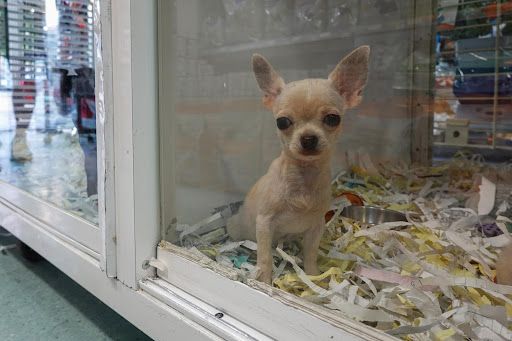
In a move that was a surprise to many, and a rude shock to others, members of the Valdosta City Council, Georgia, voted unanimously to ban pet retail sales as part of a city ordinance at a recent meeting; a move that Petland owners Ben and Geoff Hoofnagle are none too impressed with.
For some, it may seem like a natural progression following the passing of Georgia House Bill 331, which, earlier this year, made the selling of cats, dogs, and rabbits in outdoor stalls like markets and roadside stands illegal. Perhaps pet stores initially saw this as a positive step towards boosting their retail sales, but it seems that those within Valdosta’s city limits might be in for a rude shock.
Following the announcement of a pet retail ban at the November 6 city council meeting, the Hoofnagles issued a statement (see below) expressing their disappointment and frustration at this surprise change in city ordinances. Which is understandable, given that they just opened a brand new store in Valdosta in October this year. According to the Hoofnagles, the pet sales ban could have a detrimental impact on the two years and hundreds of thousands of dollars invested into developing and opening the independently owned and operated franchise in accordance with Valdosta city planning approval.
They claim that Petland prioritizes animal welfare, health, and safety, using only USDA-licensed breeders to source the animals they sell. However, what does that really mean?


The Problem With Pet Store Puppies
Valdosta might be the latest city to ban the retail sale of pets, but they are not the first. In December 2024, New York introduced the “Puppy Mill Pipeline Law” aimed at shutting down puppy mills, joining California, Colorado, Maine, Maryland, New York, Illinois, Oregon, Washington, and Vermont, as well as hundreds of US cities that have banned the sale of puppies, kittens, and rabbits in retail stores.
Why?
Bringing a pet into your home should not be taken lightly. It should be a lengthy process of consideration and thought, not the result of an impulse buy.
When you buy a puppy or kitten directly from a breeder, you have the opportunity to see where they were raised, meet the mother (and sometimes the father), ask questions, and get a good feel for the health and welfare of the animal you are purchasing and where it comes from.
When you buy a puppy or kitten from a pet store, you might be able to view some paperwork, health certificates, and a USDA breeder licence, but how much does that really tell you? According to ASPCA reports, the requirements for becoming a licensed breeder do little to improve the welfare of the dogs being used to churn out the millions of puppies that are funnelled into pet stores every year. The puppy in the pet store window might be fattened, fluffed, and full of energy, but that is often a far cry from how they were born and raised.
Sadly, the moment selling puppies became a business, profitability became the top priority for many disreputable breeders, with “puppy mills” springing up all over the country. Effectively ‘factory farming’ for pets, these puppy production businesses have been known to keep dogs in squalor, providing the bare minimum to keep them producing puppies that would be taken to pet shops and sold to unwary dog lovers. Fortunately, as people become more aware of this horrendous practice, we are finally seeing a change.

Be Part of the Change
Although the changing laws will no doubt be quite a blow to pet stores that have been enjoying the benefits of being the puppy sales middleman, it’s important to focus on the positive outcomes of banning pet retail sales. When puppy mill traders can no longer sell their wares, they will cease to exist, and we should all want to be part of that movement and the best way to do that is to only support pet stores that do not sell puppies and kittens.
- When looking to buy a puppy, always do plenty of research first, and only buy from a reputable breeder, and ensure that they are happy to have you visit their home and see where the mother and puppies live.
- Don’t buy from pet stores, markets, or anywhere that doesn’t feel right. You might feel like you’re ‘rescuing’ a puppy from an unfortunate situation, but you may be inadvertently financing a puppy mill.
- Adopt from an animal shelter. You can find dogs and puppies of all ages, breeds, and sizes at animal shelters, and the adoption fee goes towards the care and rescue of dogs in need, not into the pockets of unscrupulous puppy farmers.
Hopefully, it won’t be too long before the United States joins countries like the UK and much of the European Union in having a complete ban on the sale of puppies and kittens in pet stores. After all, shops should be for ‘things’, not family members.
Official Statement from Petland Valdosta
Feature Image Credit: Veja, Shutterstock
Did You Know?
- Our breaking news articles are included in our weekly emails. Don't miss out on the latest and sign up for our newsletter below!
Expert dog care, straight to your inbox
News, insights, expert advice, and everything dog.

No spam — unsubscribe anytime.
By signing up, you agree to our Terms & Conditions and Privacy & Cookies Policy.
How useful was this post?
Click a star to rate. You can leave written feedback afterwards. (We read all feedback.)

Dr. Karyn Kanowski, BVSc MRCVS (Vet)
Dr. Karyn is originally from Queensland, Australia, and has resided in the UK for the past 10 years. She graduated from The University of Queensland School of Veterinary Science in 2010, and also holds a Bachelor’s degree in Zoology. Karyn is passionate about using experience, evidence, and working with pet owners to provide the best solutions for pets. She also believes in making reliable information about animal health accessible to everyone. 5 cats and 4 dogs let her share their home with her and her husband, and when she is not practising as a veterinary surgeon, she spends her time writing, gardening, and cleaning up pet hair!