The Algorithm in the Exam Room: Who’s To Blame When AI Misdiagnosis Turns Deadly?

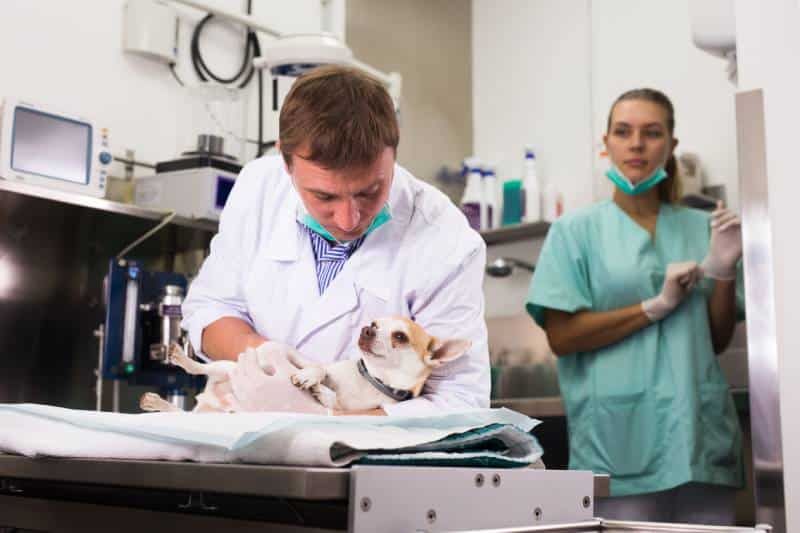
It’s the moment all pet parents dread: you run a hand along your dog's neck during a Sunday cuddle and feel a lump that wasn't there last week. You get an appointment fast. The vet takes a sample, and instead of waiting days for a lab across the country to call back, the clinic runs it through software that promises an answer in minutes. That lightning-fast speed is why the use of artificial intelligence is increasing in veterinary diagnostics, and it's exactly what a Belgian Tervuren's family was counting on at Columbia Veterinary Hospital in The Dalles, Oregon. But the peace of mind it delivered was based on a misdiagnosis.
According to a lawsuit filed in Wasco County Court, this cutting-edge technology failed catastrophically. The hospital is now suing Zoetis Inc., the maker of the Vetscan Imagyst AI platform, alleging fraud and deceptive trade practices after the software allegedly misread a malignant tumor as harmless inflammation, a call the clinic says ultimately cost the dog their life.
How AI Error Became a Fatal Second Surgery
In October 2025, the 11-year-old dog presented with a rapidly growing mass on its neck; a presentation that pushes any veterinarian to move quickly. Samples were obtained for cytology and run through Imagyst, a cloud-based tool that analyzes cells and returns a report for the veterinarian to review. The software reportedly flagged mast cell and spindle cell features; something that would raise some red flags for most experienced clinicians, with both cell types commonly associated with cancers such as mast cell tumors or soft tissue sarcomas. Yet the final classification came back as an inflammatory lesion, not cancer. Trusting that evaluation, the surgical team removed the mass with margins appropriate for benign tissue rather than the wider margins malignancy would call for. A follow-up biopsy at the Oregon State University Veterinary Diagnostic Laboratory told a different story: this was an aggressive cancer, and it hadn’t been completely removed.
Ordinarily, if a tumor is believed to be malignant, the aim of surgery is to remove the mass with a large area of surrounding tissue, minimizing the risk of leaving cancerous cells behind. Guided by the results from Vetscan Imagyst, surgeons took a more conservative approach, and a second operation was needed. The lawsuit states that the family pet died as a result of complications from the second surgery, which took place shortly after the initial mass removal.
Misdiagnosis Made Worse By Dishonesty
We know that even AI can get things wrong, and there is a strong argument that the vets in this case should have double-checked or run additional tests, particularly with the type of cells involved. However, what changes this from a simple cautionary tale into a legal matter is what happened next.
According to the complaint, after staff reported the discrepancy, Zoetis altered the original AI report. Company representatives allegedly later apologized on a call, acknowledged the error, and admitted similar misclassifications had occurred with other Imagyst users.
Legally speaking, a company privately admitting fault on a phone call is not the same as a court establishing liability, and the case has a long way to go before either side's version is fully tested. At the time of writing, Zoetis has not issued a detailed public response to the specific claims.
Still, if the allegation about an amended report holds up, it raises a very different question than "can software misread a slide." It asks whether pet parents and veterinarians can trust the paper trail behind an AI diagnosis at all.
Why Clinics Reach for AI in the First Place
It's easy to read a story like this and conclude that AI has no place in veterinary medicine. However, tools like Imagyst exist because many general practices don't have a board-certified clinical pathologist down the hall. Sending a sample out can mean days of waiting while families sit with uncertainty about what's growing under their dog's skin. Used well, AI cytology is a bit like a car's navigation system: genuinely useful for finding the best route to your destination, but never meant to replace the driver's judgment about the actual road conditions. The satnav might mistakenly direct you to a pier, but that doesn’t mean you have to drive off the end.
Veterinary pathologists have described these platforms as a valuable tool; something to support decision-making, not replace veterinary experience or judgement, and manufacturers typically market them the same way. As veterinarians, we're taught that cytology interpretation, even among trained pathologists, involves real judgment calls, and distinguishing inflammatory tissue from certain malignancies is a recognized gray area, with or without software. The trouble in this case isn't simply that a tool made a mistake; it's the allegation that the company sought to cover it up and mislead pet owners and clinicians about how often these errors occur.

Who’s Regulating the Robot in the Room?
Here's the detail that should give the whole profession pause: AI tools built for veterinary practice aren't subject to the same premarket performance reviews the FDA requires for human AI programs. That gap has bothered specialists for a while now.
Dr. Tod Drost, executive director of the American College of Veterinary Radiology, has argued that "it is logical that if the FDA provides guidelines and oversight of medical devices used on people, that similar measures should be in place for veterinary medical devices to help protect our pets." That absence of oversight is a large part of why this lawsuit leans on Oregon's consumer protection statute rather than any medical device framework, because there largely isn't one for this category yet.
The American Veterinary Medical Association has encouraged practices to treat AI as a diagnostic aid to be weighed alongside history, physical exam findings, and clinical judgment, never as a stand-alone answer. But guidance from a professional association isn't the same as enforceable oversight from a regulatory authority. As AI-assisted tools spread from cytology into reading x-rays and interpreting bloodwork, this gap is likely to get more attention, not less. A single clinic in a small Oregon city may be the headline today, but it is a symptom of a far more worrying trend. Unregulated diagnostic software making its way into exam rooms everywhere is the story that really matters, and the implications of this lawsuit may extend far beyond this tragic case.

Can We Trust AI Diagnostics?
None of this means you should panic if your veterinarian mentions using an AI-assisted diagnostic tool; the technology has real, evidence-backed value when it's used as part of the diagnostic process, not the whole diagnosis. What it does mean is that it's entirely fair to question whether an AI interpretation has been confirmed by a pathologist.
Even the most experienced pathologists ask for second opinions, so taking the word of a computer program without any external validation is asking for trouble. Builders like to use the phrase ‘measure twice, cut once’, and these words seem oddly appropriate in relation to surgery. Is it possible that human eyes could have come to the same, incorrect conclusion? Of course. But just as we seek confirmation and validation from our colleagues, we need to question the validity of AI diagnostics before using them to dictate surgical decisions.
For the profession, this case is an uncomfortable but useful prompt to ask harder questions of the tools we adopt, not because they're untrustworthy by nature, but because trust in this field has always had to be earned claim by claim, patient by patient. Wherever the lawsuit in Wasco County lands, the tension it exposes, between how fast we want answers and how sure we need to be before we act on them, isn't going away. The more we know about the benefits and limitations of this technology, the safer it becomes for the next dog whose diagnosis depends on it.
Image Credit: BearFotos, Shutterstock
Expert dog care, straight to your inbox
News, insights, expert advice, and everything dog.

No spam — unsubscribe anytime.
By signing up, you agree to our Terms & Conditions and Privacy & Cookies Policy.
How useful was this post?
Click a star to rate. You can leave written feedback afterwards. (We read all feedback.)
Dr. Paola Cuevas is our Senior In-House Veterinarian at Dogster and Pangolia. She has over 19 years of experience working with an array of species and loves sharing her knowledge and experience with our readers and aims to provide assistance with any issue presented by your non-human family members. She received her degree from the University of Guadalajara, Mexico.
Her passions are animal welfare and preventive medicine, and has skills in the fields of nutrition, microscopy, clinical pathology, diagnostic imaging, and endoscopy. Paola frequently contributes pet care insight to various media outlets like PetMD, The Daily Record, Parents.com, etc.
Paola is also an animal behaviorist with extensive experience in positive reinforcement animal training.