A Major Breakthrough in Canine Anxiety Care: FDA Approves First Dual-Purpose Medication
In this article
Why This FDA Approval Is Such Important News
For years, veterinarians and pet parents have struggled with a frustrating reality in canine behavioral medicine: dogs with noise aversion and dogs with separation anxiety often live in the same household, and sometimes inside the very same dog. A dog terrified by fireworks may also panic when left alone, showing signs such as trembling, panting, pacing, vocalization, destructive behavior, or inappropriate elimination. Yet until now, treatment options were fragmented, with different medications approved for different conditions. That is what makes the FDA’s approval of Tessie, a tasipimidine oral solution, such significant news. According to the FDA, this is the first medication specifically approved to treat both noise aversion and separation anxiety in dogs with a single product.
At first glance, this may sound like a small regulatory update, but for many dogs and families, it represents an important shift in how emotional health is recognized and treated in veterinary medicine. Anxiety disorders in dogs are not simply inconvenient behaviors or signs of a “spoiled” pet. They are fear-based medical conditions linked to activation of the sympathetic nervous system, the body’s fight-or-flight response. Imagine living with a smoke alarm that activates every time the sky rumbles or every time your loved one walks out the door. That is much closer to what these dogs experience. Chronic stress of this kind can affect sleep, appetite, learning ability, and overall welfare.
What Is Tasipimidine and How Does It Work?
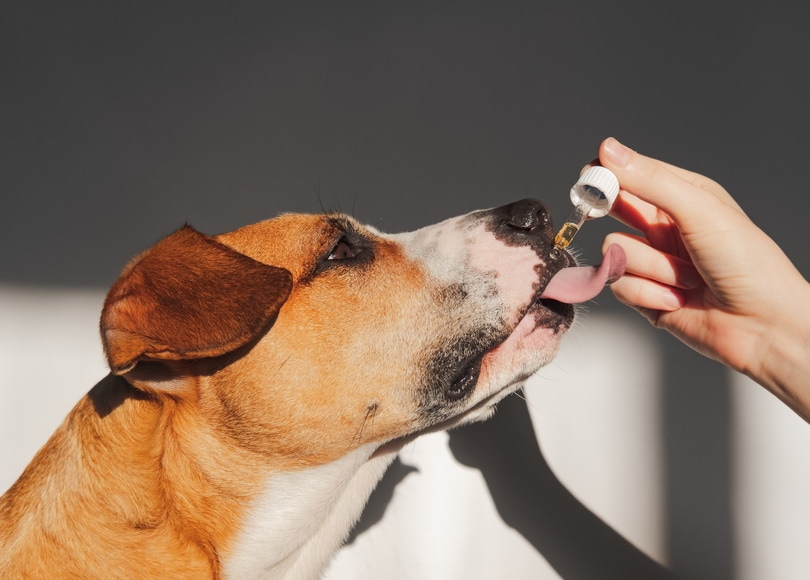
At the center of this new medication is tasipimidine, a drug designed to help quiet the body’s fight-or-flight response before fear escalates into panic. It works by activating receptors in the brain that help reduce excessive sympathetic nervous system activity. In simpler terms, the medication helps quiet the body’s panic signals before they spiral into full distress. Unlike long-term daily medications that may take weeks to show effects, tasipimidine is designed for predictable stressful situations.
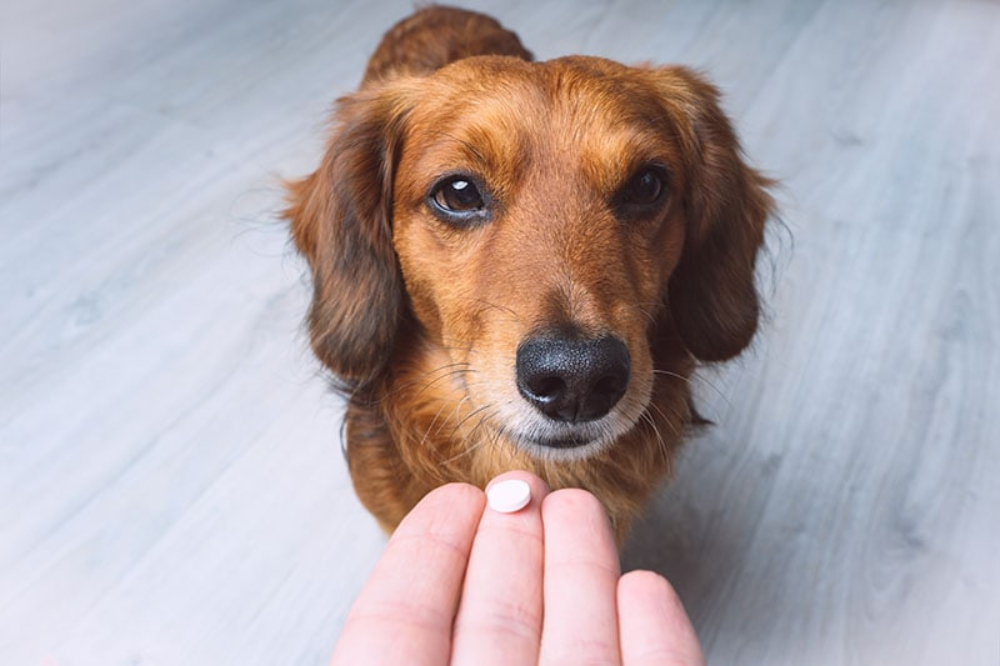
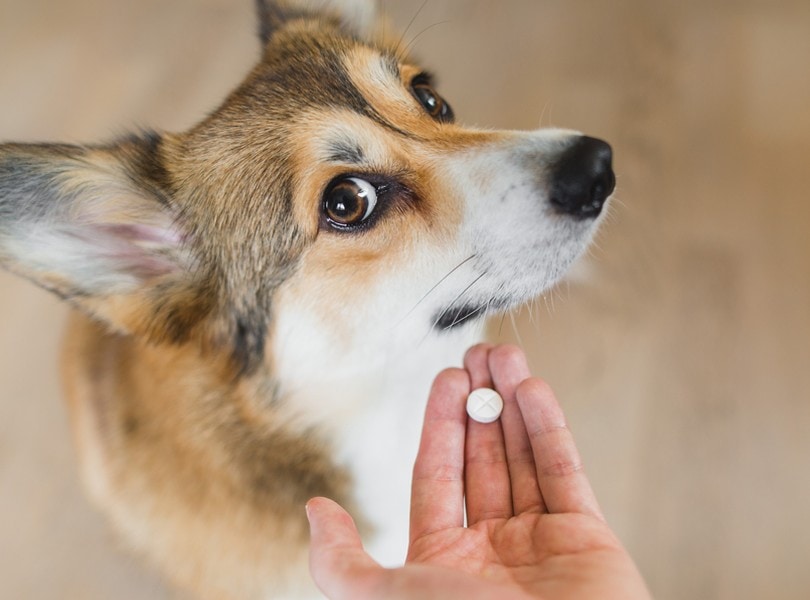
The FDA notes that the medication is typically administered about one hour before a known trigger, such as fireworks, thunderstorms, travel, or an owner leaving home. The medication can be given up to three times within 24 hours, with at least three hours between doses. This flexible approach may be particularly helpful for dogs whose anxiety is linked to specific events rather than constant daily distress.

A Shift in How Veterinary Medicine Views Emotional Health
Another reason this approval matters is the growing understanding that behavioral health deserves the same compassionate medical attention as physical health. Historically, many anxious dogs were dismissed as “difficult,” while overwhelmed owners often felt guilt or frustration. Modern veterinary behavior medicine recognizes that fear changes brain chemistry and physiology, just as chronic pain or illness does.
Medications like tasipimidine are not about sedating a dog into emotional shutdown. Instead, they aim to lower fear enough for the dog to remain functional, responsive, and capable of learning safer emotional associations. This distinction is incredibly important. A calmer brain can process training and environmental support much more effectively than a brain trapped in panic mode.
What the Clinical Studies Found
Before approval, the medication was studied in hundreds of client-owned dogs living in real homes and facing real-life triggers like fireworks and separation from their families. One study evaluated 160 dogs with noise aversion, while another followed 224 dogs with separation anxiety over eight weeks. The agency concluded that the medication was safe and effective when used according to label instructions.
Reported adverse effects included vomiting, diarrhea, lethargy, and temporary sedation-related signs such as decreased activity or mild incoordination. Like all prescription medications, Tessie requires veterinary supervision because anxiety disorders can overlap with pain, cognitive dysfunction, or other medical conditions that also influence behavior.

Why This Brings Hope to So Many Dogs and Families
Perhaps the most meaningful aspect of this approval is what it represents emotionally for affected dogs and their families. Medication alone is rarely the complete answer, but it can create a bridge toward healing. When fear is reduced, dogs are often better able to engage with positive reinforcement training, predictable routines, enrichment, and behavior modification plans.
For some families, that may mean a dog who can finally rest during fireworks instead of trembling for hours under a bed. For others, it may mean leaving home for groceries without returning to signs of panic and destruction. Those changes may sound small from the outside, but inside the home, they can completely transform the quality of life for both dogs and the people who love them.
Feature Image Credit: Jus_Ol, Shutterstock
Did You Know?
- Our breaking news articles are included in our weekly emails. Don't miss out on the latest and sign up for our newsletter below!
Expert dog care, straight to your inbox
Vet-reviewed advice, training tips, and the best of Dogster. Free, and you can unsubscribe anytime.
By signing up, you agree to our Terms & Conditions and Privacy & Cookies Policy.
Dr. Paola Cuevas is our Senior In-House Veterinarian at Dogster and Pangolia. She has over 19 years of experience working with an array of species and loves sharing her knowledge and experience with our readers and aims to provide assistance with any issue presented by your non-human family members. She received her degree from the University of Guadalajara, Mexico.
Her passions are animal welfare and preventive medicine, and has skills in the fields of nutrition, microscopy, clinical pathology, diagnostic imaging, and endoscopy. Paola frequently contributes pet care insight to various media outlets like PetMD, The Daily Record, Parents.com, etc.
Paola is also an animal behaviorist with extensive experience in positive reinforcement animal training.
Join the conversation
Ask a question, share your story, or send private feedback.