Why Is My Dog's Nose Running? Vet-Explained Causes & How to Stop It

In this article
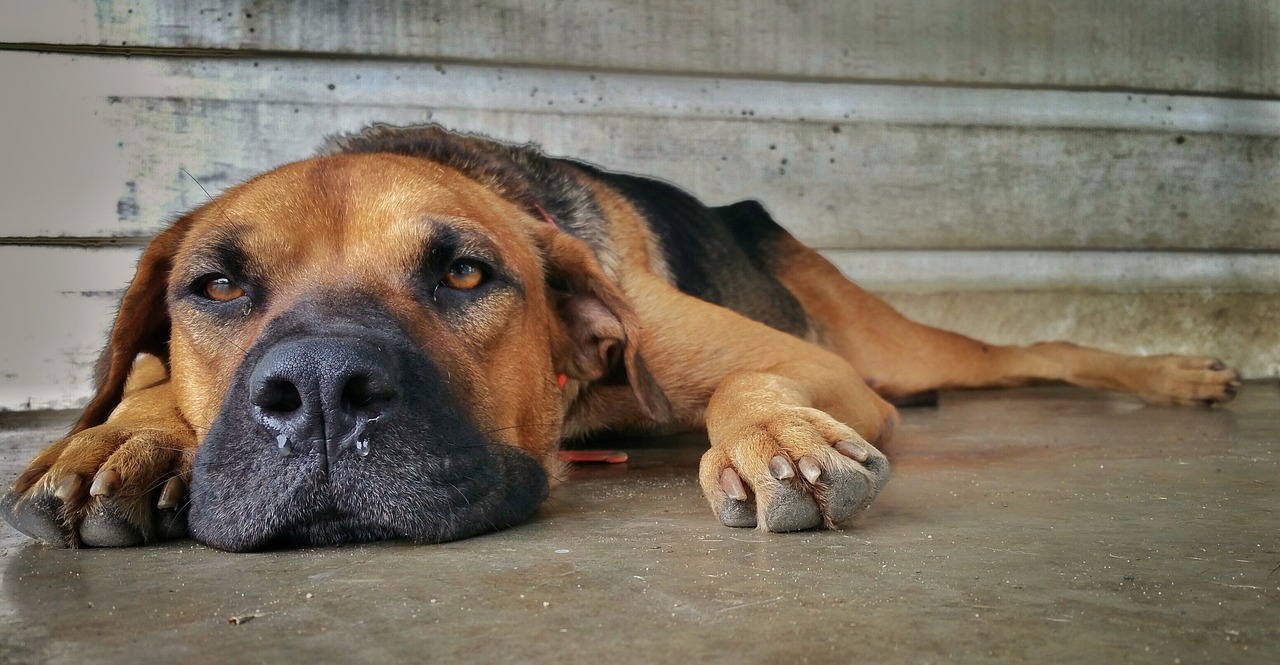
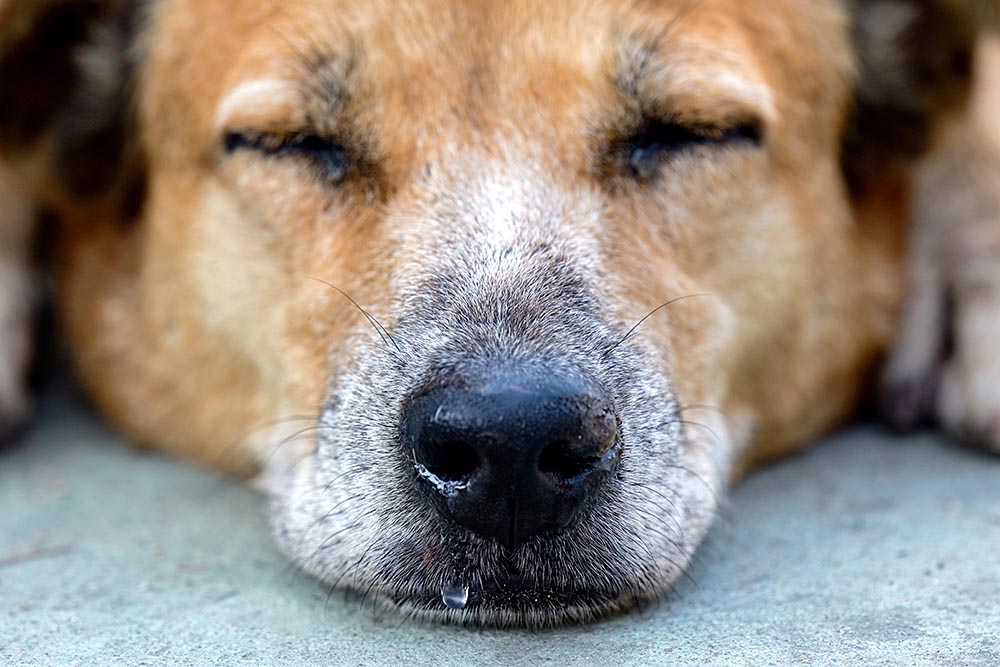
You've been sneezing, and now you've noticed your dog has a runny nose. What caused his runny nose, and should you worry? What can be done to treat a runny nose in dogs? Let’s go over the possible causes and what can be done about your dog’s runny nose.

The 9 Possible Causes of a Runny Nose in Dogs
1. Conformation
Some dogs have naturally narrower nostrils, which we call stenotic nares. This condition is more common in short-nosed or brachycephalic breeds like Bulldogs and Pugs. Sometimes, these dogs will have a bit of nasal discharge. They may also have other signs associated with Brachycephalic Obstructive Airway Syndrome, such as gagging and snorting.
2. Allergies
Allergies are common in many of our dogs. Allergies can develop to foods or environmental allergens, such as pollen and dust mites.
Signs of allergies include:

3. Infections
Your dog can develop respiratory infections that contribute to nasal discharge. These include bacterial infections like Bordetella, viruses like distemper, and even fungal infections.
4. Dental Disease
Some dogs with dental disease develop tooth root abscesses that can lead to sinus infections. Some dogs with severe dental disease can also develop an oro-nasal fistula. This open communication between the oral cavity and the nasal cavity can lead to infections, as well as saliva and even food particles entering the nasal passages.

5. Parasites
Parasites like the nasal mite are found worldwide. These tiny mites live in the nasal passages and can trigger sneezing, nasal discharge, and even a bloody nose.
6. Trauma
Trauma to the muzzle can impact the nasal turbinates within the nose. Your dog might show signs, such as a bleeding nose.

7. Neoplasia
Nasal tumors account for approximately 1% of tumors diagnosed in dogs. These cancers can cause facial deformities, nasal discharge, and nose bleeds. If you notice facial swelling in your dog, you must take it in for an exam immediately.
8. Foreign Bodies
Some dogs inhale foreign bodies like grass awns or foxtails. These typically cause one-sided or unilateral discharge, but they can migrate through the respiratory system and even cause draining tracts or abscesses.

9. Clotting or Bleeding Disorders
If your dog has a bleeding or clotting disorder, it might have nasal bleeding, especially after trauma. These situations are often emergencies that need to be addressed to help stop your dog's bleeding and intervene with blood products or clotting factors, as indicated.
When to See a Vet for Your Dog's Runny Nose
If your dog has a bit of the sniffles and a small amount of clear nasal discharge, you might be able to monitor it for a few days. If it has other signs, such as lethargy or trouble breathing, it must see a vet as soon as possible.
If your dog has coughing, thick mucoid discharge from the nose, puffiness around the muzzle, lethargy, inappetence, or epistaxis (a bloody nose), schedule a vet visit immediately.
If you are concerned or have questions about your pet's health, you can also speak to a vet from the comfort of your own home to help make a plan. They can determine when an in-clinic vet visit should be made.
Treating a Runny Nose in Your Dog
If your dog has a nosebleed, do everything possible to keep them calm. Some dogs also benefit from having an ice pack placed over the bridge of their nose. But you should get them seen immediately.

At Home Treatments
Antihistamines
If your dog has a slightly runny nose, your veterinarian may suggest an antihistamine, such as diphenhydramine (Benadryl), cetirizine (Zyrtec), or loratadine (Claritin). Do not use the "D" version of these medications.
Probiotics
Try a probiotic to help bolster their immune system because the gut is closely intertwined with the immune system.
Honey
Honey may be useful for dogs' allergies, but it's not a cure-all, and some dogs should not have it. Raw, local honey may help with allergic responses, as dogs are exposed to very small amounts of pollen in the honey. Diabetic, young, and immunocompromised dogs should not have honey.
Humidifiers
If your dog sounds congested, place them near a humidifier or take them into a steamy bathroom.
Veterinary Care
Your veterinarian will likely need to perform specific tests or refer you for these, such as blood work, radiographs (X-rays) of the head and neck, and CT of the head. Your veterinarian may refer your dog to a specialist who can scope your dog's airways. This tool, rhinoscopy, allows veterinarians to get a real-time image of the nasal cavities, looking for tumors, polyps, and foreign bodies.
Your veterinarian might send swabbed samples from your dog's conjunctiva and throat to check for certain infectious agents. The veterinarian might suggest surgical correction if your dog's nares are a problem. In some cases, they might also suggest fixing an elongated soft palate.
Dogs with nasal tumors may need a combination of surgery, chemotherapy, and even radiation to treat the mass.
Your veterinarian will likely utilize antibiotics or antifungals if they are indicated. In rare circumstances, veterinarians will use antivirals in dogs, but it's not as common.
Talk to your veterinarian before you give any supplements or medications. They may have alternative suggestions, and dosing is often quite different between pets and people.

Frequently Asked Questions (FAQ)
Should I be worried if my dog's nose is dripping?
If your dog has a small amount of clear discharge from their nose and otherwise seems fine, you likely don't need to worry about it, although you should still talk to your veterinarian about it.
How long does a dog's runny nose last?
The length of time your dog has a runny nose depends on the underlying cause. Like most human colds, viral respiratory infections are often self-limiting and last 5 to 10 days. Other infections may need to be treated, or they could worsen.
Conclusion
Many things can cause your dog's runny nose. You'll need to work with your veterinarian to determine the underlying cause. In the meantime, they'll check to see if your dog needs supportive care.
See also:
Featured Image Credit: Anake Seenadee, Shutterstock
Expert dog care, straight to your inbox
Vet-reviewed advice, training tips, and the best of Dogster. Free, and you can unsubscribe anytime.
By signing up, you agree to our Terms & Conditions and Privacy & Cookies Policy.
Dr. Samantha Devine DVM (Veterinarian)
Dr. Samantha Devine is a practicing veterinarian who enjoys caring for animals and sharing her knowledge with pet owners. Preventative care, ranging from nutrition to vaccination, is her specialty and passion!
With over 12 years of veterinary experience, Dr. Devine has extensive knowledge to share about small animal medicine, horses, aquatic species, and even zoo animals. She has also been writing for online pet sites for most of that time.
Join the conversation
Ask a question, share your story, or send private feedback.