Rimadyl Overdose in Dogs: When to Be Concerned & What to Do (Vet Answer)


In this article
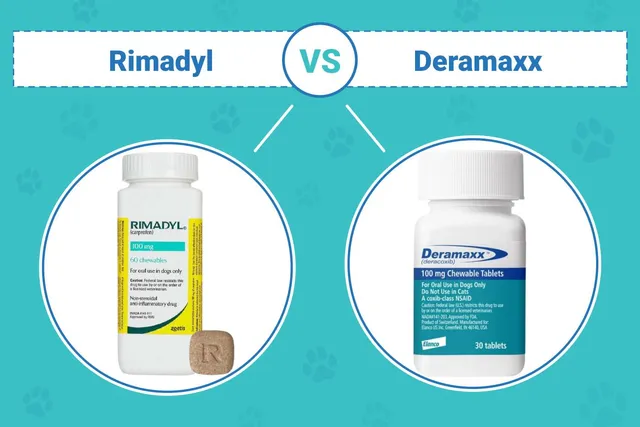
If you have a canine companion, you’ve likely heard of Rimadyl. This popular anti-inflammatory is often given after surgery or to help alleviate pain associated with an injury. Rimadyl isn’t always beneficial, however, and an overdose can be severe and even life threatening. If your pup is currently on this medication or you’re considering using it in the future, here’s what you need to know regarding Rimadyl overdoses in dogs so you can keep your pup safe.

What Is a Rimadyl Overdose in Dogs?
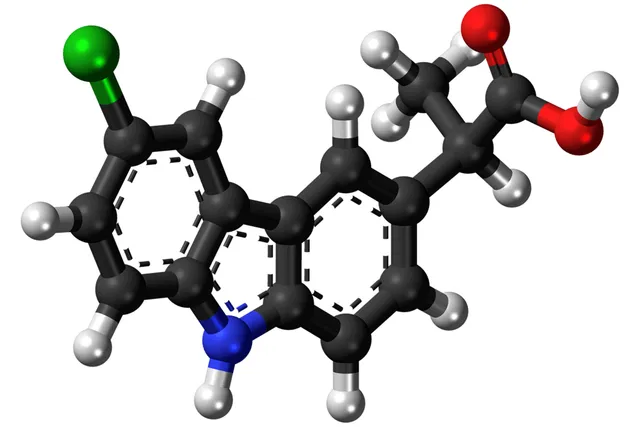
Rimadyl, or carprofen, is a non-steroidal anti-inflammatory commonly used in dogs to help combat surgical pain or to be part of treatment for osteoarthritis and muscular and orthopedic injuries. It’s a cyclooxygenase (COX) inhibitor, with COX being an enzyme involved in the inflammatory pathway. If you can inhibit COX, you can typically inhibit inflammation, but it’s not always quite that simple. There are two different forms of COX: COX-1 and COX-2. The latter is the main target for anti-inflammatories to help decrease inflammation. The former is actually quite beneficial to have in the body. It performs all sorts of protective functions in the stomach, including decreasing stomach acid secretion and amping up mucous production to form a protective coating of the stomach walls. It also helps increase blood flow to the kidneys, protect the liver, and clot blood. The ideal anti-inflammatory would block COX-2 but leave COX-1 untouched. Certain ones, including Rimadyl, are quite good at this, but none of them are 100% COX-1 friendly. In most cases, though, blocking a large amount of COX-2 while also blocking a bit of COX-1 is fine, as it helps the animal feel better because they experience less inflammation. It becomes a problem when the anti-inflammatory is overdosed, leading to a large amount of COX-1 blockage and potentially serious side effects.
What Are the Signs of a Rimadyl Overdose in Dogs?
Whether a dog ingests a large amount of Rimadyl at once or receives high doses for long periods of time, it can cause major issues. Rimadyl not only affects the inflammatory-loving COX-2, but it can also deplete the beneficial mechanisms of COX-1, creating issues with the stomach, liver, and kidneys. As a result, you may see signs like:
- Vomiting
- Blood in feces
- Diarrhea
- Stomach pain
- Inappetence
- Increased thirst
- Increased urination
- Lethargy
- Seizures
- Coma
- Death
The more severe, rarer signs at the end of the list are more common with very high overdoses, while the more frequently seen signs of vomiting and diarrhea occur with milder overdoses. Vomiting, diarrhea, and stomach pain can start within a couple of hours of ingestion of large amounts of Rimadyl, while increased thirst, inappetence, and increased urination may take 2–3 days to show up.
Dogs that take Rimadyl for the long term, especially in higher doses, may show digestive or other signs after being on the medication for weeks or even months.

What Are the Causes of a Rimadyl Overdose?
Rimadyl comes in an injectable form (which is what veterinarians typically use in the clinic), a caplet, or a flavored chewable tablet. The latter is popular among dog owners to give at home, as most dogs will readily gobble this treat. But it’s the appealing liver flavor that may contribute the most to Rimadyl overdoses. If a dog were to get a hold of the bottle, they would listen to their taste buds and eat as many as they could get, leading to potentially high doses of the medication. This can also happen with the caplet form, but it’s less likely because it is unflavored.
Injectable Rimadyl may also be the cause of an overdose if the dose is determined improperly or if it is repeated too soon. This is far less likely to happen, though.
Long-term use of Rimadyl and other non-steroidal anti-inflammatories can cause various negative signs, such as vomiting, diarrhea, or bloody stools. These are more common when a pup takes high doses or if they have a concurrent illness, such as kidney or liver disease, inflammatory bowel disease, or a bleeding disorder.
What to Do for a Rimadyl Overdose in Dogs
Typically, the first indicator of a Rimadyl overdose is finding the chewed-up bottle that you thought that you placed securely in the cupboard. If this is the case, contact a veterinarian immediately. Don’t try anything without the supervision of a vet. They will likely ask you to make your way to the hospital right away for further treatment.
Or you may notice that your pup has suddenly stopped eating or that there’s blood in their stool, even if they’ve been regularly taking the medication for months. Speak to your vet as soon as possible, and be sure they know what dose of Rimadyl your dog is taking and how often.
How Veterinarians Treat Rimadyl Overdoses in Dogs
If your pup has recently helped themselves to a few Rimadyl tablets or caplets, your vet will try to decontaminate their stomach by inducing vomiting and giving activated charcoal. They will then provide supportive treatment, such as fluids and gastroprotective or anti-vomiting medications. Hospitalization may be required with continued monitoring of liver and kidney function.
For dogs with long-term Rimadyl toxicity, discontinuing the medication will be a good first step. Further supportive treatment may be given, depending on the signs and severity.
This isn’t something that you want to wait and see how it turns out or try to treat it at home. Contact your veterinarian immediately if your dog ate more than their regular dose of Rimadyl, whether they’re showing any signs or not.

Frequently Asked Questions (FAQ)
How Much Rimadyl Can a Dog Have?
The proper dose of Rimadyl for your dog will be determined by your veterinarian based on their weight. Doses may be given once per day or divided in half and given roughly every 12 hours.
What If I Accidentally Gave Two Doses of Rimadyl to My Dog?
Even small overdoses, such as two tablets instead of one, should lead to an appointment with a veterinarian. Depending on the size of the dog or any underlying conditions they have, they may need to be seen right away.
How Long Do the Effects of Rimadyl Last in Dogs?
If you’re seeing negative signs associated with giving Rimadyl to your dog and your vet advises you to stop giving them the medication, you should start to see improvement within a day or two. Dogs with kidney or liver disease may take longer for the medication to clear their system, so any negative effects may last longer than a couple of days.

Conclusion
Rimadyl is a commonly used anti-inflammatory that can help dogs feel like puppies again or at least decrease their surgical pain and inflammation. However, high doses or overdoses of the medication can also cause side effects, including vomiting, diarrhea, and stomach pain. Severe overdoses may also show up with kidney or liver disease or gastric ulcers. If your dog is taking Rimadyl and you notice anything out of the ordinary or they help themselves to the contents of the bottle, seek veterinary care immediately.
See Also:
Sources
Featured Image Credit: UfaBizPhoto, Shutterstock
Expert dog care, straight to your inbox
Vet-reviewed advice, training tips, and the best of Dogster. Free, and you can unsubscribe anytime.
By signing up, you agree to our Terms & Conditions and Privacy & Cookies Policy.
Dr. Chyrle Bonk DVM (Veterinarian)
On top of caring for animals and writing for veterinary publications, Dr. Chyrle Bonk owns a small cattle herd! When she’s not busy with those things, she can be found somewhere enjoying the Idaho outdoors with her husband and two kids. Dr. Chyrle Bonk received her Doctor of Veterinary Medicine (DVM) from Oregon State University in 2010.
Chyrle has practiced in a mixed animal clinic for over a decade. She also writes for various veterinary websites and magazines, like Dogster!
Join the conversation
Ask a question, share your story, or send private feedback.