Is Sweet Potato Good for Dogs With Pancreatitis? (Vet Answer)

In this article
If your dog has been diagnosed with pancreatitis, your vet probably told you about the importance of managing their diet. Some vets will recommend a prescription or commercial diet that is formulated for dogs recovering from pancreatitis. Others may recommend simple home-cooked food for the next couple of weeks.
However, it's vital to know which foods are suitable for your pup. Sweet potato is a wholesome, nutritious, and tasty option for dogs recovering from pancreatitis. This article will explore the signs and causes of pancreatitis, why sweet potato is a good option, and which foods you should avoid feeding your dog if they’ve had pancreatitis.

What is Pancreatitis in Dogs?
Pancreatitis is the inflammation of the pancreas. After your dog eats, the pancreas makes juices or “enzymes” to break down fats, sugars, and starches. This is very similar to how things work in the human body.
When dogs suffer an episode of pancreatitis, the pancreas becomes inflamed and angry. As a result of this inflammation, the digestive enzymes we mentioned leak out from the pancreas, causing damage to other organs in the abdomen.
Pancreatitis can be either “acute” or “chronic.” Acute pancreatitis comes on suddenly. Chronic pancreatitis tends to come on more slowly and “wax and wane.” Both forms of the disease are variable in their severity. In some dogs, it is mild, and in other dogs, it is life-threatening.
If you suspect your dog has pancreatitis, we recommend seeking veterinarian advice before making changes to your dog's diet.
What are the Causes of Pancreatitis in Dogs?
The bottom line is that we don’t really know what causes pancreatitis in most cases. However, what we do know are “risk factors” for the disease. Studies suggest these factors predispose dogs to develop pancreatitis.
We’ve listed some common risk factors below:
Signs of Pancreatitis in Dogs
The most common signs of pancreatitis include:
- Vomiting
- Diarrhea
- Lethargy
- Loss of appetite
- Painful abdomen
- Collapse
It’s important to note that the signs of pancreatitis in dogs are highly variable. Some dogs may experience one or two of the previous signs, and others may experience all of them. The signs also range in their severity. For example, some dogs may vomit once, while others vomit constantly.
Additionally, these signs are not only seen with pancreatitis. In fact, they can appear in a number of other diseases, so blood tests, X-rays, and sometimes ultrasounds at the vet clinic are very important tools for diagnosing them.

How to Care for a Dog with Pancreatitis
Your dog will need to visit the vet hospital, where they’ll likely stay for a few days. This is because your dog will likely require intravenous fluids, pain relief, anti-nausea medications, and small frequent meals. Their hydration levels, comfort, and vitals will require close monitoring.
The prognosis for dogs with pancreatitis is variable. While most dogs survive, earlier diagnosis and treatment result in better outcomes. Once your dog is ready to go home, they’ll need small, frequent meals of bland food. The food should be low in fat and highly digestible. There are two main options here:
1. Commercial diet
These are specially formulated dog foods that are low in fat, easily digestible, and backed by research. We’ve included our two favorites below:
2. Home-cooked diet
This should comprise three ingredients:
- Protein: Cooked chicken or turkey breast
- Carbohydrate: Cooked white rice
- Vegetable: Cooked sweet potato, carrot, or broccoli
Whichever way you decide to go, frequent feeding is better. Providing a small amount of food four or five times a day is better than one big meal, as the pancreas doesn’t have to work as hard to digest the food.
Why Is Sweet Potato Good for Dogs with Pancreatitis?
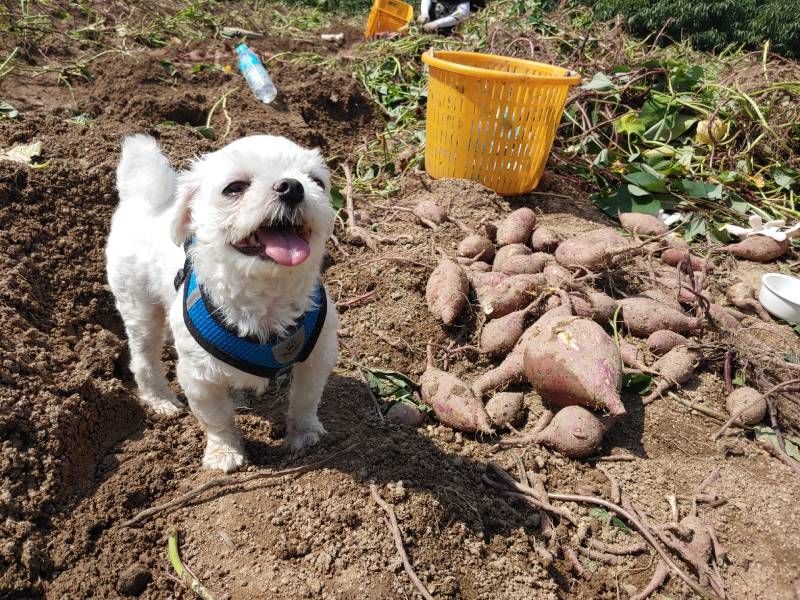
Sweet potatoes are a good source of carbohydrates and are very low in fat; they contain only 1% fat! Most dogs enjoy sweet potatoes, which are usually available at supermarkets year-round. They are also a good source of fiber, antioxidants, vitamins, and potassium. Therefore, serving small pieces of cooked sweet potato is suitable for dogs recovering from pancreatitis!

How Should I Prepare the Sweet Potato?
This part is really simple. Follow the three tips below on preparing sweet potato and feeding it to your dog:
As with everything, moderation is key. Sweet potato should served with other vegetables, a good source of cooked lean protein, and carbohydrates. Sweet potato alone is not a balanced diet for dogs.
One Warning:
In 2019, the US Food and Drug Administration (FDA) released an investigation that potentially linked grain-free diets with heart disease (specifically, dilated cardiomyopathy) in dogs. Why does this matter? Well, many grain-free diets contain legumes, pulses, vegetables, and occasionally sweet potatoes.
The research isn’t particularly strong and certainly doesn’t incriminate sweet potatoes. Additionally, the risk is likely associated with the long-term feeding of these diets, as opposed to the few weeks of feeding required after a bout of pancreatitis. So, while the risk is extremely low, we recommend chatting with your veterinarian if you have any concerns.

Frequently Asked Questions
What Other Vegetables Are Suitable?
If you can’t find sweet potatoes or your dog doesn’t like the taste, there are plenty of other options. Peas, broccoli, carrots, and pumpkin are all suitable for dogs recovering from pancreatitis. Just avoid onions, garlic, and chives, which are toxic.
What Foods Aggravate Pancreatitis?
Fatty foods are the main culprits: oils, pork, beef, salami, gravy, and table scraps are all examples of what you should avoid.
Can Cats Get Pancreatitis?
Yes! However, cats show signs of pancreatitis differently from dogs, and the causes are harder to pinpoint. The disease is not contagious, so one dog or cat suffering from pancreatitis cannot transmit it to another.
In Conclusion
If your dog is recovering from pancreatitis, always discuss the short-term and long-term nutrition plans with your veterinarian. With a good diet and close attention, most dogs can be well-managed long-term, with few (if any) flare-ups. Sweet potato is a great low-fat vegetable option for dogs recovering from pancreatitis, though it must be part of a balanced diet.
Sources
Featured Image Credit: Forever J, Shutterstock
Expert dog care, straight to your inbox
News, insights, expert advice, and everything dog.

No spam — unsubscribe anytime.
By signing up, you agree to our Terms & Conditions and Privacy & Cookies Policy.
How useful was this post?
Click a star to rate. You can leave written feedback afterwards. (We read all feedback.)
Dr. Joe Mallat DVM (Veterinarian)
Joe is a veterinarian from Sydney, Australia. When he's not working, he enjoys cooking, exercising, and exploring the Australian wilderness. He has worked for 2 years at a mixed-species practice on the mid-north coast of New South Wales, treating animals of all sizes. His areas of particular interest include wound management, internal medicine, and oncology. Joe's love for the profession comes not only from helping dogs, but also from helping their parents and working with wonderful teams of people.
Joe completed his Bachelor of Veterinary Biology and Doctor of Veterinary Medicine at the University of Sydney in 2020.