Can Dogs With Pancreatitis Eat Carrots? Vet-Verified Facts & FAQ


In this article
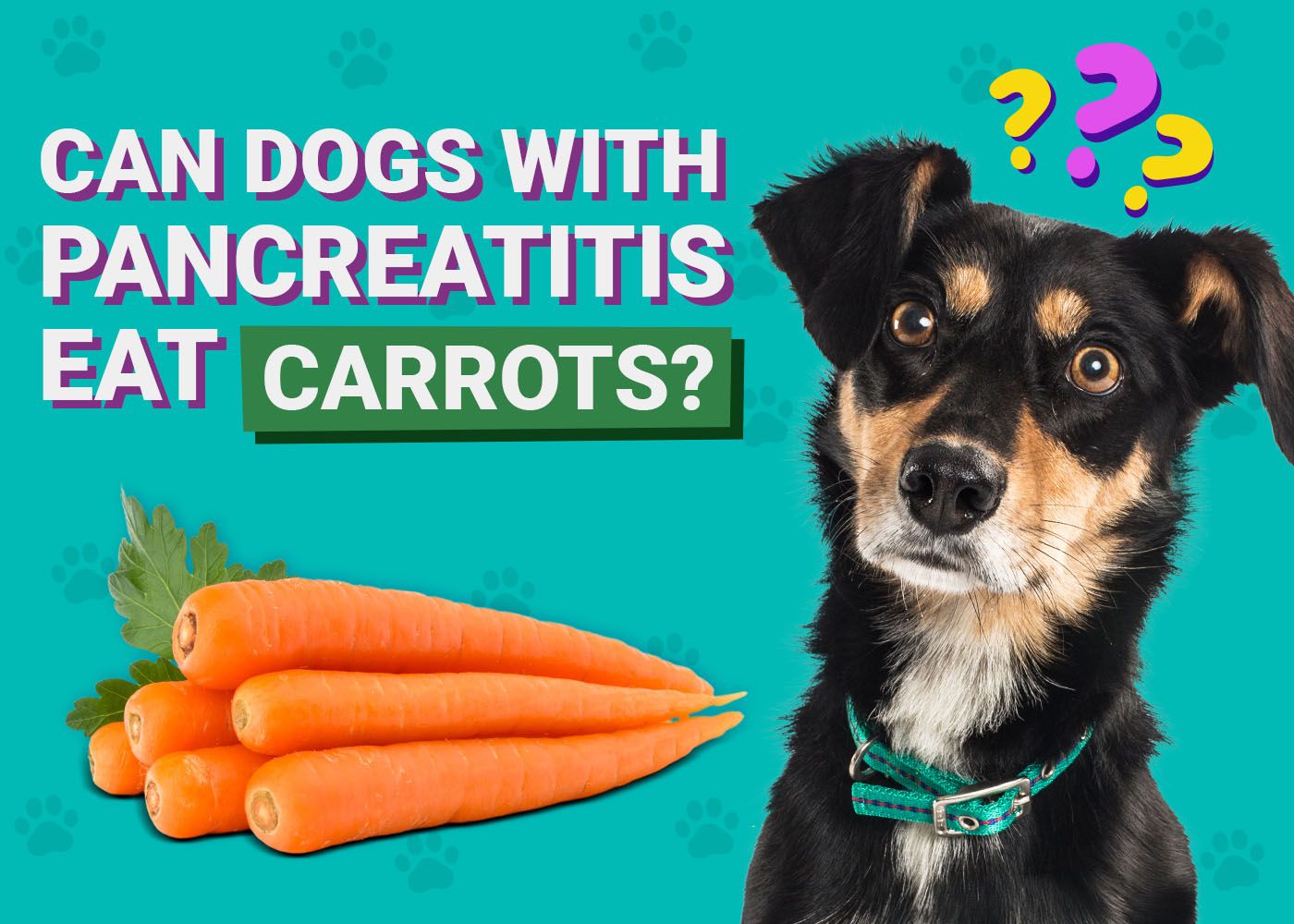
If your dog has just spent the last few days in intensive care due to pancreatitis and you're worried about what you should and shouldn't feed them, we're here to help you out! There are types of foods your dog should avoid during this time to prevent vomiting and a painful abdomen. However, if you've been considering offering them carrots as a tasty snack, go right ahead!
In this article, we're going to discuss what pancreatitis in dogs is, what causes it, what symptoms to watch out for, and what your dog should and shouldn't be eating so that you can better care for them throughout their course of treatment and afterward.

What Is Pancreatitis?
Although it's alarming to find out that your dog has pancreatitis, it's actually very common in dogs. However, that doesn't make it easier to deal with and manage. The pancreas is an organ in your dog's abdomen that has many roles. One of its main roles is to release digestive enzymes, which break down the foods your dog has eaten.
Pancreatitis can either be acute or chronic, but in both types, inflammation occurs in the organ and causes pain and other signs, such as vomiting and inappetence. The inflammation is the cause of an early release of enzymes, which starts to break down its own tissue—in simple terms, the pancreas begins to digest itself.
In acute pancreatitis, symptoms in your dog may be sudden. In chronic pancreatitis, the process is generally slower. However, either type can be mild or life-threatening and require medical care.

What Causes Pancreatitis in Dogs?
Although pancreatitis is common in dogs, the cause of this disease is not always known, especially in acute cases. However, several factors can cause this disease to develop in your dog.
Firstly, some breeds are more at risk of this disease than others. Breeds with higher fat levels in their blood tend to be more at risk. Cocker Spaniels, Miniature Poodles, and Miniature Schnauzers are among these breeds. Although these breeds have a higher risk factor, it doesn't mean these breeds will always end up experiencing pancreatitis at some point in their lives. In the same way, all breeds are at risk of this disease, even if they don't have hyperlipidemia. Obese dogs are at risk for pancreatitis because they also have higher fat levels in their blood.
Sometimes pancreatitis is caused by something seemingly far more innocuous, such as a dog being fed table scraps. So that piece of faty bacon you fed Fido at breakfast can actually trigger a bout of pancreatitis. Unfortunately, even the medications your dog may need to fight other diseases, such as cancer, can cause pancreatitis.
Pancreatitis isn't always caused by what goes into your dog's mouth; it can sometimes be the result of an underlying health condition, such as diabetes, liver and kidney problems, or Cushing's Disease. It can also be triggered because of infections, such as parvovirus, Babesia canis, etc.
Pancreatitis can be caused by blunt trauma to the abdomen, such as being kicked by a larger animal or human or being hit by a car.
Signs to Watch Out For
Pancreatitis isn't age-specific, but it occurs more commonly in dogs older than 7 years old. Unfortunately, like most diseases in dogs, pancreatitis signs can closely resemble the signs of other health conditions. It's essential to get your dog to your local vet if they display any of the signs below, whether you think they may have pancreatitis or not.
In both acute and chronic pancreatitis, you may see signs of:
- Pain
- Lethargy
- Fever
- Vomiting and diarrhea
- Dehydration
- Shock
- Lack of appetite
- Collapse

How to Care for a Dog With Pancreatitis
Your dog will need to see a vet and will likely be hospitalized for a few days, depending on how bad their signs are. They require this level of care to address the pain, nausea, and dehydration associated with the disease. Intravenous fluids are a mainstay of therapy, and sometimes it may take a few days to get a dog feeling better and hydrated.
A vet may send your dog back home with you with medication to give them for a few days or as instructed. They may also instruct you not to give your dog food for a certain period or until the vomiting has stopped.
You'll also need to monitor their intake of fatty foods. It is strongly discouraged to feed your dog scraps from the table in the future, and furthermore, a change in diet to a low-fat one is typically recommended. They may also do better eating smaller meals fed more frequently.
These changes may only be necessary while your dog is recovering from pancreatitis. But, for dogs that have had several flare-ups, these changes will most likely have to become part of their daily lifestyle to prevent further bouts.
Why Are Carrots a Good Snack Option?
We know that carrots are a low-fat snack that your dog with pancreatitis can enjoy. They're much cheaper than dog treats and have a lot fewer calories in them. They're also nutritious.
You can freeze carrots and give them to your dog to enjoy on a hot summer's day. They love the crunchy texture of these vegetables, and chewing one will likely keep them busy for quite some time, making them fun "toys”. They contain plenty of nutrients, such as vitamin A, as well as potassium and fiber.
Always supervise your dog when they munch on carrots and cut them up into smaller sizes to prevent the possibility of them lodging in their throats. Otherwise, you can cook the carrots first. Ask a vet about the best way to prepare carrots for your dog, about dosage and other nutritional advice.
What Other Fruits and Vegetables Can Be Eaten by Dogs With Pancreatitis?
If your dog isn't a big fan of carrots, there are other safe fruits and vegetables to offer them that are also low in fat and full of nutrients. Always introduce new snacks in small portions. All fruits and vegetables should be given in moderation.
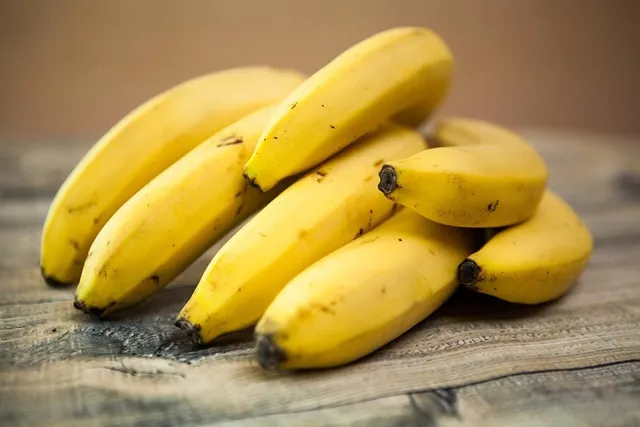
| Bananas | Contain copper, vitamins, and potassium |
| Apple slices | Contain vitamins A and C |
| Strawberries | Help whiten dogs’ teeth |
| Blueberries | Contain antioxidants |
| Cantaloupe | Contain plenty of water and fiber |
| Cucumbers | Full of water for hydration |
| Mangos | Contain vitamins A, B6, C, and E |
| Oranges | High in vitamin C and potassium |
| Peach slices | Contain fiber and vitamin A |
| Pear slices | Full of copper, fiber, and vitamins C and K |
| Pineapple slices | Contain bromelain |
| Pumpkin | Great for digestion |
| Broccoli | Contains fiber and vitamin C |

Conclusion
Pancreatitis in dogs is a common but unfortunate disease whereby the pancreas becomes inflamed and doesn't function as it normally does. High-fat foods should be avoided in dogs with the disease. Instead, they should be given a low-fat diet and snacks. Carrots are just one example of many nutritious and beneficial snacks that can be safely given to dogs who have experienced pancreatitis.
Sources
https://www.akc.org/expert-advice/health/pancreatitis-in-dogs/
https://www.petmd.com/dog/conditions/endocrine/c_multi_pancreatitis
https://www.preventivevet.com/dogs/pancreatitis-in-dogs-causes-and-what-you-can-do#
https://www.akc.org/expert-advice/nutrition/can-dogs-eat-carrots/#
https://www.akc.org/expert-advice/nutrition/fruits-vegetables-dogs-can-and-cant-eat/#
https://www.petmd.com/dog/nutrition/best-foods-for-dogs-with-pancreatitis
Featured Image Credit: New Africa, Shutterstock
Expert dog care, straight to your inbox
News, insights, expert advice, and everything dog.

No spam — unsubscribe anytime.
By signing up, you agree to our Terms & Conditions and Privacy & Cookies Policy.
How useful was this post?
Click a star to rate. You can leave written feedback afterwards. (We read all feedback.)
Keri-Beth is a freelance writer from South African who specializes in animals. She has grown up with a range of pets, volunteered at many shelters, and is highly passionate about pet care. Currently, Keri-Beth is raising two dogs - Benji, the Golden Cocker Spaniel, and Gracie, the Boerboel. With so much information out there, Keri-Beth has made it her questo to make pet care as easy and straightforward as possible for any pet parent in the world.
In her spare time, Keri-Beth enjoys photography, camping, and spending time with her husband, who is a professional drummer.