Histiocytosis in Bernese Mountain Dogs: Signs, Causes, & Care (Vet Answer)

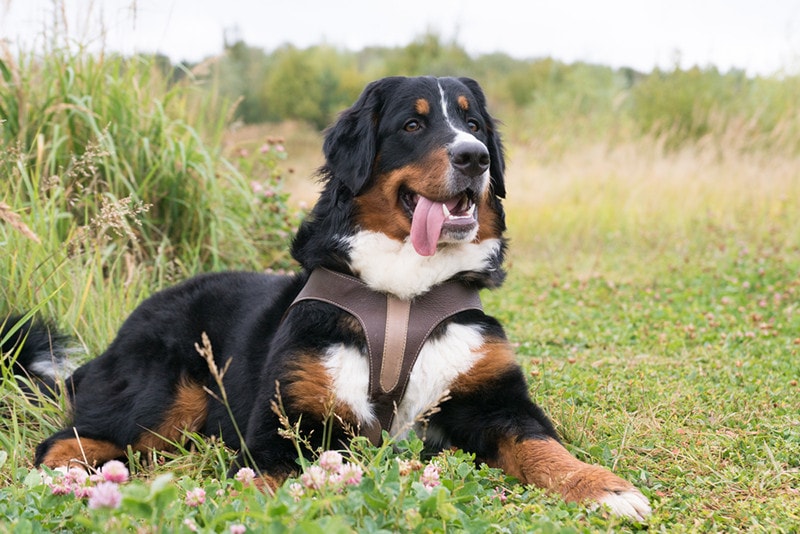
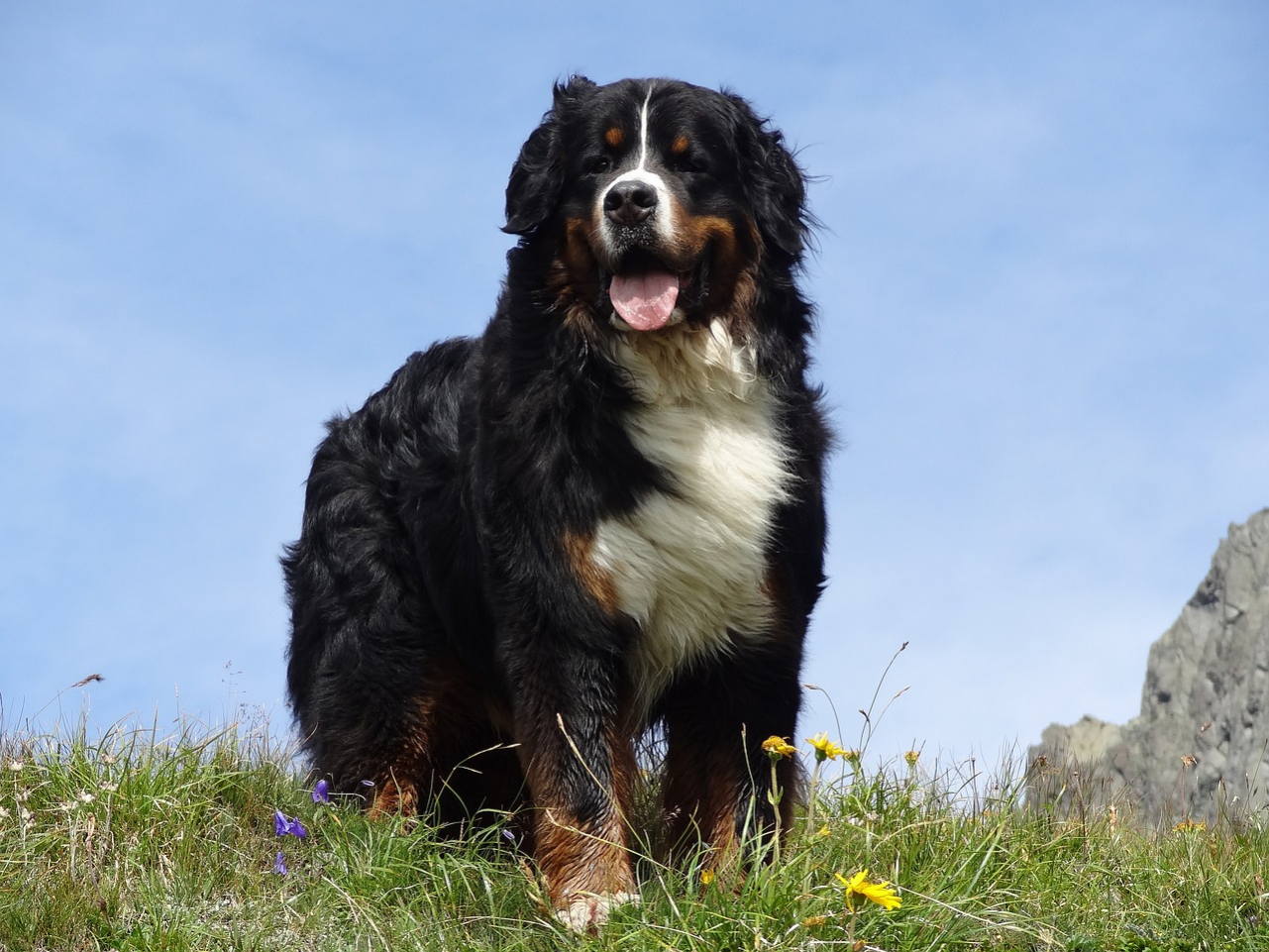
Histiocytosis is a rare condition that stems from normal cells, histiocytes, in the body. In Bernese Mountain Dogs, they can develop cancerous tumors called histiocytic sarcomas. Other times, Bernese Mountain Dogs will develop systemic (entire body) histiocytosis that is non-cancerous but progressive and debilitating. We’ll discuss both of these in Bernese Mountain Dogs, what to look for, and how your pup can be treated.

What Is Histiocytosis?
In Bernese Mountain Dogs, there are two kinds of histiocytosis. There is a benign form known as cutaneous or systemic histiocytosis. There is also an aggressive cancerous form known as malignant histiocytosis. The systemic form can be inherited or passed down from previous family members. However, some dogs will be affected independent of familial history.
It is unknown what stimulates the histiocytes, normal cells of the body, to start proliferating.1 You may notice nodules or growths anywhere on your dog’s body, mouth, ears, etc. However, sometimes the growths start internally on organs not visible to the naked eye. These growths will wax and wane in the systemic form, sometimes spontaneously. Other times, the growth will not regress without medications. These episodes will occur throughout a dog’s life, with each episode worse than the last.
With the malignant form, you may or may not notice the same signs as with systemic histiocytosis. Often, there are no visible external lesions with the malignant form. However, the malignant form is extremely aggressive and progresses within weeks. The lesions or the abnormal signs do not wax and wane but just worsen quickly and aggressively, with most dogs passing away from the disease within months.

What Are the Signs of Histiocytosis?
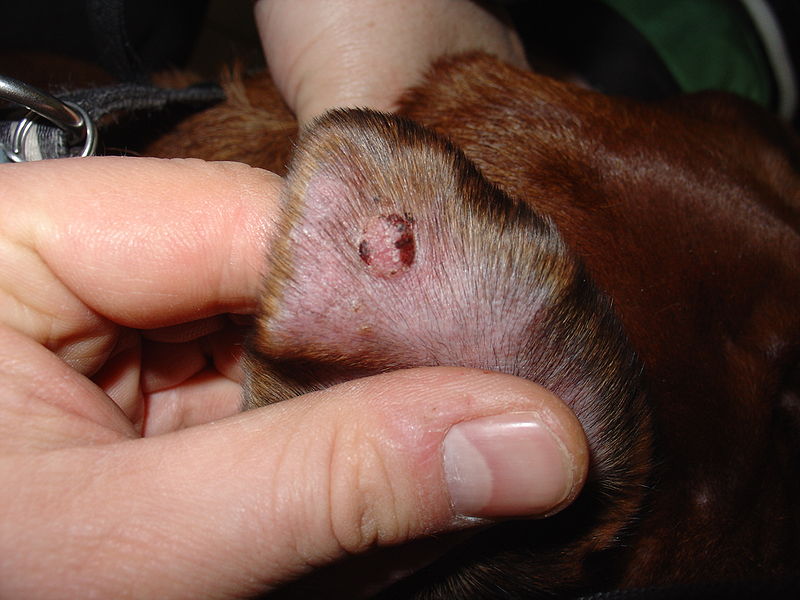
At first, you may notice one or multiple lumps under the skin on your dog. These lumps can range in size from small nodules to larger masses. They can occur in places other than the skin, even in the eyes, nose, and mouth. Sometimes, only a few lumps will grow and then regress in size. Other times, these nodules can ulcerate or rupture open.
Your dog may then have multiple weeping, oozing lumps over their body. When this occurs, these areas can also become infected. You may notice yellow, brown, green, or white discharge or an odor around these areas if that occurs.
Bernese Mountain Dogs can get this disease everywhere in their body. In addition to the lumps described above, your dog’s lymph nodes may also become enlarged. When your dog is having an episode, they can be very uncomfortable and tired, in addition to developing the infections discussed above.
Other Bernese Mountain Dogs may develop histiocytic sarcomas or cancerous tumors. These often appear as the benign form of histiocytosis in the beginning. However, it then spreads internally to other organs, such as the liver and spleen. Other times, the malignant form will not present itself externally and only affect the organs such as the liver and spleen. In these cases, you may notice your dog losing weight, having a decreased appetite, lethargy, or even a distended abdomen.

What Are the Causes of Histiocytosis?
Histiocytes are normal cells in the body.2 They are part of the immune system group of cells called macrophages. In healthy animals, histiocytes are involved in a normal immune response to different triggers or stimuli. In histiocytosis, these cells will rapidly grow and proliferate. At this time, there is no known trigger as to why this happens. Sometimes, diseases such as leishmaniasis may be the cause, but the overwhelming number of cases have no stimulus.3
The disease can be inherited in Bernese Mountain Dogs. It is most common with systemic histiocytosis, though it can also occur with the malignant form. While other breeds can get the disease, Bernese Mountain Dogs are overwhelmingly represented. Why they are more prone to this disease is still being studied.
If you’re concerned about your pet's health, you should contact a vet.
How Do I Care for a Bernese Mountain Dog with Histiocytosis
First, your veterinarian will need to accurately diagnose your dog so that they can best treat them. The only way to determine the cause of your dog’s lumps is for your veterinarian to obtain a tissue sample and send it to the laboratory for a pathologist to examine. Typically, your dog will have either a local numbing agent applied to the area, or they will be sedated. A small tissue sample is then taken, and a suture or two is used to close the area.
Some forms of histiocytosis may respond to high doses of immunosuppressive drugs. In other words, drugs that turn down the body’s natural immune response so that the nodules will get smaller. This, of course, puts your dog at increased risk of infection from any source as their immune system has been dialed down. Your dog will often have to be put on a combination of immunosuppressive drugs until the best combinations and doses are found that work.
Unfortunately, if your Bernese Mountain Dog has the malignant form of histiocytosis, you may need to consult a veterinary oncologist. They can discuss possible chemotherapy agents and their effectiveness. Unfortunately, the malignant form is highly aggressive, and not many medications or combinations of medications are effective. However, your veterinary oncologist can discuss the most up-to-date data.

Frequently Asked Questions (FAQ)
Can My Dog Be Cured?
No. This is a lifelong disease. If your dog is diagnosed with a benign form of histiocytosis, the events can hopefully be controlled and maintained with medications. As your dog ages, the episodes of systemic histiocytosis will worsen. However, if your dog is diagnosed with a malignant, cancerous form, the disease progresses quickly and is fatal.
Can Histiocytosis Spread to My Other Dogs?
No, neither the benign form nor the malignant form is contagious. Even if the lesions ulcerate and become infected, there has been no reported spread of the secondary infection to other animals.

Final Thoughts
Histiocytosis occurs from an unknown trigger that causes normal histiocytes of the body to proliferate rapidly. Bernese Mountain dogs can suffer from a non-cancerous or systemic form of histiocytosis. Bernese Mountain Dogs can also suffer from a highly aggressive malignant form of histiocytosis that is fatal within months.
Dogs can grow nodules or masses anywhere in the body that may or may not be visible. Tissue evaluation at the laboratory is needed for diagnosis so that a treatment can be recommended. Treatment is lifelong, with the malignant form being fatal and the systemic form progressing as your dog ages.
Sources
Featured Image Credit: Anton Ogorodov, Shutterstock
Expert dog care, straight to your inbox
Vet-reviewed advice, training tips, and the best of Dogster. Free, and you can unsubscribe anytime.
By signing up, you agree to our Terms & Conditions and Privacy & Cookies Policy.
Dr. Kim Podlecki DVM (Veterinarian)
A graduate of The Ohio State University College of Veterinary Medicine, Dr. Podlecki has more than 12 years of experience working with small animals in the US. Dr. Podlecki worked almost exclusively in specialty medicine and emergency for more than a decade before transitioning to relief in both general practice and ER. Dr. Podlecki also owns her own consulting company (renewvetconsulting.com) with the focus of helping veterinary hospitals prioritize their staff to promote a healthier internal culture.
Join the conversation
Ask a question, share your story, or send private feedback.