In this article
Cysts are sacs containing bodily fluids or other material. They can appear more or less anywhere on the body and vary dramatically in size and appearance. They are usually benign and cause minimal harm to your dog. Often, cysts that have been drained can recur. The most common reasons are incomplete removal of the sac and the underlying cause of the cysts not being addressed.
This is often a frustrating situation and can be challenging to manage. This article will explore the reasons your dog’s cyst may be refilling and discuss appropriate treatment options.

What Is a Cyst?
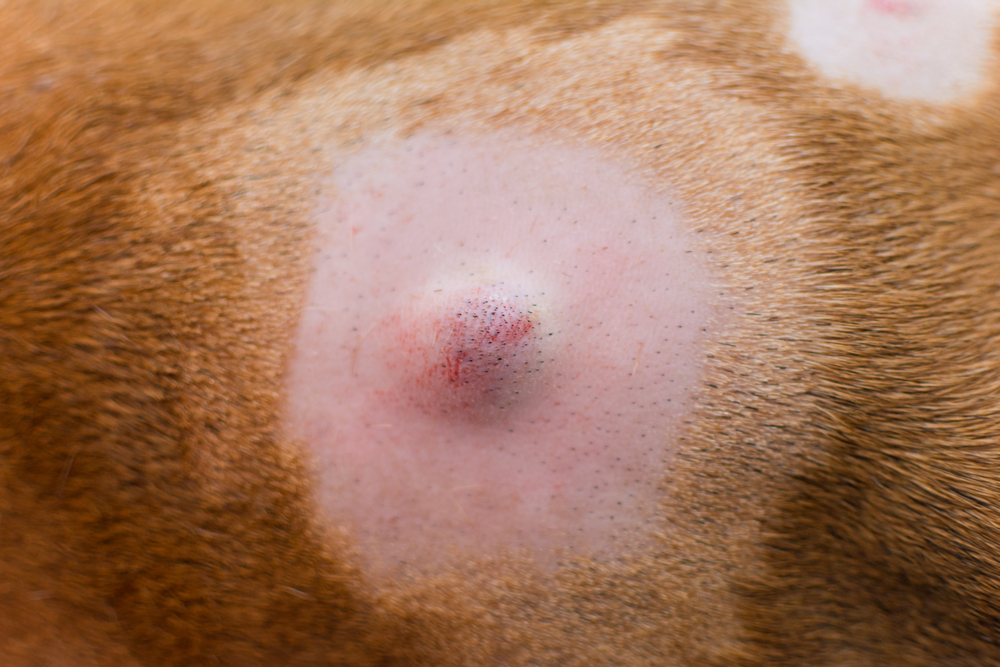
A cyst is a hollow cavity that contains bodily fluids or matter.
- Tissue fluid: This can be clear, yellow, or blood-tinged, depending on the cause of the cyst.
- Sebum: This is an oily substance that is produced by the sebaceous glands in the skin to lubricate the skin and hair.
- Keratin: This is a protein that makes up skin, nails, and hair. If hair follicles become blocked, follicular cysts containing keratin may form.
- Pus: If a cyst is present and it becomes infected with purulent bacteria, the fluid can turn into pus. This is a thick, foul-smelling discharge that is typically yellow or white. There is usually considerable pain and swelling if an infection is present.
- Hair: Some cysts can contain encapsulated hair; these are commonly seen in the ear canal.
- Debris: Depending on the underlying cause of the cyst and its location, there can also be dead skin cells and other products from the breakdown of cells.
There are lots of different types of cysts, including sebaceous cysts, follicular cysts, true cysts, and dermoid cysts. True cysts are unique in that they have a secretory lining on the inside surface. This produces the secretions that make up the contents of the cyst. It is common to see true cysts in glands when the duct that serves the gland becomes blocked.
With true cysts, unless the secretory lining is completely removed or destroyed, it is highly likely the cyst will keep recurring after it has been drained.
Why Do My Dog’s Cysts Keep Filling Up With Fluid? 4 Reasons
There are several reasons the cysts on your dog may be filling up with fluid.
1. Rupture
Some cysts rupture on their own. When this happens, it may look like the cyst has disappeared. The capsule of the cyst will still be present, though, so the cyst can fill up again rapidly.
2. Incomplete Removal
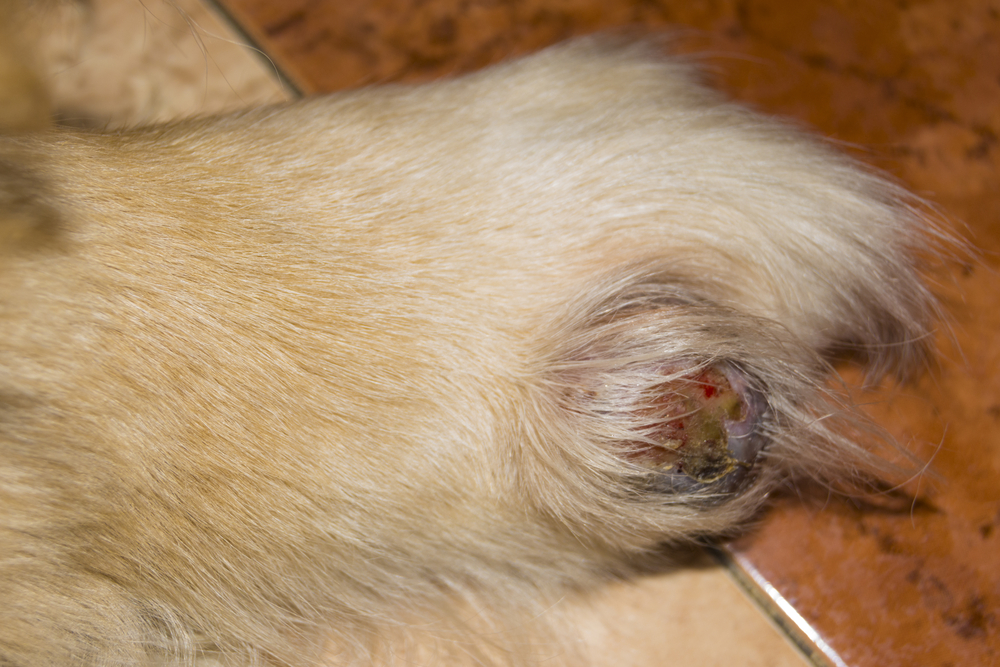
If an attempt has already been made to remove a cyst but not all of the capsule is removed, the sac is still left in situ. Over time, it will fill up with fluid again, and the cyst will eventually be the same size it originally was or become even bigger.
3. Not Addressing the Underlying Cause
In some cases, there is an underlying cause that is contributing to the development of cysts. This can be things like hormonal imbalances or an allergy. If the cyst is drained, but the underlying cause is not addressed, it is likely that the cyst will recur, as the circumstances have not changed.
4. Multiple Cysts in One Place
If only one cyst is treated in an area where there are multiple cysts, the other cysts are likely to continue to develop. It may seem like the cyst has been treated initially, but others may fill up and occupy the space the original one took up.

6 Tips on How to Prevent Cysts Recurring
It is not always possible to prevent the recurrence of cysts. However, there are some measures that owners can take to reduce the incidence of cysts refilling back up.
1. Balanced Diet
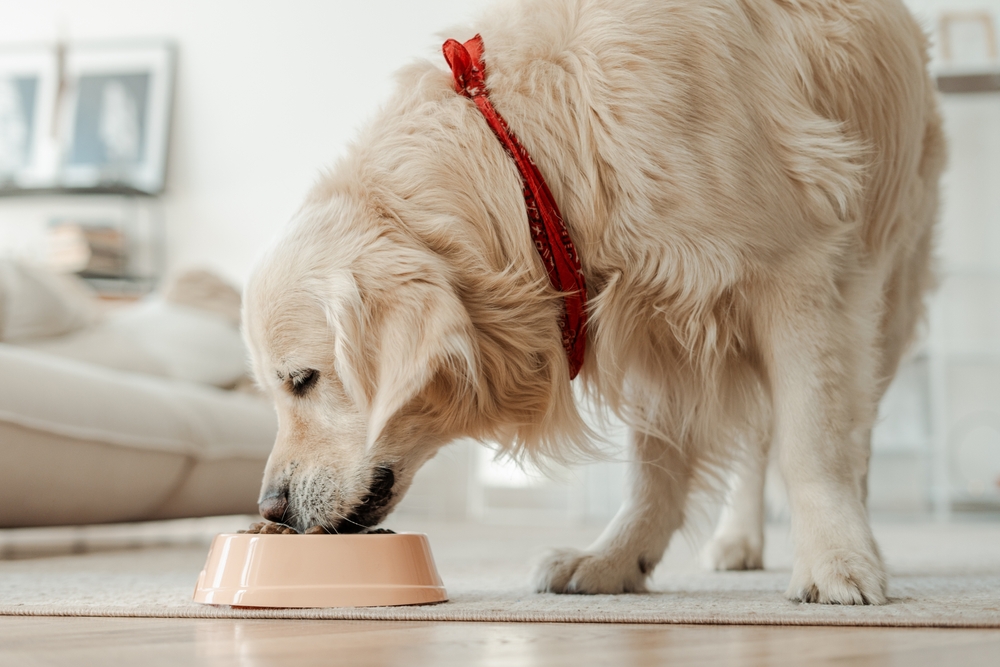
Make sure you are feeding your dog a balanced diet that is rich in all the essential nutrients, including omega-3 and -6 fatty acids. This is important in maintaining a healthy skin and coat. When your dog’s skin and coat are in good condition, they are less likely to develop cysts.
If you feel your dog is lacking in nutrients, speak to a vet to discuss supplements or a change of diet.
If you need to speak with a vet but can't get to one, head over to PangoVet. It's our online service where you can talk to a vet online and get the personalized advice you need for your pet — all at an affordable price!

2. Coat Brushing
Regular brushing of the coat is very important. It means dead skin cells that accumulate over time on the surface of the skin will be removed. If the skin cells are left to sit on the surface of the skin, they can often clog pores, glands, and hair follicles. Other potential allergens or irritants will be removed from the skin. This can reduce the incidence of inflammatory changes that may lead to cyst formation.
Brushing increases the blood supply to the skin. Improving circulation is thought to keep the skin well-hydrated and nourished. It can promote a healthy turnover of skin cells. It also helps to keep hair follicles clear.
Brushing will also help to distribute the natural oils in your dog’s coat, providing a healthy barrier against potential allergens and irritants.
3. Address Underlying Causes
If any underlying causes have been identified, it is important to address and manage them. For instance, if a dog suffers from allergies, some sort of allergy treatment should be initiated—for example, feeding a hydrolyzed diet or starting immunomodulatory therapy.
4. Baths
In some cases, it can be helpful to regularly bathe dogs that have issues with cysts. The aim is to keep the skin clear and healthy. This may not work for all dogs, though, as some will get a dry coat if bathing is too frequent.
A great dry shampoo will make keeping your dog clean and happy a breeze. We love Hepper's Cucumber & Aloe Dry Shampoo because it will freshen up your dog's skin and coat while reducing irritation. This no-rinse, pH-balanced formula is easy to use and has a soothing cucumber and aloe scent.
At Dogster, we’ve admired Hepper for many years, and decided to take a controlling ownership interest so that we could benefit from the outstanding products of this cool pet company!
5. Supplements
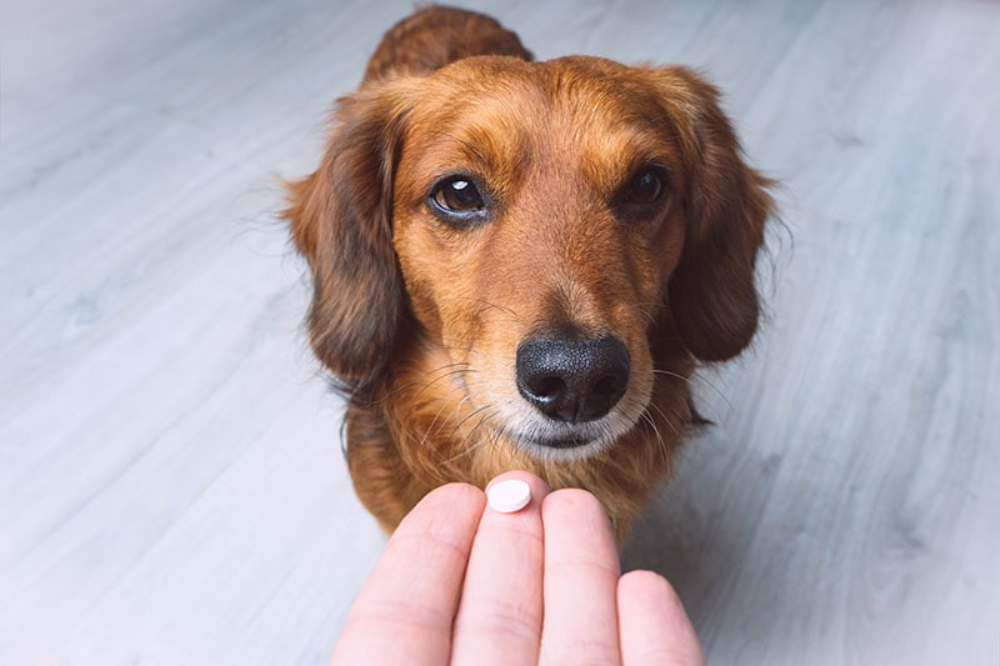
There is a vast number of different supplements available for dogs that promote good skin and coat health. Ones that contain omega-3 fatty acids are especially useful for the maintenance of healthy skin.
6. Regular Vet Checks
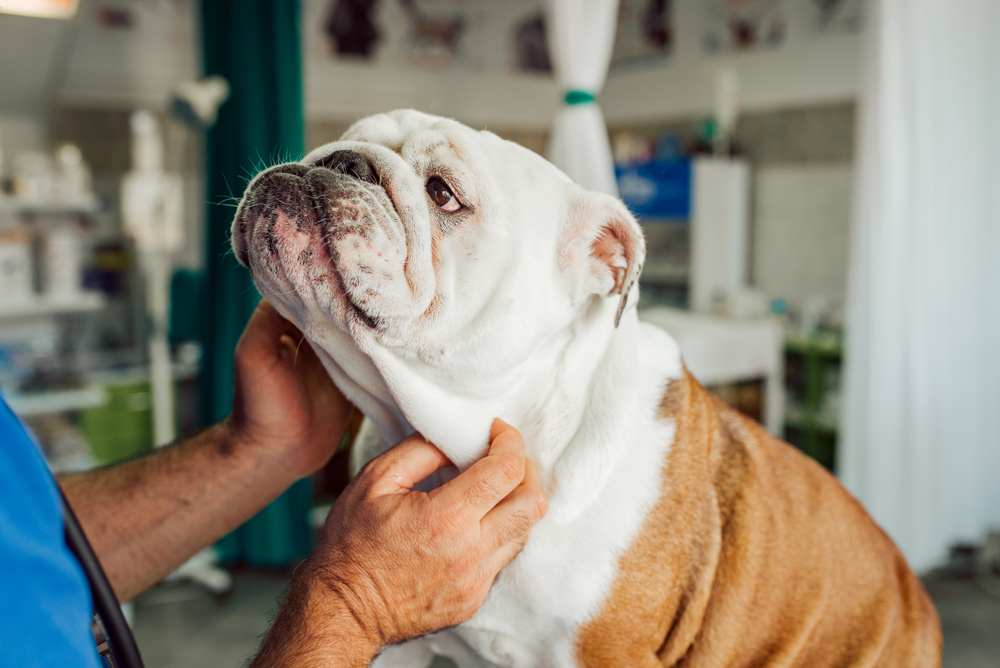
Keeping up to date with your dog’s vet visits and vaccinations to ensure they are in good health is recommended. Your vet will be able to detect any early clinical signs and investigate any cysts present as soon as they develop.
How Do Cysts Develop?
Cysts develop when parts of normal anatomy, such as hair follicles or secretory glands, become damaged or blocked. This means that fluids, other bodily materials, and debris become trapped.
- Trauma: Any sort of injury or trauma can cause a blockage to occur if there is damage to the opening of a follicle or gland.
- Infections: Any sort of infection can contribute to swelling and inflammation, causing glands and follicles to become blocked.
- Inflammation: Conditions that cause inflammation can often lead to blockage of ducts that drain glands and follicles, enabling a cyst to develop.
- Genetics: Certain breeds may have a genetic predisposition to developing cysts. Breeds like Golden Retrievers, Shih Tzus, some Terrier breeds, Boxers, Schnauzers, and Basset Hounds seem to be more prone to developing specific types of cysts.
- Hormones: Some dogs are affected by hormonal imbalances. Fluctuations in hormones, especially age-related changes or a female dog during estrus, can contribute to the development of cysts in certain dogs.
- Compromised immune system: Dogs that are immunocompromised in some way or have underlying allergies may be more likely to develop cysts.
How Are Cysts Diagnosed?
Typically, a cyst is diagnosed by taking a small sample of the contents of the swelling. This is often done via fine needle aspiration. A small needle is inserted into the cyst, and a sample of the fluid or material inside is withdrawn. The sample is then studied under the microscope to determine its origin and the cell type present. This can be done consciously in some dogs that will tolerate it. Others will have to be sedated to obtain a sample.
In some cases, a full biopsy is required for diagnosis. A tissue sample will be surgically removed for analysis. This is taken while the dog is under general anesthetic.
How Are Cysts Treated?
There are a few different options for the treatment of cysts. Treatment depends on the location, size, and type of the cyst present, as well as any underlying health issues the dog has. Some small cysts can be left in situ and monitored. This may be appropriate if the dog is not a good candidate for a general anesthetic.
Some cysts can be surgically removed. This means taking out the whole of the cyst sac and the surrounding tissues. Sometimes cysts can be aspirated. This is where the contents are removed using a needle. This can provide temporary relief for the dog, but it does not fully resolve the issue, so the chances of the cyst recurring are very high.

Conclusion
Cysts are fairly common in dogs, and they can often be challenging to manage. There are a few reasons that cysts may keep filling up after they have been treated. The two main reasons are incomplete removal of the sac and the underlying cause of the cysts not being addressed.
Always speak to a vet if you are concerned about a cyst recurring. It is important to determine the underlying cause and plan treatment accordingly. Most cysts are benign and do not cause a great deal of discomfort. If infection and/or inflammation are present, this can be painful for your dog. Your vet will be able to help your dog in the most appropriate way.
Featured Image Credit: Hryshchyshen Serhii, Shutterstock