Discoid Lupus Erythematosus (DLE) in Dogs: Our Vet Explains the Causes, Signs & Care

In this article
Most people associate the term “lupus” with the severe auto-immune disease that affects people; this form of lupus is systemic, meaning it reaches many different organs in the body. Thankfully, the most common form of lupus in dogs is not as severe or life-threatening. The canine lupus to which we are referring is discoid lupus erythematosus (DLE).
This is an immune-mediated (or auto-immune) condition that is generally confined to the nose and skin. This article will explain what DLE is, what we know and do not know about it, and how to care for a dog afflicted by this condition.

What is Discoid Lupus Erythematosus in Dogs?
DLE is an auto-immune condition in which the body starts attacking its own DNA. It is also sometimes referred to as cutaneous lupus erythematosus—cutaneous meaning it is confined to the skin. In DLE, the body is not going around attacking the DNA in all cells of the body.
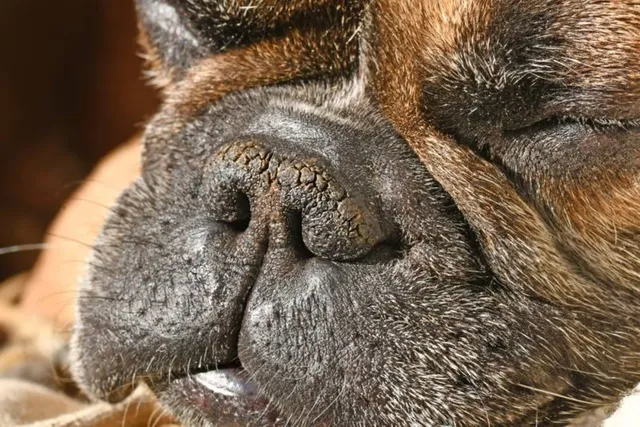
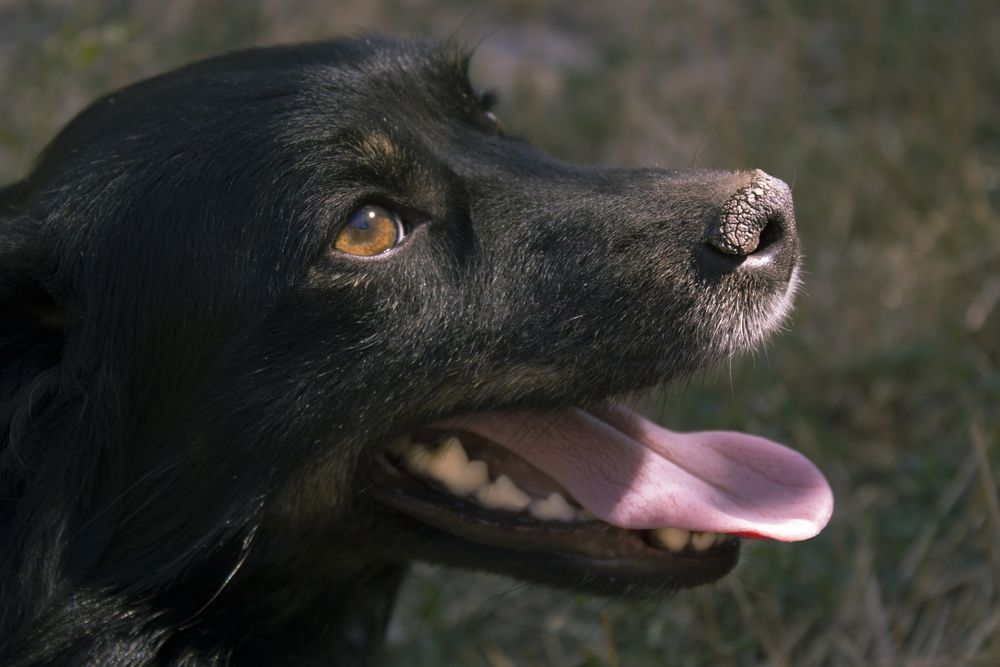
Rather, the immune system identifies floating DNA in dead skin cells and targets its attack here. Most dogs are affected only on the nose, where DLE causes skin to slough or fall off.

What Are the Signs of Discoid Lupus Erythematosus in Dogs?
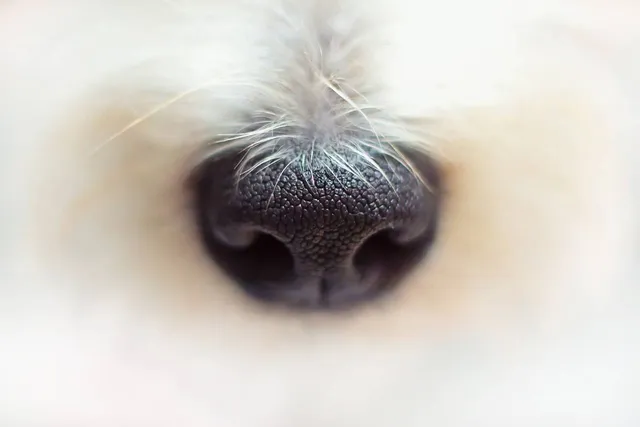
Signs of DLE generally occur around the face and nose.
Common signs include:
While the vast majority of cases will affect only the nose, some dogs will develop similar lesions on the skin around their eyes, and on the footpads.
What Are the Causes of Discoid Lupus Erythematosus in Dogs?
In short, we still do not understand what exactly causes DLE in dogs. It is known to be an auto-immune condition, meaning the immune system mounts an inappropriate response to its own cells. For some reason, the body recognizes the DNA in dead skin cells as foreign material and attempts to get rid of it.
We also know that certain breeds appear more prone to developing DLE than others. German Shorthaired Pointers (GSP), German Shepherd Dogs, Collies, and Shetland Sheepdogs are affected by DLE most commonly. It is important to note, however, that DLE can affect any breed of dog.
Additionally, DLE is both associated with and aggravated by, ultraviolet light (UV light). This is a form of radiation emitted by the sun, so dogs that spend lots of time outdoors during the day may be more likely to acquire DLE.

How Do I Care for a Dog with Discoid Lupus Erythematosus?
If you have noticed changes around your dog’s nose, arrange a consultation with your veterinarian. They will discuss the different diagnostic and treatment options with you.
In general, treatment of DLE constitutes some combination of the below therapies:
There are two important factors to consider when treating DLE. Firstly, this is a lifelong condition; while there is no cure, it can usually be successfully managed with minimal or zero signs of disease.
Secondly, every dog requires slightly different treatment. What works for one dog may not work for another dog, so “trial and error” is an important part of finding the right treatment protocol.

Frequently Asked Questions (FAQ)
How is DLE diagnosed?
DLE is diagnosed via a biopsy of some tissue on the nose. This requires general anesthesia. Samples are then sent to the laboratory for analysis by a pathologist. Biopsy is an important part of diagnosing DLE, and then establishing an effective treatment plan. This is because other conditions, including pemphigus, ringworm, and deep-skin infections, can appear similar to DLE, though they are treated very differently.
How Long Does Treatment Take?
There is no cure for DLE, meaning it needs to be managed for life. Once the initial lesions are under control, your vet will begin tapering the medications to find the lowest effective dose of each that will keep your dog free of any of the signs of DLE.
What Is the Prognosis for Dogs with DLE?
The prognosis for dogs with DLE is very good. Most dogs can be managed successfully for life, with only the occasional flare-up of nose lesions. DLE is not a life-threatening condition, though it will cause dogs significant pain and itchiness if left untreated.

Conclusion
Discoid lupus erythematosus is an auto-immune condition causing crusting and ulceration of a dog’s nose. Prompt diagnosis and effective treatment require you to work closely with your veterinarian. This condition can usually be well managed.
Sources
Featured Image Credit: Alexandra Morosanu, Shutterstock
Expert dog care, straight to your inbox
Vet-reviewed advice, training tips, and the best of Dogster. Free, and you can unsubscribe anytime.
By signing up, you agree to our Terms & Conditions and Privacy & Cookies Policy.
Dr. Joe Mallat DVM (Veterinarian)
Joe is a veterinarian from Sydney, Australia. When he's not working, he enjoys cooking, exercising, and exploring the Australian wilderness. He has worked for 2 years at a mixed-species practice on the mid-north coast of New South Wales, treating animals of all sizes. His areas of particular interest include wound management, internal medicine, and oncology. Joe's love for the profession comes not only from helping dogs, but also from helping their parents and working with wonderful teams of people.
Joe completed his Bachelor of Veterinary Biology and Doctor of Veterinary Medicine at the University of Sydney in 2020.
Join the conversation
Ask a question, share your story, or send private feedback.