Can Dogs Be Allergic to Other Dogs? Our Vet Explains Facts & FAQ

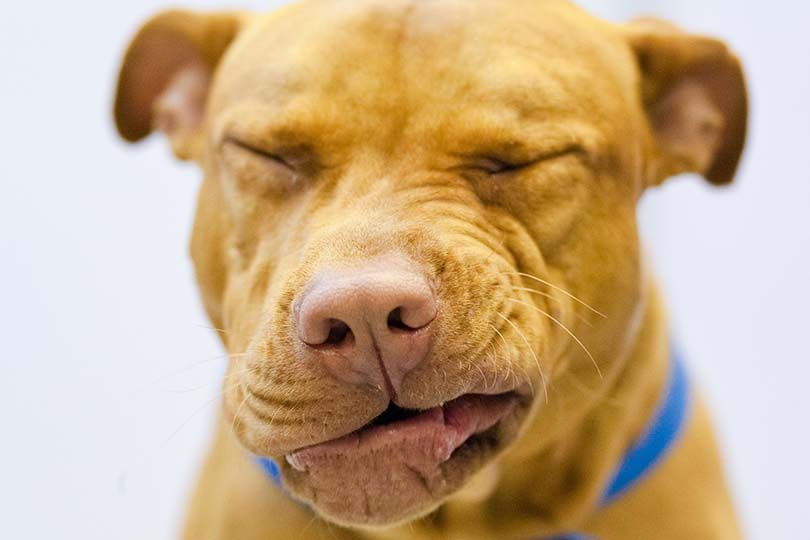
Yes, dogs can be allergic to other dogs. However, in veterinary literature, there is actually more evidence that other allergens cause more problems for dogs than other dogs.
Dog allergies tend to accumulate on top of each other to create an allergic response. And while an "other dog allergy" can be a problem, it is probably a sign of other underlying allergies snowballing together.
Read on to learn more about how allergies in dogs differ from allergies in humans and how to help your dog have fewer reactions.

What Things Are Dogs Allergic To?
Dogs allergic to environmental stimuli (such as other dogs) are usually allergic to other things in the environment and in the food they eat.
Some common allergens include (but are not limited to):
Just notice for a moment that "other dogs" is not on this list; in other words, other dogs are not as common of an allergen as the other ‘things’ on this list.
A dog allergic to other dogs probably has allergies to other things that simmer undetected until the other dog is added to the equation. Many allergies go undetected in dogs.

How Do You Know If Your Dog Is Having an Allergic Reaction?
Allergies in dogs tend to act differently than they do in humans. Not only do they usually have different clinical signs, but they also tend to be more accumulative—less all-or-nothing.
I like to think of dog allergies in terms of thresholds. Above the threshold, there is an allergic response, but below it, there is not. Most dogs are allergic to more than one thing and some of those things elicit more of a response than others. These things pile up on top of each other until they elicit an allergic reaction—the reaction threshold.
If one of these things is reduced, the overall threshold is lowered, and the allergic response is reduced. Conversely, if one of these things increases, the threshold rises until there is an allergic reaction. In dogs, allergies usually pile up on top of each other to create an allergic response instead of one single allergen skyrocketing over a threshold, which happens a lot in humans.
An allergic reaction is not always obvious unless you know the dog-specific signs to look for. Sneezing and a runny nose are not regular signs of allergies in dogs, like they are in humans, for example.
However, if their face does swell up and they have an anaphylactic type of allergic reaction, they need to go to the emergency vet immediately. Not only can this be deadly, but it also suggests something else is going on. Dogs rarely have anaphylactic reactions to just environmental stimuli unless they get stung or eat something found in the environment.
Instead, allergic reactions tend to cause itchy skin, mostly on their feet and belly. They lick and chew their feet and lick and scratch their belly. Sometimes this can look like they are over-grooming.
Their feet and bellies can also turn bright red as they scratch themselves.
If you are concerned about the health and well-being of your pet, seek veterinary advice for the best course of action.
How Do You Know If They Are Scratching Themselves Too Much?
Having a good healthy scratch is normal for dogs, and it is normal for them to lick their feet—occasionally. It is all in terms of comparison.
Most dogs will not stop doing something they enjoy scratching themselves. For example, if your dog is out on a walk and needs to stop scratching their belly, that could be a sign of an allergy. If they sit and repetitively lick their feet, over and over, almost like they are in a trance, that could be a sign. Or if they scratch themselves throughout the day, multiple times and repetitively.
Sometimes you can test how itchy they are by scratching their belly yourself. Of course, most dogs love this. And many will kick their hindlegs in response. But sometimes, if your dog is extra itchy, they will completely overreact. They will fall over, or their back legs will go crazy. They enjoy it just a little too much.
How Do I Know What Is Making Them Itchy?
It can be difficult to know what you are allergic to. The simplest sign is that they have an allergic response immediately after exposure to the ‘thing,’ i.e., they get itchy right after playing with another dog.
However, it can take a long time for the signs of an allergic reaction to go away, and it can take days for the skin to calm down again (especially without dog-safe anti-itch medication). So, do not be surprised if, after two or three days, your dog’s skin is still itchy, especially since their other allergens have probably also snowballed and escalated the situation at the same time.
If your dog lives with other dogs, their dog allergy might wax and wane with the seasons. This often happens in dogs who are also allergic to plants or pollen. Their allergies will get much worse in the spring or summer because their summer allergies add on top of their other allergies and go over the response threshold.

Can Dogs Get Hives?
While allergies can cause a dog to develop hives or rashes, it is better to monitor their behavior and their scratching instead. Itchiness is a much more sensitive indicator of an allergic reaction.
A dog will almost always be itchy before they develop hives, and if there are hives, they will almost always be itchy. Plus, rashes and hives can be hard to see under all that fur.
So, if your dog has an allergic response, they will almost always be itchy and only sometimes develop rashes or hives.
Why Are Allergies So Frustrating?
Allergies can be very frustrating. It can feel like no matter what you do, your dog is always itchy.
The best place to start is with a vet. They can help establish a baseline and a plan of prevention and treatment. There are also remarkably effective medications that can help your dog’s itchy skin, but they need a veterinary prescription.
How Can I Help?
The best way to manage a dog’s allergies is to lower the overall allergic threshold by controlling the allergens that are easier to control. This usually means reducing food allergies. Food allergies are quite common in dogs. And, by changing their diet, you can reduce one of the largest contributors to that allergic threshold.
It’s usually not practical to completely remove every allergen, but by managing the ones you can control or reduce, even by little bits, it may be possible to lower your dog’s overall allergic response. For example, wiping off your dog’s feet and belly can help reduce their overall chronic exposure to grass when they have a grass allergy.

Conclusion
Dogs can be allergic to other dogs, but often this is a sign of a larger allergen complex that includes multiple allergens. By managing the allergens you can influence and control, you can help your dog have fewer allergic responses and be more comfortable in their skin.
Consult with your veterinarian to help sort out allergies, prevention, and treatment. Allergies are complicated and frustrating in dogs. They require regular maintenance and care.
See Also:
Allergic Reactions in Dogs: Signs, Causes, Care & FAQ (Vet Answer)
Can Cats Be Allergic to Dogs? Vet Explained Info & How to Help
Sources
Featured Image Credit: memorable9, Pixabay
Expert dog care, straight to your inbox
Vet-reviewed advice, training tips, and the best of Dogster. Free, and you can unsubscribe anytime.
By signing up, you agree to our Terms & Conditions and Privacy & Cookies Policy.
Dr. Chantal Villeneuve MS BVetMed (Veterinarian)
Dr. Chantal is passionate about the human-dog bond and improving animals' lives through their connections with their human companions. She has worked with almost every species, dogs, cats, rabbits, guinea pigs, birds, reptiles, amphibians, and even horses and mice - all are welcome. She is excited to use her writing to spread the things she has learned to help people connect with their dogs.
Join the conversation
Ask a question, share your story, or send private feedback.