Can Cats Be Allergic to Dogs? Vet-Explained Info & How to Help


In this article
Allergies are among the most frustrating issues that veterinarians and pet owners deal with. It’s not enough that the signs are so uncomfortable, but the cause can also be difficult to determine, so treatment is usually subpar or elongated and expensive. The best treatment for an allergy that your pet has is to pinpoint and remove the offending allergen. But what if you suspect that it’s one of your own pets?
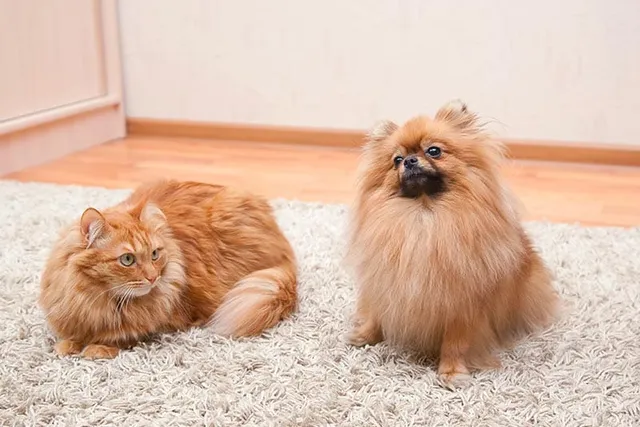
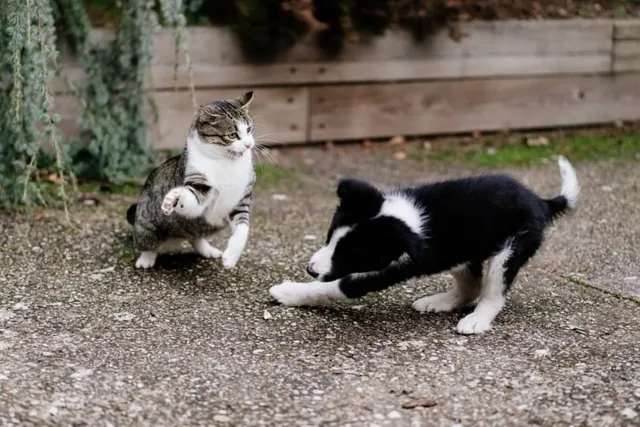
Unfortunately, cats can be allergic to dogs and vice versa. Cats can even be allergic to other felines! Read on to learn more about this issue and what to do about it.

What Are Allergies in Pets?
In short, allergies are the immune system’s overreaction to common things in the environment or food. When the body comes in contact with these allergies, either by eating them, breathing them in, or touching them, it can lead to an influx of immune cells and the subsequent inflammatory reaction, creating those tell-tale allergy signs.
Some people just can’t tolerate having an animal in the house. Being around a cat or dog can trigger symptoms like sneezing, a runny nose, or watery eyes. It’s a common belief that pet hair is the culprit, but pet allergies are actually triggered by certain proteins found in the animal’s skin, urine, and saliva. These proteins can hitch a ride on pet hair, often in the form of dander, so they easily get spread around.
Different proteins can trigger different reactions, and higher amounts of those proteins cause more severe symptoms. That’s why some people are more allergic to certain breeds of animals or even specific individuals.
The same goes for cats. Felines can have an allergic reaction to many of the same things that humans can. Allergens like pollen, mold, dust mites, and chemicals can all cause sneezing, itchy skin, and watery eyes. The proteins found in animal dander, saliva, and urine can also bring on those signs in a cat, though not that often. Still, if your dog produces proteins that your cat’s body views as allergens, they could show signs of an allergic reaction.

Can Cats Be Allergic to Certain Dog Breeds?
It does seem that if people have allergies to cats, they tend to be allergic to most cats, often regardless of breed. However, allergies to dogs may be more breed specific. This means some dog breeds may bother a person’s allergies more than others depending on the type of proteins that they produce.
This may also hold true for cats, though there hasn’t been much research on this topic. Generally speaking, dogs that shed more are often more of a problem—not because of the hair necessarily, but rather the dander that tags along.
So, what about hypoallergenic dog breeds? The truth is that there is no such thing. This “dream” breed doesn’t exist because every dog produces the proteins that can be allergens. However, there are some breeds that tend to be less irritating in the allergy sense. It’s typically because they shed less than other breeds, making it more difficult for those allergens to spread.
That’s not to say that a person with dog allergies won’t have a problem if they are brushing or snuggling one of these “hypoallergenic” dogs, of course, as they are right in the line of fire for the allergens. Cats may also have a more severe reaction if they share a bed with or communally groom their canine companion than if they keep to themselves and don’t mingle with the dog’s dander as closely.
How to Help Your Cat With Allergies
Whether your cat’s allergies are triggered by mold or your dog, keeping their signs at bay often takes a multimodal approach. Of course, the best thing to try is to identify the allergen and remove it from their environment. Since you likely don’t want to remove your dog from the household, though, this can be a bit difficult, so you’ll need to elicit the help of a veterinarian.
Depending on the kind of time and resources that you’re able to spend on the situation, a vet may recommend allergy medications, such as antihistamines or anti-inflammatories, to help treat the signs. These have varying efficacy and will likely need to be given for your cat’s lifetime.
The next option is allergy testing and immunotherapy. Allergy testing can be done through blood or skin testing and can identify multiple allergens, including dog dander.
From there, immunotherapy, or allergy shots, can be started to help bolster your cat’s immune system and try to tamp down its reaction to the allergen. This is a more intensive process, but it can yield good results. Hopefully, your cat will be able to continue cuddling with your dog or go back to tolerating them, depending on the type of relationship that they have.

Conclusion
It is indeed possible for your cat to be allergic to your dog. While having allergies to dogs isn’t as common as having allergies to other things in felines, it can still happen, and your kitty may be quite uncomfortable sharing their home with a canine. If your cat is showing any signs of allergies, such as sneezing, coughing, watery eyes, a runny nose, or itchy skin, talk to a vet to determine what to do next.
See Also:
Sources
Featured Image Credit: New Africa, Shutterstock
Expert dog care, straight to your inbox
News, insights, expert advice, and everything dog.

No spam — unsubscribe anytime.
By signing up, you agree to our Terms & Conditions and Privacy & Cookies Policy.
How useful was this post?
Click a star to rate. You can leave written feedback afterwards. (We read all feedback.)
Dr. Chyrle Bonk DVM (Veterinarian)
On top of caring for animals and writing for veterinary publications, Dr. Chyrle Bonk owns a small cattle herd! When she’s not busy with those things, she can be found somewhere enjoying the Idaho outdoors with her husband and two kids. Dr. Chyrle Bonk received her Doctor of Veterinary Medicine (DVM) from Oregon State University in 2010.
Chyrle has practiced in a mixed animal clinic for over a decade. She also writes for various veterinary websites and magazines, like Dogster!