Ask Dr. Paola - HELP! My Dog Is Ball-Aggressive (September 7, 2026)
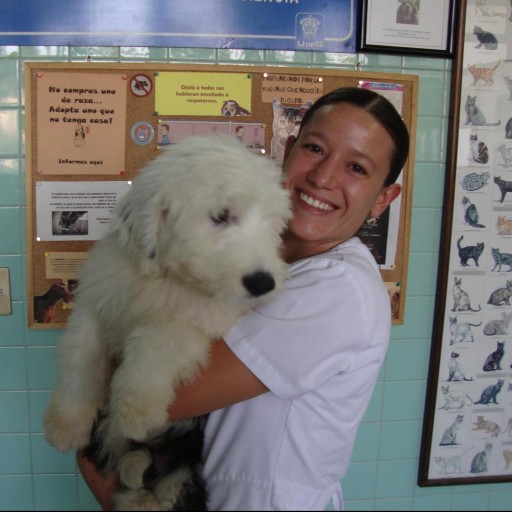
Welcome to our "Ask Dr. Paola" series, where every Monday we bring expert advice straight from Dr. Paola Cuevas (MVZ) to help our readers better understand their dog's health and well-being.
Whether you're a new pet parent or a seasoned dog lover, Dr. Paola is here to provide answers to your most pressing questions. From nutrition tips and preventive care to troubleshooting common behavioral issues, Dr. Paola is ready to offer insights that will keep your furry friend happy and healthy. Stay tuned for expert guidance on a range of topics that matter most to you and your dog, so you can make informed decisions and provide the best possible care for your canine companion. Have a question? Send it in here!

HELP! My Dog Is Ball-Aggressive
“Hi Dr Paola,
I have a dog that is ball-aggressive.
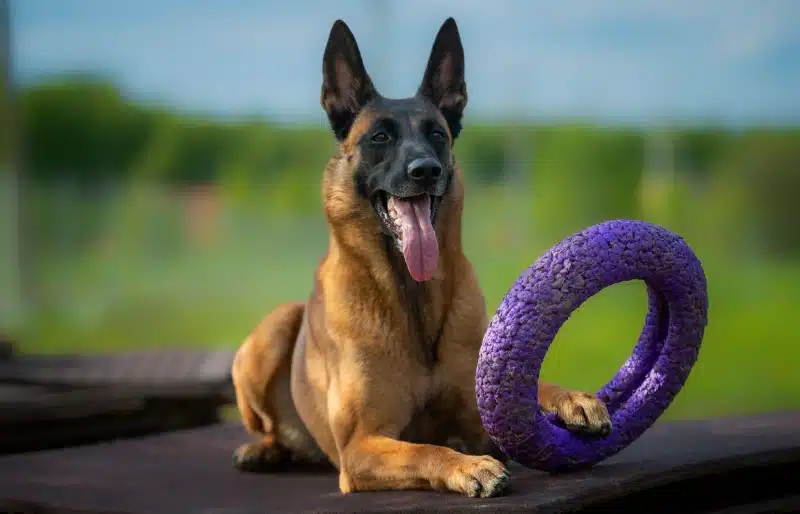
His name is Levi, and he just turned 2 years old. His mother was a cattle dog, and the father we don't know. When we go to the dog park, there are lots of tennis balls lying around, and he picks the one he wants to play with.
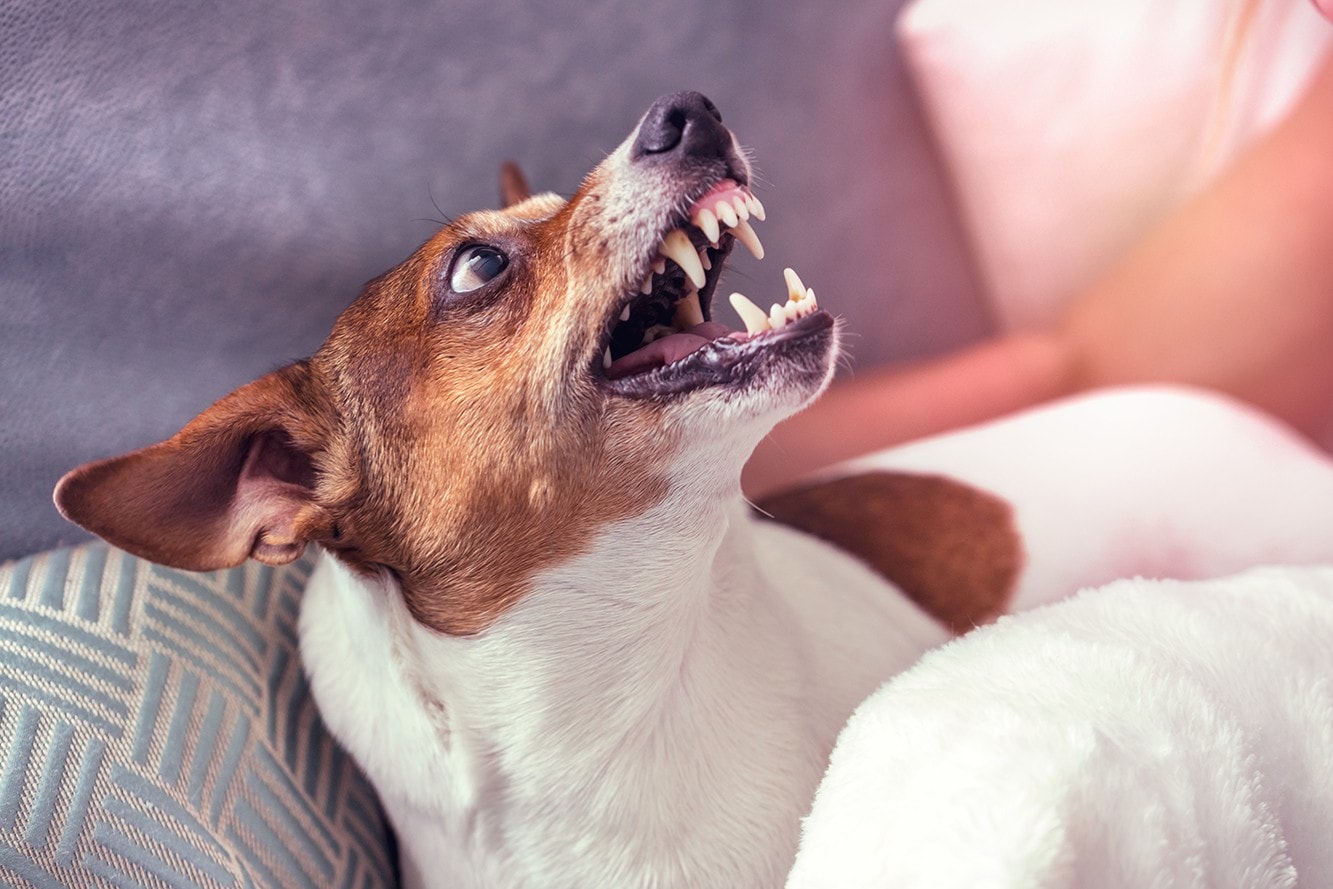
If another dog tries to grab the ball, Levi goes after them. How do we stop this? Why can't he just pick another ball? We also have Levi's sister, Ruby. She loves to play ball too but is not aggressive. They do play pretty rough at home, though.
Thank you”
- Sandra
Dear Sandra,
What you are describing with Levi is most consistent with resource guarding of a toy, rather than Levi being generally aggressive or trying to establish dominance. The tennis ball has become a very valuable resource, and when another dog approaches, Levi has learned that going after that dog makes the other dog back away and allows him to keep the ball. Think of it like someone repeatedly taking your favorite seat at the theater; eventually, you may start defending it before they even sit down.
His cattle dog heritage may contribute to his motivation for controlling movement and resources, but genetics alone do not explain the behavior.
The most important change is to stop taking Levi to dog parks where loose tennis balls are available. This is not giving in to him. It is preventing him from repeatedly practicing a behavior that is already working for him. Every successful aggressive interaction can strengthen the association between guarding and keeping the resource.
For now, ball play should happen in controlled settings where another dog cannot approach his ball. I would also avoid taking the ball away by force, scolding him, or trying to prove that you can take it, because confrontation can increase arousal and make guarding worse.
At home, begin teaching a positive trade and drop cue with toys that Levi considers relatively unimportant. Offer a highly desirable treat, say your cue, such as “drop,” and reward him immediately when he releases the toy. Once he reliably understands the game, gradually work toward more valuable toys, always keeping the exercise below the point where he becomes tense or defensive. You can also teach him to move away from a toy and come to you for a reward. The goal is not to convince Levi that he should share every possession with another dog, but to teach him that relinquishing an object and moving away from it produces something worthwhile, rather than conflict.
Right now, having the ball is its own reward. What we want to do is use positive reinforcement techniques to teach him that dropping and leaving the ball leads to an even better payoff.
As for Ruby, the fact that they play roughly does not necessarily mean there is a problem, but I would be cautious about allowing high-arousal play around valued toys. When two dogs are already highly excited, their ability to make good decisions and respond appropriately to social signals can decrease. Give Levi and Ruby separate opportunities for ball play, and remove high-value toys when you cannot actively supervise them.
Because Levi is already directing aggression toward other dogs, you might want to think about speaking to a veterinary behaviorist or professional trainer, particularly if he has caused an injury, if his behavior is escalating, or if you cannot reliably prevent these encounters.
Good luck!
- Dr. Paola
This article is a part of our weekly Ask Dr. Paola series
Expert dog care, straight to your inbox
Vet-reviewed advice, training tips, and the best of Dogster. Free, and you can unsubscribe anytime.
By signing up, you agree to our Terms & Conditions and Privacy & Cookies Policy.
Dr. Paola Cuevas is our Senior In-House Veterinarian at Dogster and Pangolia. She has over 19 years of experience working with an array of species and loves sharing her knowledge and experience with our readers and aims to provide assistance with any issue presented by your non-human family members. She received her degree from the University of Guadalajara, Mexico.
Her passions are animal welfare and preventive medicine, and has skills in the fields of nutrition, microscopy, clinical pathology, diagnostic imaging, and endoscopy. Paola frequently contributes pet care insight to various media outlets like PetMD, The Daily Record, Parents.com, etc.
Paola is also an animal behaviorist with extensive experience in positive reinforcement animal training.
Join the conversation
Ask a question, share your story, or send private feedback.