Ask Dr. Paola - Help! Can Shock Collars Cause Seizures? (June 1, 2026)

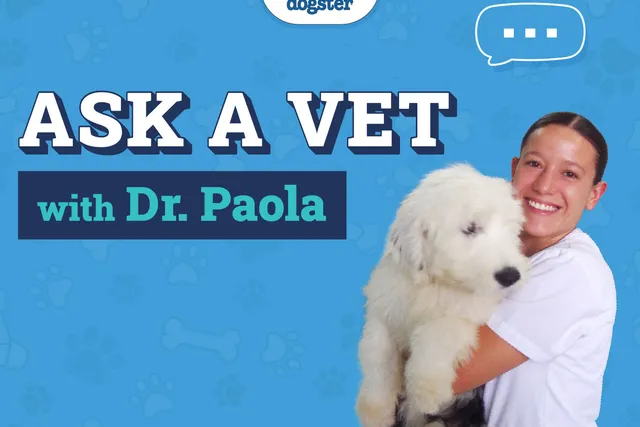
Welcome to our "Ask Dr. Paola" series, where every Monday we bring expert advice straight from Dr. Paola Cuevas (MVZ) to help our readers better understand their dog's health and well-being.
Whether you're a new pet parent or a seasoned dog lover, Dr. Paola is here to provide answers to your most pressing questions. From nutrition tips and preventive care to troubleshooting common behavioral issues, Dr. Paola is ready to offer insights that will keep your furry friend happy and healthy. Stay tuned for expert guidance on a range of topics that matter most to you and your dog, so you can make informed decisions and provide the best possible care for your canine companion. Have a question? Send it in here!

Help! What Age Should I Get My Puppy Spayed!
“I'm getting a cavapoo in a couple of months, she was born a few days ago and her name is Jade. What age should I get her spayed? Do you have any advice for looking after a brand new puppy? Thank you so much."
- Maria
Hi Maria, Congratulations on Jade! As you know, Cavapoos are a mixed breed created from a Cavalier King Charles Spaniel and a Poodle, and one detail that surprises many new owners is that Poodles come in three sizes: Toy, Miniature, and Standard. The size of the Poodle parent matters because it influences how large the puppies may become and how quickly their bodies mature. Smaller dogs generally finish growing earlier, while larger dogs take longer for their bones and joints to fully develop. A Toy or Miniature Poodle mix may reach physical maturity closer to 8 to 12 months, while larger dogs can continue maturing well beyond a year.
That difference in growth is one reason veterinarians no longer recommend the same spay timing for every dog. In smaller breeds and smaller mixed breeds like most Cavapoos, spaying around 6 to 12 months is commonly considered appropriate because they tend to mature faster. Larger dogs often benefit from waiting longer before spaying because hormones play a role in bone and joint development during growth. Since Cavapoos can vary depending on the size of the Poodle parent, your veterinarian will likely assess Jade’s projected adult size, growth pattern, and overall health during her puppy visits before recommending the ideal timing. It is a bit like how children and teenagers do not all hit growth milestones at the same age, even within the same family.
Many vets recommend spaying between the first and second seasons, also known as ‘heat’ or ‘estrus’. This way, we know that she has reached sexual maturity, and we’re also minimizing the risks that come with not being spayed. Of course, you need to be extra vigilant that no male dogs can get to her during this time, and sometimes, the first season isn’t very obvious, so look for signs like irritability, swelling of the vulva, licking between the back legs, and a bloody discharge.
For a first puppy, focus on building confidence and routine from the beginning. Early positive socialization is incredibly important because puppies are learning what is safe and normal during these first months. Gentle exposure to people, sounds, handling, grooming, car rides, and calm vaccinated dogs can help shape a resilient adult dog. Cavapoos are usually very social and responsive to reward-based training, so short, happy training sessions work far better than punishment or harsh corrections. Consistency with sleep, potty breaks, chewing outlets, and preventive veterinary care will make the puppy stage much smoother for both of you.
Best wishes with your new family member!
- Dr. Paola

Help! Can Shock Collars Cause Seizures?
"Hi Dr. Paola,
My dog, George, had a seizure a couple of days ago. It lasted 2 minutes. Can shock collars cause seizures? "
- Ruth
Hi Ruth,
I’m sorry you and George went through that. Watching a seizure can be frightening, and you might feel helpless, especially the first time. A seizure lasting around two minutes is considered significant, and even if George seems normal afterward, he should be examined by a veterinarian soon because seizures can have many possible causes, including epilepsy, toxin exposure, metabolic disease, liver problems, neurologic conditions, or other underlying illnesses.
Although unlikely, the electrical activity of the collar could trigger a seizure IF your dog has a predisposing condition; it shouldn’t cause a seizure in an otherwise healthy dog. However, these devices can generate stress, fear, pain, and physiologic arousal in some dogs, particularly sensitive individuals. Stress does not cause seizure by itself, but in dogs already predisposed to seizures, highly stressful or aversive experiences may potentially contribute to triggering an episode, much like how sleep deprivation or stress can lower the threshold for seizures in some people.
It is also important to make sure what happened was truly a seizure, because certain painful or startling events can cause collapse or panic reactions that may resemble one. Given George’s history, I would strongly recommend discontinuing use of the shock collar and shifting toward positive reinforcement training methods, which are safer for both emotional welfare and learning.
If George has another seizure, try to time it, keep him away from stairs or sharp objects, and avoid putting your hands near his mouth.
Emergency care is recommended if:
a seizure lasts longer than five minutes
multiple seizures happen within 24 hours
he does not recover normally afterwards
A veterinary examination, along with bloodwork and a detailed history, is the best next step to help determine whether this was an isolated event or the beginning of a medical condition that needs treatment.
Sincerely,
- Dr. Paola

Help! I Feel Like I Am Being Ripped Off By My Vet!
"My sister’s dog’s medication costs $90 from her vet. I found the identical medication online for $41. The vet refuses to authorize the prescription outside of the vet clinic. They claim they can't control the validity of the prescription or expiration date outside of the clinic.
My sister's dog has been seeing the vet for 8 years. It seems like a scam and they are double dipping and making a huge profit off of the prescriptions. Can they do this? Is it a legal requirement that all prescription medication be bought at the vet?
My sister also said they don't put the pills in a pill bottle with prescription information. They just put them in a clear ziplock bag. It doesn't sound right to me."
- Pam
Hi Pam,
This does sound really frustrating. Veterinary prescribing laws can vary depending on location – even between different states and provinces, so the answer partly depends on where your sister lives. In general, though, veterinarians are allowed to sell medications directly through their clinic and set their own prices. Clinics often charge more than large pharmacies because medication sales help support the costs of running the practice, a little like how airport shops charge more than grocery stores for the same bottle of water. It also covers the cost of having the medication available to be dispensed immediately, because if a drug expires on the shelf, the clinic has to absorb the cost. That being said, owners still have the right to ask questions about costs and prescription options.
In the US, all states allow pet owners to request a written prescription to fill at an outside pharmacy, as long as there is a valid veterinarian-client-patient relationship (VCPR) and the medication is appropriate to prescribe. This usually means that the pet needs to have been physically examined within the past 6-12 months, depending on the medication and condition being treated. Veterinarians may have legitimate reasons to avoid certain outside pharmacies in specific situations, especially with compounded drugs or controlled medications, but a blanket refusal for all outside prescriptions is not in compliance with current legislation, and reputable pharmacies routinely verify prescriptions directly with veterinary clinics.
The packaging concern is also worth mentioning. Dispensed prescription medications are generally expected to have a proper label with the pet’s name, medication name, dosage instructions, prescribing veterinarian, and other identifying information. A clear plastic bag without labeling would not typically meet standard dispensing practices. If your sister feels uncomfortable with the clinic’s policy, it would be reasonable for her to politely request the policy in writing or contact the local veterinary licensing board or veterinary association for clarification about the rules where she lives.
I hope this helps!
This article is a part of our weekly Ask Dr. Paola series
Expert dog care, straight to your inbox
News, insights, expert advice, and everything dog.

No spam — unsubscribe anytime.
By signing up, you agree to our Terms & Conditions and Privacy & Cookies Policy.
How useful was this post?
Click a star to rate. You can leave written feedback afterwards. (We read all feedback.)
Dr. Paola Cuevas is our Senior In-House Veterinarian at Dogster and Pangolia. She has over 19 years of experience working with an array of species and loves sharing her knowledge and experience with our readers and aims to provide assistance with any issue presented by your non-human family members. She received her degree from the University of Guadalajara, Mexico.
Her passions are animal welfare and preventive medicine, and has skills in the fields of nutrition, microscopy, clinical pathology, diagnostic imaging, and endoscopy. Paola frequently contributes pet care insight to various media outlets like PetMD, The Daily Record, Parents.com, etc.
Paola is also an animal behaviorist with extensive experience in positive reinforcement animal training.