Ask Dr. Paola - Spinning, Cushing's Disease & Chewing (July 7, 2025)
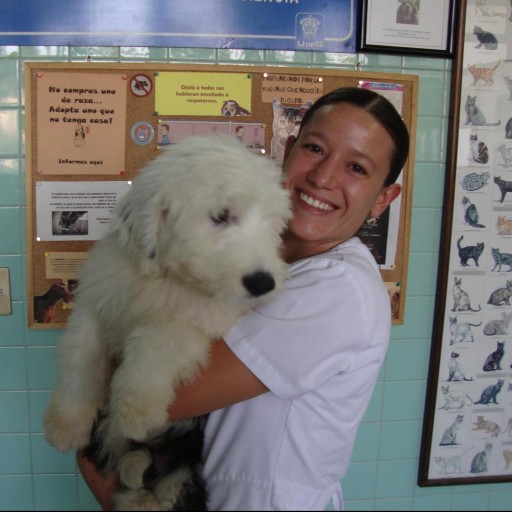
Welcome to our "Ask Dr. Paola" series, where every Monday we bring expert advice straight from Dr. Paola Cuevas (MVZ) to help our readers better understand their dog's health and well-being.
Whether you're a new pet parent or a seasoned dog lover, Dr. Paola is here to provide answers to your most pressing questions. From nutrition tips and preventive care to troubleshooting common behavioral issues, Dr. Paola is ready to offer insights that will keep your furry friend happy and healthy. Stay tuned for expert guidance on a range of topics that matter most to you and your dog, so you can make informed decisions and provide the best possible care for your canine companion. Have a question? Send it in here!

Help! My Dog Spins in Circles!
"Dear Dr. Paola,
Why does my dog Scruffy spin in circles before going to the bathroom? It’s kind of funny but also pretty strange. ” - Jimmy
Hi Jimmy,
That’s a great observation and a very common question among dog parents. Scruffy’s spinning before going to the bathroom might look strange and even funny, but it’s actually a normal and purposeful behavior rooted in instinct. Dogs inherited this tendency from their wild ancestors, who would often circle before eliminating to tamp down grass, check for potential threats, or align themselves in a preferred direction. One interesting study published in Frontiers in Zoology even suggested that dogs may prefer to align themselves with the Earth’s magnetic field, often choosing a north-south axis when defecating, although more research is still needed in this area.
On a more practical level, the circling helps the dog feel safe and settled before engaging in a vulnerable activity like going to the bathroom. It can also serve as a way for the dog to assess the surface for comfort, especially if the ground is uneven or has unfamiliar textures. So while it may seem funny or odd, Scruffy is just following natural, hardwired behaviors that serve a purpose in his world. As long as the circling isn’t excessive or accompanied by signs like straining or discomfort, there’s no cause for concern.
Best, Dr. Paola

Help! My Dog Has Cushing's Disease!
"Hi Dr. Paola,
My 11-year-old female Dachshund Jasmine was diagnosed with Cushing's disease in May. I'm currently waiting for her Trilostane prescription to come in. Would putting her on a fresh food diet help with her weight gain and pot belly? " - Melissa
Hi Melissa,
It’s wonderful that you’re looking into ways to support Jasmine as she starts treatment for Cushing’s disease. This condition occurs when a dog’s body produces too much cortisol over time, most often due to a benign tumor in the pituitary gland overstimulating the adrenal glands. Cortisol is essential for many normal functions, but chronic overproduction leads to signs like muscle loss, abdominal distension, increased appetite, and a thinning coat. The pot-bellied appearance, in particular, is the result of weakened abdominal muscles and a redistribution of fat, rather than just weight gain.
Treatment with Trilostane helps by selectively blocking an enzyme produced in the adrenal glands that is involved in cortisol production. By limiting how much cortisol is made, Trilostane brings hormone levels closer to normal, allowing the body to start healing from the strain of chronic overexposure. The medication doesn’t cure the condition but manages it, and careful monitoring through ACTH stimulation tests is required to ensure the dose is effective without over-suppressing cortisol, which is still needed for basic functions. Over time, as the medication takes effect and cortisol levels stabilize, dogs often regain muscle tone, lose some of the excess abdominal fat, and show improved energy and coat quality.
In the meantime, transitioning Jasmine to a properly balanced fresh food diet may help support her muscle mass and metabolic health. A diet that is rich in high-quality, lean animal protein and low in processed carbohydrates can be particularly beneficial in dogs with Cushing’s, as it helps to avoid further fat accumulation while supporting lean tissue. While diet alone won’t reverse her signs, it can work alongside Trilostane to improve her overall condition and vitality. Just be sure that any new diet is formulated under the guidance of your dog’s veterinarian or a veterinary nutritionist to ensure it meets all her nutrient requirements during this critical time.
I hope this helps!
- Dr. Paola

Help! My Dog Won't Stop Chewing!
"Dear Dr. Paola,
My newly adopted dog Birdie chews on everything constantly. To help, I’ve gotten multiple opinions about her diet. We’re currently feeding her Natural Balance Sweet Potato & Venison, and we’ve also tried Purina One. I’d like to try The Farmer’s Dog, but I’m not sure which is best for her. " - Susan
Hi Susan,
Thank you for your question. Birdie’s constant chewing is actually quite common in newly adopted dogs, especially if she’s young or still adjusting to her environment. Chewing can be a natural way for dogs to explore, self-soothe, or relieve boredom. While diet can influence overall behavior and comfort, chewing this persistently usually has more to do with her level of mental stimulation and daily routine than what’s in her food bowl.
That said, when it comes to choosing the best diet for her, there are some real differences between the options you’ve mentioned. While food isn’t always the direct cause, her diet can influence how she feels overall, including her energy levels, digestion, and even behavior. If she’s healthy and not showing any digestive concerns or signs of food intolerance, this might be a good time to evaluate the quality and balance of her current diet.
Natural Balance Sweet Potato & Venison is a limited-ingredient, grain-free option that’s often chosen for dogs with sensitivities, but it contains about 45 to 50% carbohydrates, mostly from sweet potatoes and peas. Purina One typically has a similar or even higher carbohydrate content, depending on the formula.
In contrast, The Farmer’s Dog offers gently cooked, less processed meals with whole meats and fresh vegetables. These recipes tend to have around 20 to 30% carbohydrates and include naturally occurring antioxidants from ingredients like spinach, carrots, and broccoli. This fresh food format is easier to digest and may offer better nutrient absorption, helping support her energy, immune system, and skin health.
If you decide to switch, make sure to transition gradually over 7 to 10 days to avoid digestive upset. At the same time, providing safe chew toys and enriching her environment will help redirect that chewing instinct in a healthy, positive way.
Good luck!
Dr.Paola
This article is a part of our weekly Ask Dr. Paola series
Expert dog care, straight to your inbox
Vet-reviewed advice, training tips, and the best of Dogster. Free, and you can unsubscribe anytime.
By signing up, you agree to our Terms & Conditions and Privacy & Cookies Policy.
Dr. Paola Cuevas is our Senior In-House Veterinarian at Dogster and Pangolia. She has over 19 years of experience working with an array of species and loves sharing her knowledge and experience with our readers and aims to provide assistance with any issue presented by your non-human family members. She received her degree from the University of Guadalajara, Mexico.
Her passions are animal welfare and preventive medicine, and has skills in the fields of nutrition, microscopy, clinical pathology, diagnostic imaging, and endoscopy. Paola frequently contributes pet care insight to various media outlets like PetMD, The Daily Record, Parents.com, etc.
Paola is also an animal behaviorist with extensive experience in positive reinforcement animal training.
Join the conversation
Ask a question, share your story, or send private feedback.