Can Dogs Live Outside? Vet-Approved Safety Tips & Facts



In this article
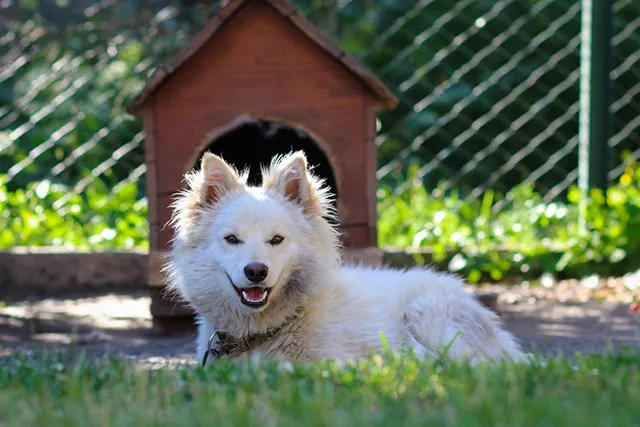
Some people want a dog as a pet but don’t want one in the house. This could be because they don’t want their furniture to get dirty or because they’re afraid a dog will chew on everything. So, they adopt a pup and then let it live in the yard. But is it okay to have an outside dog?
The truth of the matter is that whether a dog is happy and content living outside needs to be assessed on a case by case basis. In the majority of cases, however, having a dog that isn’t allowed in the house with its human family won’t lead to a well adjusted or well socialized animal. There are many reasons why forcing a canine to live outdoors all the time might be detrimental to their wellbeing, and there might be negative consequences for your pup. There are also laws in many places that limit how much time dogs can spend outdoors. There are a couple of exceptions, such as dogs working on a farm, who would spend most of their time outdoors herding animals, but their outdoor environment still needs to be in line with the animal welfare standards of the country you live in.
If your dog will be spending a fair amount of time outdoors for some reason, there are certain things you must do to help keep them safe.

Why Should Dogs Not Live Outside?
Dogs love being outdoors, so why should they not live outside? Well, there are several reasons.
The first is their exposure to the elements. Depending on where you live, it can get incredibly hot or cold at times, and dogs shouldn’t be out in extreme temperatures for long periods of time. The same goes for bad weather. If your pup is outside during a thunderstorm or snowstorm, they risk getting hurt, wet and cold (not to mention being terrified).
Secondly, dogs living outside alone can resort to destructive behaviors. They can become restless, bored and lonely, which leads to digging holes in the yard, barking at everything that passes by, or even escape attempts. And if your yard doesn’t have a fence around it and your pet makes a run for it, they’ll likely be successful. In some cases, if a dog has been left to live outside, they may become reactive to humans and other dogs as they don’t see them often enough.

Lastly, dogs are pack animals. They need socialization, and they bond with their human families. Canines need contact with others to thrive, and they’re unlikely to get enough of that if they’re living outdoors. Without the contact and attention they need, behavioral problems could and likely will arise. Puppies need to have positive interactions with people, noises, smells, other animals and environments to help them to become well adjusted and confident dogs. If they are kept outside, they will not be exposed to all the things they need to be exposed to, which will lead to behavioral difficulties at a later date.
Letting your dog live in the yard isn’t beneficial to your pup. If you are considering putting your pet in the yard because their behavior inside is problematic, then talk to your vet. There could be an underlying health issue that’s causing your pet to act in a certain way.
And if you’re considering adopting a dog but don’t want a dog in the home because they might get things dirty or chew stuff up, it might be wise to consider another kind of pet, such as a cat or a hamster.
What Does the Law Say?
What the law says depends on where you live. Many well-meaning lawmakers have passed legislation regulating conditions in which you can leave your pup outside. However, these regulations don’t necessarily cover everything or automatically equal a safe outdoor experience for your pet.
Laws differ depending on where you live, but at least 23 states (and D.C.) have laws on the book that restrict how long a dog can be tethered to something in the yard. There are also laws in some places that say dogs can’t be tethered or confined in the yard during extreme heat advisories, when temps are below 32ºF/0ºC or during storm warnings. You might also find that there are laws where you live that set a minimum requirement for the amount of shelter a dog outdoors requires. If you want to keep your dog outdoors for any length of time, you’ll need to check the laws and regulations of your local government.

Essential Factors to Consider
What needs to be considered when it comes to keeping dogs outside? For one, your dog’s breed. Dogs that have heavier coats will be able to withstand cold better than those breeds with thin coats. However, those pups with heavy coats won’t do well spending time outside in the heat. And smaller breed dogs will be more susceptible to cold and hypothermia, while large breeds will do worse when it’s hot.
You should also consider how old your pup is. Dogs younger than eight weeks old have more difficulty regulating their body temperature, so they shouldn’t be outdoors in extreme weather. On the flip side, senior dogs shouldn’t spend a ton of time outdoors because they may be more susceptible to illness and injury. And speaking of illness, dogs with underlying health conditions shouldn’t be left outside for long periods at all.
Something else to consider? The shape of your dog’s face. Brachycephalic breeds are much more susceptible to heat injuries than other breeds, so they are more at risk of heat stroke.

How to Keep Your Dog Safe Outdoors
Now that you’ve figured out whether your dog should even be outside for long periods, you need to know how to keep them safe while they’re outdoors. When your dog is spending a lot of time outside, there are a few things they’ll require. These include:

- Proper shelter that provides ample shade and protection from the elements
- An enclosure, like a fence that keeps them safe (i.e., keeps them from being able to run off and keeps strange animals out)
- Access to clean water and well balanced food so they stay well-hydrated and can satisfy hunger if needed
- Something to do, such as toys or puzzles (dogs can only watch squirrels for so long, after all). Even if your dog lives outside, you will still need to play with it and train it.
- Parasite protection (ensure your pet is protected against ticks, fleas, and other parasites)
- A safe area that is free of poisonous plants or substances, as well as other items that may harm them
- Company and opportunity for socialization. Having more than one dog is important if your dog is going to spend most of its time outside.
- Frequent visits to your dog for play and training sessions.
Conclusion
Most dogs shouldn’t live outside, as it can cause a host of behavioral issues and isn’t generally good for their overall welfare. Our canine companions are meant to be just that—companions—so they need interaction with us and others. Because they can’t get that while living outdoors, they often become restless or bored and engage in behaviors such as barking, digging, or trying to escape.
If your pet must stay outside for any length of time, check the laws in your area for how long they can stay out, etc. Then, ensure your pup has everything they might need to keep them safe and entertained.
Featured Image Credit: TamaraLSanchez, Shutterstock
Expert dog care, straight to your inbox
News, insights, expert advice, and everything dog.

No spam — unsubscribe anytime.
By signing up, you agree to our Terms & Conditions and Privacy & Cookies Policy.
How useful was this post?
Click a star to rate. You can leave written feedback afterwards. (We read all feedback.)
Misty Layne lives out in the woods in small-town Alabama with her two Siamese - Serafina & Jasper. She also has an array of stray cats, raccoons, and opossums who like to call her front porch home. When she’s not writing about animals, you’ll find her writing poetry, stories, and film reviews (the animals are, by far, her favorite writing topic, though!). In her free time, Misty enjoys chilling with her cats, playing piano, watching indie and foreign films, photographing abandoned places, and catching up on her never-ending TBR list.