Nearly 400 dog breeds are recognized globally, and the American Kennel Club recognizes 190 distinct breeds. Considering hybrids and crossbreeds, there are many more. While many owners and potential owners prefer toy breeds and smaller dogs, some love big canines. Big breeds include tall dogs, long pups, and those that weigh the most. Below, we have listed 20 of the biggest dog breeds to help you find the ideal breed or just to satisfy your curiosity.

What Qualifies as a Big Dog Breed?
Big is a fairly subjective word. It can mean the tallest when on all four paws, the tallest when standing on rear legs and stretching upwards, or the heaviest. Depending on which definition you’re considering, various breeds meet those requirements. In the list below, we have 20 giant breeds that are either tall, like the Great Dane, or very heavy, like the Mastiff breeds.
The 20 Largest Dog Breeds
1. Great Dane
- Height: 35 Inches
- Weight: 150 Pounds
- Origin: Germany
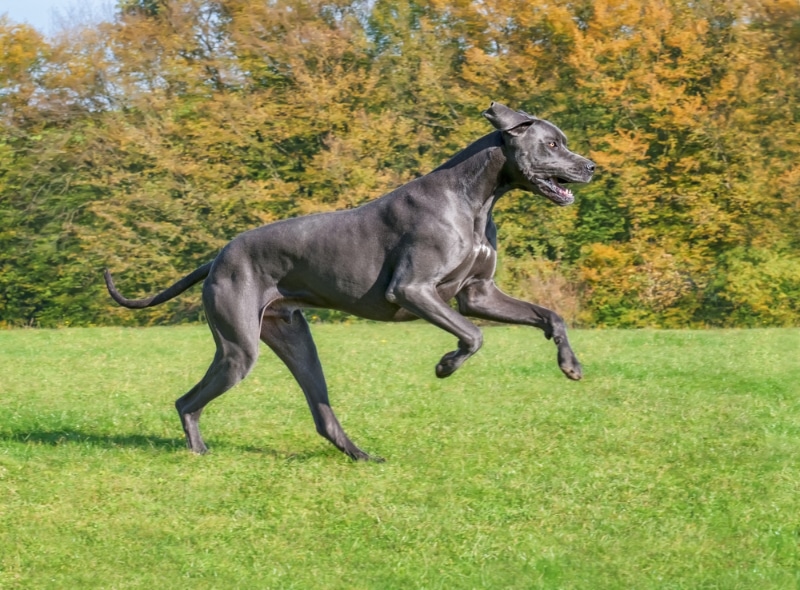
The Great Dane is a giant dog, standing 35 inches tall. While they aren’t the heaviest canine, they can weigh up to 150 pounds, so owners will certainly know about it if the Great Dane wants to be a lap dog. Despite their mammoth size, the Great Dane is known for being affectionate and loving and is often described as a gentle giant. They’re especially gentle and calm around small children and smaller animals. However, that doesn’t change the fact that this dog will take up a lot of room in your home and your heart.
2. Saint Bernard
- Height: 33 Inches
- Weight: 160 Pounds
- Origin: Switzerland
The Saint Bernard isn’t as tall as the Great Dane and is a few inches shorter. However, they weigh a little more. There are short-haired and long-haired Saint Bernards and both make excellent pets. Since they were initially raised to rescue lost travelers from snowy mountains, they’re friendly to strangers and comfortable in cold weather. Owners need to be prepared for heavy grooming if they have a long-haired Saint Bernard and a lot of drool, regardless of coat length.
3. Boerboel
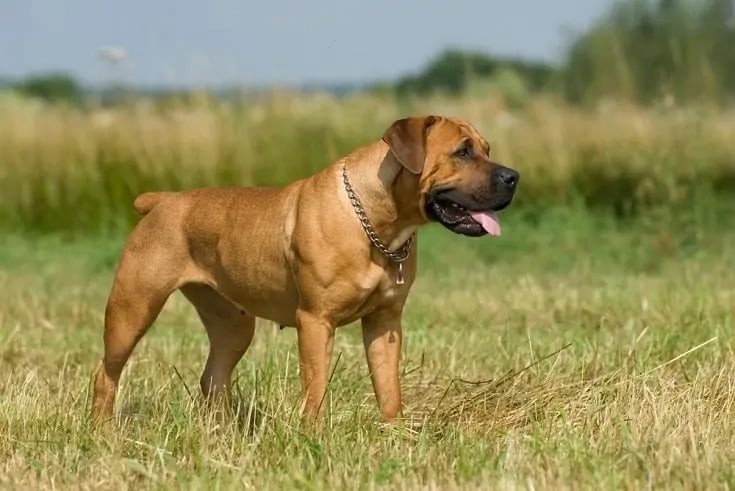
- Height: 32 Inches
- Weight: 180 Pounds
- Origin: South Africa
The Boerboel is a docile breed that looks similar to a Mastiff. They were bred to protect livestock in South Africa. Although they appear quiet and peaceful, owners need to be prepared for a dog that can be territorial and may show signs of aggression. Early socialization and ongoing training are essential if you intend to take a Boerboel into your home. Even if your Boerboel is loving and calm, expect a lot of chewing, pulling, and heavy play sessions.
4. Tosa Inu
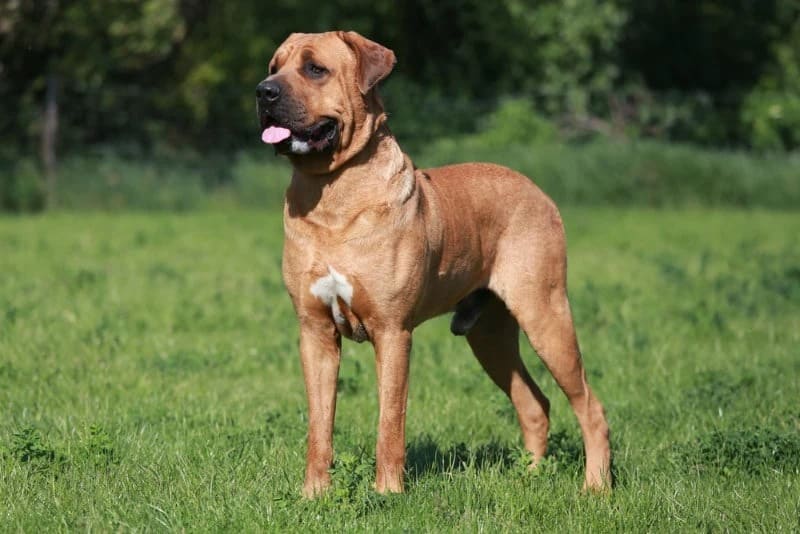
- Height: 32 Inches
- Weight: 180 Pounds
- Origin: Japan
The Japanese Fighting Dog is a big canine with an unfortunate history. The Tosa Inu was bred to fight and is a strong, imposing-looking dog that won’t back down from confrontation. However, as is true of most fighting breeds, they are gentle and very loving with their families. Breeders wanted dogs that were ferocious in the ring, but they had to be friendly to the handlers. The Tosa Inu is banned in some countries, so check local laws if you are considering getting one.
5. Irish Wolfhound
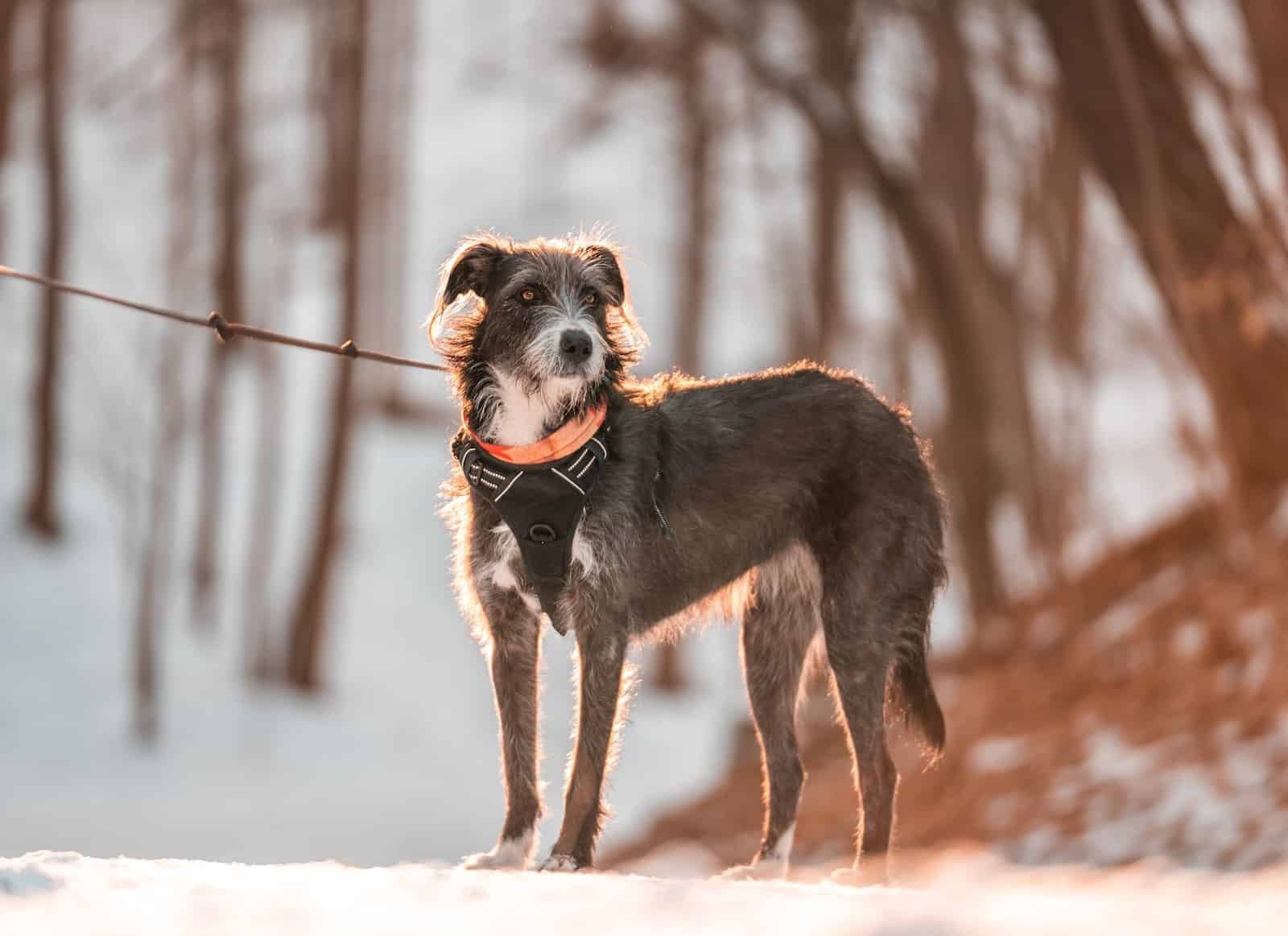
- Height: 32 Inches
- Weight: 130 Pounds
- Origin: Ireland
The Irish Wolfhound was initially bred as a war dog but then found their calling as a sighthound. Although their long legs and doleful walk might make them look slow, the Wolfhound is very athletic and will chase anything that moves. However, they are gentle and get along with children and other animals if they grow up with them. Wolfhounds can get along with cats if given a proper, gradual introduction.
6. Great Pyrenees
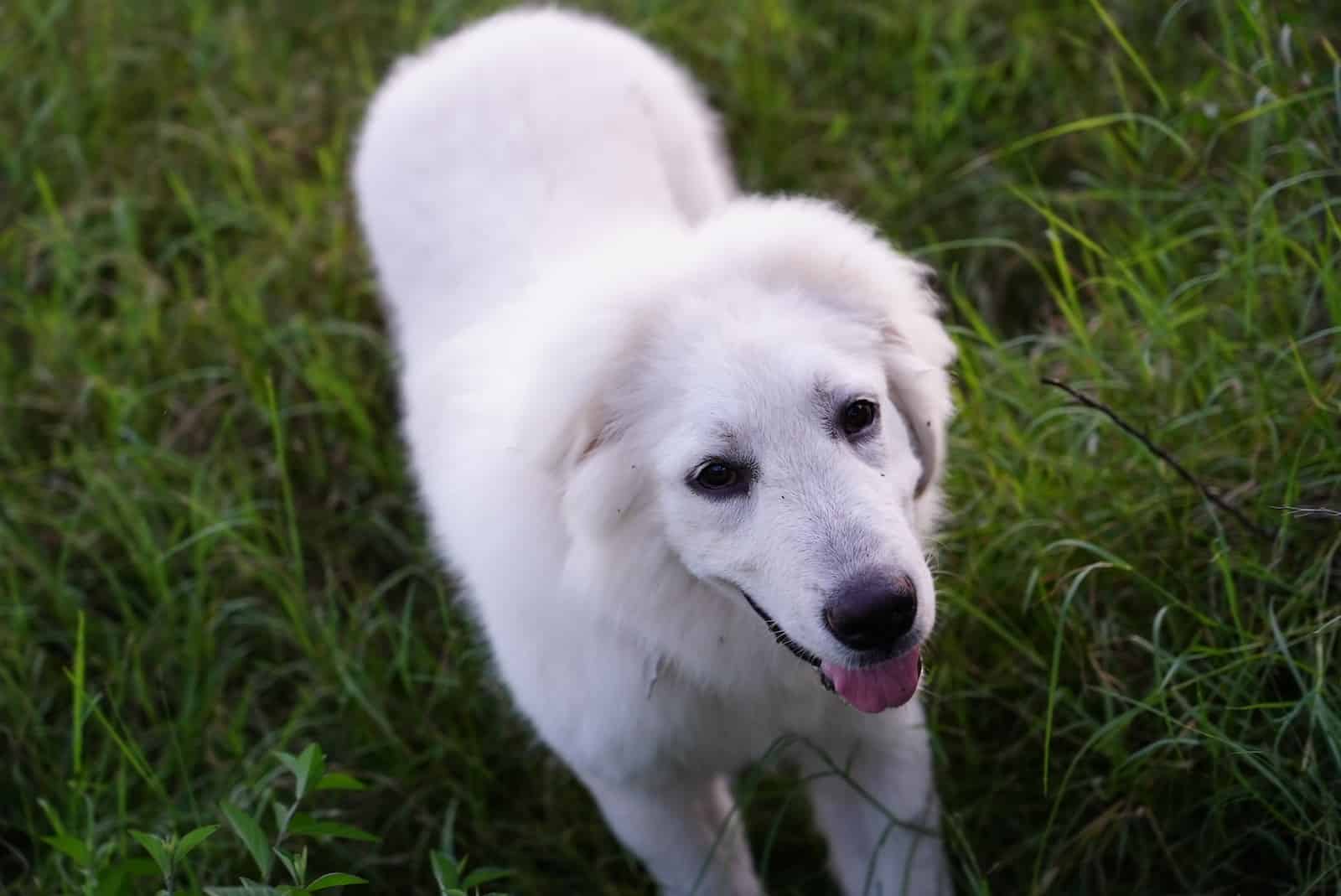
- Height: 32 Inches
- Weight: 110 Pounds
- Origin: France/Spain
The Great Pyrenees is another breed, like the Saint Bernard, that was brought up to work in the mountains. Like the Bernard, they prefer a cold climate to a hot one. They are calm and gentle around children and other animals, so they will fit well into most families. However, the Great Pyrenees has a reputation for being on the stubborn side, so despite being intelligent, they can be a challenge to train, especially for first-time owners.
7. Leonberger
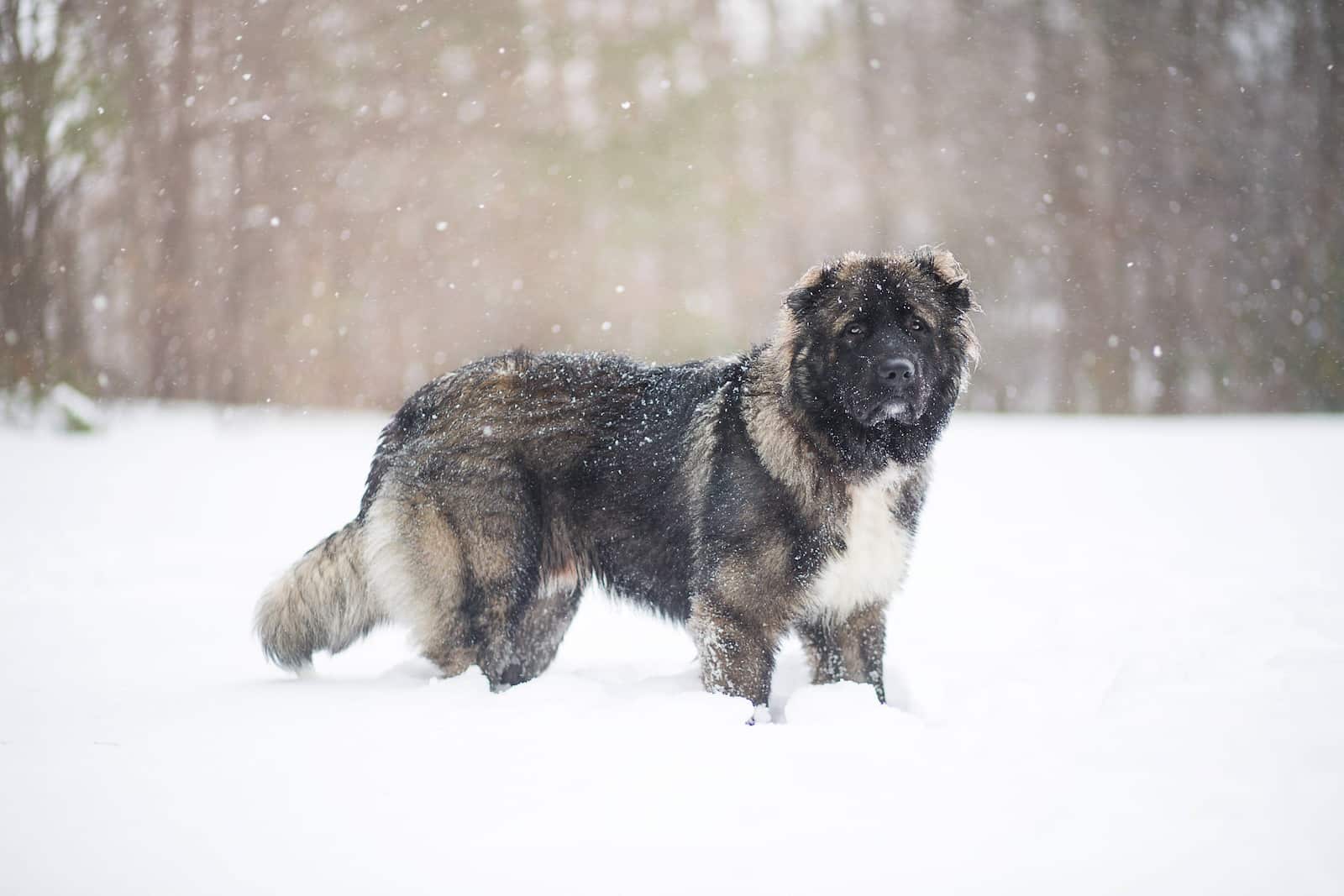
- Height: 31 Inches
- Weight: 150 Pounds
- Origin: Germany
The Leonberger has a lion-like appearance with long hair and a beautiful face. Their long coats require a lot of care and attention, but the Leon is known for being good with children, people, and other animals. Be prepared to provide a lot of daily exercise and offer regular grooming if you intend to get one of these rare dogs.
8. Scottish Deerhound
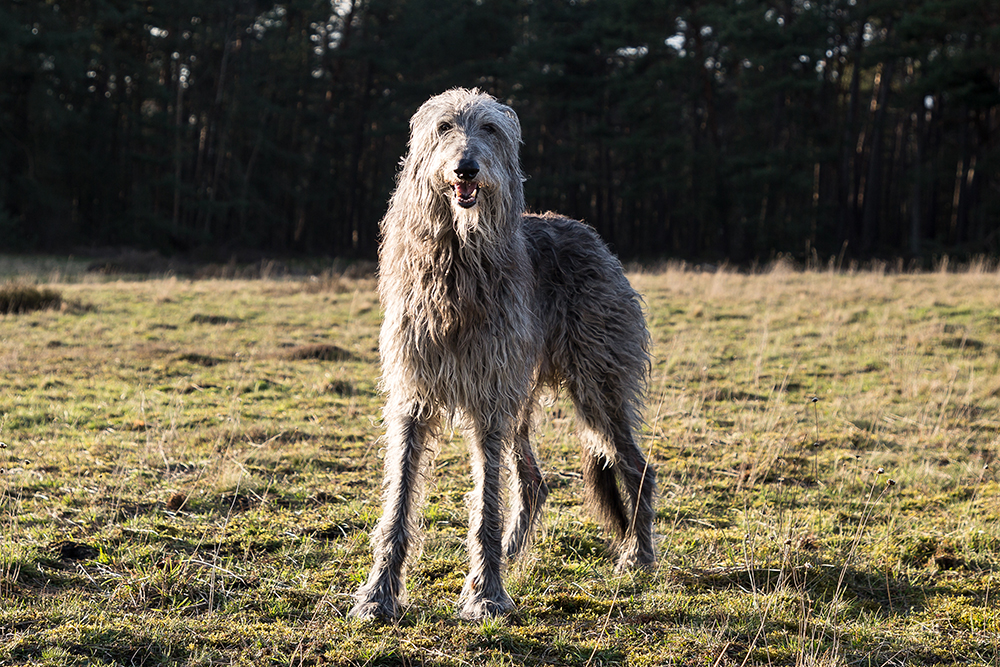
- Height: 31 Inches
- Weight: 100 Pounds
- Origin: Scotland
Scottish Deerhounds are tall dogs with a scruffy coat, similar to Irish deerhounds. They are very affectionate and have a calm, quiet demeanor, making them suitable for families and single households. Their patience also extends to training, and they’re ideal for first-time owners who want a large dog. However, Deerhounds have high-maintenance coats that require daily grooming.
9. Mastiff
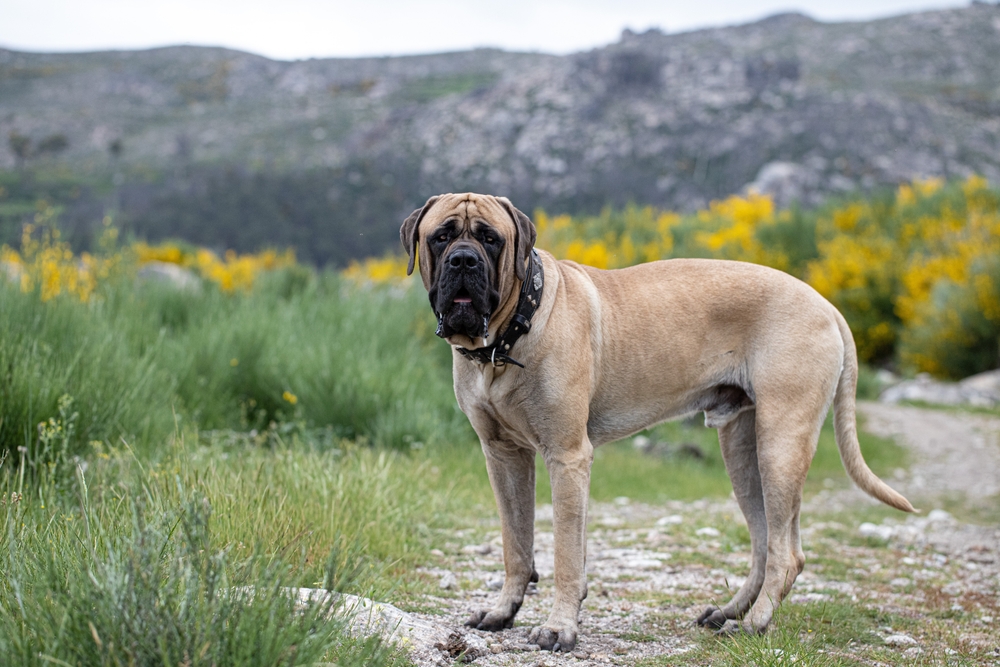
- Height: 30 Inches
- Weight: 200 Pounds
- Origin: England
The Mastiff is one of the heaviest dog breeds in the world. This ancient giant was raised as a guard dog, and while Mastiffs are loving and loyal to family, they can be formidable if they sense a threat. They don’t run as fast as other large pups, but Mastiffs need plenty of exercise. This is especially important because they are prone to putting on excess weight, which can lead to serious health concerns and illnesses.
10. Neapolitan Mastiff
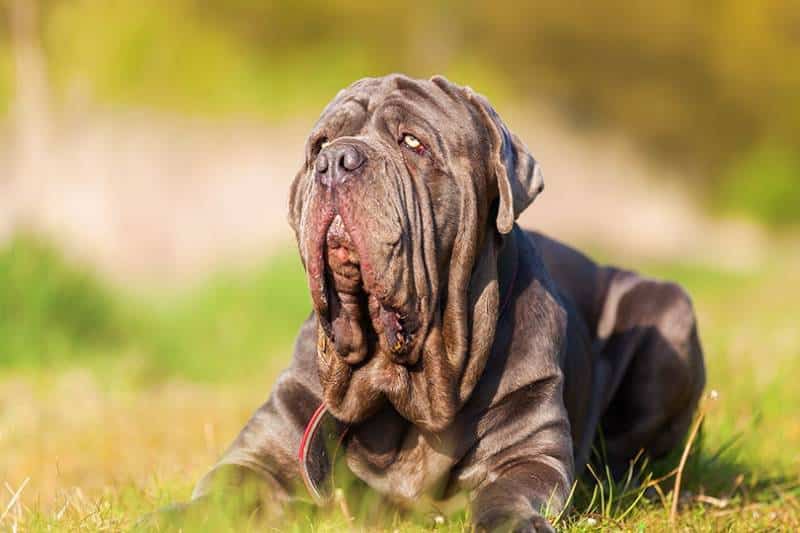
- Height: 30 Inches
- Weight: 180 Pounds
- Origin: Italy
The Neapolitan Mastiff is similar to the Mastiff but has different features. They’re not as heavy, and their fur is dark gray instead of brown. They are low-maintenance dogs regarding grooming, but they require regular exercise. They’re great companions for families since they’re lovable and loyal to their owners.
11. Newfoundland
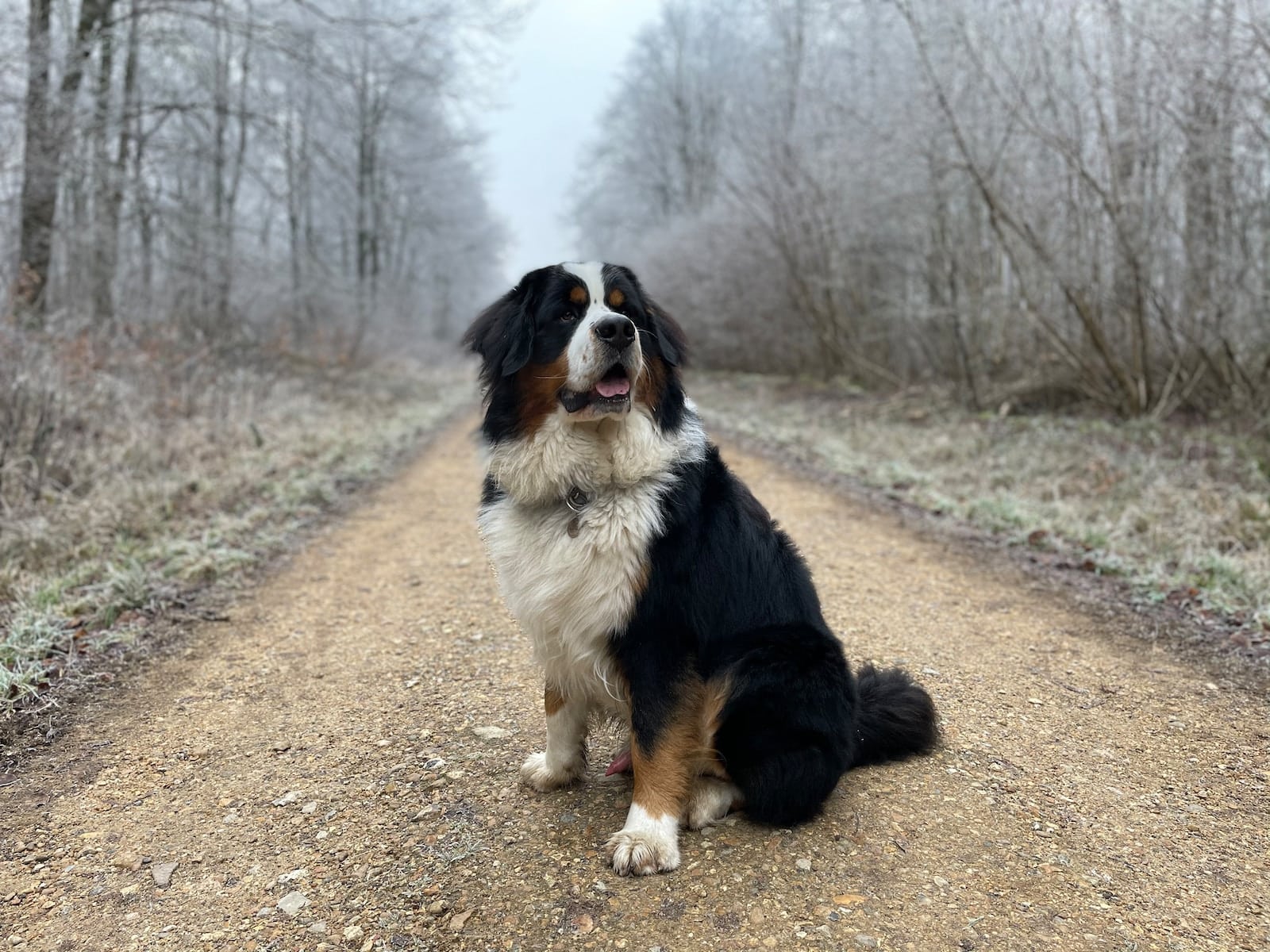
- Height: 30 Inches
- Weight: 140 Pounds
- Origin: Canada
Newfoundlands look like giant stuffed bears, and they have the temperament to match. They are friendly and very loving with their owners. They’re good with children and can be quite protective of them. They are sociable dogs that typically get along well with strangers as well as family, but they need daily grooming and require plenty of attention.
12. Akita
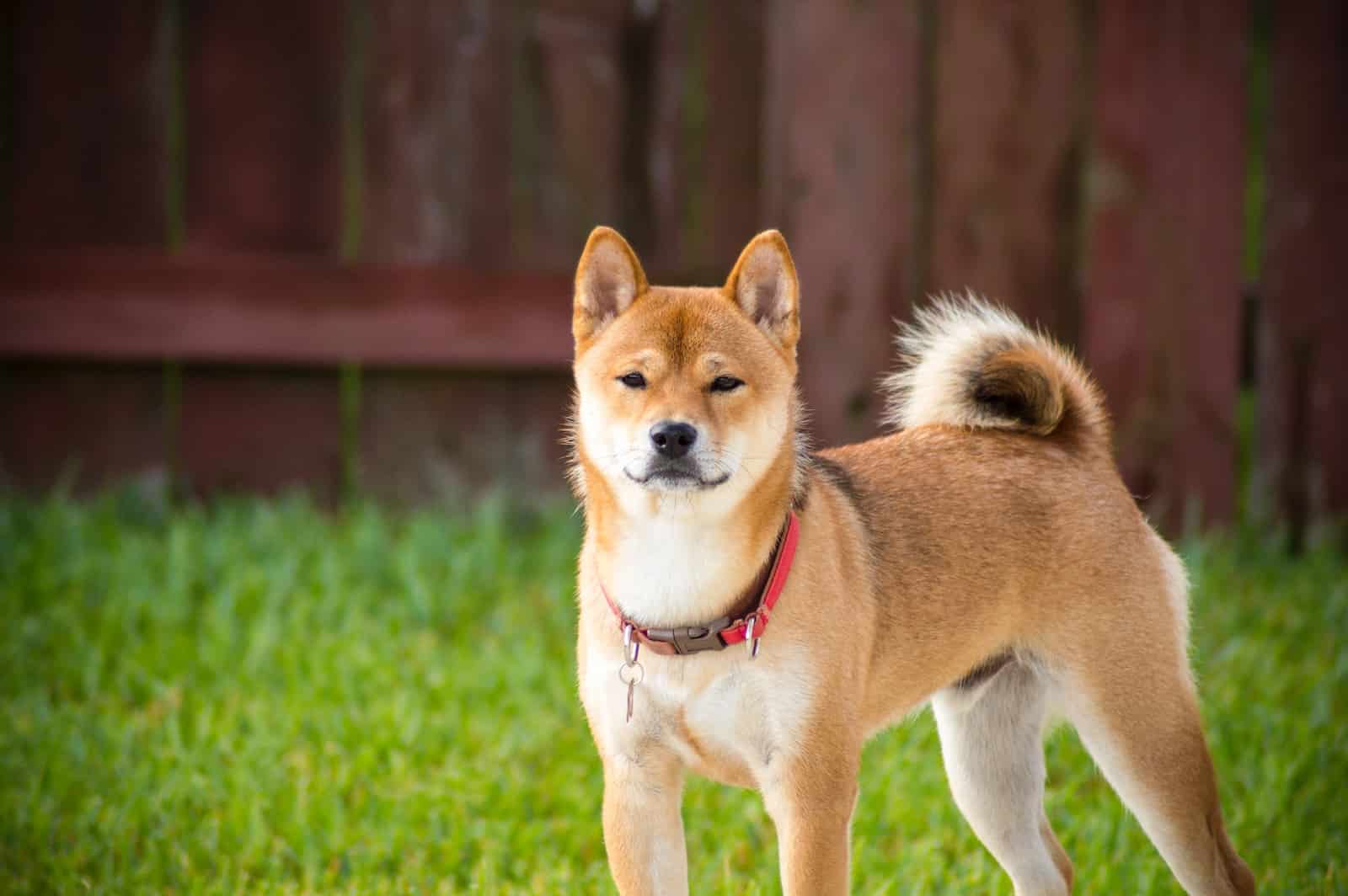
- Height: 30 Inches
- Weight: 100 Pounds
- Origin: Japan
The Akita is a very stocky and muscular Japanese breed with pointed ears that look more like cat ears than dog ears. Originally bred to hunt large game, the Akita is courageous. They can also be aloof and even a little wary of strangers. The dog’s family gets to enjoy the loving, loyal, and even slightly silly side of the breed. The Akita prefers cold weather thanks to the thick double coat that protects them from the elements.
13. Anatolian Shepherd
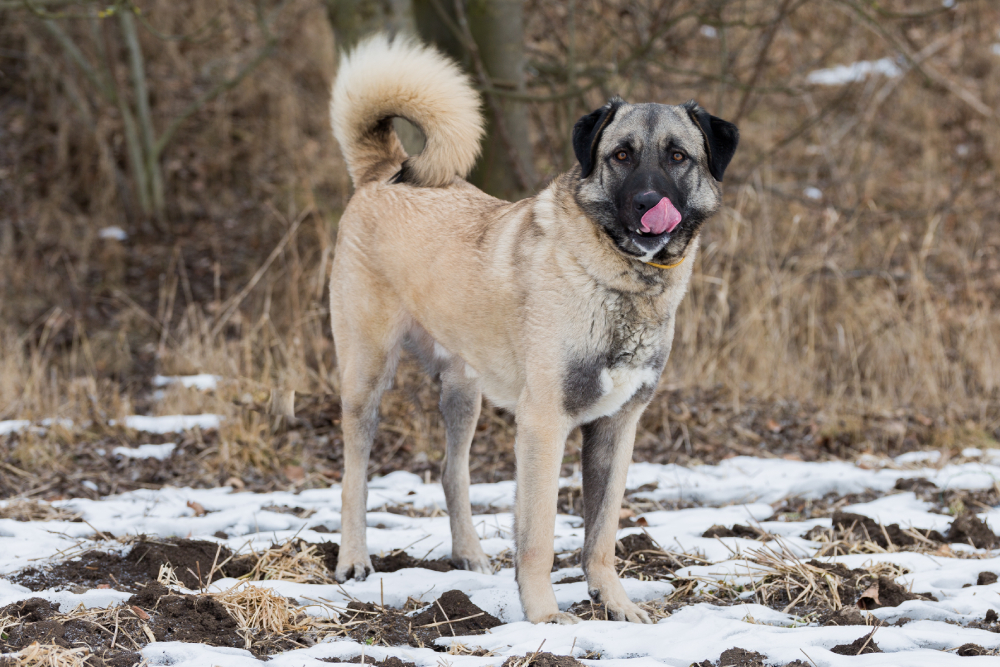
- Height: 29 Inches
- Weight: 130 Pounds
- Origin: Turkey
The Anatolian Shepherd is a working dog from Turkey. They can grow to be very large indeed, and their thick, light-colored coat allows them to blend in with the animals they protect. The Anatolian is known for being a capable guard dog that can fight off other dogs and wild animals if they threaten the dog’s flock. Training and socialization are essential with this breed.
14. Tibetan Mastiff
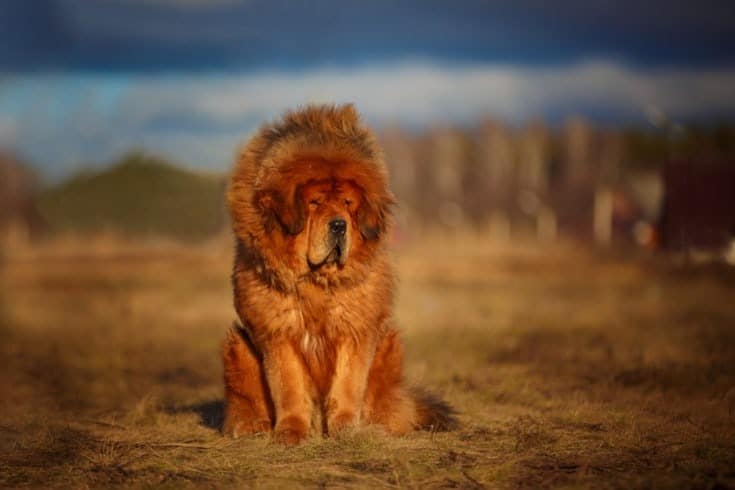
- Height: 29 Inches
- Weight: 125 Pounds
- Origin: Tibet
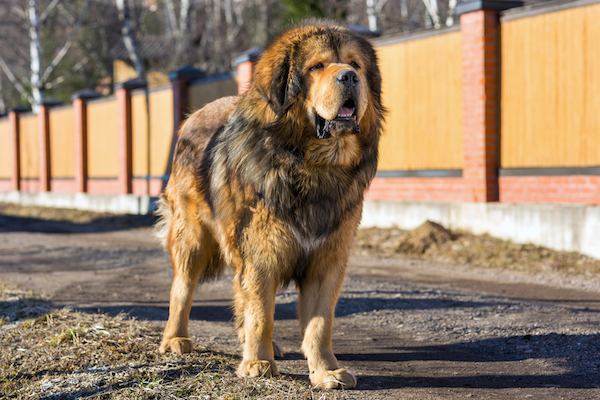
The Tibetan Mastiff is another Mastiff, but this one hails from Tibet. They are massive and known to be independent and somewhat stubborn, which means early training will prove vital to turning them into manageable companion dogs. The thick double coat requires frequent grooming, and since it’s designed to protect the Tibetan Mastiff in cold temperatures, they shouldn’t spend too much time in hot weather.
15. Bernese Mountain Dog
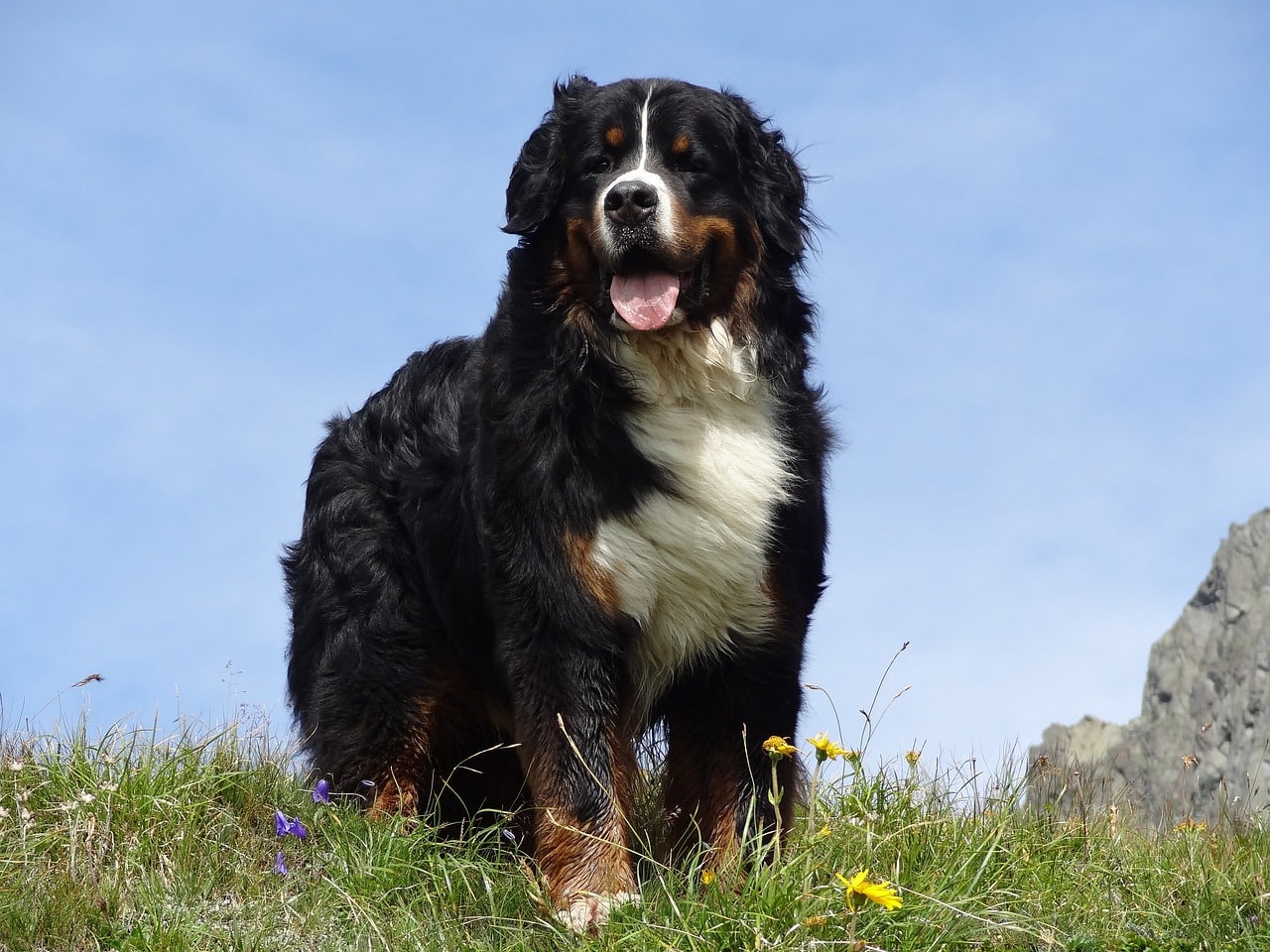
- Height: 28 Inches
- Weight: 110 Pounds
- Origin: Switzerland
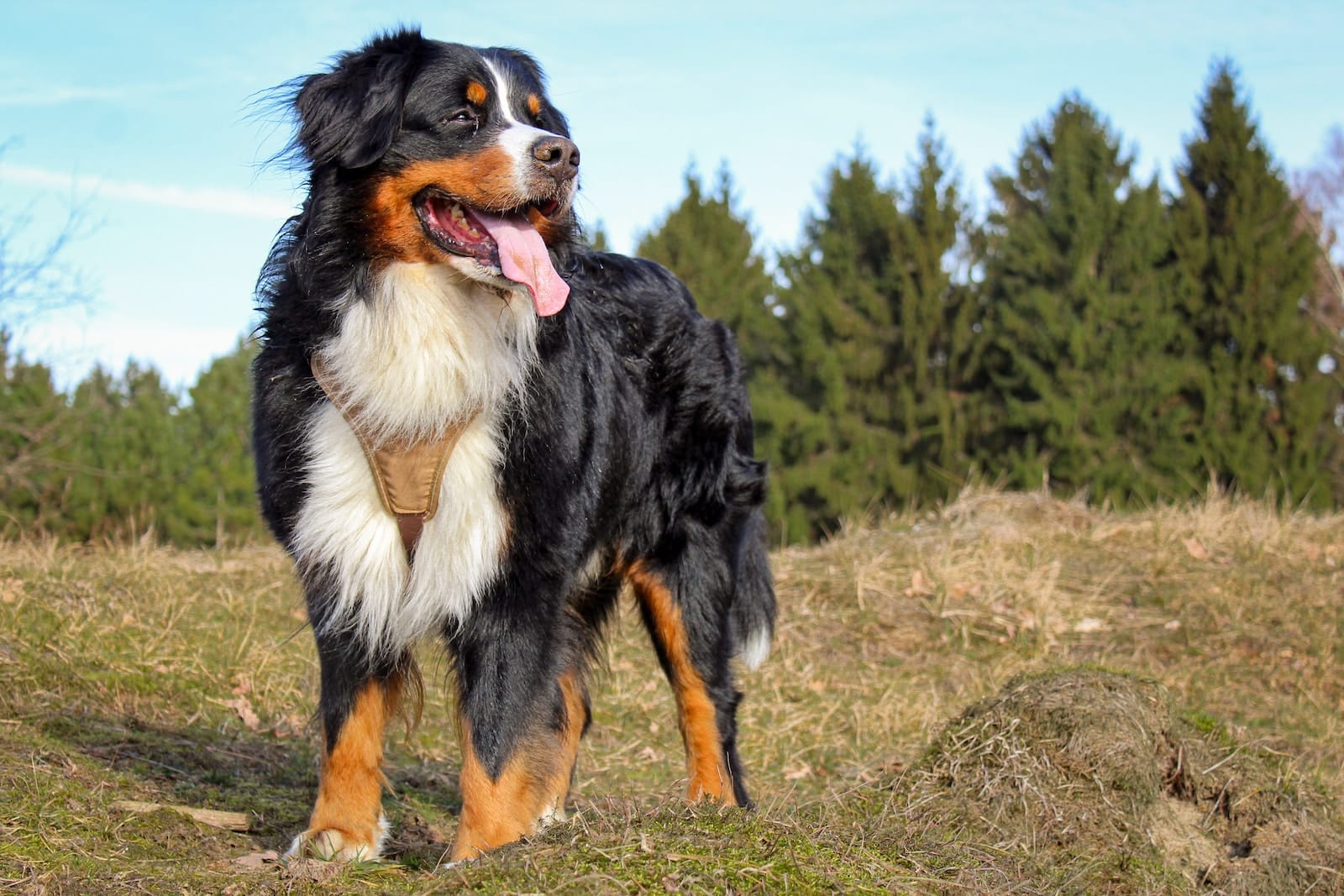
The Bernese Mountain Dog is another canine that is more comfortable in cold climates thanks to their thick coat. Bernies are known for being friendly, loyal, and sociable. They get along with children as well as adults and can usually integrate well into a home with other pets. They need at least an hour of daily exercise and a large fenced-in yard.
16. Cane Corso
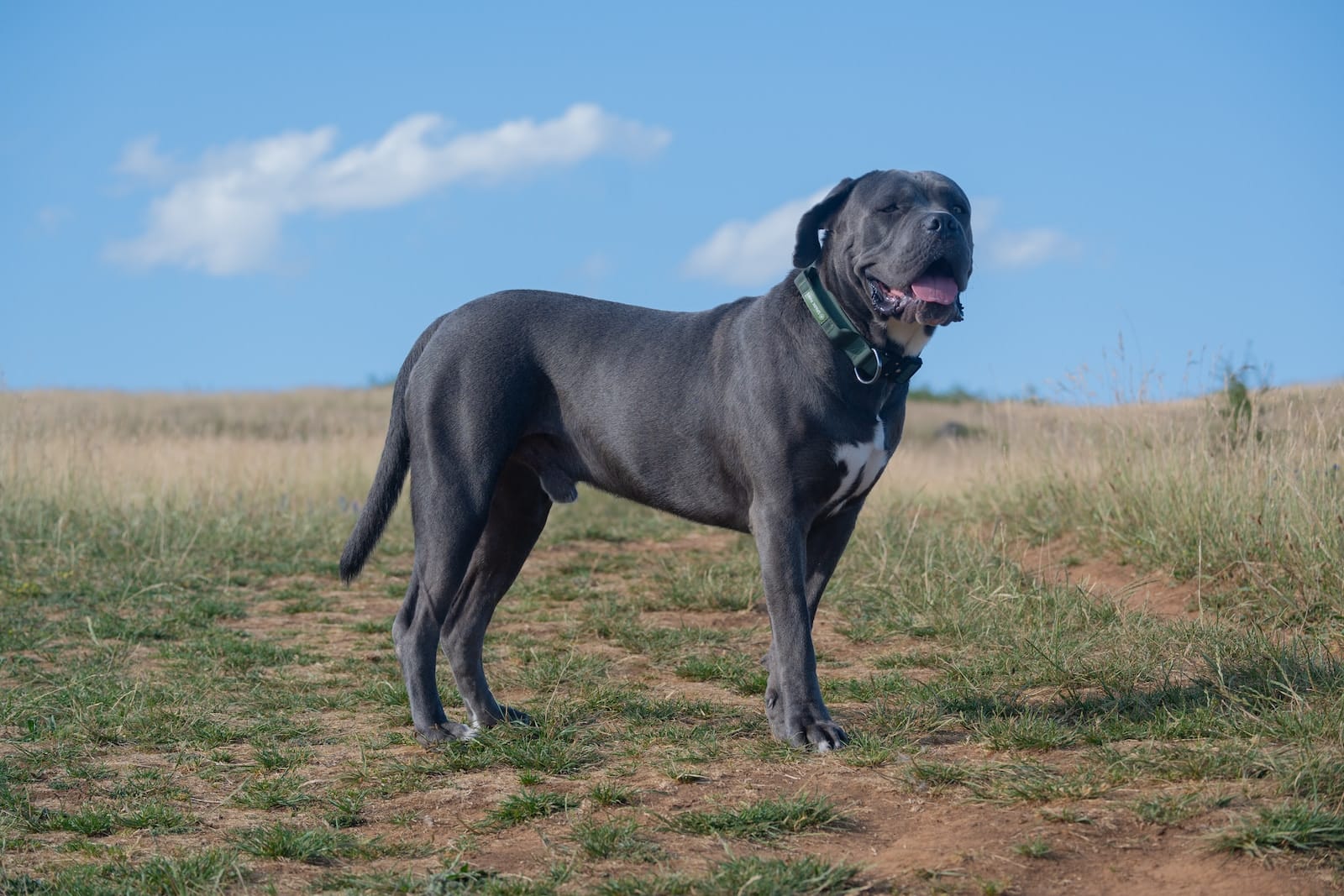
- Height: 28 Inches
- Weight: 110 Pounds
- Origin: Italy
The Cane Corso is an aggressive-looking dog with a businesslike attitude. Although confident, they can be wary around strangers, and owners must socialize them as early as possible to prevent aggression from emerging. The Cane Corso is big and strong and has a powerful, square head, with a slick-looking coat. They’re illegal in some areas, so check local laws before buying or adopting one.
17. Doberman
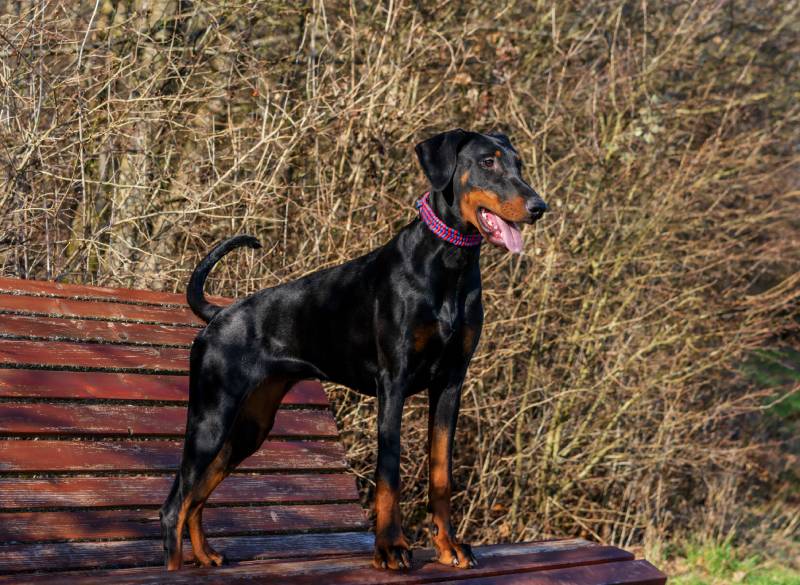
- Height: 28 Inches
- Weight: 90 Pounds
- Origin: Germany
Bred by a German tax collector in the 19th Century, The Doberman was raised to exhibit the perfect guarding traits. They assisted the military in World War II and have been used in a variety of service roles ever since. Today’s Doberman is friendlier and has a loving side that comes out with family. They can also be quite playful and silly, but the behavior tends to diminish as the dog ages.
18. Bullmastiff
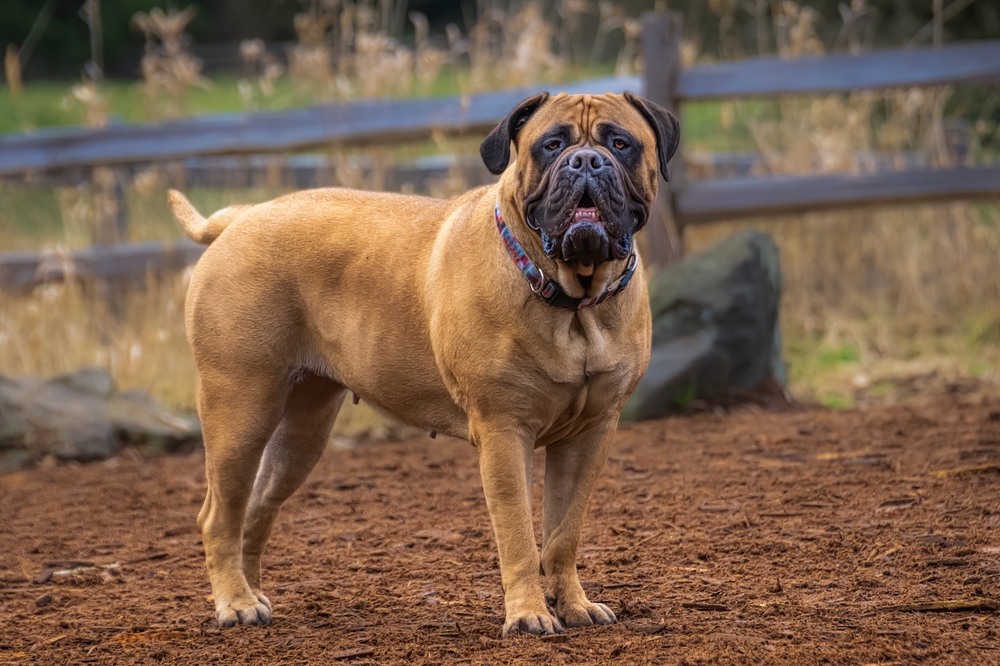
- Height: 27 Inches
- Weight:140 Pounds
- Origin: England
The Bullmastiff was bred to protect gamekeepers and their animals and has a typical guard dog temperament. They’re alert and can quickly spot potential threats, but they are loving and loyal to their owners. It’s best to start socializing a Bullmastiff as soon as possible to ensure they’re well-behaved around strangers.
19. Dogue de Bordeaux
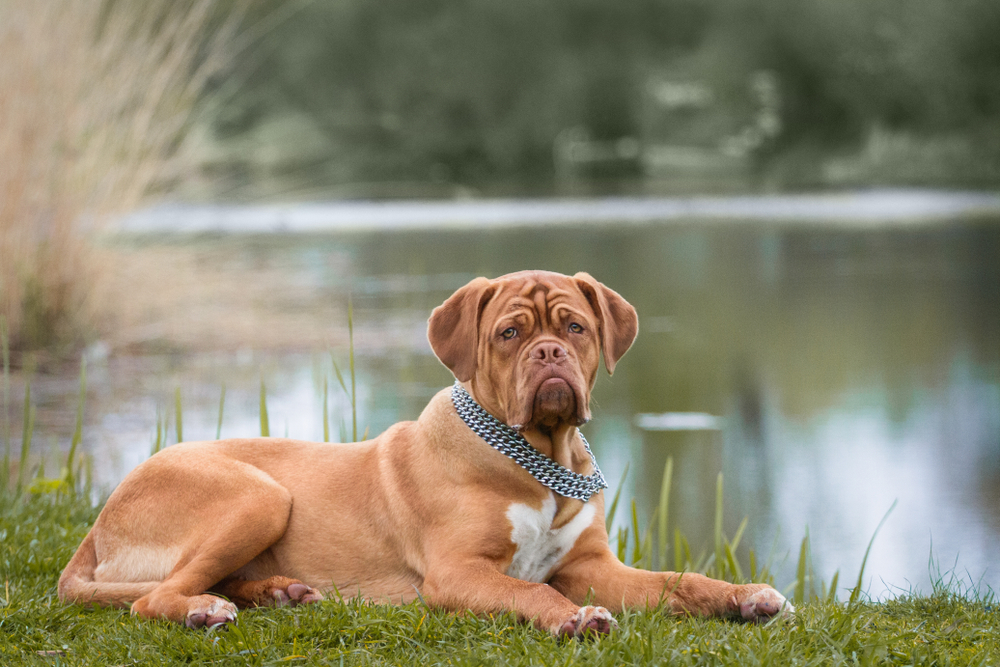
- Height: 27 Inches
- Weight: 130 Pounds
- Origin: France
The Dogue de Bordeaux, or French Mastiff, is a big, muscular dog. They’re loving and affectionate family dogs but are also prone to stubbornness and can sometimes be challenging to control. You will need to be patient regarding training, but your efforts will be rewarded.
20. Bloodhound
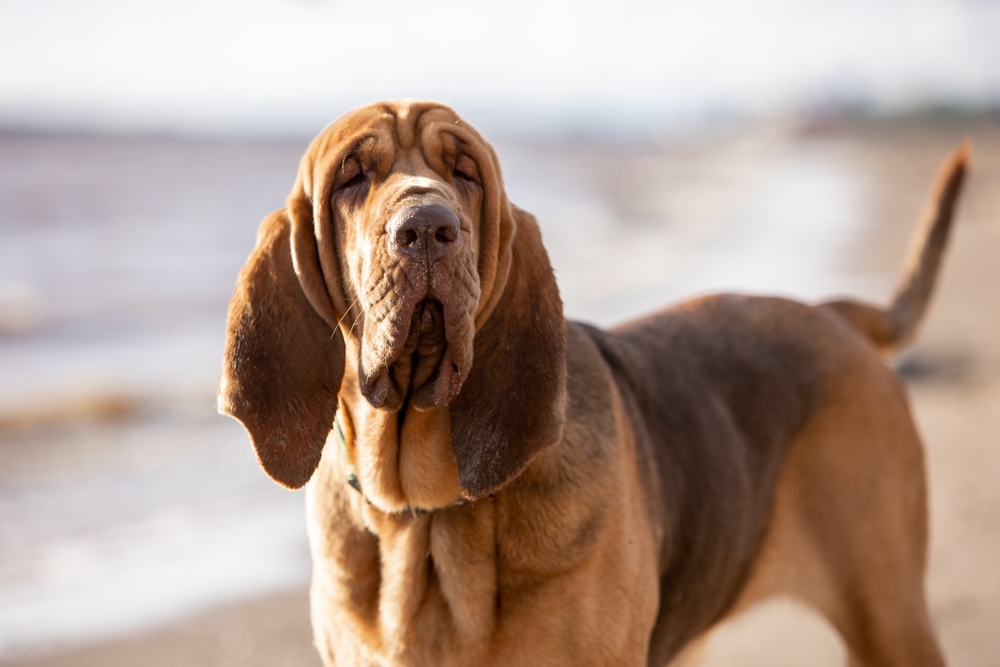
- Height: 27 Inches
- Weight: 100 Pounds
- Origin: France
The Bloodhound has an unmistakable appearance, with long ears that droop down to the ground. It also has sorrowful eyes and walks with its head low to the ground. The Bloodhound is known for having the best sense of smell in the canine world and is often used as a scenting or search-and-rescue dog because of this trait. While they can seem lazy, they are relentless in tracking interesting scents.
Conclusion
Above are some of the biggest dog breeds in the world, and there is a wide variety of types and characters. Dogs of this size, no matter their temperament, will become a big part of your life. They will take up a lot of space, and those that need regular grooming or a lot of exercise will also take up a lot of your time. However, some of these giants make the sweetest family pets, and others are fiercely loyal to their owners.
See also:
Featured Image Credit: Sergey Lavrentev / Shutterstock.
 What Qualifies as a Big Dog Breed?