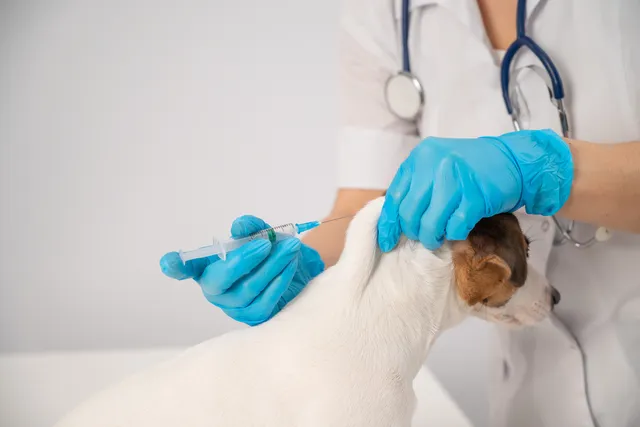
What to Feed a Diabetic Dog That Won't Eat: 6 Mealtime Tips (Vet Answer)


In this article
Diabetes management in dogs can be a complicated dance between timed feedings, insulin administration, and exercise. When all these elements work in concert, a diabetic dog can live a long and happy life, but if one part gets out of whack, it can be detrimental to the dog’s health.
One possible issue is when your diabetic dog won’t eat. If they don’t have a proper meal, you can’t give them insulin, which can lead to swings in blood sugar that can affect nearly every part of their body. Fortunately, we have a few tips that will hopefully help you out when your dog won’t eat.

The 6 Mealtime Tips For a Diabetic Dog That Won't Eat
1. Give Them Canned Food
Your dog will likely be prescribed a diet meant for diabetic dogs that will be high in fiber and low in carbohydrates and fat. However, it may not be something that your dog takes to right away. Fortunately, most diabetic formulations come in kibble and canned versions. If your dog isn’t into the kibble, try mixing in a small amount of the canned food. This may entice their appetite and provide them with a boost in moisture. Don’t just top the dry food with the wet food, though, as most dogs can easily pick their way around it, only eating the canned food and leaving the kibble.

2. Add Moisture to Their Dry Food
If your dog does not immediately take to the change in food, boosting it with more flavor may help. For example, most dogs like the taste of low-sodium chicken broth and may even appreciate the change in texture that it brings to dry kibble when it’s mixed in. If you choose to give chicken broth to your dog, make sure it’s plain, without any other seasonings, and low sodium. It only takes a couple of tablespoons per meal; don’t turn their kibble into soup.
3. Give Them More Protein
What dog doesn’t love a lean, meaty snack? If your diabetic dog just won’t eat, try mixing in plain boiled chicken, lean beef or pork, or plain scrambled eggs. This meatiness can go a long way in upping your dog’s appetite without messing with their blood glucose levels. Just be sure to remove any excess fat, keep the additions seasoning-free, and mix the food well to prevent selective eating.

4. Add Vegetables
Dogs often like different kinds of vegetables, and offering a few to your pup may entice them to eat. They can be offered veggies that are fresh, cooked, or canned (if in the low-sodium form). Safe vegetables to offer include pumpkin, carrots, peas, green beans, and bell peppers. Mix them in with your dog’s food to add variety. Avoid any seasonings, as common ones like garlic powder may be toxic to canines.
5. Offer Cottage Cheese
A great food addition that can get your dog’s mouth watering without causing any harm is cottage cheese. It is protein rich and easy to digest, and most dogs really like it. Adding a couple of tablespoons to their meal may get a diabetic dog to eat. Just make sure not to serve too much, and watch for signs of digestive upset, as cottage cheese does contain lactose (though typically in lower amounts than most other dairy products), which can lead to vomiting and diarrhea.

6. Try a New Food
There are multiple diabetic dog foods out there, so if your pup just isn’t falling tongue over tail for their new diet, try something else. Speak to your vet about which foods would be ideal for your dog’s tastebuds, and make the switch gradually if they have been regularly eating their old food. Some dogs may be fine with a food that is a different flavor of the same brand, while others want something completely new.
Before changing your dog's diet, reach out to a veterinarian.

Why It’s Important for Diabetic Dogs to Eat
A good appetite is typically seen as a sign of good health in dogs, but in diabetic dogs, it goes even further than that. They have issues with the production of insulin, a hormone that is responsible for taking glucose out of the blood and moving it into cells to be used for energy. When the body’s insulin level is low, blood glucose tends to be high. When insulin is high, blood glucose is low.
Glucose in the blood comes from the breakdown of the foods that your dog eats. If they’re not eating, their blood glucose is typically low, which means your dog needs to eat in order to increase it. If they’re not eating and their glucose is low, giving them insulin will only drop it further, sometimes to dangerous levels, a condition called hypoglycemia.
If your dog fails to eat, your vet will likely instruct you to hold off on giving them their dose of insulin. Skipping multiple doses of insulin isn’t a good thing, though, so it’s important to make sure your dog is eating regularly.

What to Do If Your Diabetic Dog Won’t Eat
Eating regular meals is vital for diabetic dogs, so if these tips don’t help your dog’s appetite, it’s time to see your veterinarian. It may be more than just a dislike of their food. Other issues related to diabetes can pop up and throw off your dog’s appetite. Or it could be something unrelated that has them feeling less than hungry for their regular meal. Your vet will be the best one to find the underlying cause of the issue as soon as possible.
What Not to Feed a Diabetic Dog
While it’s important that your dog eats something in order to get their dose of insulin, you don’t want to feed them just anything. Human foods that are high in carbohydrates, such as sugary foods, bread, or crackers, aren’t ideal because they can overly elevate blood glucose levels. Also, avoid high fat foods, such as bacon or sausage, and don’t over-treat with dog treats, as it could make your dog picky to the point that they will only eat treats and avoid their regular meals.

Conclusion
Diabetes can be a tricky issue to manage, especially if your dog starts to boycott eating. Hopefully, their inappetence is just a result of not liking their new diet, in which case, trying these tips may help. However, not eating can also be a sign of complications related to diabetes or another illness that should be addressed by a veterinarian. If your diabetic dog isn’t eating or you have any other concerns about their management, be sure to see your vet.
Sources
Featured Image Credit: Daria Lixovetckay, Shutterstock
Expert dog care, straight to your inbox
News, insights, expert advice, and everything dog.

No spam — unsubscribe anytime.
By signing up, you agree to our Terms & Conditions and Privacy & Cookies Policy.
How useful was this post?
Click a star to rate. You can leave written feedback afterwards. (We read all feedback.)
Dr. Chyrle Bonk DVM (Veterinarian)
On top of caring for animals and writing for veterinary publications, Dr. Chyrle Bonk owns a small cattle herd! When she’s not busy with those things, she can be found somewhere enjoying the Idaho outdoors with her husband and two kids. Dr. Chyrle Bonk received her Doctor of Veterinary Medicine (DVM) from Oregon State University in 2010.
Chyrle has practiced in a mixed animal clinic for over a decade. She also writes for various veterinary websites and magazines, like Dogster!