Dogster is reader-supported. When you buy via links on our site, we may earn a commission at no cost to you. Learn more.

Lifestyle

What Is a Digitigrade? Vet-Reviewed Science of How Pets Walk

Melissa Gunter
By Melissa Gunter · Reviewed & fact-checked by Dr. Paola CuevasVet Approved
Dr. Paola Cuevas
Reviewed & Fact-Checked byDr. Paola CuevasVeterinarian
Dr. Paola Cuevas is our Senior In-House Veterinarian at Dogster and Pangolia. She has over 19 years of experience working with an array of species and loves sharing her knowledge and experience with our readers and aims to provide assistance with any issue presented by your non-human family members. She received her degree from the University of Guadalajara, Mexico.View authorThe information is current and up-to-date in accordance with the latest veterinarian research. Learn more
Updated on June 17, 2026
Share
two brown dogs running on snow on grass

Have you ever sat and watched the way your pet walks? While this may not be a common thing to do, it is something that we should understand. There are classifications for all animals that describe their mode of locomotion.

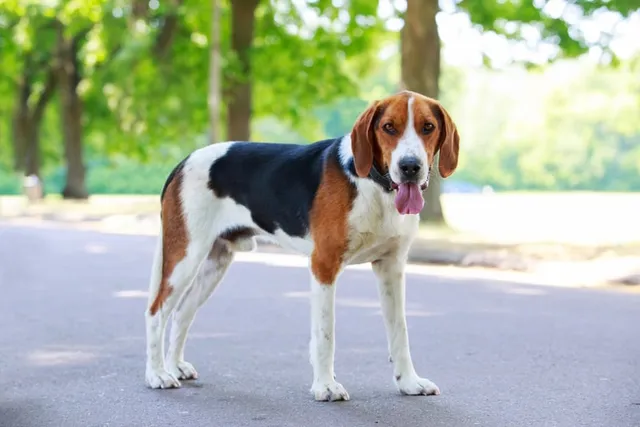
The classification used for many mammals, including dogs and cats, is digitigrade. But what exactly does that mean? To put it simply, mammals that walk digitigrade are those that walk on their toes instead of touching the ground using their heels. It's why a dog’s leg has that distinctive hook shape.

Let’s learn more about what a digitigrade is and the science of how our pets walk.

divider single dog paw oct 2024

Digitigrade Characteristics

When looking at the leg of a digitigrade animal, you’ll notice many differences compared to a human leg. The hind legs of cats and dogs are the most similar to our legs and feet. The area of their leg that would correspond with our ankle is located higher up on their leg.

When it comes to their front legs, those can be compared to our wrists and hands. This setup enables these animals to move quickly and quietly. The posture of the foot enables the heel to offer bodyweight support when running, walking, or standing. You’ll also find that many digitigrade-characterized animals have two sets of legs to make all this easier for them.

You are free to use this image but we do require you to link back to Dogster.com for credit

The Advantages & Disadvantages of Being Digitigrade

Being a digitigrade animal helps our pets when it comes to movement. It enables them to move quieter than other animals. This is ideal when they are hunting and need to sneak up on prey. This way of walking also gives them extra speed when it comes to catching prey or escaping a possible predator. While the pets living in our homes may not need to hunt for their food, there are dogs, cats, and birds in the wild that use this extra spring in their step to ensure that they and the animals that they live with get meals and stay protected.

When it comes to dogs and cats, being digitigrade is mostly an advantage. However, there are also bipedal digitigrade animals, like chickens and ostriches. These animals can also be quiet and move quickly, but they aren’t the most stable on their feet, which makes them quite easy to knock over. In a play situation, this can be comical. However, for animals in the wild, this can be seen as a weakness. Animals of prey can use this to their advantage by making it more difficult for these types of animals to survive in certain situations.

Image Credit: Valerie Berdinel, Shutterstock
divider dog paws 3 oct 2024

Conclusion

When looking at the science of how pets walk, how their legs are designed plays a major role in all aspects of their lives. For digitigrade animals, the advantage of having an extra spring in the step, stealth, and quickness is undeniable. The next time you see your pet walking through the house, take a moment to watch their movements, and revel in the uniqueness of your animal and how science has ensured that they have the opportunity to thrive in nature.

Sources

Featured Image: Vincent van Zalinge, Unsplash

Want content like this delivered to you?

News, insights, expert advice, and everything dog

Melissa Gunter
Authored by

Melissa Gunter

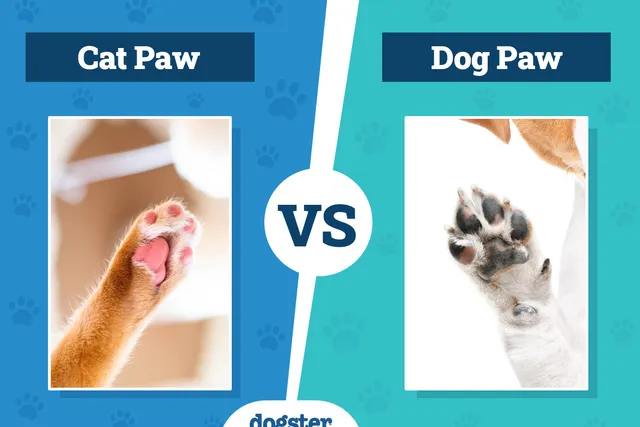
Cat Paw vs Dog Paw: Vet Reviewed Differences Explained

Cat Paw vs Dog Paw: Vet Reviewed Differences Explained

Cats and dogs are popular pets, and they both have unique physical features. Among their distinguishing characteristics are their paws. The paws of cats and do…

Nicole Cosgrove
By Nicole Cosgrove · 2 weeks ago
Dog Paw Anatomy: Vet-Approved Facts & Shape Explanation

Dog Paw Anatomy: Vet-Approved Facts & Shape Explanation

A dog’s paws play a huge role in their everyday lives. Healthy paws are essential for walking and running comfortably, the pads act as shock absorbers and cush…

Keri-Beth Clur
By Keri-Beth Clur · 2 weeks ago
How Many Legs Does a Dog Have? Canine Anatomy Explained

How Many Legs Does a Dog Have? Canine Anatomy Explained

While most dogs have four legs, several have missing limbs but live happy, healthy, adventurous lives. Dogs lose limbs for all sorts of reasons, from accidents…

Lorre Luther
By Lorre Luther · 5 days ago
10 Fascinating Facts About Your Dog’s Paws

10 Fascinating Facts About Your Dog’s Paws

We all know that dog paws are seriously cute, but there’s a lot more to them than simple beany cuteness. The paws contribute greatly to many things your dog ca…

Kit Copson
By Kit Copson · 2 weeks ago
June 17, 2026

Do Dogs Have a Dominant Paw? Is Your Dog a Lefty or Righty? What Science Says

While the majority of humans are right-handed, dominant paws in dogs don’t lean heavily towards one side. Studies show that some dogs have a paw that they pref…

Jessica Kim
By Jessica Kim
Do Dogs Have a Dominant Paw? Is Your Dog a Lefty or Righty? What Science Says
June 29, 2026

What Is a Sploot? 3 Theories Why Cats & Dogs Do It

Some of the most popular searches in recent Internet history involve cute pets, especially cats and dogs. One of the newer adorable pet crazes to take over the…

Nicole Cosgrove
By Nicole Cosgrove
What Is a Sploot? 3 Theories Why Cats & Dogs Do It
June 17, 2026

Why Do Dogs Have Dewclaws? Vet-Approved Facts & FAQ

When you observe your dog’s paws, you will notice four toes on the back feet and four toes on the front feet. But you’ll also see a fifth digit, known as the d…

Rachel Giordano
By Rachel Giordano
Why Do Dogs Have Dewclaws? Vet-Approved Facts & FAQ
June 17, 2026

Why Do Dogs Lift One Paw? 6 Vet-Verified Reasons

Dogs may not share our language, but that doesn’t keep them from being effective communicators. Understanding the nuance of their minor body positions and move…

Nicole Cosgrove
By Nicole Cosgrove
Why Do Dogs Lift One Paw? 6 Vet-Verified Reasons
June 17, 2026

How Many Toes Do Dogs Have? Can They Have Extra Toes? (Vet-Verified)

The number of toes that your dog has is likely not something that you think about frequently. That said, most people are surprised to learn that most dogs have…

Ed Malaker
By Ed Malaker
How Many Toes Do Dogs Have? Can They Have Extra Toes? (Vet-Verified)
June 27, 2026

How to Tell Dog and Coyote Tracks Apart: 4 Tips & Tricks

Whether out of curiosity or because you live in a place where there are many coyotes, you may find it helpful and interesting to know the differences between t…

Genevieve Dugal
By Genevieve Dugal
How to Tell Dog and Coyote Tracks Apart: 4 Tips & Tricks
June 17, 2026

10 Benefits of Using an Elevated Bowl for Cats & Dogs: Vet Approved Facts

Raised feeders, or elevated bowls, work by lifting the food or water bowl away from the ground. Different bowls are designed for different sizes of dogs and ca…

Nicole Cosgrove
By Nicole Cosgrove
10 Benefits of Using an Elevated Bowl for Cats & Dogs: Vet Approved Facts
June 17, 2026

How Fast Can a Dog Run? Breed-by-Breed Breakdown

You already know that your dog is fast, but have you ever wondered just how fast they are? As it turns out, the answer isn’t easy to give in a single sentence…

Quincy Miller
By Quincy Miller
How Fast Can a Dog Run? Breed-by-Breed Breakdown

Love Dogs? So Do We! Join the Dogster Community

Stay informed with expert pet care insights delivered straight to your inbox! Discover professional guidance on animal behavior, feeding tips, trusted product picks, and much more.

You may opt-out at any time. View our Privacy Policy for more information.

The Dogster app on a phone