10 Benefits of Using an Elevated Bowl for Cats & Dogs: Vet Approved Facts


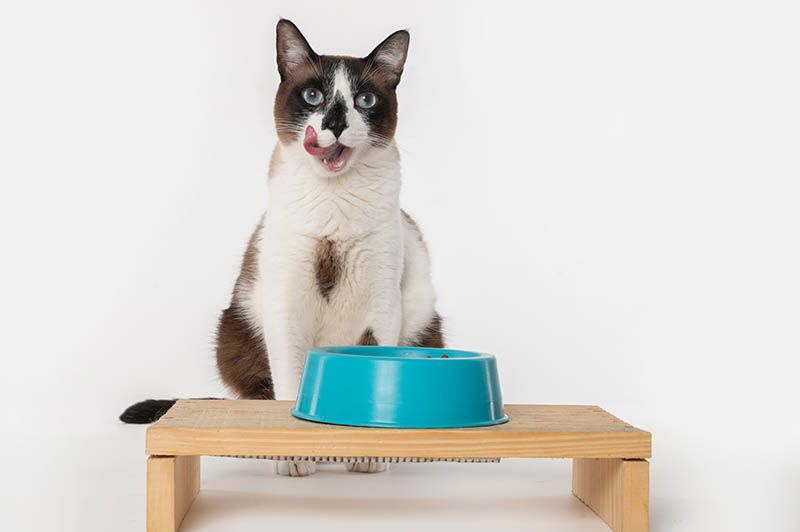
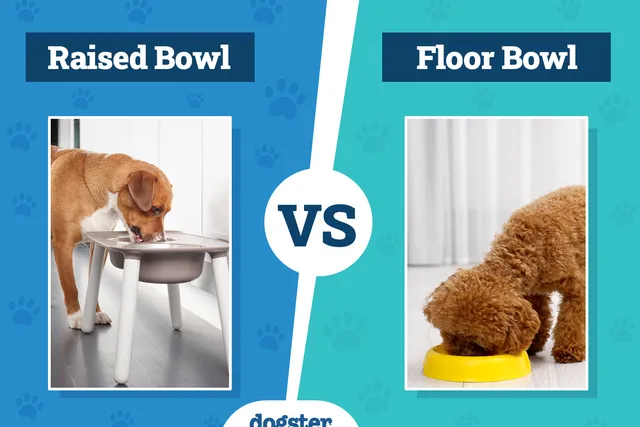
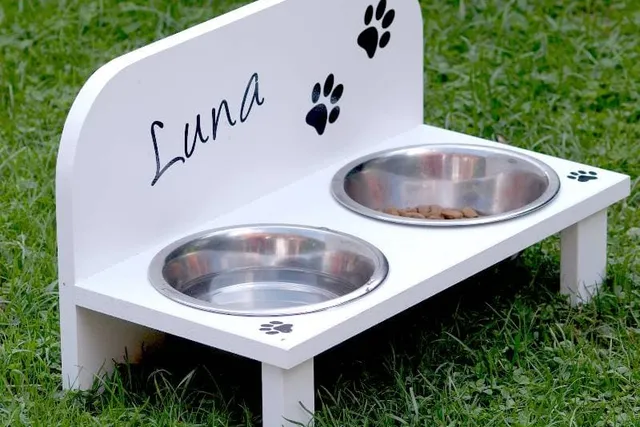
Raised feeders, or elevated bowls, work by lifting the food or water bowl away from the ground. Different bowls are designed for different sizes of dogs and cats and they can use different ways of elevating the feeding surface. Elevated bowls are available for cats and dogs, and although not all pets will need them all the time, there are certain benefits to this type of food bowl.
Below are 10 of the benefits to help you decide whether your furry friend would benefit from the use of a raised feeder.

Top 10 Benefits of Using an Elevated Bowl for Your Cats and Dogs
1. Improves Posture
Dogs and cats need to lean over and stoop down to get food and water from a floor-level bowl. This can cause back and neck pain and may eventually lead to long-term posture problems. Elevated bowls lift the food and water away from the floor so your pet doesn’t have to stoop.
Ensure that your elevated feeder is the optimal height for your pet. Otherwise, they might have to lean up to feed, which can be as damaging to their posture as having to stoop.

2. Comfortable Eating Position
Dogs of all ages can suffer some muscle or joint pain, but it is especially common in older animals that may suffer conditions like arthritis. Leaning over to eat puts pressure on the joints and can exacerbate the pain they’re feeling. This means that your senior dog or cat could be experiencing pain or discomfort every time they eat.
An elevated bowl lets them eat while in a natural position, thereby alleviating or minimizing pain.
3. Easy Swallowing
Swallowing while bent over is difficult and means that the food or water has to go against gravity to travel down the throat and into the body. With an elevated bowl, food travels more easily down the esophagus.
This makes it easier for all pets to swallow their food but is especially important for those who suffer from certain illnesses like megaesophagus.

4. Easier for You to Reach
If you suffer from any kind of mobility issues, reaching down to lift up and put down the bowls can be challenging, especially if you have an excitable and hungry dog bouncing around you at the time.
Elevated bowls are lifted off the ground so you don’t have to reach as far down. Therefore, they are more comfortable and convenient for you.
5. Less Mess
Because the bowls are closer to your dog’s mouth, they are less likely to drop morsels on the floor. Elevated bowls can also slow down fast eaters.
Elevated bowls can prevent a lot of food mess from reaching the floor in the first place, and those that use a frame to lift the bowl away are easier to clean under. Food and water won’t gather and fester under the bowls and you can easily mop any mess away.

6. Prevents Paddling
Paddling tends to be more of a problem with cats than dogs, but not always. If your pet plays in their water while drinking, it can leave large puddles of water and piles of food on the floor.
The bowls will need filling more often, food will get wasted, and your pet might not get their daily food allowance. Lifting the bowls a little way off the ground prevents paddling and playing in the bowl so that all the food and water are properly dispensed and the floor stays tidier.
7. Dry Ears
Some dogs, especially breeds like Spaniels, have long, floppy ears that naturally fall into the food and water bowls when the dog is forced to lean over to get to the contents of the bowl.
A raised bowl means that your dog doesn’t have to lean over, thereby eliminating soggy ears that are coated in food debris.

8. Keeps the Bowl in Place
Standard bowls placed directly on the floor tend to walk, especially if your dog is a vigorous eater. As they push food around the base of the bowl and lick the edges to get everything clean, a plastic or metal bowl will be especially inclined to move around. This can lead to spills and it may also mean that the bowl gets pushed under units or into other inaccessible places.
Elevated bowls are usually raised using a frame or holder, and the extra weight and size mean that they can’t be pushed around.
9. Better for Big Dogs
Big dogs have further to lean over if they want to get to their food, and giant breeds are especially prone to joint complaints and pain. Although a raised feeder can benefit pets of any size, it is especially useful for large dogs.

10. Easier for Old Dogs
Even if your old dog is free from arthritis and other conditions, they can suffer limited mobility as they age. Even twisting awkwardly can lead to discomfort.
A raised feeder means that your dog can eat in a natural standing position so they don’t have to crane their neck or arch their back, making it easier for senior dogs to be able to access the content of the bowl.
Final Thoughts
Raised feeders, or elevated bowls, are just one type of pet bowl. They are available for cats as well as dogs and they come in different sizes and designs to meet the needs of all dogs and owners. They can benefit your pet and make your life easier, but they won’t necessarily help with all feeding-related problems.
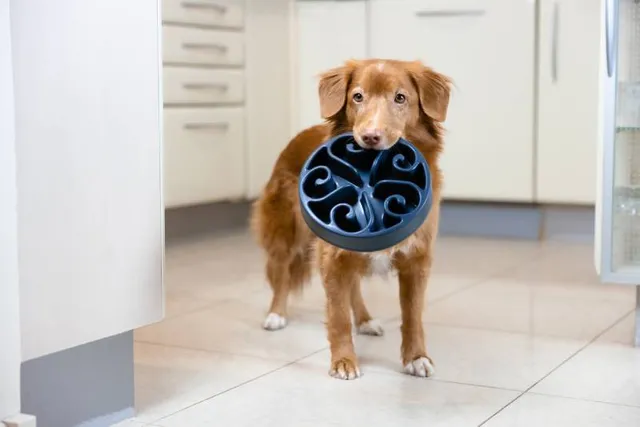
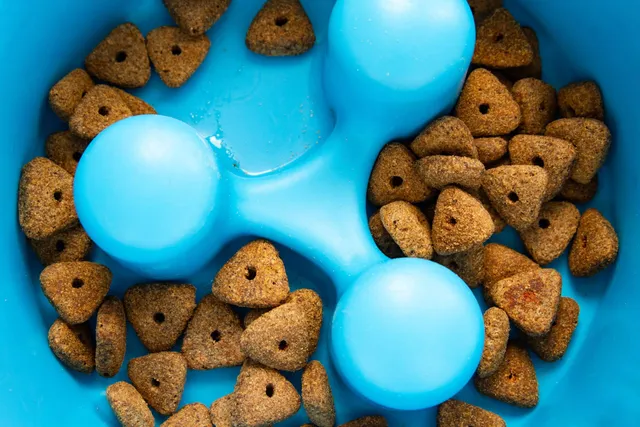
If your pet eats too quickly, a slow feeder may be a better solution to the problem, for example, and if you’re looking for a solution to messy eating, a bowl with a drip tray should help prevent the mess.
Featured Image Credit: Elayne Massaini, Shutterstock
Expert dog care, straight to your inbox
News, insights, expert advice, and everything dog.

No spam — unsubscribe anytime.
By signing up, you agree to our Terms & Conditions and Privacy & Cookies Policy.
How useful was this post?
Click a star to rate. You can leave written feedback afterwards. (We read all feedback.)
Nicole has loved animals of all sizes her whole life so it's no wonder she has dedicated her career to helping them through what she loves best: learning, writing, and sharing knowledge with others. She’s the proud mom of two dogs, a cat, and a human. With a degree in Education and 15+ years of writing experience, Nicole wants to help pet parents and pets around the planet to live happy, safe, and healthy lives.